 Vietnamnet.vn

 Podcast



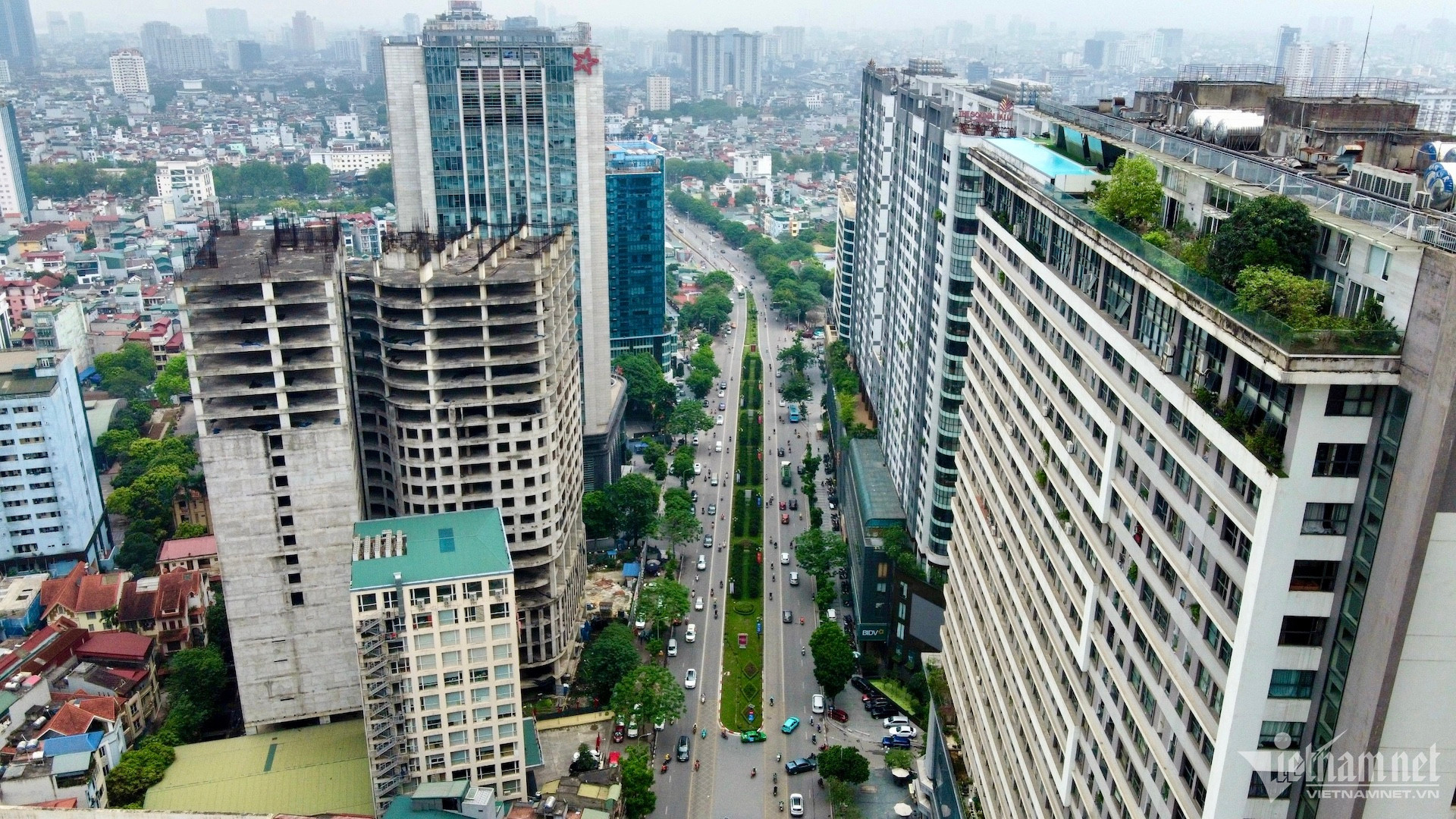
The law needs to clarify mechanisms for recognizing, preserving and transitioning these rights during the rebuilding process.
The Government has requested that the Ministry of Construction clearly stipulate the service life of apartment buildings based on the designed service life of the structures, ensuring consistency with regulations on the service life of buildings under construction law.
Resolution 278 calls for specific provisions on how to handle apartment buildings that have reached the end of their service life, clarifying the rights and obligations of owners, including the right to continue using the land-use rights to rebuild the apartment building and their financial obligations for new construction once the existing structure reaches the end of its service life.
Lawyer Truong Anh Tu, chair of TAT Law Firm, said the concept of a defined service life for apartment buildings is not new. Existing housing regulations already determine an apartment building’s service life based on its design documents and its actual period of use, as established through inspections by authorities.
Accordingly, when a building reaches the service life specified in its design documents, it does not automatically have to be demolished. The structure must be inspected and its quality assessed. Depending on its actual condition, the apartment building may continue to be used or may have to be demolished, renovated or rebuilt in accordance with regulations.
However, according to Tu, legal recognition of apartment buildings based on structural lifespans demands early preparation for the final stage of that life cycle.
An apartment unit can be bought, sold, gifted, mortgaged, and inherited across multiple decades. Owners at the point of structural demolition may very well not be the original purchasers. The core question concerns not merely structural longevity, but how citizens' property rights will navigate these legal transitions.
The Chair of TAT Law Firm stressed distinguishing between a structure's physical lifespan and an owner's property rights.
An apartment building cannot endure permanently. However, structural demolition does not imply that owners' lawful rights and interests perish along with the aged concrete.
Prior to demolition, citizens hold rights to their units, shared ownership portions, and lawful rights tied to joint land use per regulations. The objective involves not creating entirely new rights for residents, but determining how existing rights will be recorded, valued, and transitioned into the subsequent legal status.
"A building may reach the end of its physical lifespan, but property rights cannot consequently revert to zero. If the law foresees the endpoint of a structure, it must design the forward path for property rights," Tu said.
A primary concern during apartment renovation and reconstruction centers on whether owners must contribute additional funds to receive new units.
Legislation should not default to requiring the State or developers to provide new apartments free of charge under all circumstances. Conversely, existing owners cannot be treated as entirely new customers purchasing homes from scratch. During reconstruction, residents bring along an established system of lawful rights and interests derived from existing assets.
Accordingly, prior to calculating additional financial obligations, clarity is required regarding existing owner rights, the principles governing their valuation, and their integration into renovation and reconstruction plans.
When 'the old home is gone, the new home not yet built'
According to Tu, a critical phase requiring dedicated attention lies between the two structural lifespans.
While old apartments remain standing, ownership subjects remain relatively distinct. Once new apartments reach completion, rights over new assets can be established. However, an interim transition period emerges between these two milestones where "the old home is gone, and the new home is not yet built."
During this timeframe, legislation must address core issues: How are citizens' property right values recognized and preserved? How are lawful rights and interests tied to joint land use handled? Who holds authority or representative mechanisms for hundreds or thousands of owners in deciding reconstruction plans?
The rights of individuals dissenting from majority-selected plans also require protection through policies.
According to Tu, if structural lifespans are anticipated, the legal lifecycle of property rights must be designed correspondingly. Waiting until demolition to begin defining individual owner rights risks escalating disputes and creating hurdles for reconstruction processes.
The law cannot accurately predict apartment prices, construction costs, or urban planning decades in advance. However, principles for determining property right values, representative mechanisms for owner communities, consensus rules, minority protection, and methods for transitioning existing values into reconstruction plans can be established today.
Hong Khanh
.svg)
