 Vietnamnet.vn

 Podcast



The year 2025 closed with a milestone: 3,000km of expressways completed nationwide. At the same time, major aviation, railway and seaport projects have been given clear roadmaps, laying the foundation for the next phase of accelerated growth.
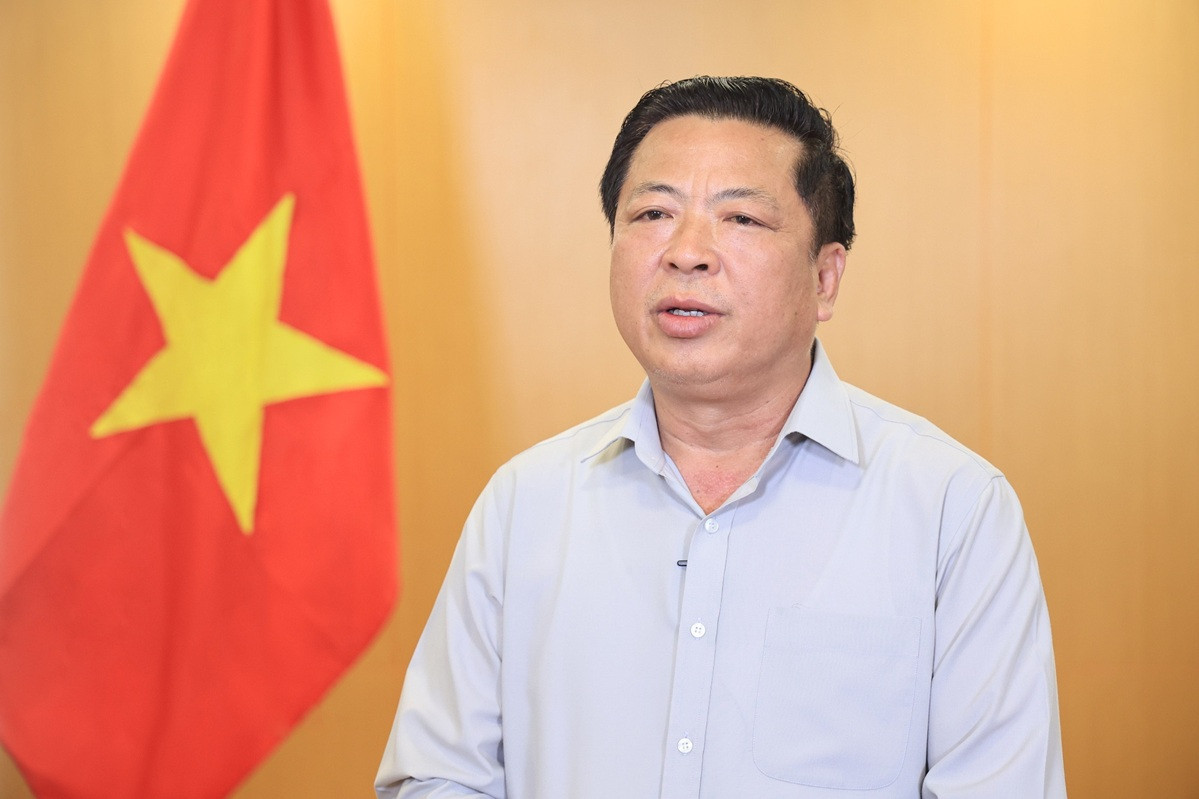
On the eve of a new term marked by strategic projects, Minister of Construction Tran Hong Minh spoke with VietNamNet about the foundations, expectations and long-term vision for Vietnam’s key national transport infrastructure system.
A foundation built on 3,000km of expressways
2025 marked a significant achievement for the construction and infrastructure sector with the completion of 3,000km of expressways. How does this result form the basis for the next stage?
The 13th National Party Congress set a target of approximately 5,000km of expressways nationwide by 2030. To realize this goal, the National Assembly and the Government established a specific roadmap, requiring about 3,000km to be completed by 2025.
This was an extremely challenging task. Entering the 2021-2025 term, after more than 15 years of implementation, the country had only about 1,163km of expressways. That meant nearly 2,000km had to be completed within five years, averaging around 400km per year - five times the pace of the previous period.
Under the decisive direction of the Party, the State and the Government, the target was achieved. This result creates a solid foundation in three key aspects.
First, the capacity of infrastructure construction enterprises has improved significantly. Many domestic contractors have mastered new technologies, invested in modern equipment, and built an increasingly professional workforce of engineers and workers.
Second, the implementation capacity of state management agencies has been strengthened, particularly in land clearance, relocation of technical infrastructure and securing material supply. Coordination between central and local authorities has become closer and more effective.
Third, practical implementation has served as a real test for institutional reform. Bottlenecks in planning, investment, construction and bidding have been addressed, helping to form a more synchronized and transparent legal framework for rapid and sustainable development.
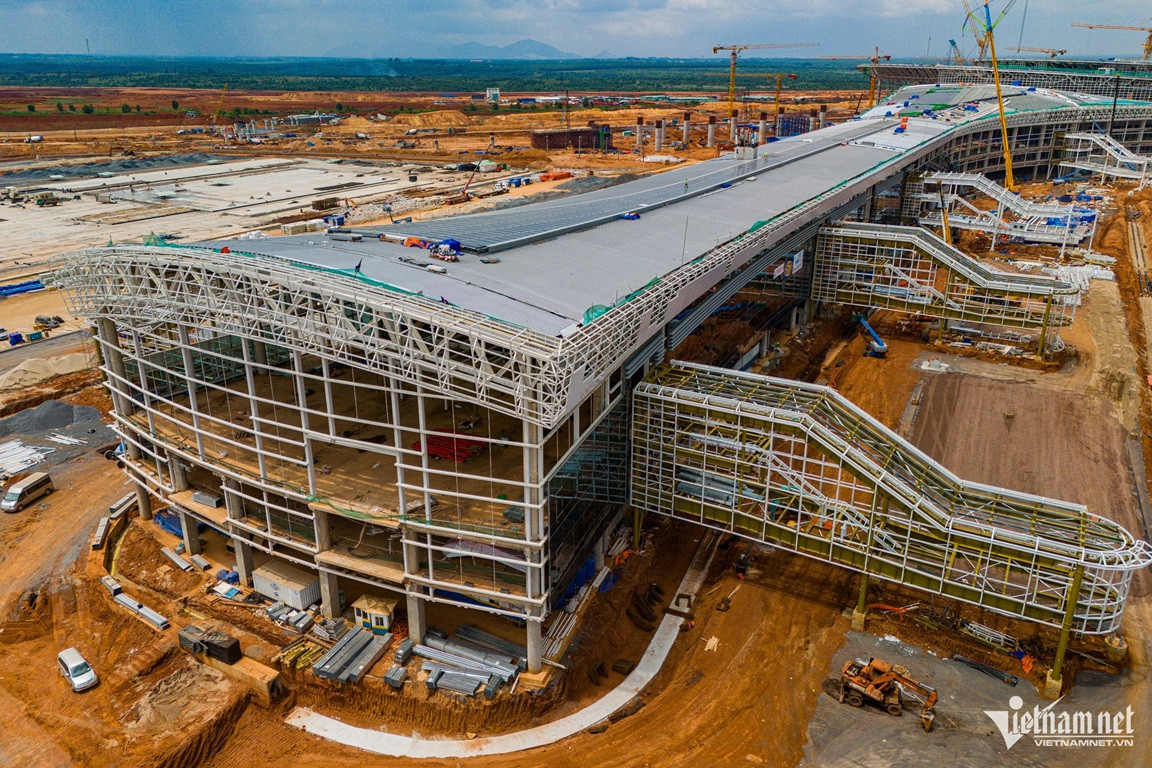
Major aviation projects such as Long Thanh International Airport, Gia Binh International Airport and Phu Quoc International Airport are entering crucial stages. What roles will they play in 2026?
In the context of rapidly growing travel and logistics demand, especially as Vietnam prepares to host APEC 2027, these projects carry special significance.
For Long Thanh airport, the consistent objective is to put it into operation in 2026, creating a breakthrough in infrastructure capacity and easing pressure on Tan Son Nhat. For Gia Binh airport, the focus is on completing essential components to serve high-level reception and diplomatic activities during APEC. Phu Quoc airport aims to be completed in 2027, laying the groundwork for the island to develop into an international tourism and service hub.
In the longer term, under the master plan for airport development for 2021-2030 with a vision to 2050, Vietnam is expected to have 31 airports by 2030 and 34 by 2050. The goal is for 100% of the population in lowland areas and 95% in mountainous areas to access an airport within a 100km radius.
Notably, the system will form two international transit aviation hubs: one in the Capital region, centered on Noi Bai and Gia Binh, and one in the Ho Chi Minh City region, centered on Tan Son Nhat and Long Thanh, enhancing regional connectivity and optimizing investment efficiency.
How will major railway projects such as the Lao Cai - Hanoi - Hai Phong line play a role in 2026?
The year 2026 will be pivotal in the investment preparation phase for the Lao Cai - Hanoi - Hai Phong railway. The Ministry will complete the feasibility study report, which will determine alignment, scale, technical standards, total investment and socio-economic efficiency.
In parallel, technical designs for certain priority components will be implemented, along with capital mobilization and other conditions necessary for construction.
Regarding the North - South high-speed railway, what are the Ministry’s goals and expectations for 2026 and the coming term?
The North - South high-speed railway is a strategic national project and among the largest-scale railway initiatives in the world. The Ministry has selected a leading consulting consortium from Spain, the country ranked second globally in high-speed rail development.
In 2026, the goal is to complete the selection of consultants to prepare the feasibility study. This will serve as the basis for determining the optimal alignment, station locations linked to urban development and administrative boundary adjustments, selecting appropriate technology, and building a feasible and sustainable investment roadmap.
Alongside road, aviation and rail infrastructure, seaports play a vital role in national logistics. Which major port projects will be prioritized in the coming period, and what are the Ministry’s objectives to enhance Vietnam’s port competitiveness?
Vietnam has formed two international gateway ports capable of receiving the world’s largest container vessels: Lach Huyen and Cai Mep - Thi Vai.
In the next phase, the Ministry will focus on completing these two port complexes, while prioritizing strategic projects such as Can Gio International Transshipment Port, Lien Chieu, Hon Khoai, Nam Do Son, Van Phong and Tran De. Step by step, this will create a large-scale seaport network capable of deeper integration into global logistics chains.
The focus will be on strengthening connectivity between seaports and railways and inland waterways, reforming administrative procedures, improving operational productivity and reducing logistics costs for the economy.
Minister, what role will infrastructure, particularly transport, play in achieving growth of over 10% per year in the new term?
International experience shows that a country aiming for rapid and sustainable development must rely on a synchronized and modern infrastructure system, in which transport plays an especially critical role. With a target of over 10% annual growth, infrastructure is not only a necessary condition but a decisive foundation for long-term competitiveness.
The Ministry of Construction is continuing to promote decentralization and delegation to local authorities, enhancing their initiative and mobilizing social resources for development.
Vu Diep
.svg)
