 Vietnamnet.vn

 Podcast



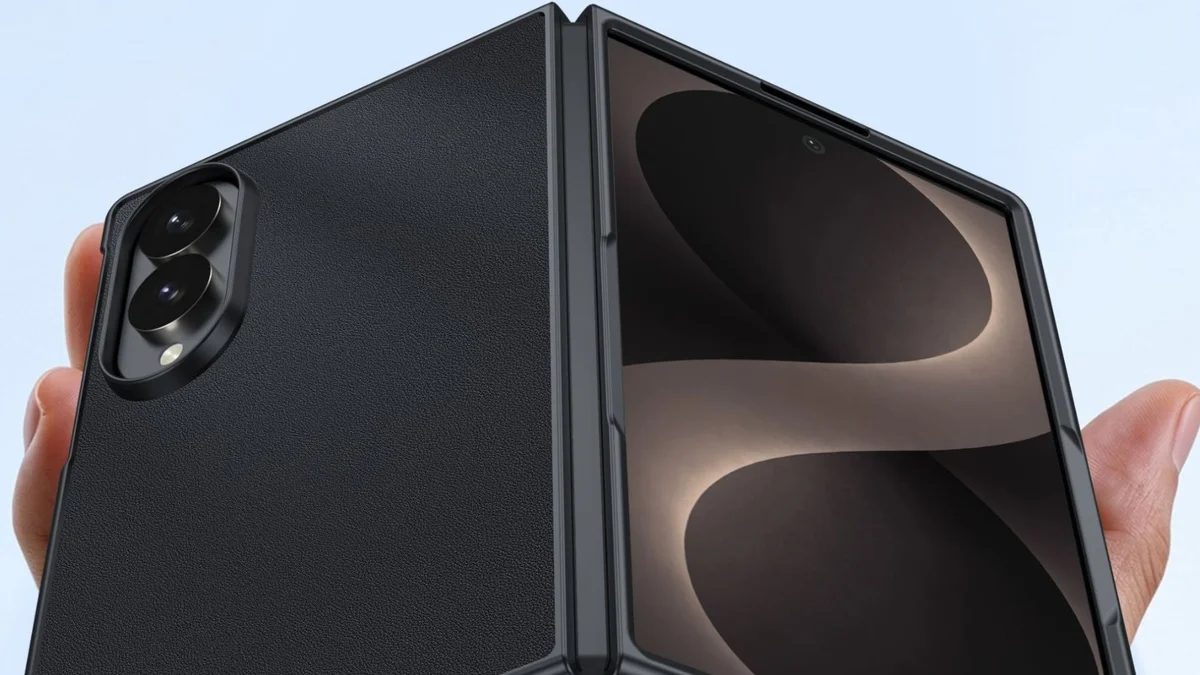
A newly leaked video is raising fresh questions about Samsung’s foldable smartphone strategy as the company is rumored to be preparing two book-style foldables this year: the Galaxy Z Fold 8 and a completely new model called the Galaxy Z Fold 8 Wide.
According to multiple reports, the South Korean tech giant is planning to launch both devices simultaneously.
However, the first leaked visuals suggest Samsung may be facing growing challenges as it tries to expand its foldable lineup too quickly.
Well-known leaker Ice Universe recently shared a video comparing protective cases for the Galaxy Z Fold 8 and Fold 8 Wide.
Although the footage only shows accessories, it still offers significant clues about the real-world designs of both devices and hints that Samsung may be making notable compromises to create a more “distinctive” Fold model.
Fold 8 Wide: A bold new design with major trade-offs?
The Galaxy Z Fold 8 Wide is emerging as one of Samsung’s most unpredictable products this year.
Many observers believe the device is intended to capitalize on the growing trend toward larger and wider smartphones, especially as Apple is rumored to be developing a future “iPhone Ultra” with a shorter and wider form factor.
Still, the leaked video has already disappointed some fans.
The Fold 8 Wide appears to adopt a “passport-style” layout when unfolded, meaning the internal display is significantly wider than the tall, narrow screens used in previous Fold generations.
The design would make the device feel more like a compact tablet rather than an elongated smartphone.
The most controversial detail, however, involves the camera system.
If current leaks prove accurate, the Fold 8 Wide may feature only two rear cameras instead of the triple-camera setup that has become standard on premium flagship devices.
That potential downgrade is already being viewed as a major compromise, especially for users willing to spend heavily on a high-end foldable phone.
Galaxy Z Fold 8 may barely change at all
Alongside the Wide model, the leaked video also revealed the protective case for the standard Galaxy Z Fold 8.
Notably, the case appears to fit the Galaxy Z Fold 7 almost perfectly, suggesting Samsung may leave the Fold 8’s overall design largely unchanged.
If true, the company could once again face criticism for relying on incremental upgrades.
Over the past few years, Samsung’s Fold lineup has improved significantly in areas such as thickness, weight and hinge durability, but the overall design language has remained remarkably similar.
For many mainstream consumers, the visual differences between the Fold 7 and Fold 8 may be nearly impossible to notice at first glance.
Does a wider Fold actually make sense?
Even so, the concept of a wider Fold is not entirely without merit.
The tall and narrow form factor used in current Fold devices has long sparked debate among users.
The outer display on Samsung’s Fold phones is often criticized for being awkward to operate with one hand. Reaching the top of the screen can feel uncomfortable, while the narrow keyboard layout sometimes makes typing less convenient.
A wider device could solve some of those issues by delivering a more natural smartphone experience.
In addition, a shorter and wider shape may make the phone feel less cumbersome when carried in a pocket or used throughout the day.
However, the trade-off is that users may need to stretch their hands further to grip the device securely, which remains a challenge for large foldable phones.
Rather than completely redesigning the standard Galaxy Z Fold 8, Samsung appears to be introducing a separate variant aimed specifically at users who prefer wider displays.
The strategy allows the company to preserve the familiar Fold design for existing customers while experimenting with a new form factor without fully committing to it.
In recent years, Samsung has continuously explored new foldable concepts ranging from rollable displays to multi-fold designs.
The Fold 8 Wide may simply represent the next step in that broader experimentation.
Current rumors suggest the device could feature a 4:3 aspect ratio when unfolded.
The outer display is expected to measure 5.4 inches, while the main inner display could reach 7.6 inches, creating an experience that feels closer to a compact tablet than a conventional smartphone.
Although it remains far too early to judge whether the device will succeed or fail, the latest leak highlights the difficult balancing act Samsung now faces: how to keep innovating in foldable phones without sacrificing cameras, usability or meaningful generational upgrades.
Hai Phong
.svg)
