 Vietnamnet.vn

 Podcast



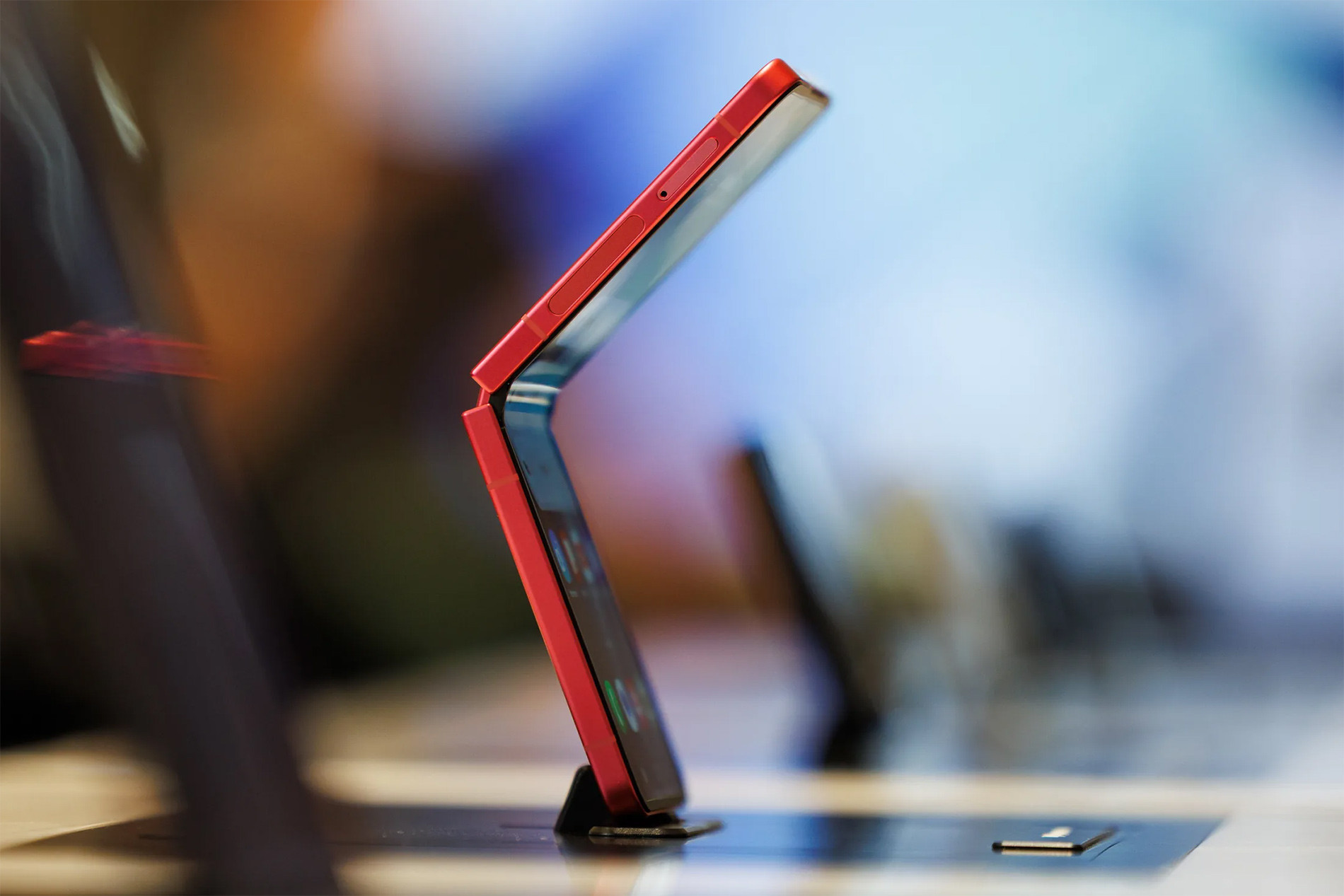
The latest leaks suggest that Samsung’s upcoming clamshell-style foldable could retain a battery capacity similar to the current model rather than introducing a significant improvement in endurance.
In recent years, Samsung’s “Razr-style” foldable lineup has been praised for its compact and stylish design. However, battery life remains one of the aspects where users continue to expect improvements. If the latest reports prove accurate, the next Z Flip generation may focus on other upgrades instead of increasing battery capacity.
Battery likely to remain similar to previous generation
According to the technology blog GalaxyClub, two battery models - EB-BF776 and EB-BF777 - are expected to power the Galaxy Z Flip 8. Combined, these batteries provide a total rated capacity of about 4,174 mAh.
This figure is notable because it is nearly identical to the battery capacity of the Galaxy Z Flip 7. In other words, if the leaks are accurate, Samsung may keep the same battery configuration for the new generation.
The capacity is also close to the typical marketed battery specification of around 4,300 mAh for the Z Flip series. That means users may not see a major leap in battery endurance with the upcoming device.
While Samsung appears to be maintaining the same battery setup for its clamshell foldable line, several other Android manufacturers have begun adopting silicon-carbon battery technology, which allows higher energy density without increasing battery size.
Thanks to this technology, some recent smartphones are able to offer significantly larger battery capacities while maintaining slim and lightweight designs. However, the Z Flip lineup seems to continue using the traditional lithium-ion battery structure.
In fact, the battery capacity of the Z Flip remains about 100 mAh smaller than Samsung’s book-style foldable device, the Galaxy Z Fold 7. This partly reflects the limited internal space of the clamshell foldable design, where components must fit into two compact halves of the device.
Despite the lack of a major battery breakthrough, the previous generation of the device received generally positive reviews. Early evaluations praised the Galaxy Z Flip 7 for its useful outer display, solid performance and battery life that typically lasts through a full day of use.
Technology reviewer Adam Doud of Mashable noted that the device is not designed to last for multiple days without charging. However, by making full use of the outer display, users can significantly reduce power consumption and extend battery life.
The external display allows quick tasks such as checking notifications, replying to short messages or controlling music playback without opening the phone. This reduces the need to activate the main screen, which is the most power-hungry component.
Upgrades may appear elsewhere
If the battery capacity remains unchanged, Samsung may instead focus on improving other aspects of the Galaxy Z Flip 8, such as performance, camera capabilities, AI-driven software features or the durability of the hinge and folding display.
As the foldable smartphone market becomes increasingly competitive, manufacturers are trying to balance slim design with longer battery life. With the Z Flip series, Samsung appears to prioritize style and portability over extremely large battery capacity.
Nevertheless, if silicon-carbon battery technology continues gaining traction across the smartphone industry, many analysts believe Samsung may eventually adopt it in future Z Flip generations to significantly improve battery endurance - an upgrade that foldable phone users have been hoping to see for years.
Hai Phong
.svg)
