 Vietnamnet.vn

 Podcast



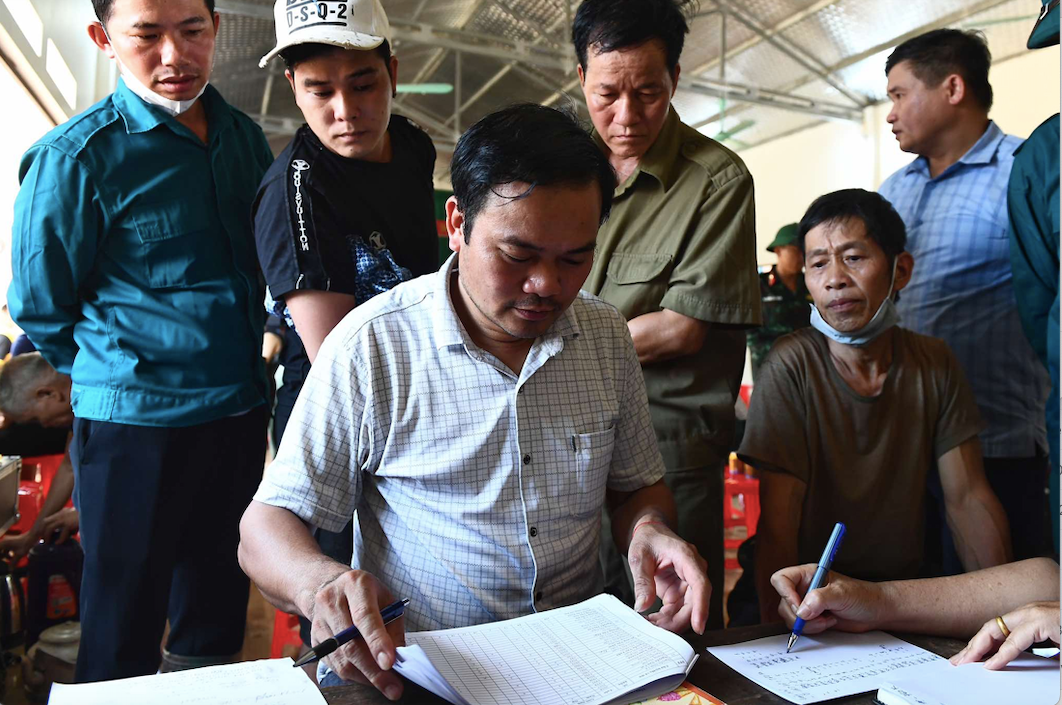
Local authorities have now developed detailed proposals and begun gathering public feedback before implementation.
According to the Ministry of Home Affairs, Vietnam currently has around 90,508 villages and residential clusters, including 69,580 villages and 20,928 residential clusters. Many of these units do not meet existing criteria regarding the number of households.
Following the restructuring, the total number of villages and residential clusters nationwide is expected to be reduced to roughly two-thirds of the current figure.
Regarding policies for village heads and residential cluster leaders whose positions become redundant after mergers, Thanh said existing regulations already provide mechanisms to address non-specialized personnel at the grassroots level.
Specifically, Government Decree No. 185 establishes a lump-sum allowance mechanism for part-time grassroots officials. Based on this framework, provincial People's Committees and People's Councils will determine appropriate allowance levels according to local budget conditions for positions including village heads, deputy village heads and residential cluster leaders.
Continuing efforts to streamline public administration
Also speaking at the press briefing, Tran Thi Thai, Deputy Chief of the Ministry's Office, said the ministry will continue focusing in the third quarter on improving the legal and policy framework needed to support the operation of Vietnam's two-tier local government model.
The Ministry of Home Affairs will also finalize several key legislative projects related to labor, social insurance, occupational safety and health, and Vietnamese workers employed overseas under contract.
In addition, the ministry will continue advising on organizational restructuring and streamlining within ministries, sectors and local authorities, while accelerating reforms of public service units, state-owned enterprises and payroll reduction efforts.
The ministry will also focus on resolving difficulties arising during the implementation of the two-tier local government model, reviewing decentralization regulations and completing job-position frameworks linked to improving the quality of civil servants and public employees.
Vu Diep
.svg)
