 Vietnamnet.vn

 Podcast



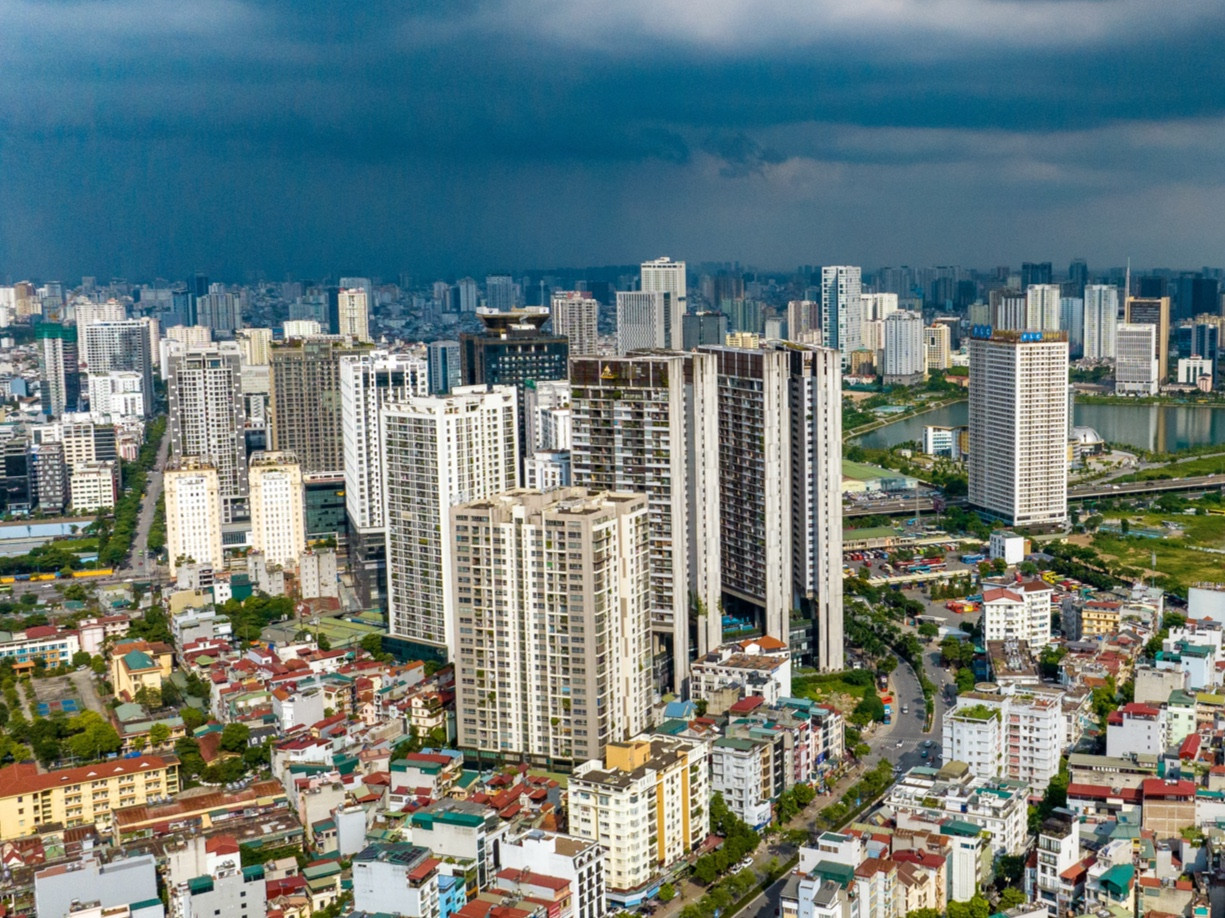
A survey at several high-end real estate projects in areas such as Tay Ho, Cau Giay, Trung Hoa Nhan Chinh and My Dinh in Hanoi found a lot of apartments advertised for rent at VND30–50 million per month that remain unrented for long periods. Some owners have had to cut asking rents by 20–30 percent compared with the pre-Covid period.
The initial investment value of these apartments ranges from VND7–15 billion, making rental yields increasingly unattractive.
Previously, this segment was largely filled by foreign specialists and senior managers from multinational corporations. Today, that tenant pool has shrunk significantly. As a result, large apartments with lavish interiors, designed for affluent tenants, have become increasingly out of place in the market.
Thao, an apartment owner in Trung Hoa Nhan Chinh, said that before the pandemic, her 150 sqm apartment was rented to a foreign customer for VND40 million per month. Now, even after cutting the rent to VND30 million per month, she has still been unable to find a tenant. Over the past year, she has lost hundreds of millions of dong in rental income.
In the villa segment, in Tay Ho, fully furnished villas are offered for rent at VND45–120 million per month, and even more than VND200 million per month for large, detached units.
Meanwhile, in Ha Dong or Nam An Khanh, some townhouses are advertised for rent at VND15–25 million per month for office use or residential purposes. Unfinished units or those in areas with weaker infrastructure are offered at around VND8–12 million per month. The biggest constraints are incomplete infrastructure and amenities, long distances from the city center, and a lack of essential services for high-end tenants.
Luxury rentals lose momentum
Nguyen Manh Cuong, a real estate financial consultant, noted that while selling prices of high-end apartments and villas continue to set new highs, the rental market has fallen into a slump.
The main reason is a sharp decline in high-income foreign tenants, who were typically executives and technical experts at multinational corporations, willing to pay a premium for upscale living spaces.
After the pandemic, many companies optimized costs by hiring local staff or adopting remote work models. The remaining foreign experts have also tended to spend more cautiously.
Domestic tenants with strong financial capacity, such as business owners, celebrities and senior Vietnamese executives, are also tightening their budgets. Paying VND30–50 million per month to rent an apartment is no longer an optimal choice when serviced apartments or existing family-owned properties are available alternatives.
As a result, the supply of high-end rental properties has surged, intensifying competition among landlords themselves. For a property with an expected rent of about VND50 million per month, just one year of vacancy means a loss of VND600 million in revenue, not including maintenance costs and bank interest.
For luxury villa projects, owners often have to spend an additional VND2–3 billion on interior finishing to make the property rentable. In the context of falling demand, many such assets have remained vacant for years.
According to Cuong, the high-end rental segment is entering a period of consolidation. The challenge is no longer about owning expensive assets, but about meeting real market demand, choosing the right locations, and controlling investment costs effectively.
Facing the risk of losing cash flow entirely, many owners in western urban areas have accepted a compromise, converting villas into warehouses, small workshops, or temporary offices for delivery companies. Although warehouse rents are far below the true value of these properties, this is seen as a stopgap solution to ensure someone looks after the house and helps offset monthly expenses.
Duy Anh
.svg)
