 Vietnamnet.vn

 Podcast



Some experts believe that most wells on Ly Son are influenced by both inland and coastal seepage, causing widespread salinity. In contrast, Xo La is fed solely by inland groundwater, preserving its freshwater quality year-round.
Linh Trang
Like many islands, Ly Son faces freshwater scarcity. In the past, locals relied primarily on rainwater and wells for daily use and agriculture.
According to statistics, there are over 2,000 wells on the island, but more than half have become saline and are now used mainly for farming.
The remainder offer fresh water, but most dry up or become brackish during the dry season.
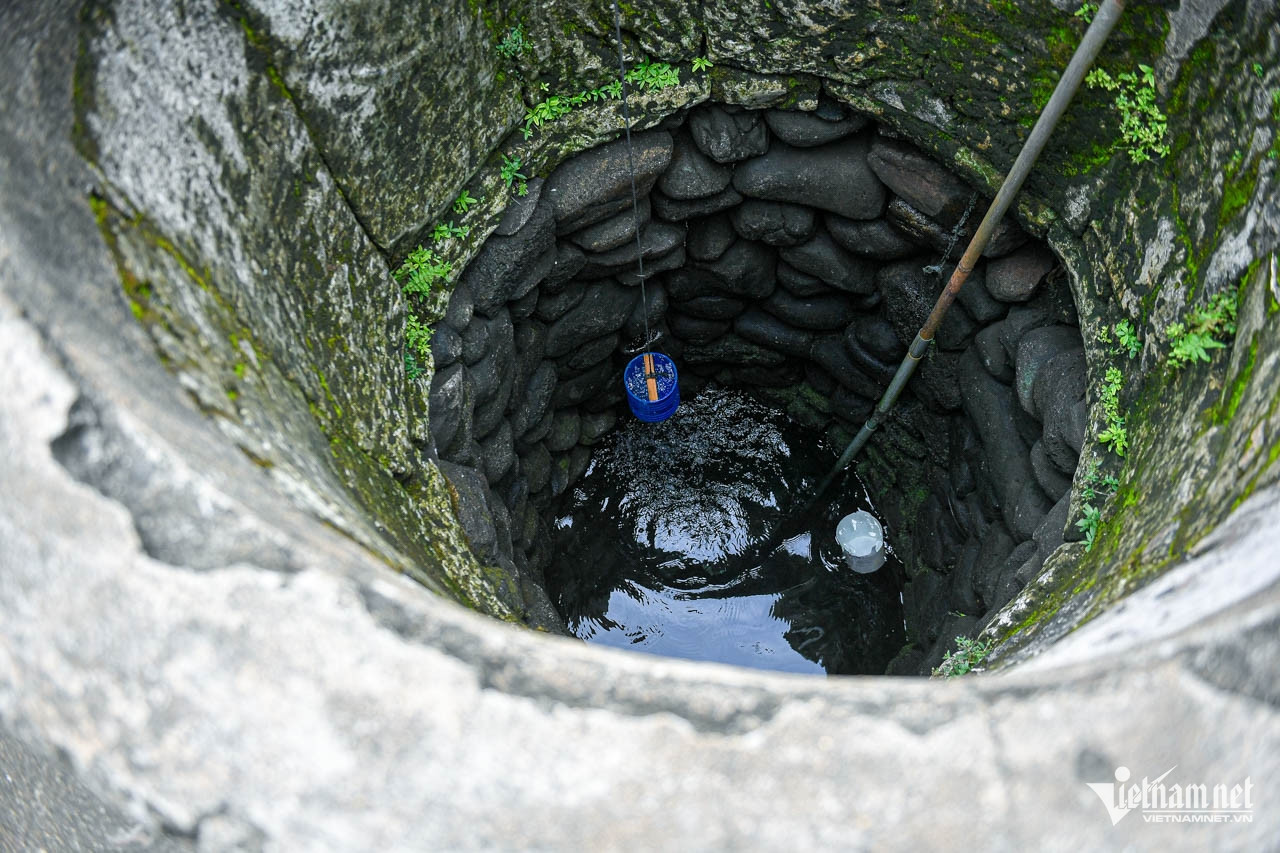
One well, however, defies all odds. This ancient well has never run dry or turned salty, even during prolonged droughts.
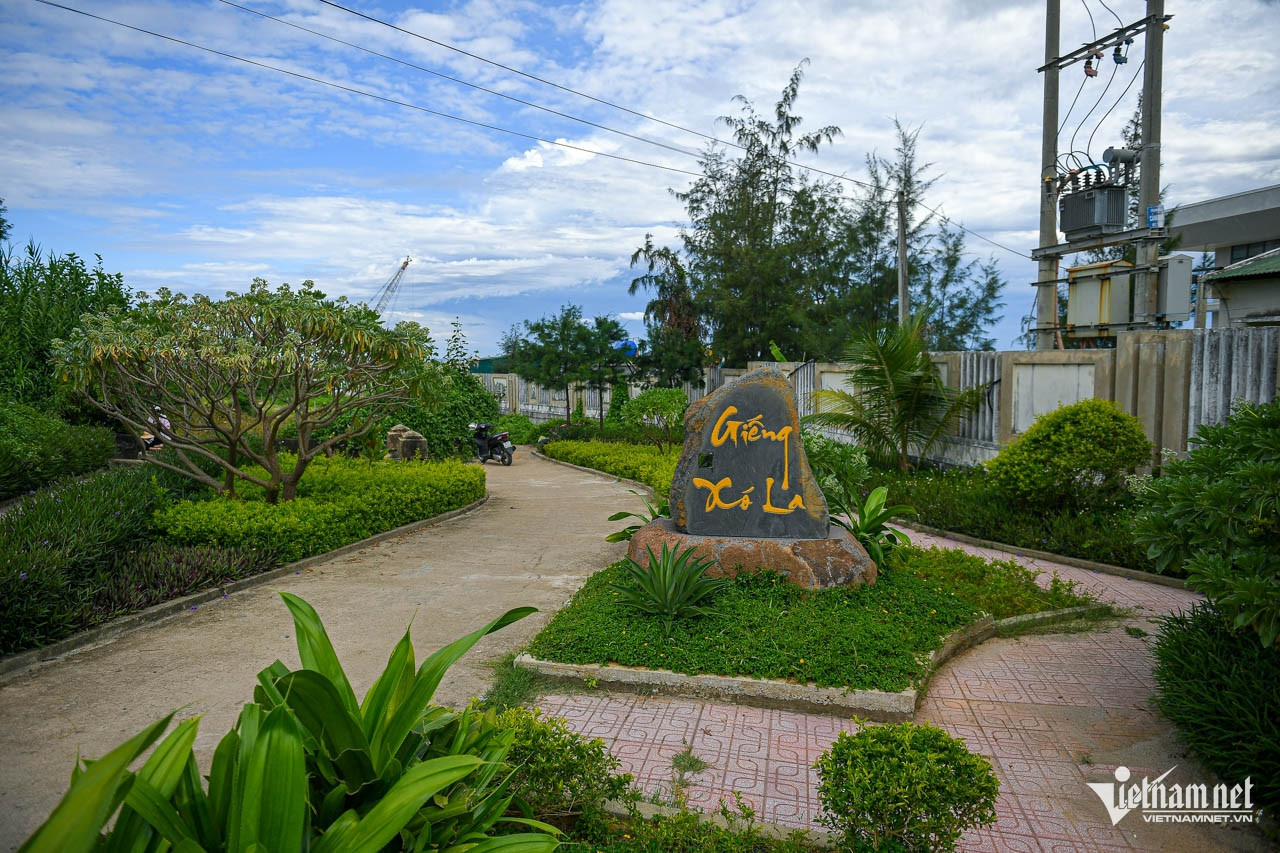
At times, it served as the main freshwater source for over half the island’s population. Known as Xo La Well - also referred to as the "King’s Well" or Gia Long Well - it has provided for generations.
“I’ve been collecting water from Xo La since I was 10. Now I’m 63, and the water is still as cool and clear as ever,” shared Ms. Hong, a resident of Tay An Hai Hamlet.
“I remember one dry season when every other well dried up. People from all over the island came here, queuing from midnight to dawn. The water level nearly reached the bottom, but the well never turned murky,” she recalled.
“Even now, with Thoi Loi Reservoir and rural water supply projects in place, many residents still come to Xo La for cooking, making jelly desserts, or brewing tea,” she added.

Located right next to Ben Dinh Port - where ferries arrive from the mainland - Xo La Well is nestled between the sea and the base of Mount Vung.
Nearby are monuments and the Hoang Sa Flotilla Museum.
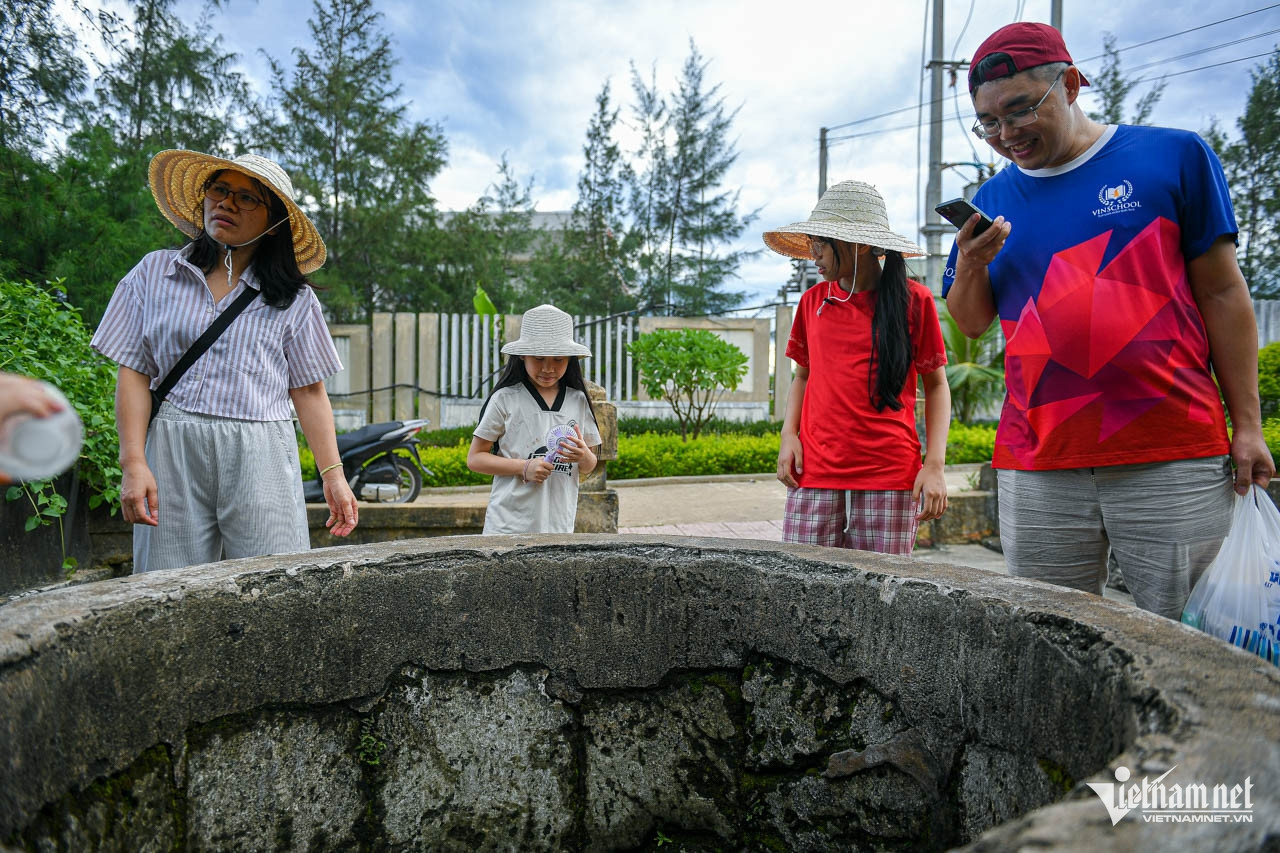
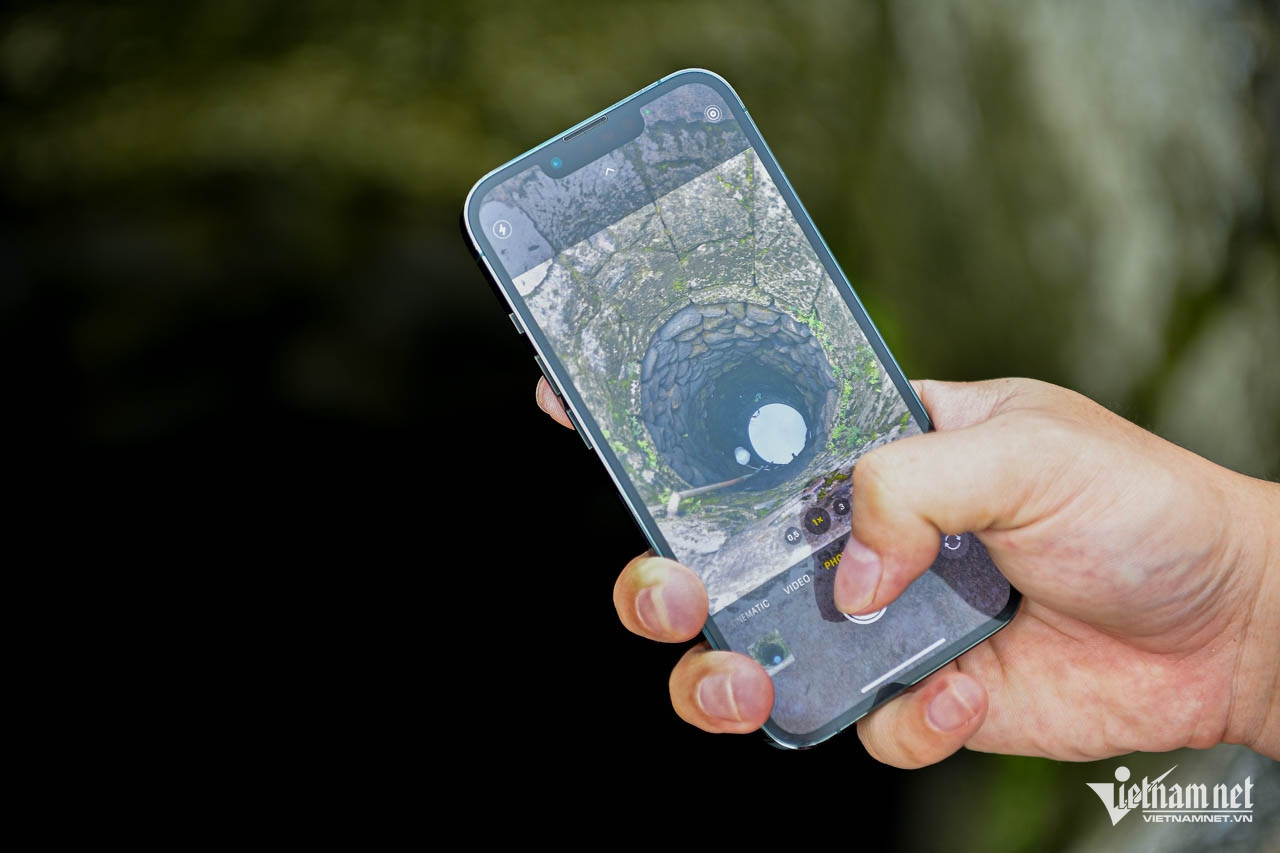
As a result, the well has become a popular stop for curious tourists exploring the island. Many visitors draw water with a scoop to wash their hands or sample the island’s famed fresh water.
 |
 |
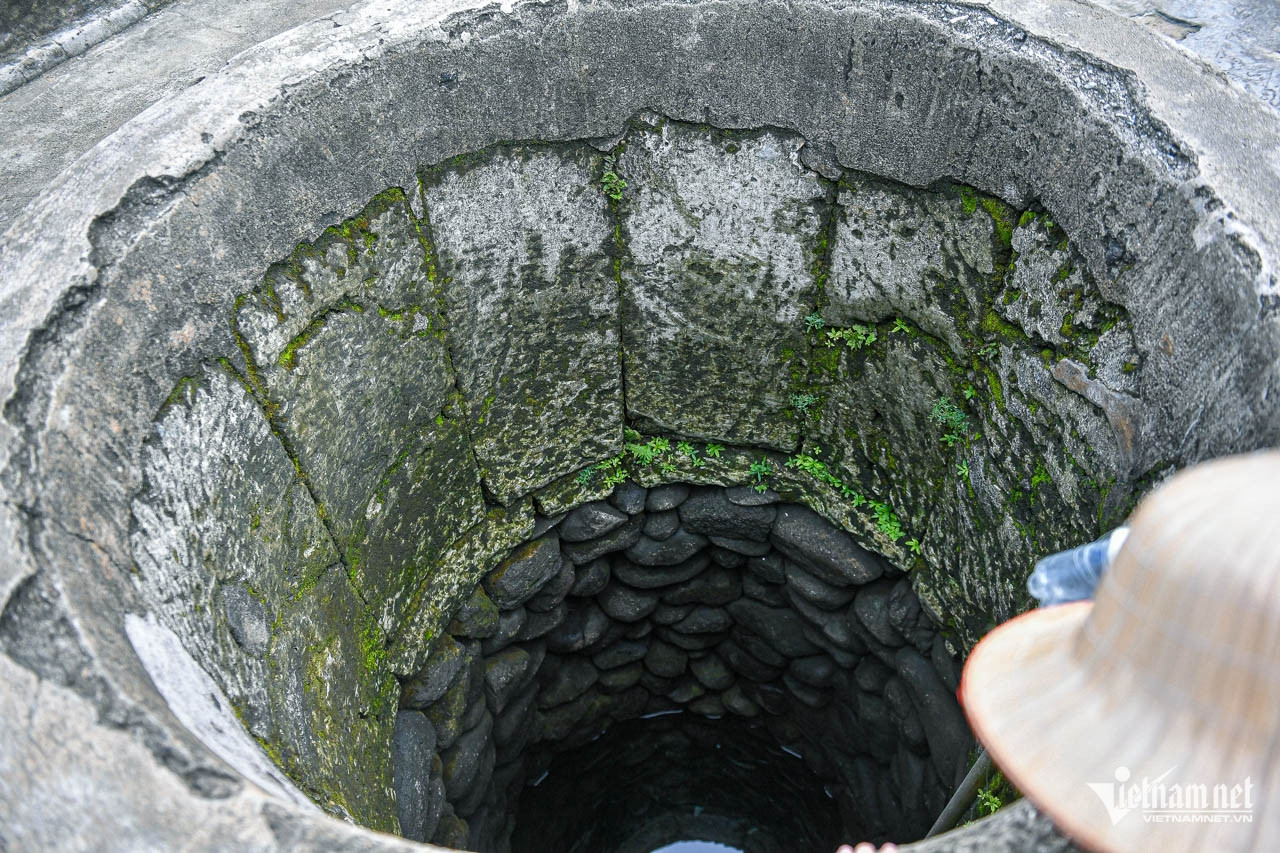
The circular well measures nearly 2 meters in diameter. Its upper wall is constructed with laterite, while the lower section - about 3.5 meters deep - is meticulously built with volcanic stones. These stones are evenly spaced to allow water to filter in naturally.
No one knows exactly what “Xo La” means or when the name originated, but based on the well’s advanced stonework, many scholars believe it predates the 15th century and was likely built by the Cham people who once inhabited the island.
Experts note that the Cham were skilled in locating underground water sources and digging wells, using the water themselves or selling it to passing ships. When Vietnamese settlers arrived, they continued using and preserving these wells.
Xo La shares many similarities in structure, material, and design with other Cham wells still in use or recently discovered across central Vietnam and in islands like Cu Lao Cham and Cu Lao Re.
Local residents often share a legendary tale tied to the well’s origins. According to oral tradition, Emperor Gia Long of the Nguyen Dynasty visited Ly Son during a drought.
He ordered officials to hold a rain ritual, but the skies remained dry. One night, the emperor dreamed of a spot where a well should be dug.
The next day, he ordered his men to dig at the site from the dream. After digging about five fathoms deep, a freshwater spring gushed forth - pure, cool, and sweet.
The well was then named “King’s Well” or Gia Long Well in honor of the emperor’s divine vision.
However, no historical documents confirm that Gia Long ever visited Ly Son.
.svg)
