 Vietnamnet.vn

 Podcast



At the recent workshop on locating and verifying the positions of mass graves containing soldiers who died during the 1968 Tet Offensive, Colonel Nguyen Van Tau, better known by his wartime alias Tu Cang and former commander of the Heroic H63 Intelligence Unit, shared memories of the courage, sacrifice and intelligence work that helped shape the course of the war.
“During the period of the 1968 Tet Offensive, I was assigned to remain inside Saigon and closely monitor developments hour by hour and minute by minute, reporting information to higher command in a timely manner,” Tu Cang recalled.
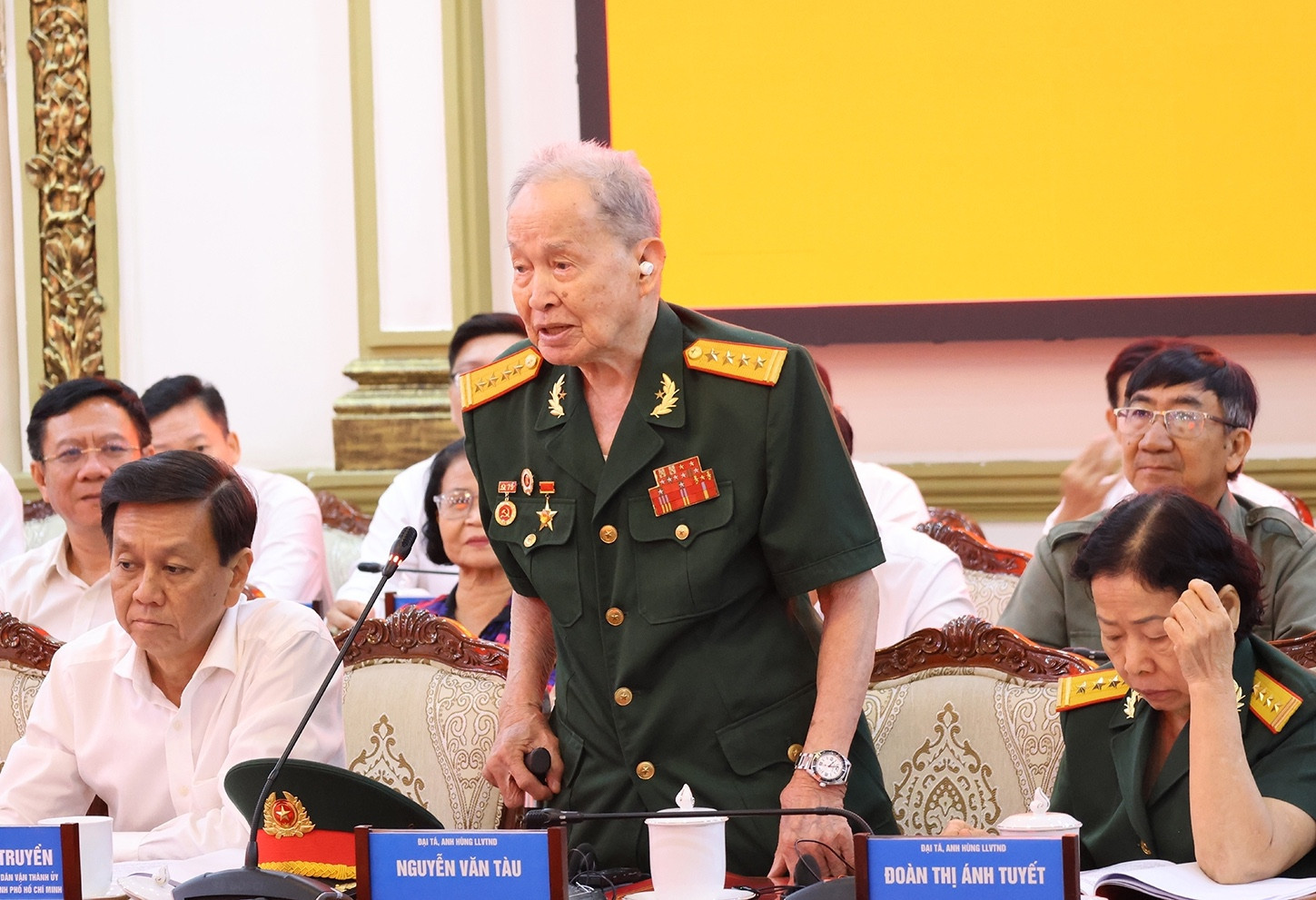
Remembering the first phase of the offensive, which began on the night of January 30 and early morning of January 31, 1968, he spoke in detail about the special commando attack on the US Embassy in Saigon.
According to Tu Cang, the US Embassy was not initially included among the targets in Saigon. It was the late Prime Minister Vo Van Kiet, then Secretary of the Saigon-Gia Dinh Party Committee, who noticed the omission and bluntly stated: “If the US Embassy is not attacked, it will be as if the Saigon commandos did not participate in the Tet campaign.”
An urgent order was immediately sent to Long Nguyen in present-day Binh Duong Province, where the Saigon-Gia Dinh Commando Command was based, requiring the rapid formation of an elite unit. Commando Team No. 11 was subsequently established.
“Before departure, the commanding officers showed the soldiers the film Noi Gio and then told them frankly: ‘Tonight we are going into a battle knowing there is a way in but no way back. Anyone willing to volunteer, raise your hand.’ Every hand went up. Fifteen of the best soldiers were selected. In fact, two female liaison and medical personnel insisted on joining. When commanders refused because of the extreme danger, they broke down in tears, threatened to set themselves on fire and even loaded their weapons to demonstrate their determination. Their families had been massacred by the enemy,” Tu Cang said.
Eventually, the request was approved. When the unit moved out, it consisted of 17 members under the command of Ngo Thanh Van, known as Ba Den. The team fought bravely, breached the embassy compound, occupied the ground floor through the third floor, captured several enemy soldiers and seized weapons.
Despite fierce counterattacks from multiple enemy forces sent to reinforce the embassy, the commandos held their position. Facing overwhelming odds, they remained steadfast and fulfilled their mission. Sixteen soldiers were killed in action, while team leader Ba Den was wounded, lost consciousness and was captured.
Today, a memorial plaque at the US Embassy site in Ho Chi Minh City bears the names of all 17 participants in the operation.
Tu Cang believes the attack created shockwaves around the world. Prior to Tet 1968, at the Honolulu Conference, US President Lyndon B. Johnson and South Vietnamese President Nguyen Van Thieu had publicly declared that communist forces had been weakened and pushed back into remote areas.
However, images of American soldiers being killed inside the grounds of the US Embassy were broadcast by Western media outlets directly into American homes, fueling widespread anti-war protests demanding troop withdrawals.
On March 31, 1968, President Johnson announced a partial halt to bombing operations north of the 20th parallel, agreed to peace negotiations in Paris and declared he would not seek another presidential term.
The intelligence message that influenced the second offensive
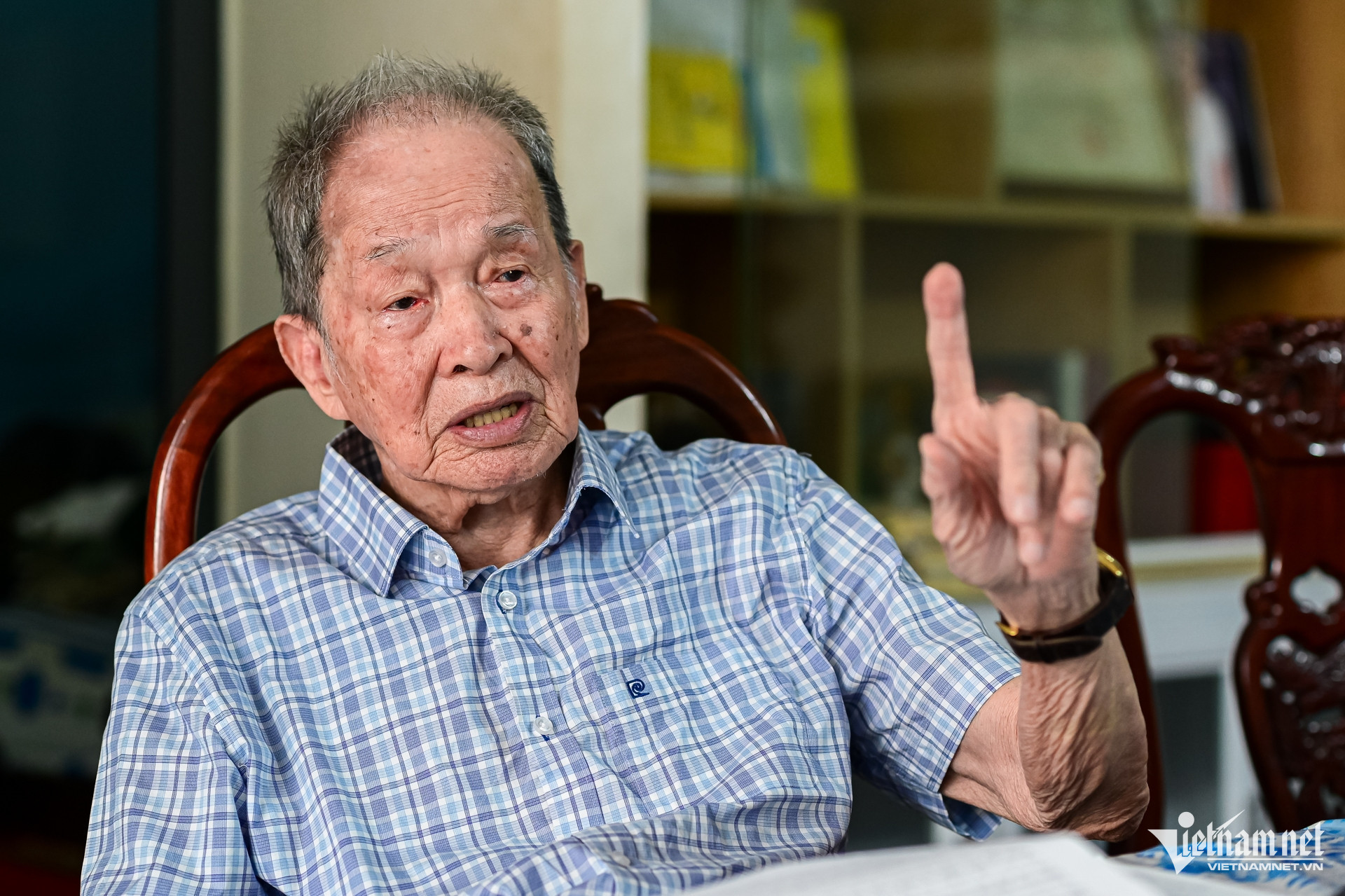
Before the second phase of the Tet Offensive began on May 4, 1968, the intelligence network obtained highly classified information from within enemy ranks.
According to Tu Cang, US assessments at the time concluded that if Vietnamese forces launched a second offensive, Washington would have little choice but to negotiate a withdrawal.
He immediately transmitted the intelligence to senior command, recommending that the offensive proceed as planned. The message was later praised by the Party leadership and helped strengthen determination for the second phase of operations.
“Despite brutal torture in enemy prisons, not a single intelligence officer revealed information about comrades. It was that absolute loyalty that preserved the entire H63 network and ensured strategic intelligence continued reaching the leadership during the most difficult years of the war,” he said.
The subsequent fighting inside Saigon proved extremely fierce. Tu Cang recalled that Regiment 31, commanded by Vo Van Dieu, known as Hai Hoang, advanced from Go Vap and fought to the last soldier.
As soon as the offensive began, the United States sought diplomatic channels through third countries to open negotiations. President Johnson removed General William Westmoreland as commander of US forces in South Vietnam and appointed General Creighton Abrams as his replacement.
The success of the two Tet Offensive campaigns forced the United States to acknowledge the failure of its strategy of limited war, accept negotiations and begin transitioning to the policy later known as Vietnamization.
Tu Cang believes the 1968 Tet Offensive created a decisive turning point that opened new opportunities for subsequent campaigns, though at the cost of tremendous sacrifices by military personnel and cadres.
“When I saw my comrades fall, the pain was unbearable. Those of us who survived made a promise to keep fighting. There were missions where 15 soldiers set out, yet seven or eight never returned, while others were captured,” he said quietly.
An unfinished mission after peace
More than half a century later, the pain remains.
Speaking with VietNamNet after the workshop, Tu Cang became emotional when discussing plans to excavate a mass grave believed to contain the remains of approximately 900 fallen soldiers beneath Le Thi Rieng Park, formerly the Chi Hoa - Cho Quan Cemetery.
“Back then, enemy forces used excavators to dig long trenches, burying the bodies of our soldiers before covering them over. After nearly 60 years underground, many remains may no longer be intact, making identification extremely difficult,” he said.
The veteran intelligence officer acknowledged that the effort would require a long and complex process involving archaeological excavation, forensic analysis and DNA testing. Nevertheless, he expressed confidence that current efforts, supported by the Party and State, are both necessary and deeply humanitarian.
He recalled remarks made at the workshop by Deputy Prime Minister Pham Thi Thanh Tra, who called on the entire nation to demonstrate the same determination shown during wartime campaigns in order to bring fallen heroes home to rest in their homeland.
According to Tu Cang, that aspiration is shared by surviving veterans as well as the families of those who never returned.
Regarding the historical accounts provided by Tu Cang, Ho Chi Minh City Chairman Nguyen Van Duoc said testimony from living witnesses offers younger generations a deeper and more comprehensive understanding of the circumstances and events surrounding the 1968 Tet Offensive.
Their memories not only help reconstruct the battles of that period but also highlight the resilience, courage and sacrifice of those who came before.
Building on those values, Nguyen Van Duoc reaffirmed the city’s commitment to verifying information, locating remains and repatriating fallen soldiers who still lie in former battlefields.
Phuoc Sang
.svg)
