 Vietnamnet.vn

 Podcast



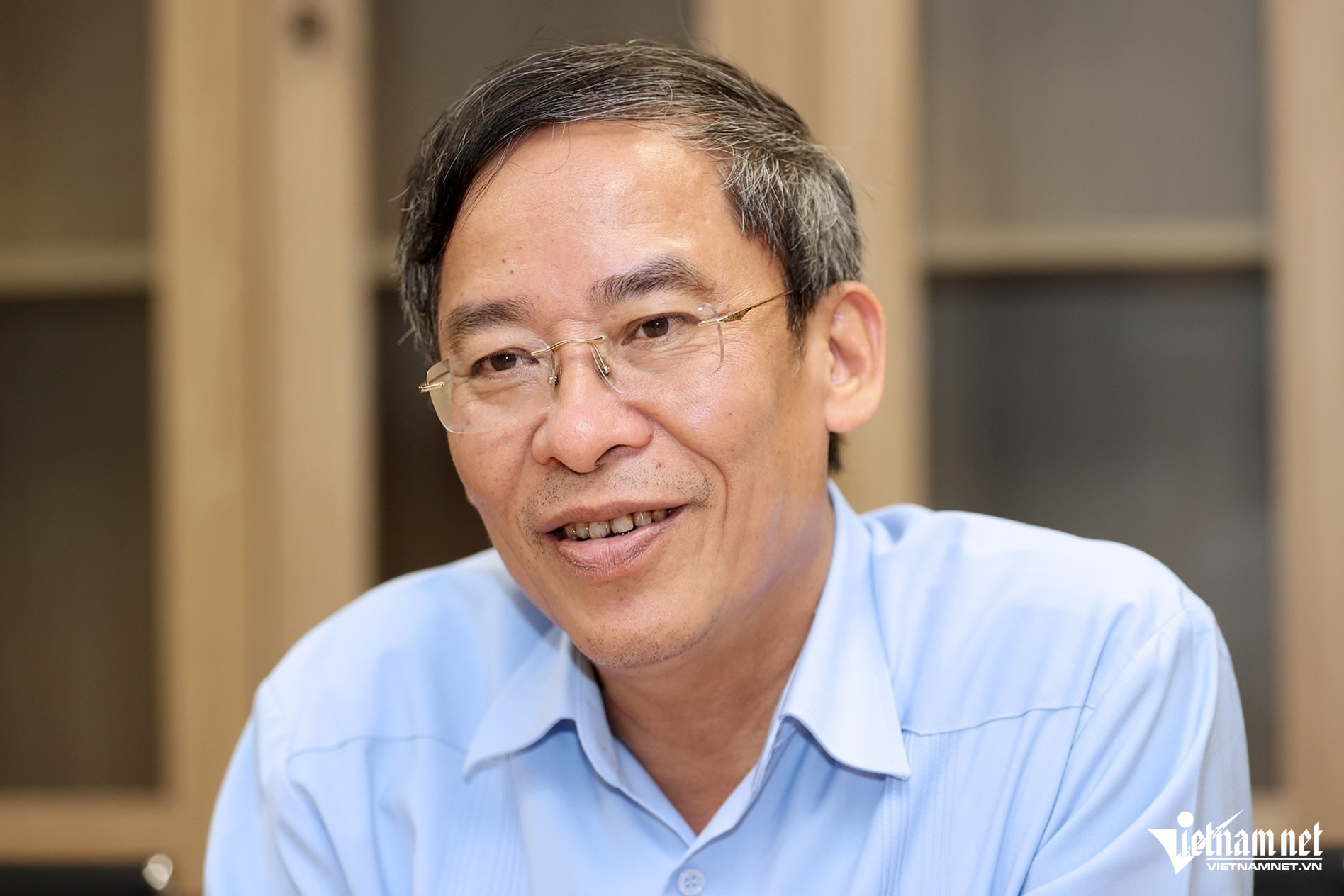
Vu Minh Duc, director of the Department of Teachers and Education Managers under the Ministry of Education and Training, said the ministry is studying a new regulation on standards and procedures for appointing and dismissing professors and associate professors. Universities will bear full responsibility for the selection and appointment process.
In previous years, the recognition of professor and associate professor standards went through three levels. Universities set up grassroots councils to review, evaluate, and select qualified candidates, then proposed them to sector/inter-sector councils for appraisal. After passing the sector council appraisal, the list of individuals was submitted to the State Council of Professors for review and recognition as meeting professor or associate professor standards.
According to Duc, the centerpiece of the proposed reform is to change the selection model to a modern approach. Instead of the previous process, MOET plans to strongly decentralize while tying it to accountability, emphasizing the role of heads of higher education institutions.
The ministry will issue criteria and standards focusing on three competency groups of candidates: teaching capacity, scientific reputation, and the ability to attract resources for research activities.
Based on that, higher education institutions will have the right to detail professor and associate professor standards to closely match actual conditions and the strategic development orientation of the unit.
“Internal regulations must suit the specifics of the field, and training discipline and must not be lower than the Ministry’s common regulations,” Duc said.
Higher education institutions will establish their own selection councils, organize reviews, and directly issue decisions to appoint professor and associate professor titles based on actual job position needs at the unit.
“MOET will not intervene deeply in professional evaluation or directly approve and recheck each application from schools. Instead, it will play a supervisory role over the appointment process to check accuracy, transparency, and the school’s compliance with legal regulations, and resolve complaints or reports if any,” Duc said.
MOET plans to set out several foundational, strategic principles to shape the entire professor and associate professor appointment process.
First, tightly link practice with job positions. Appointments must be based on actual usage needs and specific job positions of each discipline and major at the institution. This helps shift strongly from an honorary, lifetime-value model to an appointment method tied to responsibility and work effectiveness.
Second, equal competition and non-discrimination. Candidates will be evaluated under a public quantitative criteria system, ensuring fairness between those inside and outside the institution.
Third, autonomy coupled with supervision and digital transformation. Accordingly, institutional autonomy will be maximized but must go hand in hand with accountability. The management process is expected to be fully digitized to increase transparency, emphasize the responsibility of the head, and strengthen inspection and violation handling.
International standards and accountability
According to Duc, the new direction aims to improve the competitiveness of Vietnamese higher education through a system of standards approaching international levels. Accordingly, candidates must have reputable international publications in Scopus or WoS indexes.
A professional English language standard is also expected to be applied to candidates. Candidates will present a summary in English on academic achievements, outstanding training results, and research orientation before the Council.
The appointment council will evaluate candidates based on three groups of criteria: professional capacity and scientific reputation; pedagogical capacity, teaching methods, and skills in presenting scientific issues; academic integrity and the ability to explain through critical thinking and situational handling skills when responding to Council questions.
The new regulation will also make scientific integrity an independent, direct item with strict sanctions. Acts of academic fraud, plagiarism, buying and selling papers, profiteering in international publications, or dishonest declarations will be strictly handled.
Candidates in violation will have results canceled, decisions revoked, and face bans from applying for appointment for three to five years, or even permanently, for serious violations. In addition, heads of higher education institutions and members of the institutional appointment council must bear personal responsibility in terms of honor and law for each vote and professional decision they make.
“These reform orientations and proposals are being carefully studied with the expectation of creating a legal corridor that is transparent, autonomous, honest, and strict,” Duc said.
Le Huyen
.svg)
