 Vietnamnet.vn

 Podcast



Vietnamese provinces and cities may provide financial or in-kind support to women who give birth or have two children, pregnant women and children under three as part of efforts to encourage childbirth and reduce the gender imbalance at birth.
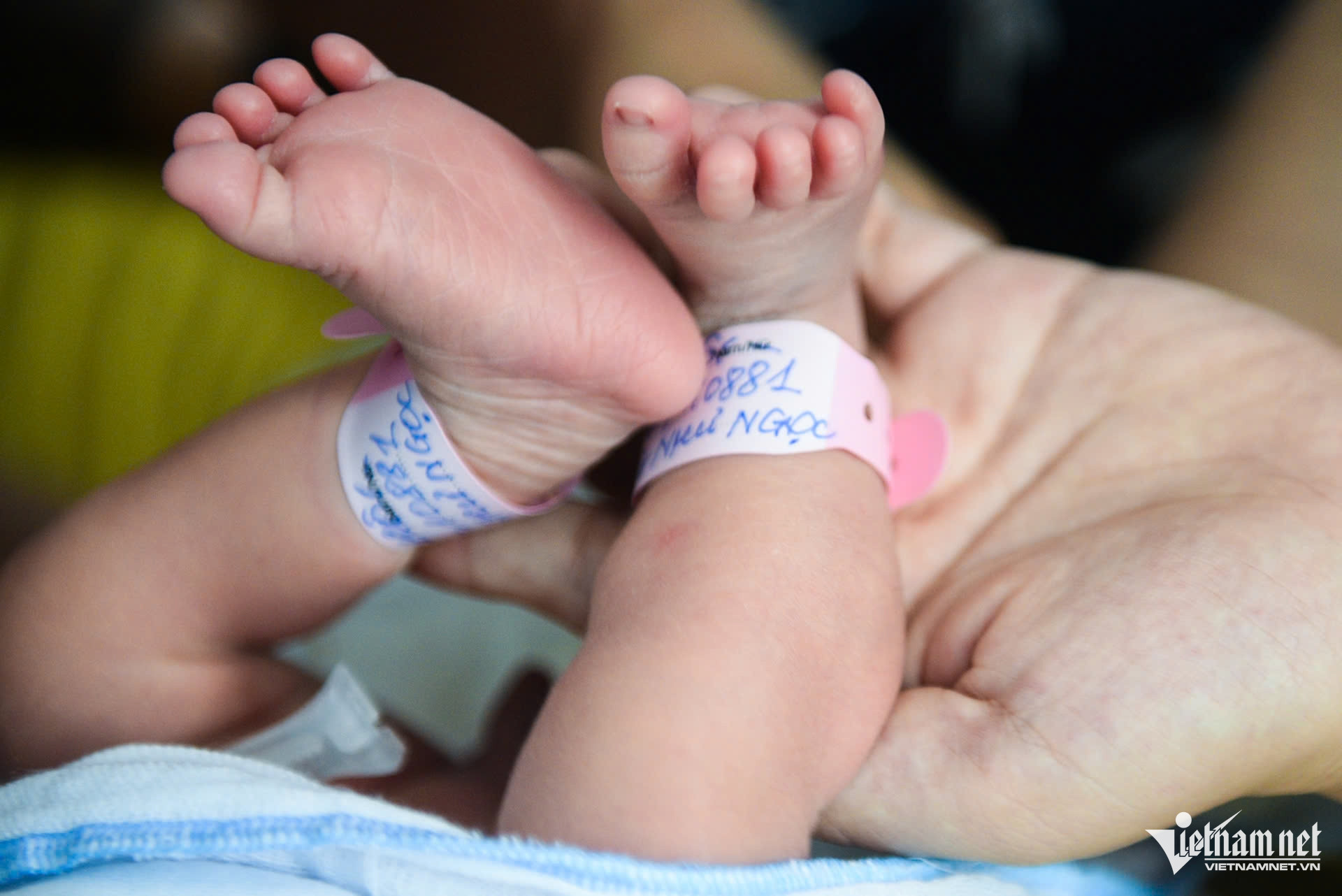
The Ministry of Health has proposed allowing local authorities to provide monthly financial support for children until they reach 12, 24 or 36 months of age. Photo: Thach Thao
The Ministry of Health said on July 16 that it was seeking feedback on a draft circular guiding local authorities in introducing policies to encourage, reward and provide financial or in-kind support to organizations and individuals that perform well in population work.
Drafted under the leadership of the Population Department, the proposal would broaden the scope of guidance for local authorities in developing incentive, reward and financial or in-kind support mechanisms. The measures are intended to maintain the replacement fertility rate, reduce the gender imbalance at birth, improve population quality and help society adapt to an aging population.
Monthly support for children, lower tuition for girls in disadvantaged areas
The Population Department has proposed allowing local authorities to expand financial or in-kind rewards and support for women who give birth or have two children, beyond the three groups specified in the Population Law.
The proposal also covers financial or in-kind support for pregnant women, monthly financial assistance for children until they reach 12, 24 or 36 months of age, and lunch subsidies for preschool children.
For communities, the draft proposes rewards for communes where at least 60% of women have two children. Local authorities could choose to grant a one-time reward or recognize communes that maintain the achievement for three or five consecutive years.
The draft also continues to encourage local authorities to support families with two daughters and girls living in disadvantaged areas. Assistance could include tuition exemptions or reductions, health insurance, school milk programs and support for women to improve their livelihoods, helping to reduce the gender imbalance at birth.
Local authorities offer incentives to couples with two children
A report reviewing five years of implementing Circular 01/2021 found that many provinces and cities had proactively introduced policies to support residents, particularly in areas with low birth rates.
Tay Ninh rewarded 99 communes and wards where a high proportion of couples had two children, with total funding of nearly VND20 billion, or about US$761,000. The province also provided support to women who had two children before turning 35.
In 2025 alone, more than 4,500 women received assistance totaling over VND4.5 billion (US$171,000).
Dong Nai also supported more than 6,000 women who had two children before the age of 35, providing more than VND6 billion (US$228,000). Many communes achieved the target of having more than 60% of couples with two children.
Hai Phong rewarded communes that met the target for couples having two children while also assisting women who had two children before turning 35 and several other groups. Total funding exceeded VND1.1 billion (US$42,000).
According to the Population Department, many localities with high birth rates have moved close to replacement-level fertility after five years of implementing Circular 01/2021. Despite the positive results, the department said the existing policy had revealed several limitations.
In urban areas with high living costs, such as Dong Nai and Tay Ninh, support for women who have two children before the age of 35 ranges from only VND450,000 to VND1 million, or about US$17-38, per person.
The amount is not enough to influence decisions about having children as the cost of raising and educating them continues to rise. The Population Department's draft report did not mention Ho Chi Minh City or Hanoi, where birth rates have fallen to low levels.
In addition, many previous criteria for rewarding communities were tied to the goal of having "no third child." These are no longer appropriate because the new Population Law has removed the provision limiting each couple to one or two children.
Vo Thu
.svg)
