 Vietnamnet.vn

 Podcast



In 2016, “Practices related to the Viet beliefs in the Mother Goddesses of Three Realms” were inscribed by UNESCO on the Representative List of the Intangible Cultural Heritage of Humanity, creating momentum for the strong expansion of this belief system.
However, alongside its recognized values in education, history, worldview, philosophy and art, the practice has revealed a number of alarming shortcomings that require timely and effective solutions.
Distortions in ritual practices
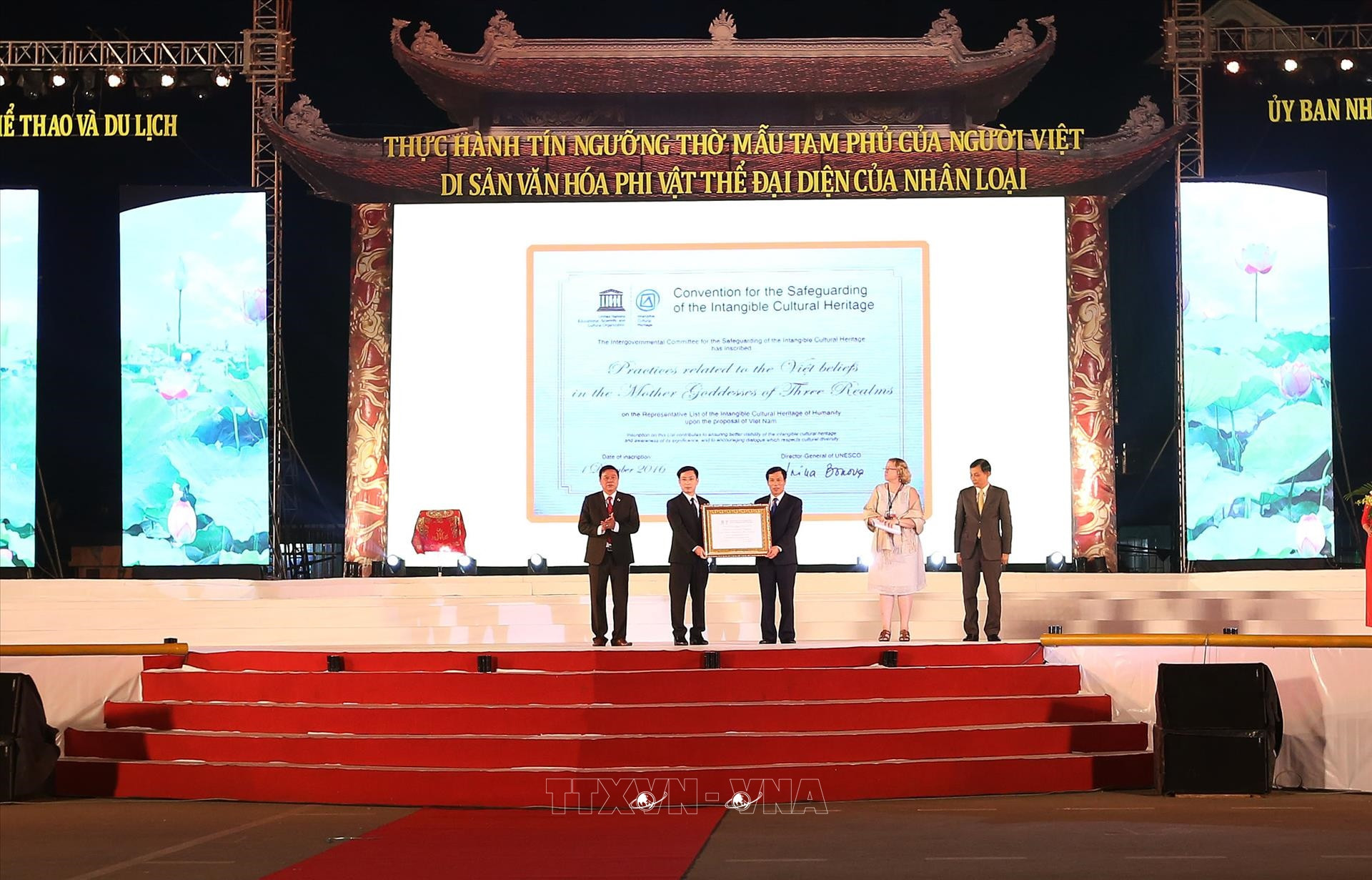
Ceremony marking UNESCO’s inscription of “Practices related to the Viet beliefs in the Mother Goddesses of Three Realms” as intangible cultural heritage of humanity. Photo: TTXVN
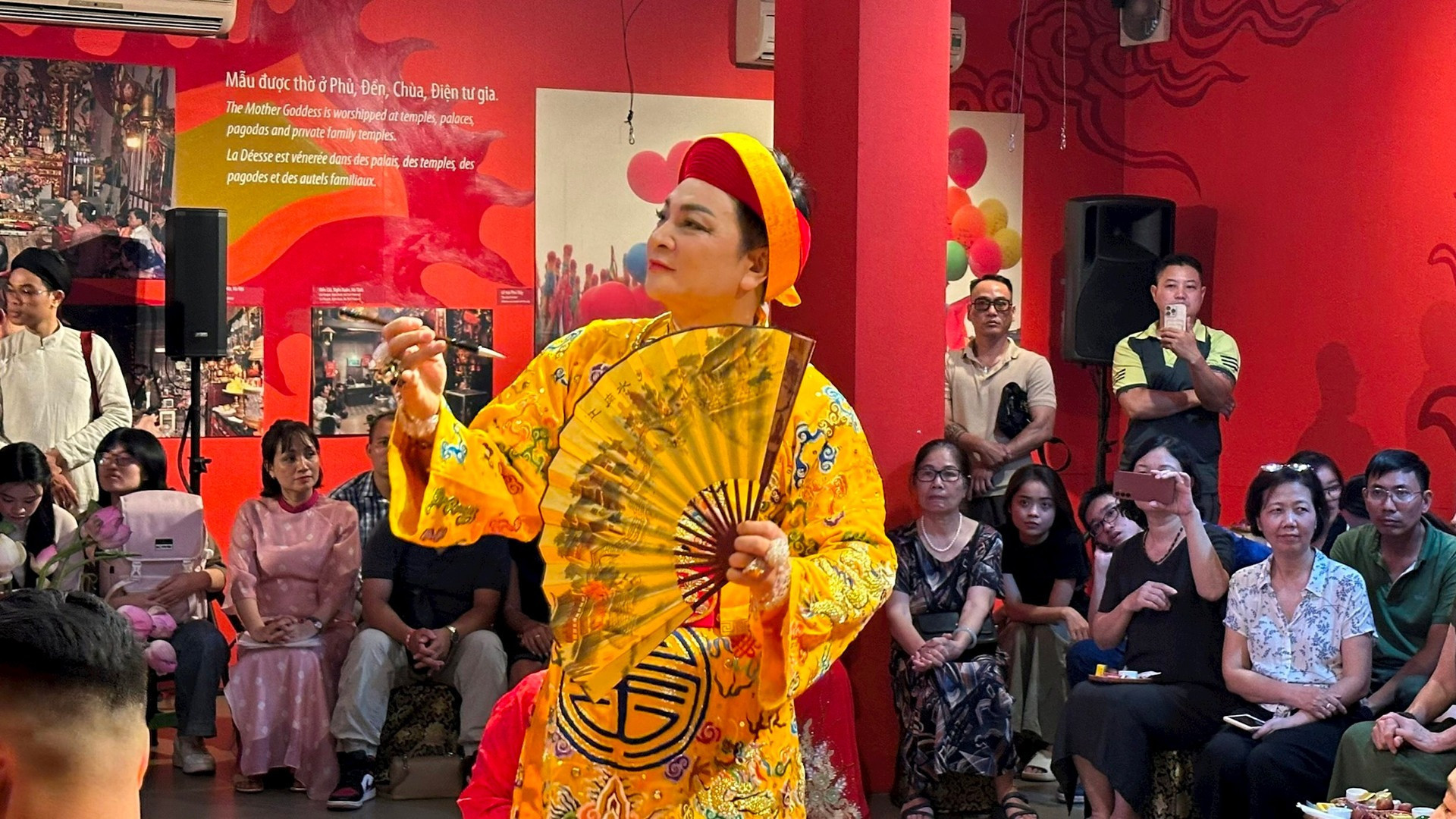
Many rituals today no longer retain their original characteristics as documented in heritage records. Numerous spirit possession ceremonies are performed incorrectly in relation to the deities being worshipped, while costumes, dances, musical elements and ceremonial singing have become hybridized, theatricalized and modernized.
Performances held outside designated worship spaces have diminished the sacred atmosphere, while some mediums display inappropriate behavior during rituals, including intimidating participants. Excessive spending on offerings, distribution of money, and the overuse of votive paper items have led to increasing materialization of spiritual practices.
A recurring issue among some practitioners is the tendency to view themselves or their teachers as the standard, leading to subjective interpretations of ritual correctness.
Certain mediums, due to particular physical or psychological conditions, may exhibit unstable behavior or limited awareness, affecting both daily conduct and ritual performance. Limited educational background and understanding of social norms and legal frameworks further contribute to problematic practices.
These limitations have, in some cases, resulted in excessive devotion, superstition and inappropriate conduct, including the expansion of follower networks, encouragement of ritual dependency, fortune-telling, excessive burning of votive items and disregard for legal regulations. Such practices not only waste financial resources but also affect public health, economic stability and social order.
Exploitation and misuse
Financial management at many worship sites lacks transparency. The use of multiple donation boxes under different names - such as “offerings” or “lamp oil contributions” - often leads to fragmented and unclear financial practices.
Some organizations associated with Mother Goddess worship, including associations and clubs, have taken advantage of limited understanding among practitioners to solicit funding in exchange for titles or certificates. In some cases, followers are treated as potential clients, particularly those with financial means or social status.
Certain practitioners exploit belief systems through fortune-telling, advising individuals to perform costly rituals to resolve perceived spiritual issues or improve personal fortunes. Some even selectively serve wealthier clients, requiring expensive offerings and elaborate ceremonies to enhance their own reputation.
Challenges in communication
Media coverage in recent years has sometimes been one-sided, lacking depth and objectivity. In certain cases, content has been influenced by financial incentives, leading to incomplete or inaccurate representation of the practice.
Terminology has also been misused, particularly the interpretation of UNESCO “inscription” as “recognition,” which has led to misunderstandings among the public and even some officials, fostering the perception that the practice is freely permitted without regulation.
The rise of social media has further complicated the situation. Live streaming rituals and promoting personal status have become widespread, with some practitioners even claiming abilities to predict events. These activities often violate media and cybersecurity regulations.
Internal conflicts and organizational limitations
Competition and conflicts among practitioners, groups and communities are common, reflecting the complex dynamics within the belief system. Loyalty to individual teachers or groups often leads to divisions and disputes over ritual standards and practices.
Organizational structures remain fragmented. While various associations and clubs exist at local levels, there is no nationally recognized organization for this belief system under current legal frameworks. As a result, activities are often loosely organized and lack depth in areas such as research, education and heritage preservation.
Uncivil practices and infrastructure issues
Some festivals associated with Mother Goddess worship have become large-scale events, consuming significant resources while incorporating elements of superstition and unhealthy commercial activities, including gambling and exploitative services.
The excessive use of votive offerings has raised concerns about environmental pollution and fire hazards. Certain practices, such as ritual acts that pose health risks or promote superstition, have generated negative public reactions.
Commercial exploitation within worship sites - including overpriced goods, service fees and informal transactions - has become widespread.
Construction of worship facilities also presents challenges. Many sites are built without proper permits, and private worship spaces are often used for large-scale activities beyond their intended purpose. Restoration and renovation of heritage sites are frequently carried out without proper authorization, compromising their original architectural and cultural integrity.
Policy recommendations and solutions
Addressing these challenges requires comprehensive, coordinated and long-term solutions, with the participation of authorities, practitioners and the wider community.
From a governance perspective, it is essential to legal frameworks related to belief practices, including clearer regulations on worship sites, organizational structures and operational standards. Strengthening management capacity, improving coordination among relevant sectors and enhancing inspection and enforcement are also critical.
Authorities should intensify efforts to provide guidance, legal education and awareness for practitioners, ensuring compliance with regulations while preserving cultural values.
At the community level, existing organizations should be strengthened to promote proper practices, legal awareness and knowledge sharing. Training programs for practitioners, along with recognition of genuine contributors, can help improve standards and preserve authenticity.
Efforts must also focus on preventing violations such as superstition, exploitation and misuse of digital platforms. In the long term, establishing a nationally recognized organizational model for Mother Goddess worship could support more sustainable development.
With effective implementation of these measures, it is hoped that existing shortcomings can gradually be addressed, allowing the cultural values of Mother Goddess worship to be preserved and enhanced in line with its recognition by the State and UNESCO.
Hoa Hop
.svg)
