 Vietnamnet.vn

 Podcast



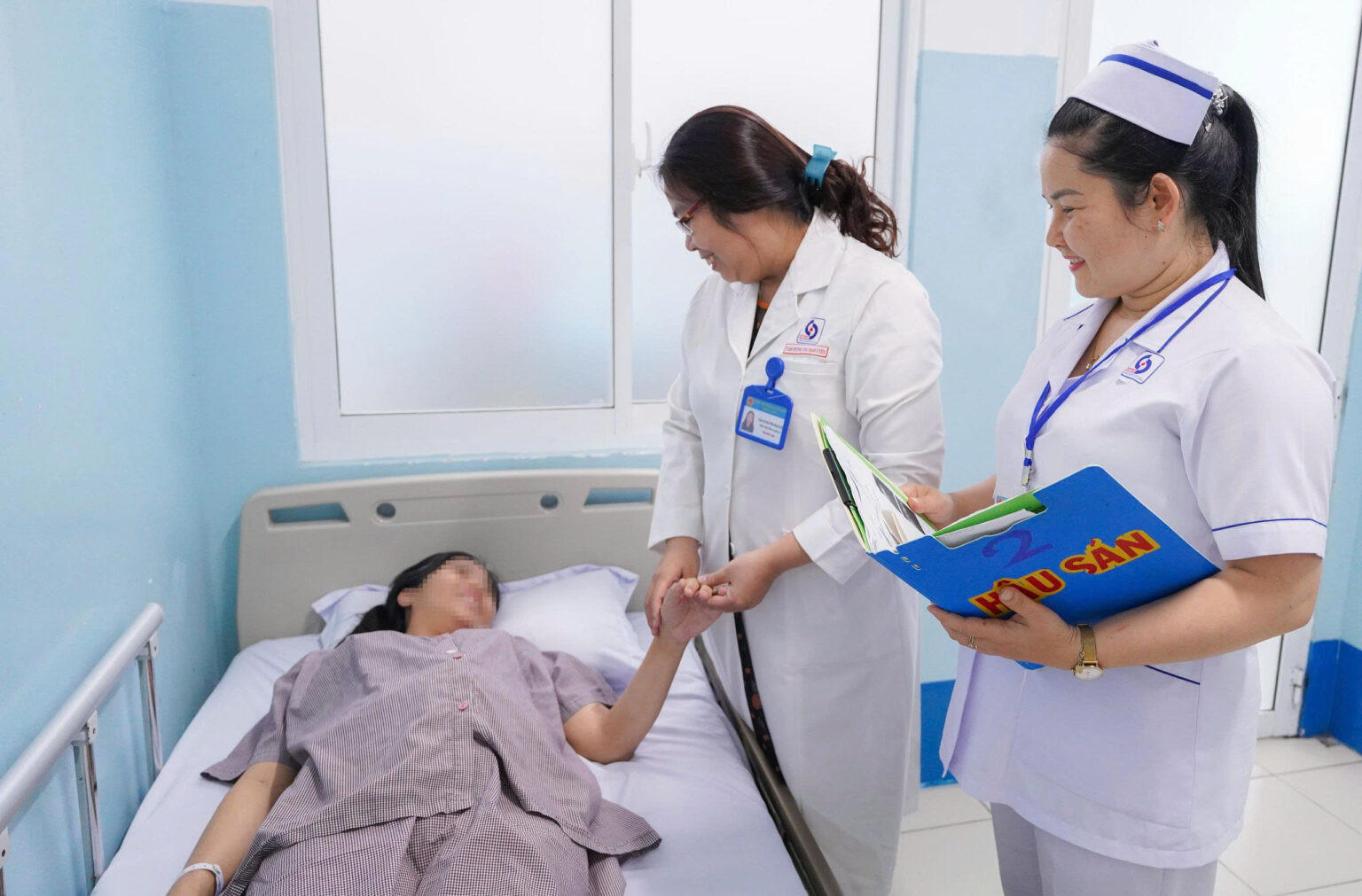
On August 21, Gia Dinh People’s Hospital in HCMC announced the successful completion of a complex cesarean delivery, saving both mother and baby in a rare obstetric case - central placenta previa. This highly dangerous complication can cause massive bleeding at any moment, threatening the lives of both mother and child.
N.T.P, 36, from Dong Nai, was in her second pregnancy when she encountered a life-threatening situation. At 28 weeks, she arrived at the hospital with vaginal bleeding. Ultrasound revealed central placenta previa, a condition that can trigger sudden, severe bleeding.
Local obstetricians advised terminating the pregnancy for safety. However, driven by love for her child, P and her husband chose to continue monitoring and treatment.
Throughout her pregnancy, she endured three emergency hospitalizations due to vaginal bleeding. Doctors once suspected placenta accreta, a severe complication making cesarean delivery far more complex. Through a tailored treatment plan and close coordination among specialties, the pregnancy reached 37 weeks.
On August 12, the surgery was successfully performed, with both mother and baby healthy, leaving the medical team and family overjoyed.
Huynh Vinh Pham Uyen, Deputy Head of the Obstetrics Department at Gia Dinh People’s Hospital, said this was a rare and exceptional case. Central placenta previa, a dangerous obstetric complication, occurs in 0.4-0.5 percent of pregnancies, or about 4-5 cases per 1,000.
Uyen explained that placenta previa involves the placenta abnormally attaching to the lower uterus, partially or fully covering the cervix, leading to life-threatening complications for mother and baby.
Risks include sudden, recurrent massive bleeding, especially in the last trimester or during labor. Rapid blood loss can cause shock and circulatory failure, endangering the mother’s life. Other risks include postpartum hemorrhage from the placental site, preterm birth due to early termination, placenta accrete. In many cases, doctors have to decide to conduct hysterectomy to save the mother.
Safe management requires early detection, close monitoring, and well-timed surgery to protect both mother and baby. Crucially, treatment must occur at facilities with comprehensive specialties and advanced equipment.
Doctors advise pregnant women to attend regular prenatal checkups and undergo screening ultrasounds, especially in mid-to-late pregnancy, to detect abnormalities early and ensure safety for both mother and child.
Phuong Thuy
.svg)
