 Vietnamnet.vn

 Podcast



Next week, the National Assembly will elect the President, Prime Minister and Vice President, while also approving the appointment of Deputy Prime Ministers, ministers and other members of the Government, as well as electing Vice Chairpersons of the National Assembly and members of its Standing Committee.
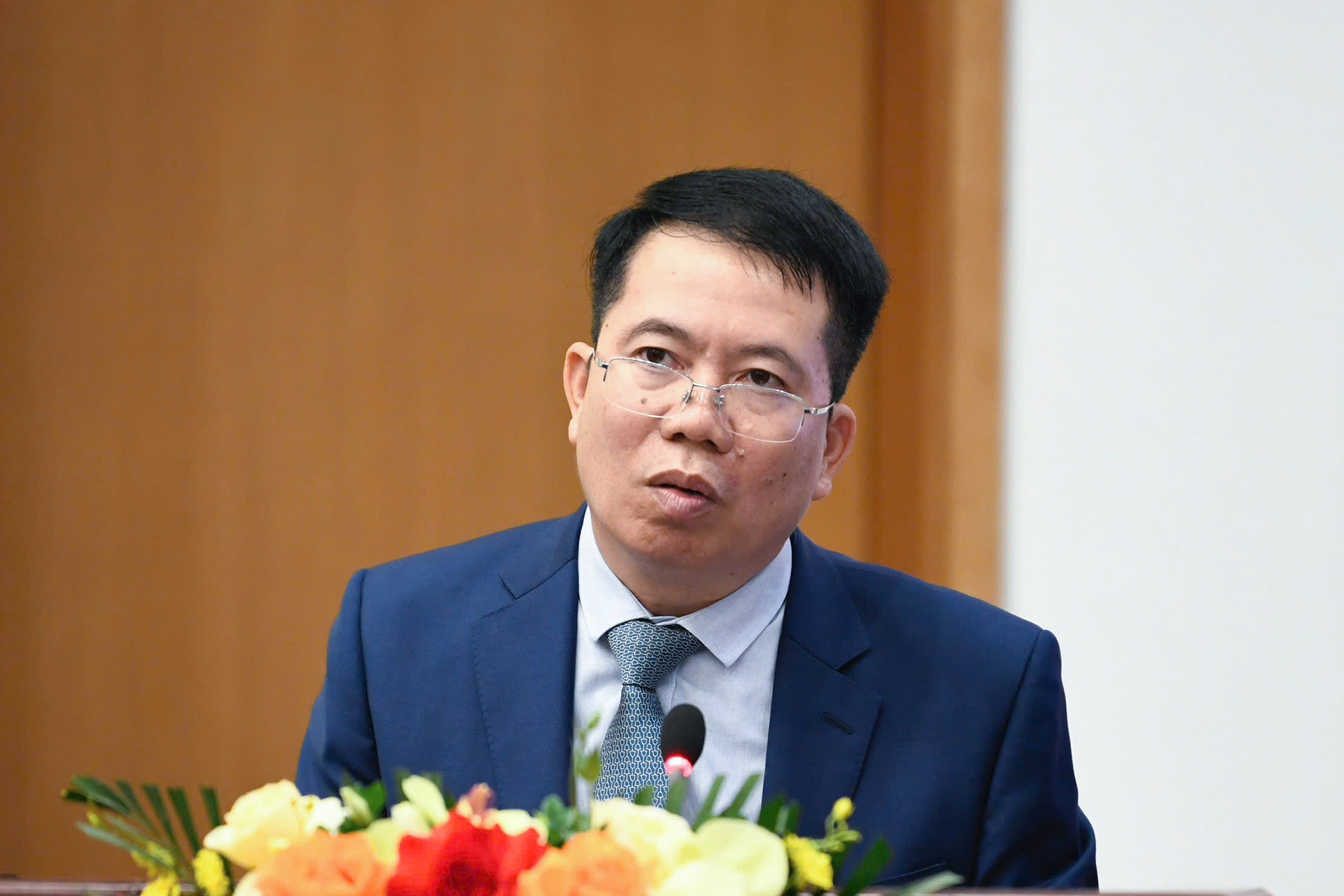
On the afternoon of April 3, the National Assembly Office held a press briefing on the tentative agenda for the first session of the 16th National Assembly.
Nguyen Van Hien, Deputy Head of the National Assembly Office, said the preparatory session is scheduled for the afternoon of April 5, with the official opening on the morning of April 6 and the closing expected on April 23.
The session is expected to last about 11 working days, divided into two phases - from April 6 to 12 and from April 20 to 23, with contingency days on April 24 and 25.
At this session, the National Assembly will consider and decide on organizational and personnel matters, eight draft laws, one resolution with legal effect, and five groups of issues covering socio-economic development, finance, the state budget, supervision and other important matters. In addition, nine groups of reports will be submitted for deputies’ review.
For urgent and important matters that need to be submitted at the first session to promptly implement resolutions and conclusions of competent authorities or to address pressing issues arising in practice, the Standing Committee of the National Assembly has requested the Government to urgently prepare dossiers in accordance with regulations.
The Standing Committee will give its opinions during the break between the two phases of the session. If dossiers meet requirements, they will be reported to the National Assembly for inclusion in the second phase.
Regarding the detailed agenda, Hien noted that Party Chief To Lam will deliver remarks at the session. The National Election Council will present a report summarizing the results of the elections for deputies of the 16th National Assembly and People’s Councils at all levels for the 2026-2031 term, along with the certification of deputies’ eligibility.
Personnel work is identified as the central focus of the session, with about two and a half working days allocated to decisions on organizational structure and leadership appointments.
Specifically, the National Assembly will decide on the number of members of its Standing Committee; elect the Chairperson, Vice Chairpersons and members of the Standing Committee; elect the Chairperson of the Ethnic Council, heads of the National Assembly’s committees, the State Auditor General, and the Secretary General of the National Assembly who also serves as Head of its Office.
The legislature will also elect the President, Prime Minister, Vice President, Chief Justice of the Supreme People’s Court, and Prosecutor General of the Supreme People’s Procuracy.
In addition, it will decide on the structure and number of Government members; approve the appointment of judges of the Supreme People’s Court; and approve the appointment of Deputy Prime Ministers, ministers and other Government members.
The National Assembly will also approve the list of Vice Chairpersons and members of the National Defense and Security Council.
Under the 2013 Constitution, immediately after being elected, the Chairperson of the National Assembly, the President, the Prime Minister and the Chief Justice of the Supreme People’s Court will take the oath of office before the legislature.
Personnel preparation has been carried out rigorously
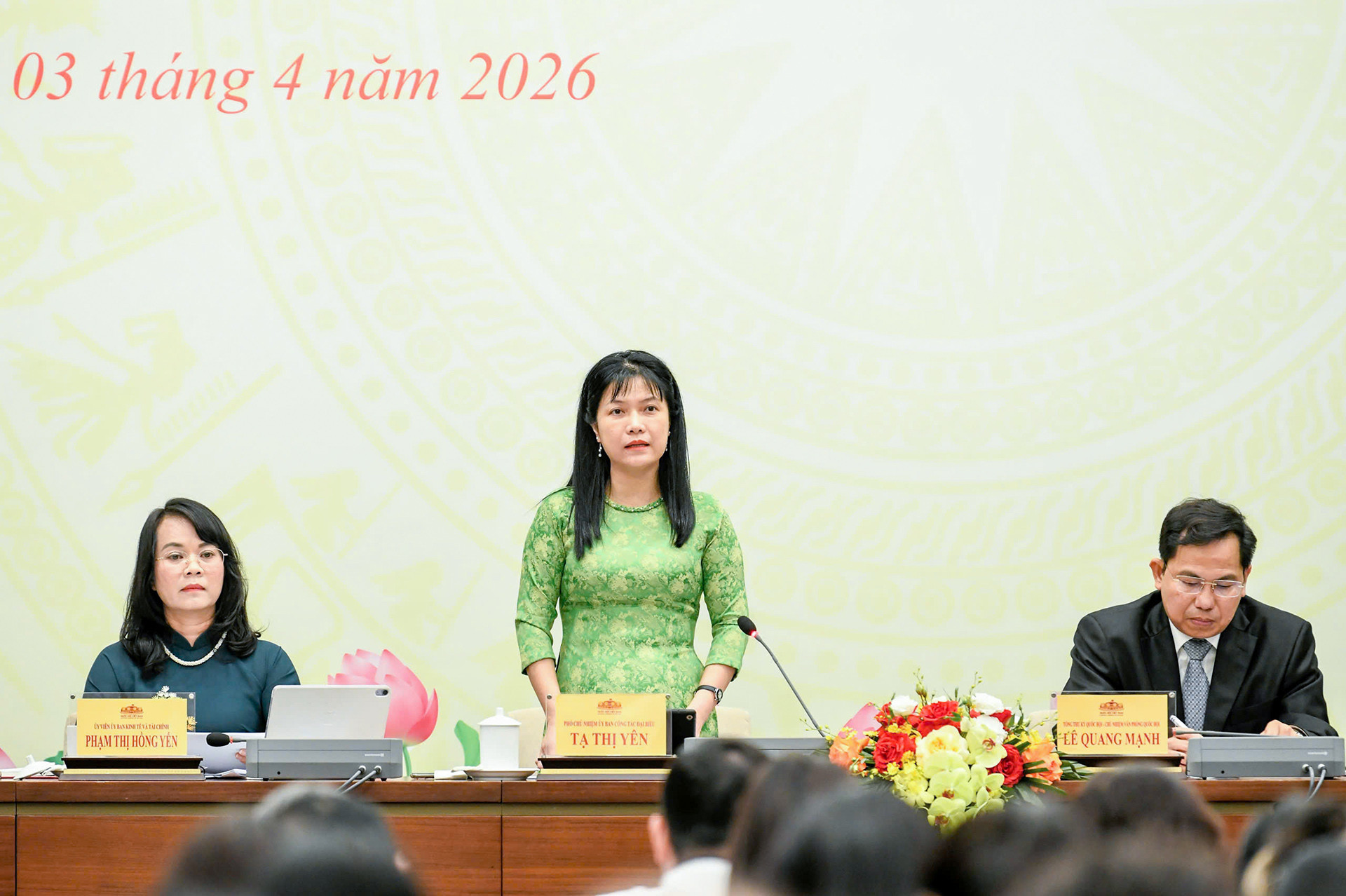
Providing further details, Ta Thi Yen, Deputy Head of the National Assembly’s Committee for Deputy Affairs, emphasized that personnel preparation has been conducted in a rigorous, methodical manner in line with established procedures and under the unified leadership of the Party.
Based on constitutional and legal provisions, the Politburo developed an overall plan for the state apparatus and introduced candidates for key leadership positions. These proposals were then submitted to the Party Central Committee for consideration and feedback before being finalized and presented to the National Assembly for decision in accordance with its authority, ensuring the principle of Party leadership, State management and the people’s mastery.
Yen stressed that the election and approval of state leadership positions at the first session carry great significance. It is a critical step in consolidating top-level leadership, ensuring stability, continuity and smooth operation of the political system immediately after the election.
This process also highlights the role of the National Assembly as the highest representative body of the people and the highest organ of state power, directly deciding on major national issues.
It also institutionalizes the Party’s policies into formal decisions of the State.
As the country enters a new development phase with high demands for institutional improvement and economic growth, selecting and approving leaders with strong capability, integrity and credibility will be decisive for implementing socio-economic development goals. This is not merely personnel work but a foundational step opening a new term marked by expectations of reform, action and development.
According to Yen, the National Assembly is expected to elect and approve around 39 key leadership positions at the central level, covering the full spectrum of top state leadership roles.
Tran Thuong
.svg)
