 Vietnamnet.vn

 Podcast


The Hanoi Creative Design Festival 2026 officially opened near Hoan Kiem Lake on the evening of November 13 under the theme Thang Long Ke Nghe – Creative Economy, marking a new chapter in the capital's efforts to develop its cultural and creative industries.
Featuring more than 150 activities co-created by nearly 1,000 domestic and international artists, designers and other creative professionals, the festival has evolved from an annual cultural celebration into a platform for collaboration, experimentation and the development of Hanoi's urban creative ecosystem.
This year's event holds particular significance as it coincides with the 50th anniversary of Vietnam's membership in UNESCO.
Turning cultural heritage into economic opportunities
Speaking at the opening ceremony, Hanoi Vice Chairwoman Vu Thu Ha emphasized that the festival aims to transform cultural heritage, knowledge and creative capabilities into assets capable of generating long-term value.
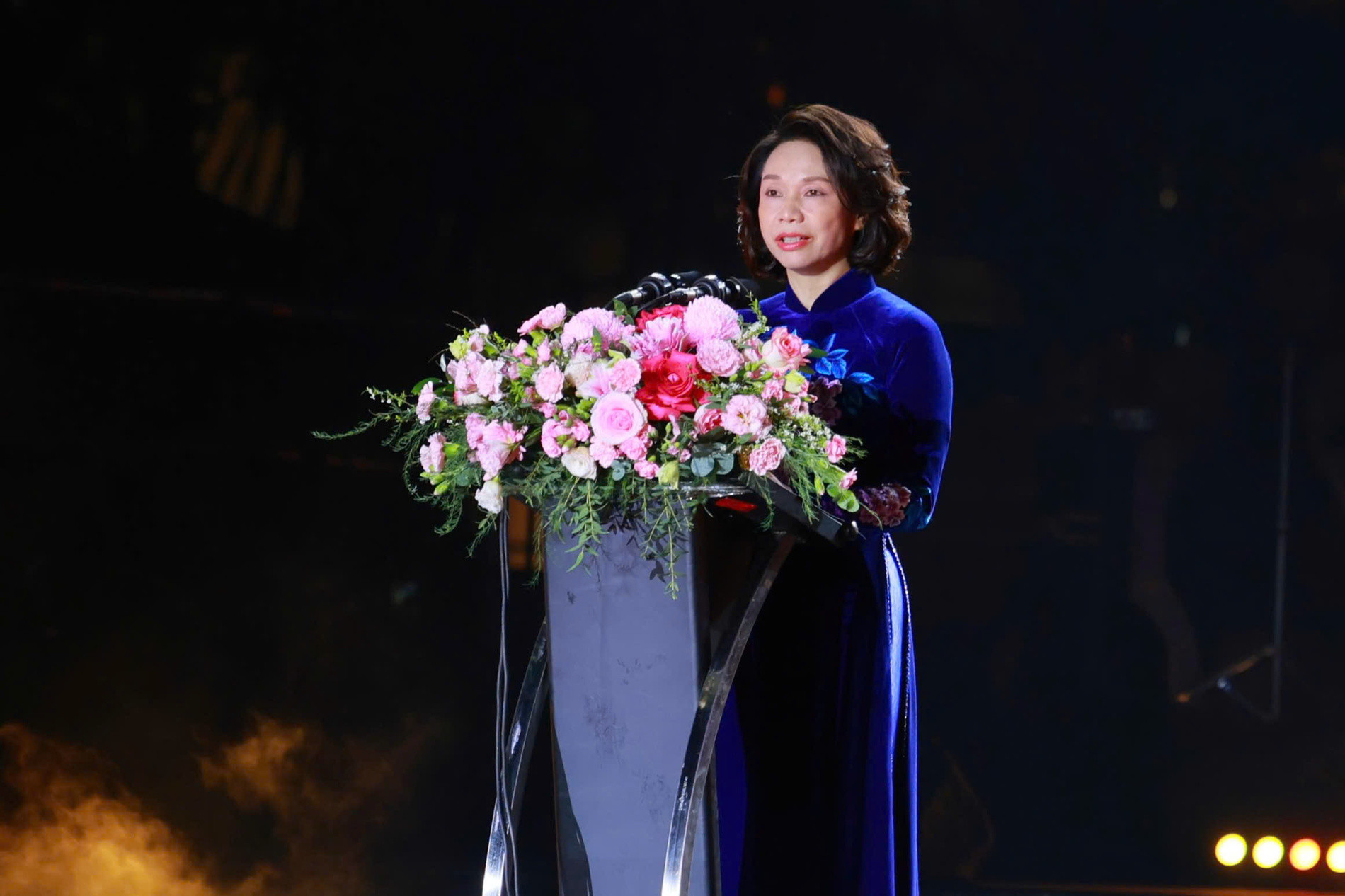
She said the initiative would help create livelihoods and employment opportunities, strengthen cooperation and position cultural industries as an important driver of the capital's economic growth.
According to Ha, Hanoi has introduced various policies and mechanisms to expand vibrant cultural spaces for residents and visitors while mobilizing social resources to strengthen the city's identity and competitiveness.
These efforts reinforce Hanoi's pioneering role as Vietnam's first member of the UNESCO Creative Cities Network, while helping promote Vietnamese creativity across the region and internationally.
Jonathan Wallace Baker, UNESCO Representative to Vietnam, praised the capital's achievements and growing position within the global creative community.
He noted that the Hanoi Creative Design Festival has developed from an initiative celebrating individual talent into a dynamic platform connecting artists, designers, artisans, businesses and communities.
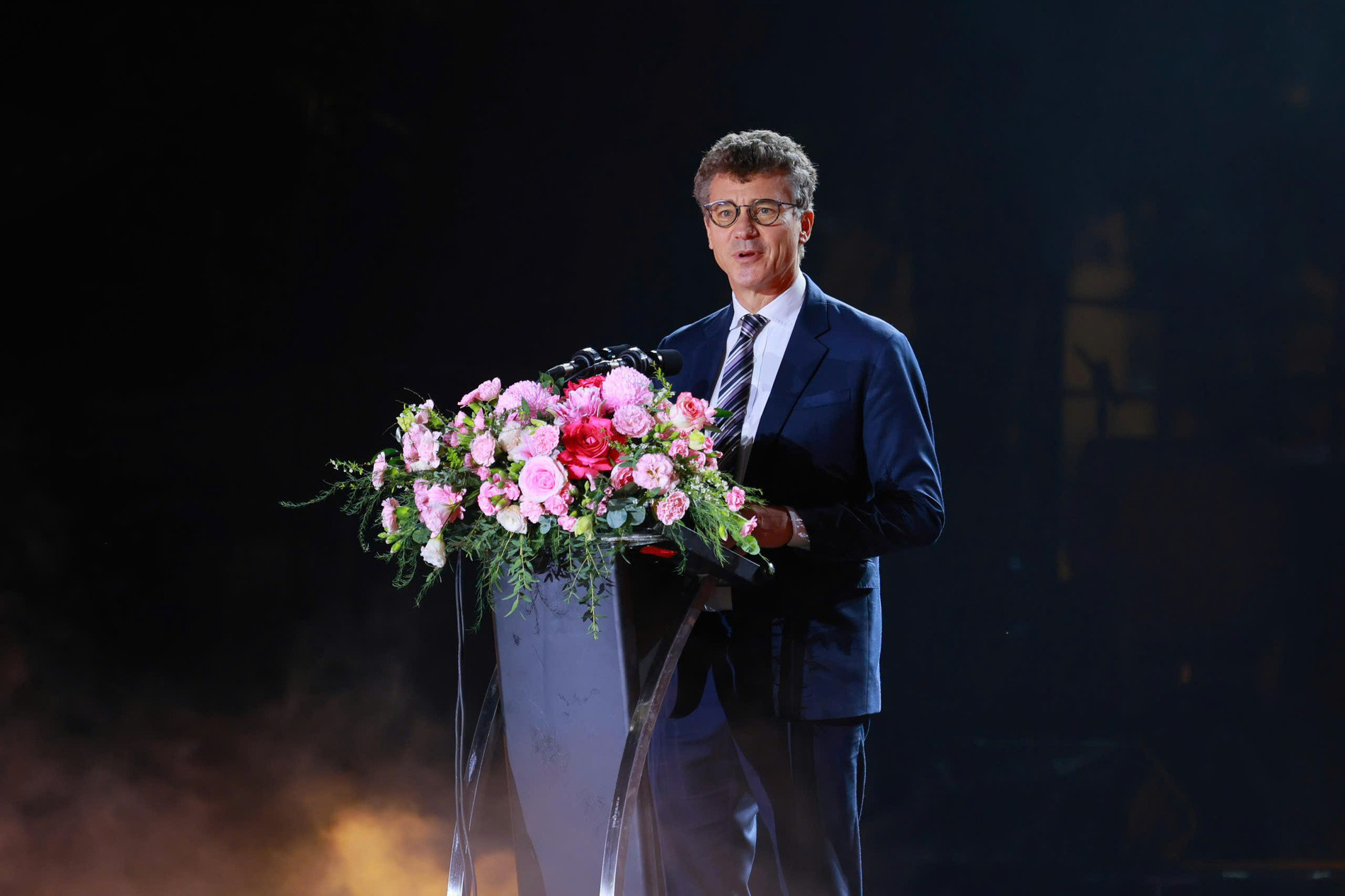
Baker stressed that the creative economy is not built solely by professionals. Its success also depends on the participation of local communities and young people, alongside cooperation between public institutions and the private sector.
Traditional heritage meets contemporary creativity
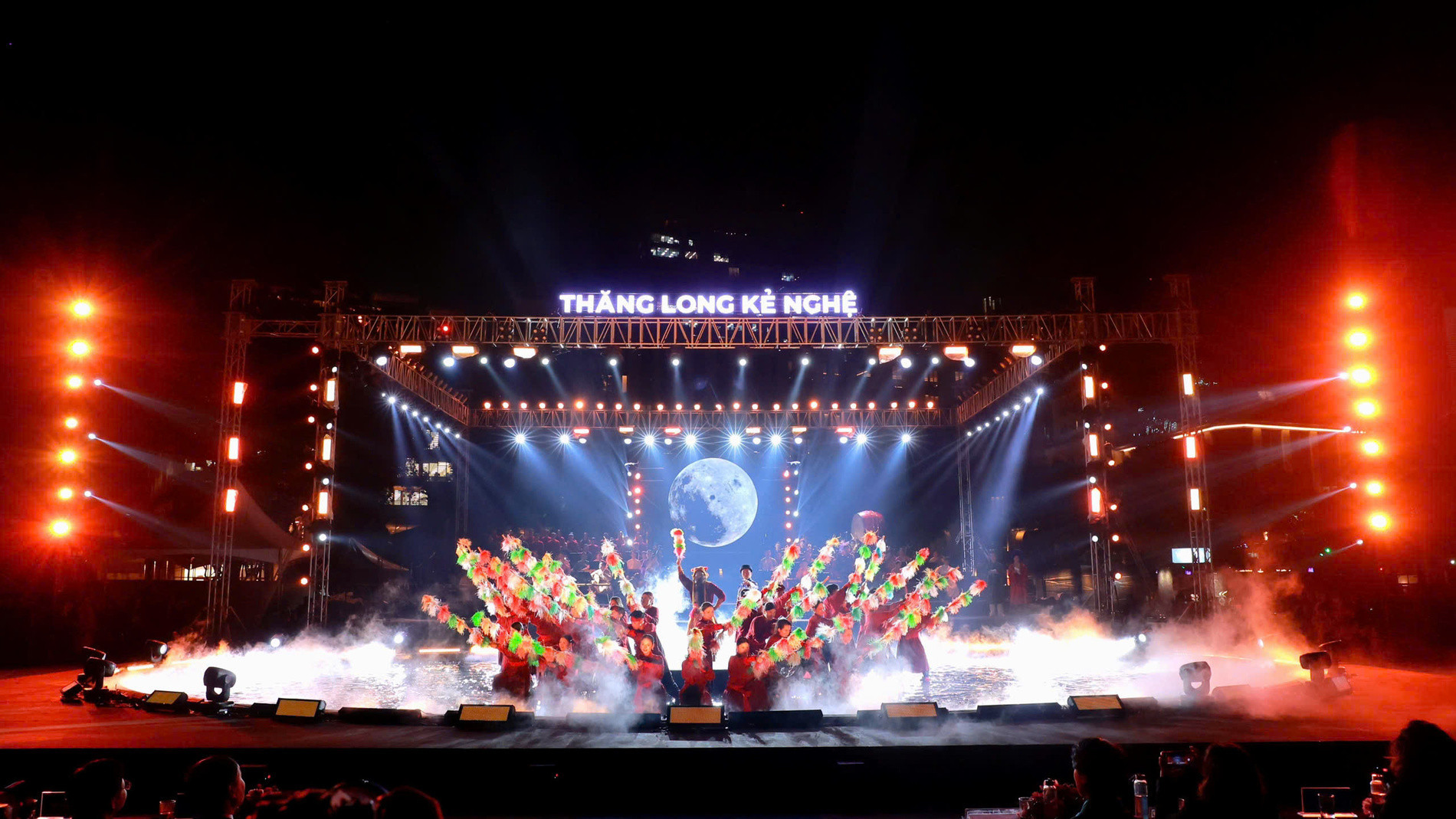
A major highlight of the opening night was the artistic performance Thang Long Ke Nghe, featuring more than 100 performers.
Using the imagery of flowing water as its central narrative, the production unfolded in three acts: Opening the Waters, The City and Continuity.
Through elaborate staging and a blend of traditional and contemporary artistic expressions, the performance took audiences on a journey from the bustling life of old Ke Cho, Hanoi's historic trading quarter, to the image of a modern creative capital.
On the stage beside Hoan Kiem Lake, traditional Vietnamese art forms were brought into dialogue with contemporary music and performance.
The distinctive vocals of xam folk singing and the sounds of the dan bau, a traditional Vietnamese monochord instrument, blended with brass instruments.
Quan ho folk melodies gave way to choral performances, while traditional tuong theater merged with operatic singing in the finale.
Beatboxing and hip-hop dance also reinterpreted memories of village life through the artistic language of younger generations.
Despite their different forms, the performances shared an emphasis on listening, exchange and continuity.
From the call-and-response traditions of quan ho to the rhythmic percussion of ca tru ceremonial singing and classical tuong, the program presented a vision of a creative capital whose contemporary identity remains deeply rooted in cultural memory.
Hanoi strengthens its creative city ambitions
Hanoi officially joined the UNESCO Creative Cities Network in the field of Design in 2019.
Since the festival's launch in 2021, successive editions have helped bring together artists, designers, cultural practitioners, businesses and local communities.
What began as a showcase of individual creative expression has gradually developed into an open environment supporting interdisciplinary collaboration.
The festival has encouraged the formation of creative groups and initiatives that generate practical economic value, contributing to the development of a more dynamic creative economy in the capital.
The 2026 edition represents a further step toward integrating creativity into urban development, strengthening connections between cultural heritage, innovation and economic opportunities.
Hanoi launches HanoiGo digital tourism platform
During the festival, Hanoi also introduced HanoiGo, a new digital platform designed to provide centralized information about the capital's cultural and tourism offerings.
The platform is expected to integrate a wide range of data covering tourist destinations, historical relics, scenic attractions, cultural spaces, local cuisine, accommodation, events and travel tours.
By bringing these resources together, HanoiGo aims to improve access to cultural and tourism information while supporting the city's broader digital transformation and creative economy development.
Tinh Le

