 Vietnamnet.vn

 Podcast



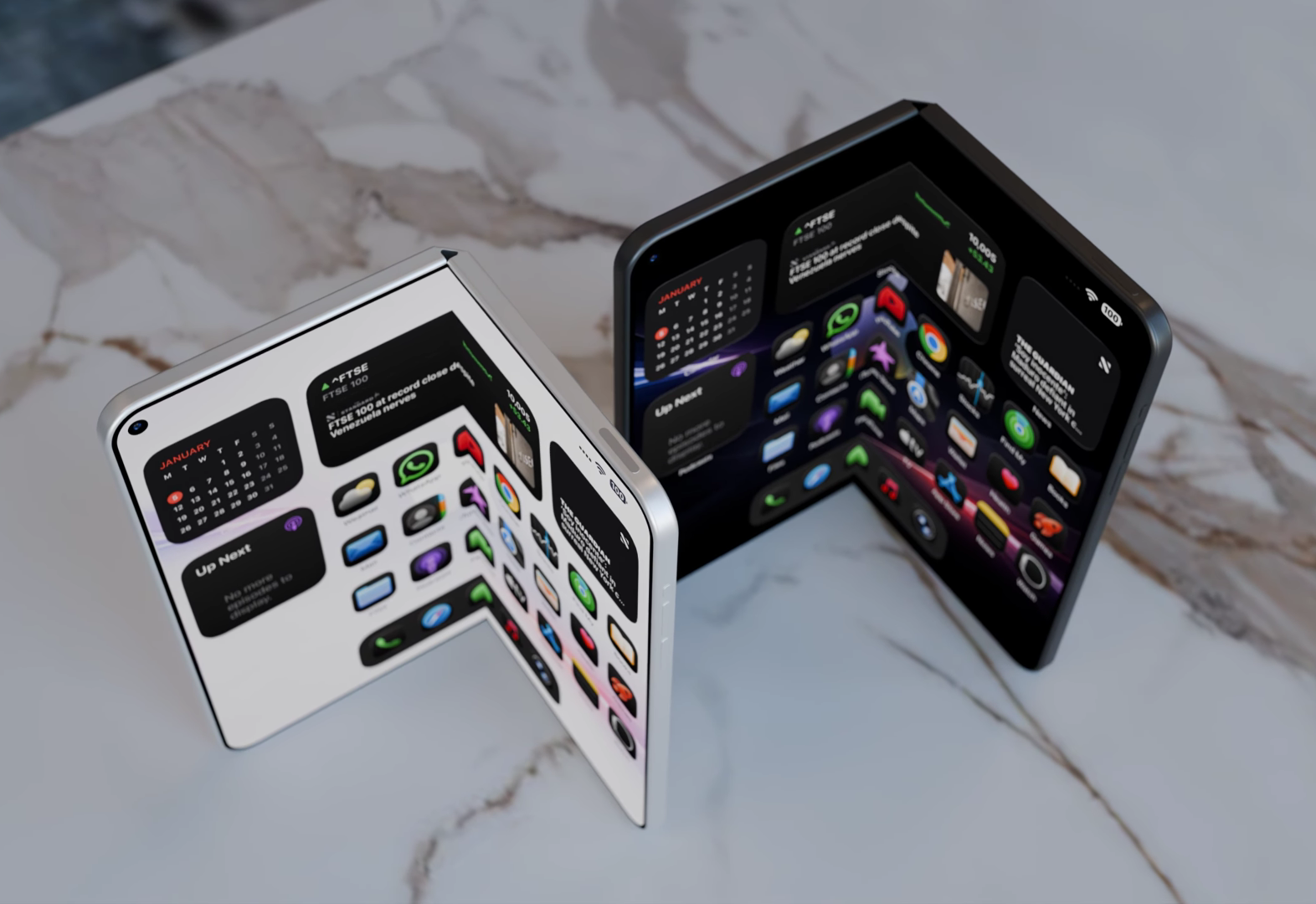
For years, a foldable iPhone has remained one of Apple’s biggest mysteries. Countless rumors, patent filings and prototype concepts have circulated online, yet the company has never officially acknowledged the existence of such a device. Fresh findings hidden within iOS 27, however, are now convincing many industry observers that the debut of the foldable iPhone - often referred to as the iPhone Ultra - may be drawing near.
Apple’s foldable iPhone has long been one of the company’s most closely guarded projects.
Technology analysts and developers who regularly examine Apple’s latest operating system releases have uncovered several notable references within iOS 27.
According to screenshots shared on X, the new operating system contains code directly related to a device’s folding and unfolding states, suggesting Apple is preparing software support for an entirely new category of hardware.
Apple has long been renowned for its ability to keep future products under wraps. The company typically goes to great lengths to conceal or encrypt information that could reveal upcoming devices. Even so, history has shown that new versions of iOS occasionally expose important clues about products still under development.
This time, the discovered code includes references such as “foldState,” “angleDegrees,” and multiple hardware display configurations. These elements are commonly associated with foldable devices.
The “foldState” parameter is believed to determine whether a device is fully closed, partially open or completely unfolded. Meanwhile, “angleDegrees” could allow the operating system to detect the precise hinge angle and adjust the interface or activate specific features accordingly. Similar mechanisms are already widely used on foldable smartphones running Android.
Particularly noteworthy is the reference to the number of active hardware displays. Foldable smartphones typically feature at least two display areas or multiple display modes, requiring sophisticated software management across different screen configurations.
Foldable iPhone project has been years in the making
Rumors surrounding a foldable iPhone are far from new. As early as 2019, reports suggested Apple was researching flexible display technology and hinge designs for a foldable device. In the years that followed, numerous patents covering folding mechanisms, crease reduction technologies and hinge durability emerged.
At the same time, prototype concepts and reports from supply chain sources continued to surface, indicating Apple has spent years refining the technology before bringing it to market.
What makes the latest discovery particularly significant is that it appears to be the first time iOS itself has contained direct references to a future foldable device. Rather than relying on patents or supply chain leaks, evidence is now emerging from Apple’s own software.
Could the foldable iPhone arrive as early as September?
While the findings have generated considerable excitement among technology enthusiasts, they are not enough to confirm a launch date.
Some reports suggest the iPhone Ultra could debut alongside Apple’s next-generation iPhone lineup this September.
However, skepticism remains. There have been no highly credible reports indicating that key components have entered mass production, a milestone typically associated with products approaching commercial release.
Furthermore, Apple has long used feature flags - dormant pieces of code embedded within operating systems that support future products or features years before they become available. As a result, the appearance of foldable-related code does not necessarily mean the device will launch this year.
Even so, iOS 27’s references to folding states, hinge angles and multiple hardware displays represent the strongest signal yet that Apple is actively developing a foldable iPhone.
After years of speculation, the company appears closer than ever to entering the foldable smartphone market, a segment that many competitors have already explored extensively.
Hai Phong
.svg)
