 Vietnamnet.vn

 Podcast



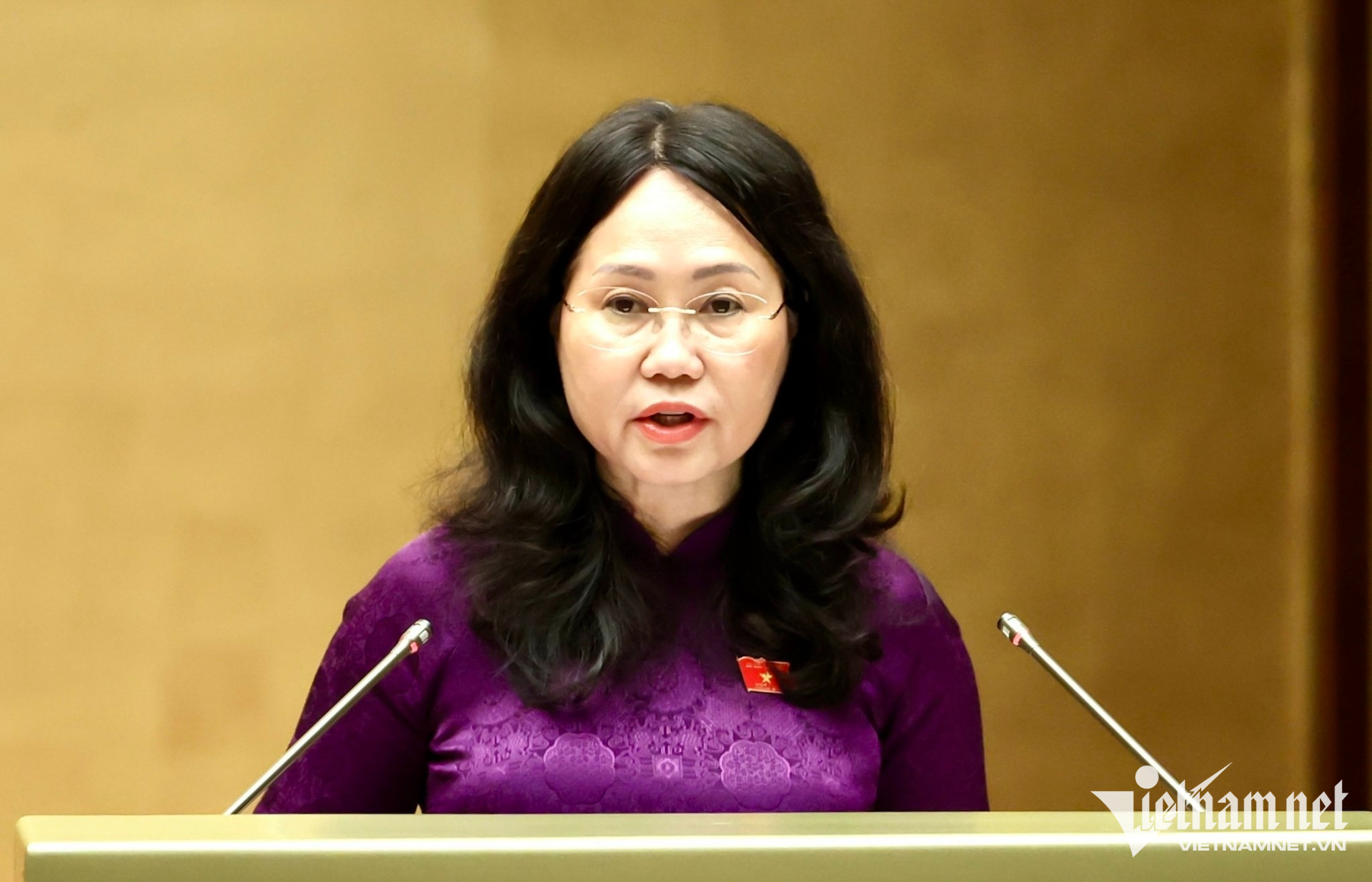
According to the report, there had been proposals to broaden appraisal requirements to newly compiled or translated manuscripts in Vietnam involving revolutionary history, sovereignty, national security, national leaders and national heroes that require closer oversight, rather than determining whether a review is necessary solely on the basis of when or where a work was published.
The Government said Clause 1 of Article 24 requires publishers to appraise manuscripts on those subjects before registering publication plans when the works fall within the list prescribed by the Government.
For works and documents covered by Clause 2 of Article 24, including certain publications from particular historical periods and works published overseas, an appraisal before registering a republication plan is required only when the content shows signs of violating Clause 1 of Article 10.
Clause 3 stipulates that appraisals must meet professional requirements appropriate to the nature and content of each manuscript, with a clear basis for assessment and conclusions.
New criteria for publishing house directors
The amended legislation also addresses standards for directors, general directors, editors-in-chief and other senior personnel at publishing houses.
Some lawmakers had called for stringent standards for these positions, with greater emphasis on political and ethical qualities, professional expertise and experience. They also sought a review of training requirements, residency conditions, disciplinary records and rules governing the concurrent holding of senior positions.
The Government incorporated the feedback by setting out basic criteria covering nationality, residency, political qualifications, education and professional expertise. Editors-in-chief and deputy editors-in-chief must hold professional editing certificates.
Detailed standards will be prescribed by the Government and other competent authorities. Assessments relating to political and ethical qualities, personnel planning, appointments, disciplinary matters and working-age requirements will follow Party regulations and laws governing officials.
Clause 3 of Article 17 establishes the principle that the chair of a members’ council or company chair should concurrently serve as general director or director. Where the positions need to be held separately, the governing body must report to and seek the opinion of the competent authority before making a decision.
The legislation also addresses which entities are permitted to establish publishing houses.
During discussions, some lawmakers proposed broadening the range of eligible entities, clarifying when provincial-level cultural authorities may establish publishing houses, and defining the legal status, governance and criteria for major publishing and media organizations and groups.
The Government revised Article 12 while retaining the provision that publishing houses operate either as public non-business units or enterprises wholly owned by the State.
Entities eligible to establish publishing houses include legally designated central and provincial agencies and organizations; central public non-business units; centrally run mass organizations assigned duties by the Party and State that directly produce scientific and academic works and materials; and public higher education institutions under ministries or ministerial-level agencies.
The legislation does not extend this right to private higher education institutions, private research institutes or enterprises in which the State holds a controlling stake.
A specialized cultural agency under a provincial People’s Committee may establish a publishing house only when the provincial People’s Committee itself does not establish one.
Policies concerning major national publishing and media organizations and publishing-media groups are stipulated in Article 7, but do not alter the legal forms of publishing houses established under Article 12.
Transitional arrangements covering existing licenses, operations, applications and entities when the law takes effect are provided for in Clause 3, Article 3.
Tran Thuong
.svg)
