 Vietnamnet.vn

 Podcast



The strategic direction outlined by the Politburo in Resolution No. 80-NQ/TW dated January 7, 2026, has been institutionalized by the National Assembly through Resolution No. 28/2026/QH16 on the development of Vietnamese culture, adopted on April 24, 2026.
The new mechanisms and policies are expected to unlock resources for preserving and promoting cultural values nationwide, including the traditional identities of Vietnam’s ethnic minority communities.
The series, “Unlocking cultural resources in ethnic minority communities through new mechanisms,” explores recent developments in preserving and promoting ethnic cultural identities - from efforts to safeguard cultural roots and revive endangered heritage to bringing traditional culture into contemporary life as a foundation for sustainable development in ethnic minority and mountainous areas.
Part 1: Preserving ethnic cultural identity in a rapidly changing world
Cultural access gap remains a hidden barrier to development
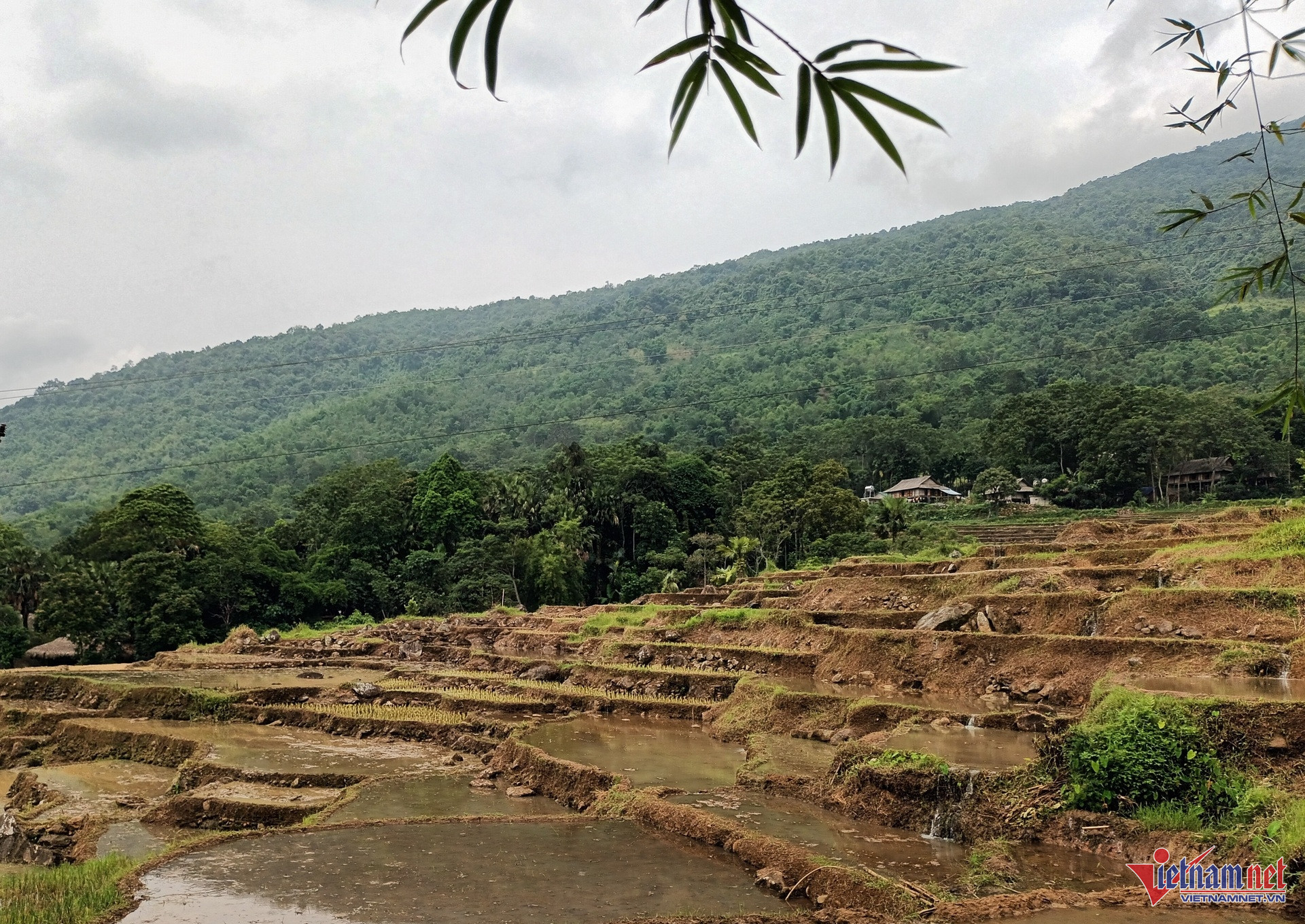
A view of Leo Hamlet in Pu Luong Commune, Thanh Hoa Province. Many ethnic minority and mountainous communities still face limited access to cultural services due to socioeconomic challenges. Photo: S.H.
Resolution No. 80-NQ/TW highlights disparities in access to and enjoyment of cultural activities among different regions. At the same time, the rapid expansion of cross-border digital platforms has increased exposure to inappropriate and non-cultural external influences, creating value conflicts and posing challenges to preserving national cultural identity.
These concerns become even more apparent when examining infrastructure conditions and levels of cultural access in ethnic minority and mountainous areas.
“The effectiveness of policy should not be measured solely by the number of projects, facilities or activities implemented. More importantly, it must be measured by the extent to which cultural benefits actually reach the people.”
This assessment was made by Tran Thi Hoa Ry, Vice Chairwoman of the National Assembly’s Ethnic Council.
According to Report No. 3286/BC-BDTTG issued by the Ministry of Ethnic and Religious Affairs on December 31, 2025, 90.27% of villages in ethnic minority and mountainous areas have cultural houses, 94.19% of ethnic minority households have access to television and 98.21% can access radio broadcasts.
The concerns raised by the Politburo, together with the realities of cultural access in these regions, were discussed extensively by members of the 16th National Assembly during deliberations on cultural development policies.
While identifying challenges, lawmakers also proposed solutions to ensure new policies complement existing programs rather than creating overlaps or leaving communities behind.
According to Hoa Ry, efforts to reduce cultural disparities are already being implemented through various programs and projects in ethnic minority and mountainous areas. Therefore, new policies must ensure consistency and avoid duplication or policy gaps.
She emphasized the need for stronger mechanisms to attract social investment into preserving and promoting traditional cultural values while linking cultural heritage to tourism development, job creation and income generation for local residents.
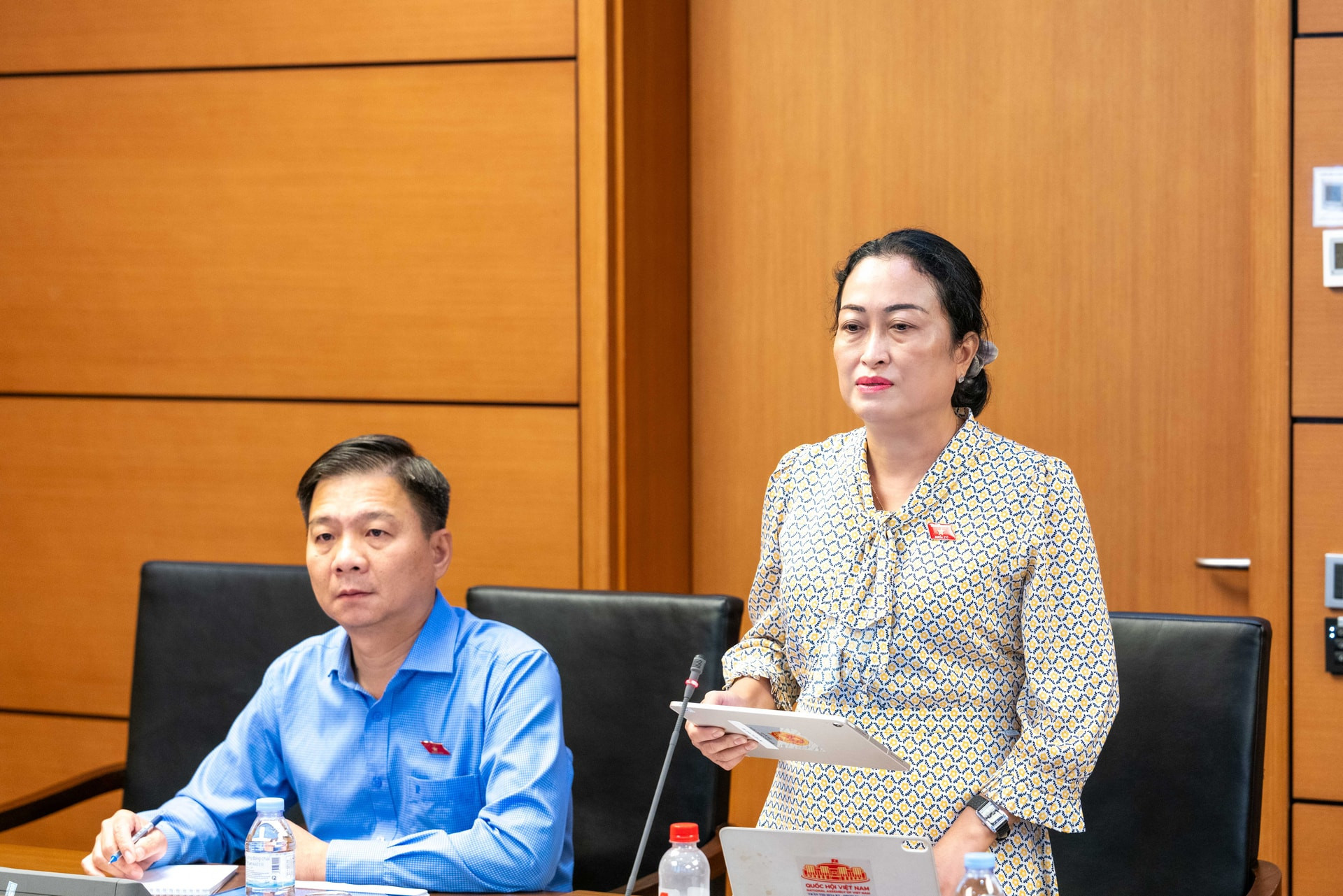
Vice Chairwoman of the National Assembly’s Ethnic Council Tran Thi Hoa Ry speaks during a group discussion on the draft National Assembly Resolution on breakthrough mechanisms and policies for the development of Vietnamese culture on April 20, 2026. Photo: quochoi.vn.
From another perspective, National Assembly delegate Hoang Ngoc Dinh of Tuyen Quang Province noted that many grassroots cultural facilities have been built but remain underutilized due to a lack of programming and effective management mechanisms.
“Appropriate operational mechanisms are needed so that grassroots cultural institutions become spaces for cultural activities, practice, transmission and the nurturing of community cultural life,” Dinh said.
Addressing cultural access barriers in disadvantaged areas
According to the Ministry of Ethnic and Religious Affairs report, approximately 34,000 households in ethnic minority and mountainous regions still lack access to the national power grid or other suitable energy sources. Around 28% of villages also do not have active traditional cultural or performing arts groups operating regularly.
These realities highlight the need for cultural development policies tailored to local conditions.
In Resolution No. 80-NQ/TW, the Politburo stressed that cultural development must be proactive, creative, persistent and suited to objective local circumstances.
In practice, Vietnam’s cultural sector has made considerable efforts to improve spiritual and cultural life in remote communities. One notable initiative has been the expansion of mobile cinema programs, which have helped narrow cultural access gaps where infrastructure remains limited.
In Thanh Hoa Province alone, there are 1,462 village-level administrative units in ethnic minority and mountainous areas. Statistics show that 23 villages still lack access to the national electricity grid, while approximately 20 villages remain without reliable mobile phone coverage.
To compensate for limited cultural opportunities, the Thanh Hoa Center for Tourism and Cultural Promotion and Cinema regularly organizes mobile film screenings in these communities. In 2025, the center conducted 1,450 screenings serving approximately 725,000 viewers.
“We need to prioritize cultural development in remote areas and gradually narrow cultural access disparities among regions in line with the 14th National Party Congress,” said Tran Thi Phuong Lan, Director General of the Department of Culture and Arts under the Party Central Committee’s Commission for Communication, Education and Mass Mobilization.
“Mobile cinema programs should not be limited to films already available from the Cinema Department. They should also screen content that local people actually want and need,” she said.
Nationwide, Vietnam currently operates 162 mobile cinema teams, delivering more than 28,000 screenings annually and serving millions of viewers, primarily in remote and disadvantaged areas.
According to Dang Tran Cuong, Director General of the Cinema Department under the Ministry of Culture, Sports and Tourism, these screenings provide more than entertainment for remote communities; they also strengthen social bonds and community cohesion.
However, major challenges remain. Equipment is often outdated and deteriorating, while available film resources are insufficient to meet public demand.
These limitations are expected to be addressed through investment incentives included in Resolution No. 28/2026/QH16, particularly policies supporting film production, distribution and public screenings.
The Ministry of Culture, Sports and Tourism is also drafting a decree on film distribution and screening for political and public service purposes, creating a legal framework to attract private investment into cultural initiatives serving remote regions.
Unlocking resources so culture can thrive within communities
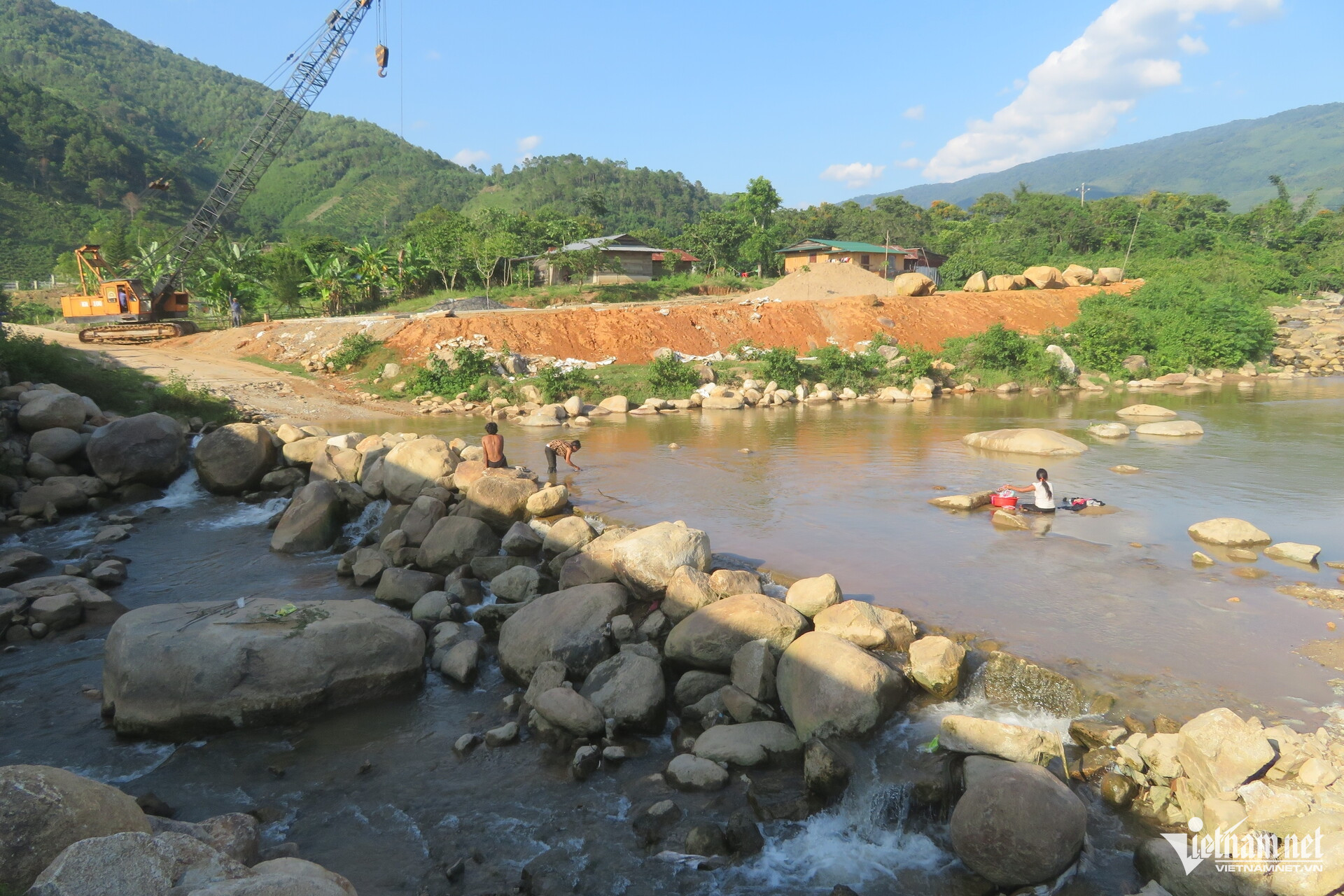
Living conditions remain difficult in many ethnic minority and mountainous areas, limiting opportunities for cultural participation. Photo shows a road leading to Dam Rong 1 Commune in Lam Dong Province. Photo: S.H.
In Resolution No. 80-NQ/TW, the Politburo called for a fundamental shift in approaches to mobilizing resources for cultural development. Under the resolution, state funding will play a guiding role while social and private-sector resources become important drivers.
According to Bui Hoai Son, a full-time member of the National Assembly’s Committee for Culture and Social Affairs, the resolution introduces breakthrough policies to promote public-private partnerships in the cultural sector.
“The resolution proposes public leadership with private management, public investment with private operation, and private investment with public use for certain cultural and sports institutions,” Son explained.
“It also encourages cultural and artistic patronage models based on voluntary, non-profit contributions while strengthening the role and social responsibility of organizations and individuals within the cultural ecosystem.”
According to Associate Professor Bui Hoai Son, this represents a meaningful breakthrough because the value of cultural institutions does not lie merely in the existence of physical infrastructure. Rather, it lies in the ability to transform those facilities into living community spaces where creativity, education, cultural exchange and cultural enjoyment can flourish.
Ultimately, narrowing cultural access gaps is not simply a matter of building facilities or organizing activities. It is also about empowering communities to preserve and develop the cultural values they already possess.
When people are able to access, participate in and contribute to cultural life, culture becomes a genuine source of internal strength - helping reshape attitudes, eliminate outdated customs and improve quality of life while supporting sustainable development.
Sy Hao
.svg)
