 Vietnamnet.vn

 Podcast



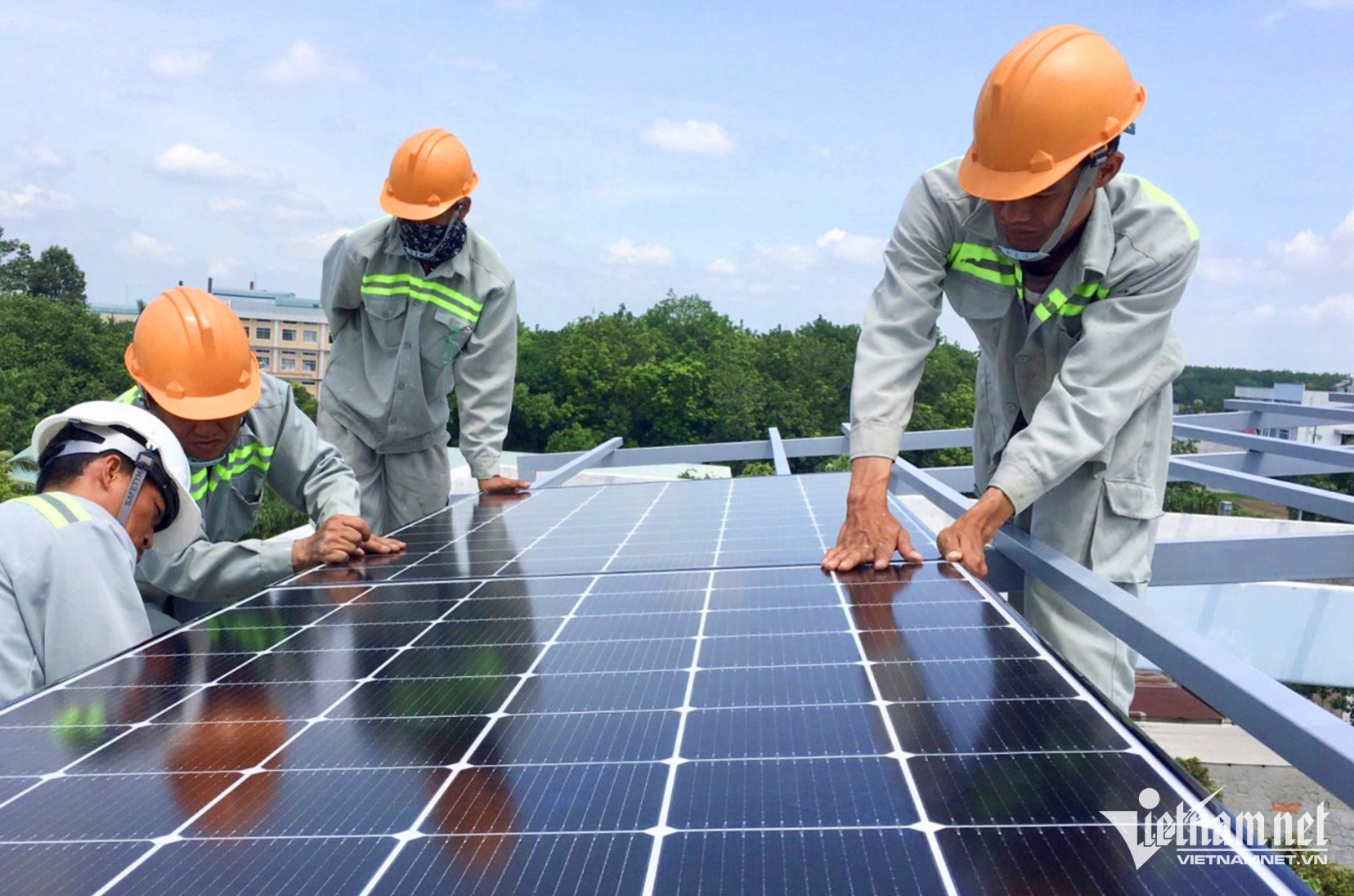
The Government has issued Decree No. 243/2026/ND-CP, amending and supplementing several provisions of Decree No. 57/2025/ND-CP on direct power purchase agreements between renewable energy generators and large electricity consumers, as well as Decree No. 58/2025/ND-CP detailing several provisions of the Electricity Law regarding renewable energy and new energy development. The decree took effect on June 26, 2026.
Notably, Decree 243 clearly defines the mechanism for trading surplus electricity. Eligible self-produced and self-consumed rooftop solar systems include:
Rooftop solar systems installed on detached residential homes.
Rooftop solar systems connected to the national power grid at the low-voltage level.
Rooftop solar systems installed in mountainous, border and island areas that have local electricity networks but are not connected to the national grid.
Rooftop solar systems installed on public assets. The sale of surplus electricity from these systems must comply with the decree, regulations governing public asset management and use, other relevant laws, and the functional responsibilities of the seller.
Other self-produced and self-consumed rooftop solar systems connected to the national grid that fall within approved capacity under national power development plans, implementation plans or provincial electricity network development plans.
The decree also specifies that tradable surplus electricity includes excess power generated by rooftop solar systems as well as electricity discharged from energy storage systems charged by rooftop solar installations, where applicable.
Surplus electricity is measured at the output of the inverter. Under the general rule, the amount traded is determined through agreement between the buyer and seller but cannot exceed 50% of electricity generated at the rooftop solar system's output under solar radiation conditions.
From the effective date of the decree through December 31, 2030, however, the two parties may agree to trade surplus electricity exceeding 50% of generated output, provided that the local electricity grid has sufficient capacity to receive the power and the transaction meets grid safety and system operation requirements.
For mountainous, border and island areas that have not yet been connected to the national power grid, there is no limit on the amount of surplus electricity that may be sold. Payments are based on the total electricity supplied to the purchaser's grid as measured by the electricity meter.
Once these areas are connected to the national grid, surplus electricity trading will follow the standard 50% limit or any higher permitted threshold applicable at the time.
For monthly settlements, if the actual surplus electricity delivered to the buyer's grid exceeds the agreed volume, payment will be made only for the agreed quantity, measured in kilowatt-hours (kWh).
If the actual surplus electricity supplied is lower than the agreed amount, payment will be based on the actual electricity delivered to the buyer's grid as recorded by the electricity meter.
The purchase price for surplus electricity will be based on the average electricity market price of the previous year, as announced by the electricity market operator, and calculated in Vietnamese dong per kilowatt-hour.
If the previous year's average electricity market price exceeds the maximum price under the regional tariff framework for utility-scale ground-mounted solar power without battery storage, the purchase price will instead be capped at that maximum tariff, excluding value-added tax.
Organizations and individuals selling surplus electricity are required to obtain an electricity operation license unless they qualify for an exemption under applicable regulations.
Tam An
.svg)
