 Vietnamnet.vn

 Podcast



Amid the vast northeastern sea, Tran Island quietly welcomes Tet at the nation’s frontline. There are no flower streets, no Tet markets, yet more than a dozen households alongside officers and soldiers steadfastly hold their ground, preserving a rhythm of peaceful life at this remote outpost.
Wrapping chung cakes in salty winds and distant waves
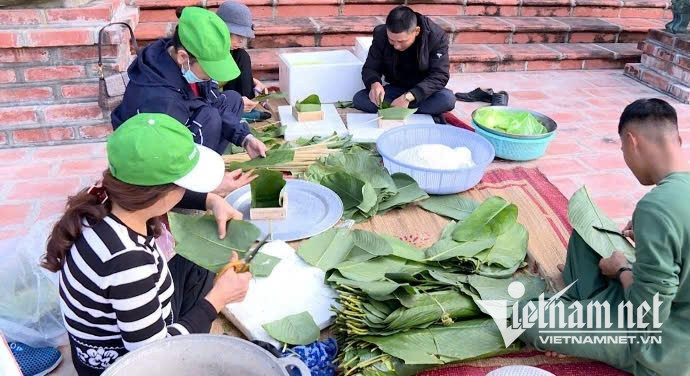
In the final days of the year, while the mainland bustles with shopping and celebration, Tran Island - a frontline island of Quang Ninh province - maintains its unhurried calm in the middle of the ocean. Only 12 households live here, their modest homes leaning against the mountain slopes, facing the open sea.
Tet on Tran Island has no holiday market, no flower fair, no streets aglow with decorative lights like those in lively cities. Yet inside every home, the spirit of Tet is present in its own way. Dong leaves are transported from the mainland, sticky rice and green beans carefully prepared and saved days in advance. Kitchen fires are lit early, pushing back the briny chill of the year-end sea winds.
Men tend the fire and split firewood, while women deftly wrap chung cakes. Outside, sea winds sweep across the porch, salty air settling into the folds of each green leaf, but the pot of cakes simmers steadily through the night. On Tran Island, wrapping chung cake is not merely preparing a traditional dish - it is a way of preserving custom, of maintaining a living connection with the mainland.
“There may be few of us on the island, but Tet cannot be without chung cake. With chung cake, there is Tet; with Tet, there is home,” said Dong Thi Nham, a resident.
Her simple words capture the spirit of welcoming Tet at the frontline - where material conditions remain limited, yet everyone carries a deep reverence for tradition.
At midnight, Tran Island remains quiet. There are no fireworks, no dazzling lights. Only the rhythmic sound of waves breaking against rocky cliffs, and the warm yellow glow spilling from small homes. The Tet meal is neatly arranged, incense lit on ancestral altars, carrying hopes for a peaceful year and calm seas.
The national flag flying over vast seas
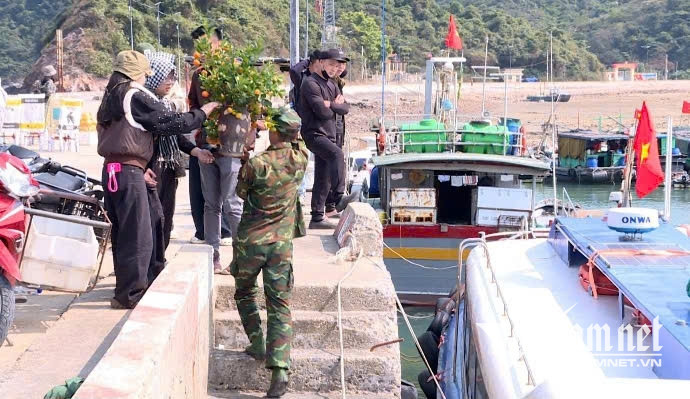
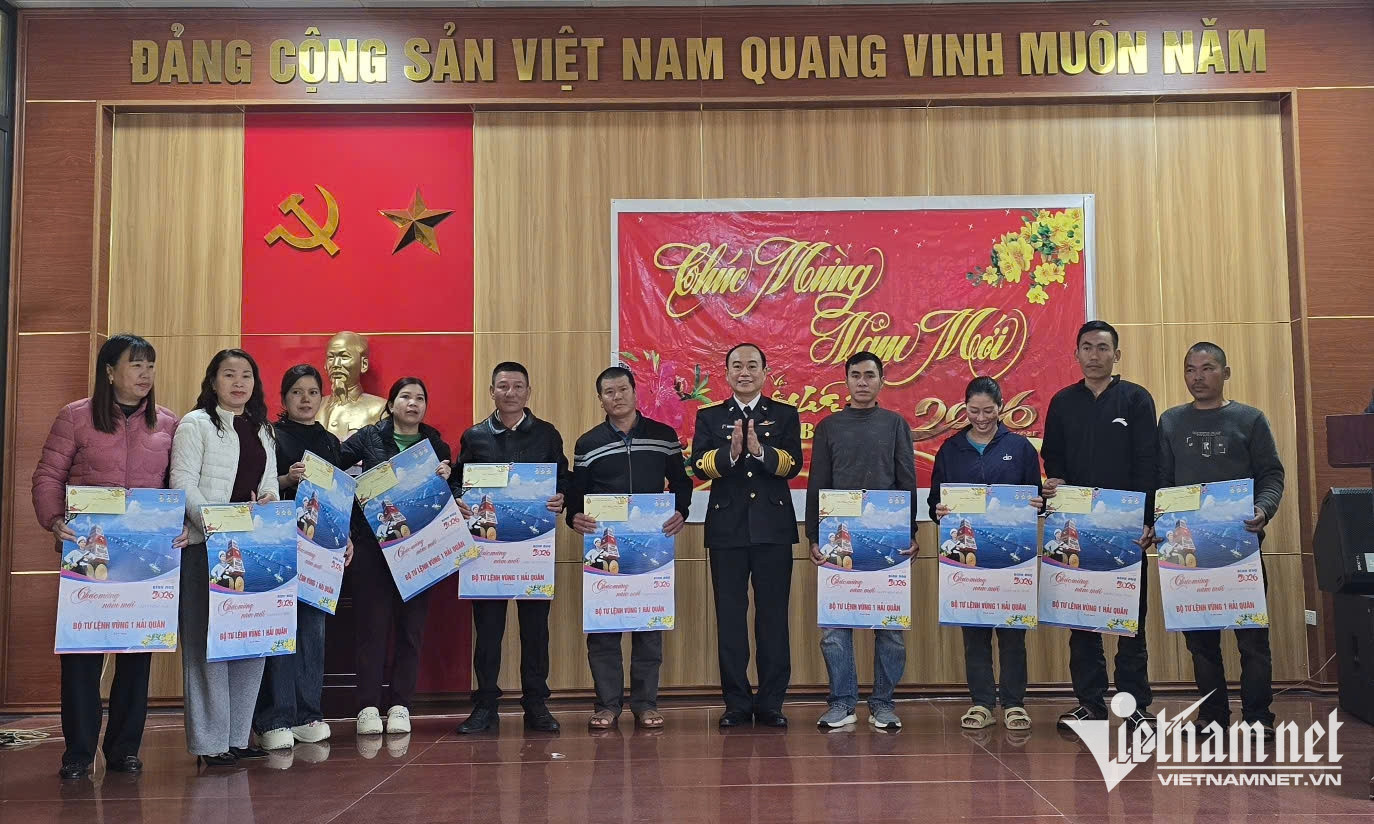
One distinctive feature of Tet on Tran Island is the constant presence of officers and soldiers on duty. There is no distance, no elaborate ceremony - soldiers and residents celebrate together, wrap cakes together, welcome the New Year together, and raise cups in shared wishes for peace.
At the nation’s frontline, Tet becomes a bond uniting the military and civilians, forming a small but resilient community in the open sea.
According to Major Vu Tien Cong, Political Commissar of the Tran Island Battalion under Brigade 242, Military Region 3, the unit strictly maintains combat readiness, conducts regular patrols and guards, and ensures security and safety across the island. Although they celebrate Tet far from their families, officers and soldiers uphold a strong sense of responsibility, remaining vigilant and ensuring absolute safety for the island.
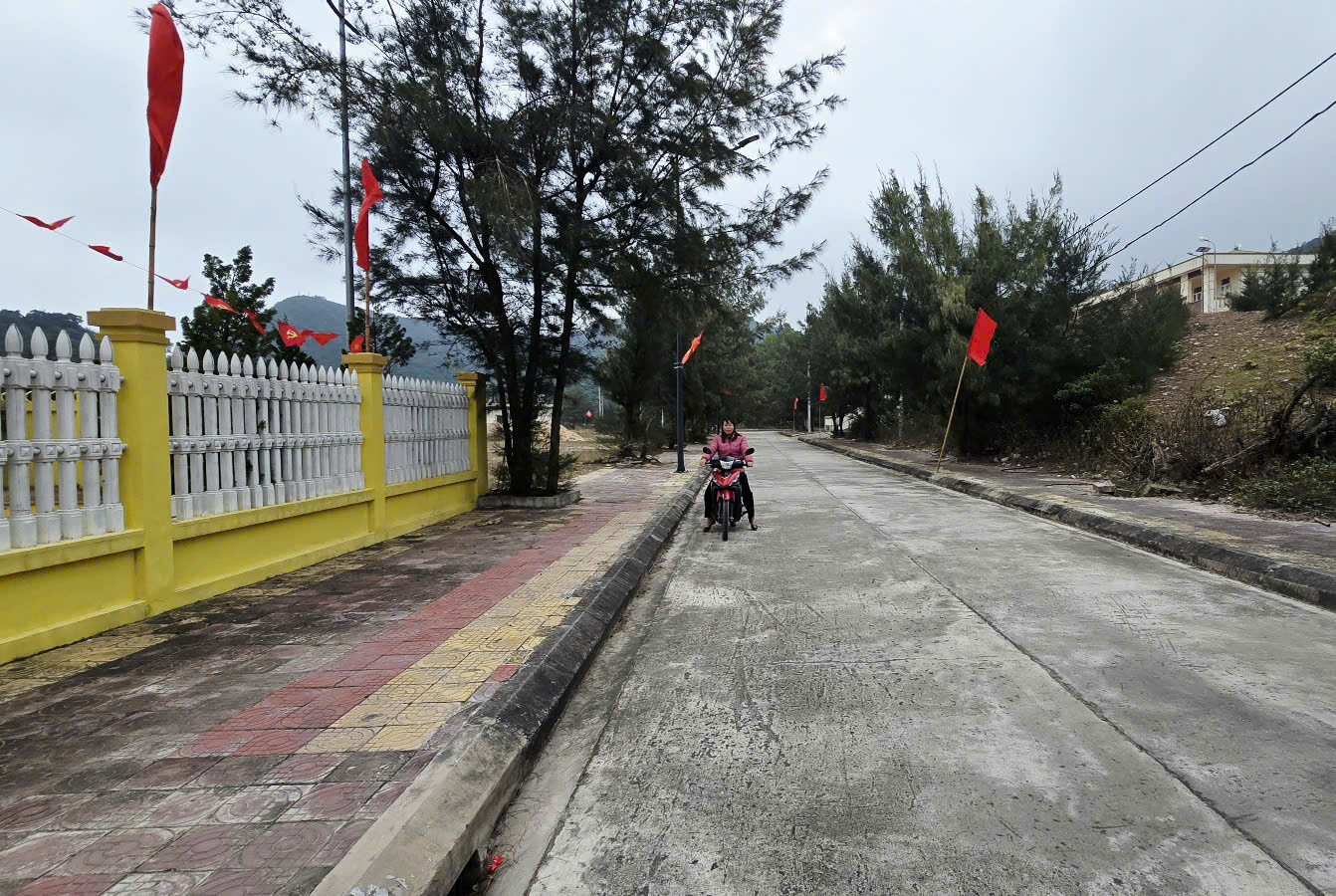
On the morning of the first day of the Lunar New Year, as the sun rises from the sea, the national flag is already flying along the island’s roads and in front of homes. On Tran Island, raising the flag during Tet has become a cherished custom with sacred meaning. Amid the immense sea and sky, each red flag with a yellow star stands as a living marker of sovereignty.
Children step outside with their parents, looking up at the flag fluttering in the spring wind, listening to stories about the island, the sea and the mainland. Tet here is not only about reunion, but also a quiet transmission of the consciousness of safeguarding sovereignty from one generation to the next.
Life on Tran Island remains challenging. Each boat trip depends on weather conditions; freshwater and food must always be used sparingly. Yet during Tet, care and support from the mainland, from local authorities and the armed forces, help residents feel that though they live far away, everything still feels close.
Tran Island belongs to the Co To Special Administrative Zone and hosts radar stations of Navy Region 1. According to Rear Admiral Vu Van Nam, Commander of Navy Region 1, military units here always stand shoulder to shoulder with the people in every circumstance.
Although the number of resident households remains modest, the island occupies a position of special importance along the northeastern maritime route of the country. The enduring presence of naval officers, soldiers and civilians living side by side is vivid proof that national sovereignty is safeguarded not only by defense missions but also through everyday life.
In the middle of the vast sea, more than a dozen rooftops on Tran Island welcome Tet. Each pot of chung cake, each New Year’s meal, each national flag fluttering in the wind is a living image of the will to protect the island.
My Dung
.svg)
