 Vietnamnet.vn

 Podcast



When travelers talk about Quang Ninh’s famous islands, names like Co To, Quan Lan, Minh Chau or Cai Chien usually come first.
Few, however, know about Ngoc Vung - an island often described as a “hidden pearl” for its untouched beauty, slow pace of life and peaceful atmosphere.
Curious travelers search for the “mysterious” island
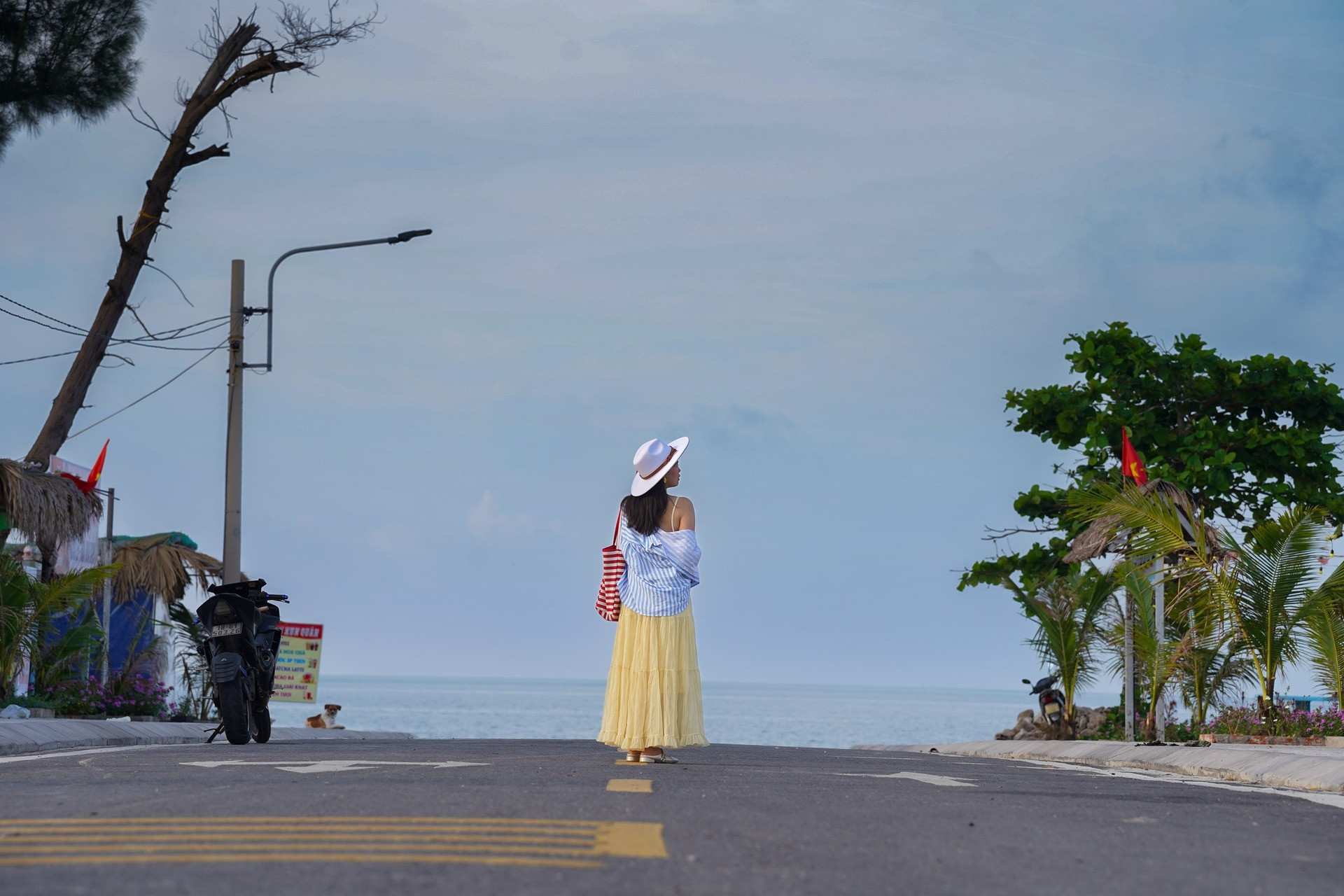
Ngoc Vung Island features untouched coastlines, white sand beaches and calm turquoise waters.
In mid-May, Le Yen and her husband from Hanoi traveled with close friends on a three-day, two-night trip to Ngoc Vung Island.
“I first heard about the island two years ago, but it felt so unfamiliar that I never considered visiting,” Yen said. “Recently, a friend highly recommended it, so I started researching Ngoc Vung. It truly feels like a mysterious island because information online is still very limited. We spent nearly a week looking into accommodations and activities, even contacting homestay owners directly before deciding to go,” she added.
Ngoc Vung Island belongs to the Van Don special administrative zone in Quang Ninh Province.
The island covers roughly 45sq.km and is surrounded by eight smaller land islands and hundreds of rocky islets.
According to the Quang Ninh provincial portal, the surrounding waters were once famous for pearl oysters.
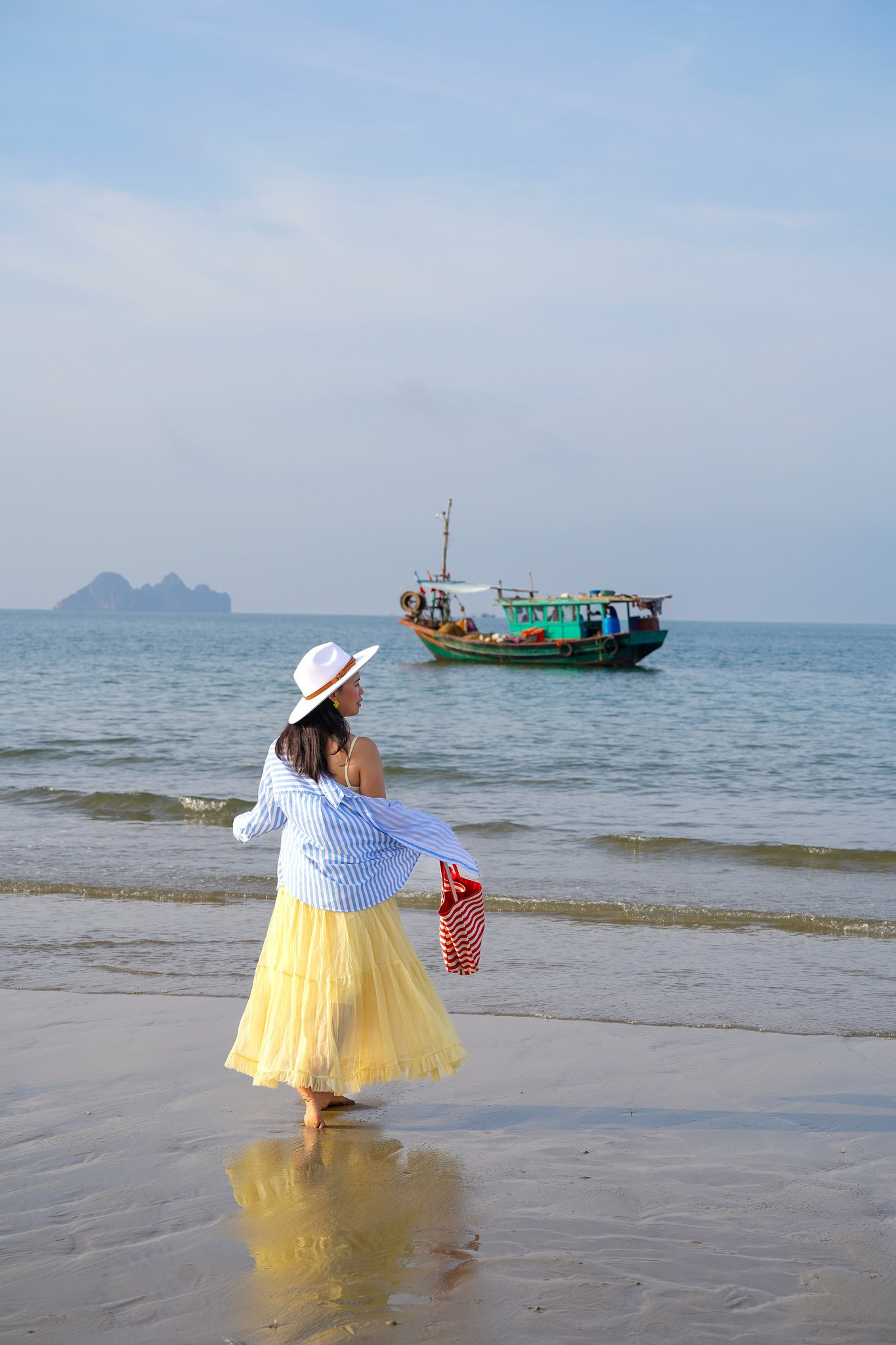
At night, the glowing pearls illuminated the sea, leading locals to name the island Ngoc Vung, meaning “shining pearl.”
The island remains largely untouched, with sweeping white sand beaches, crystal-clear waters and gentle waves.
From Hanoi, Yen’s group drove about 2.5 hours to Vung Duc Port in Cam Pha before taking a canoe to the island.
The canoe ride lasted around 30 minutes, though transportation costs were relatively high.
According to Yen, a shared canoe for a group of 10 costs around VND200,000 ($7.70) per person each way.
Her group of four hired a private canoe for VND3 million ($115) round trip.
“Visitors can also take a wooden boat for around VND100,000 ($3.85) per trip, but the journey takes between one and one-and-a-half hours. There are currently no high-speed boats to Ngoc Vung,” she said.
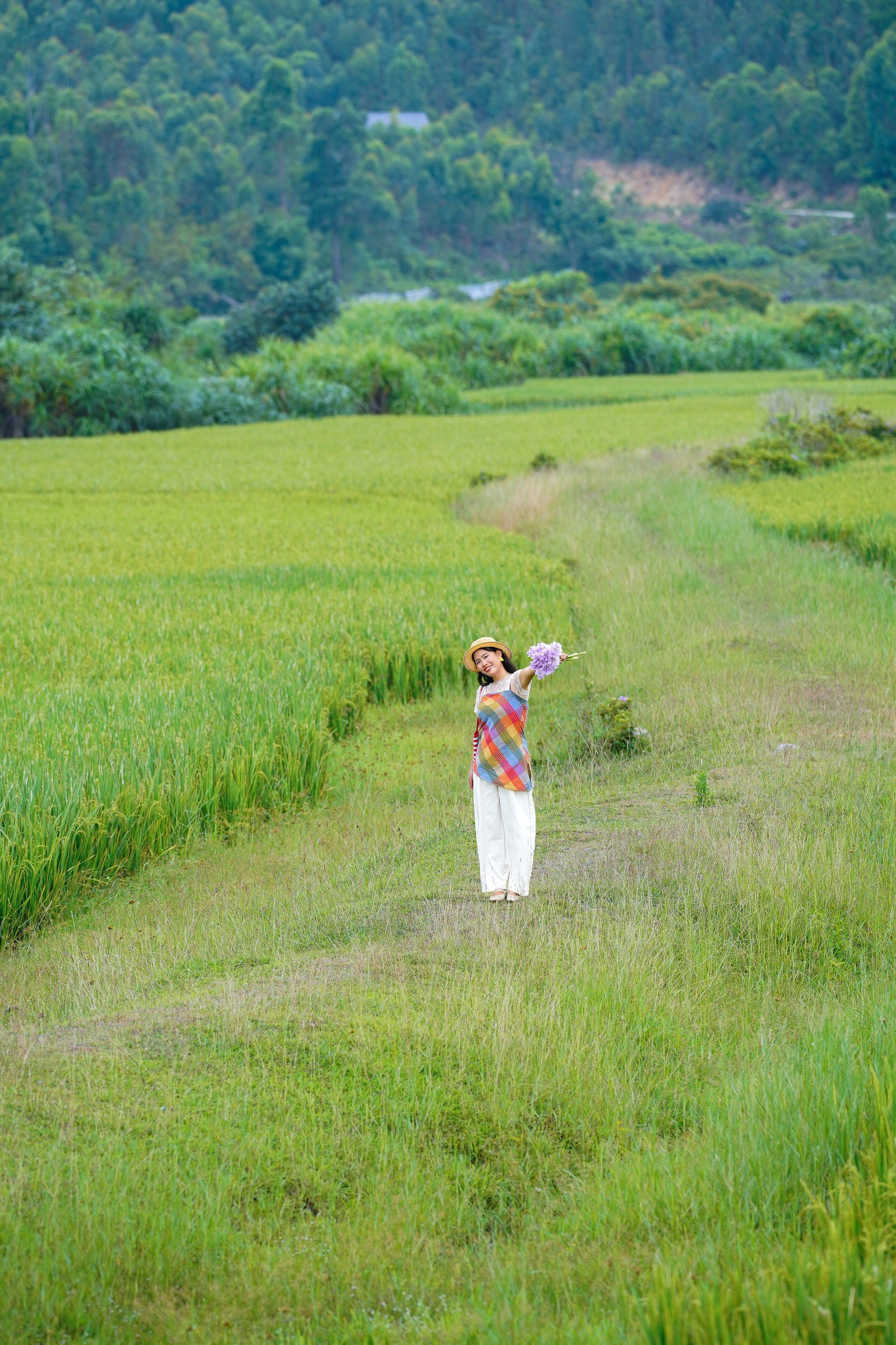
The island is also home to scenic rice fields alongside its beaches.
Unlike the lively atmosphere found on many well-known tourist islands, Ngoc Vung impressed Yen with its quiet simplicity.
The island remains sparsely populated, with locals relying mainly on fishing, aquaculture and farming.
Only in recent years have residents begun developing tourism services.
“I was surprised to see large and beautiful rice fields on the island,” Yen said. “The electric cart driver explained that some villages focus on tourism, others on seafood farming, agriculture or fishing. It still feels deeply rooted in local life.”
The group stayed at a homestay located around 400m from the beach.
According to Yen, accommodation options on the island remain limited, mostly consisting of small, rustic homestays with modest facilities suited to nature lovers.
“If visitors are looking for luxury resorts, air-conditioning and premium services, this island may not be the right choice,” she said. “But for anyone wanting to disconnect and slow down for a few days, it’s ideal.”
Drifting toward a deserted island adventure
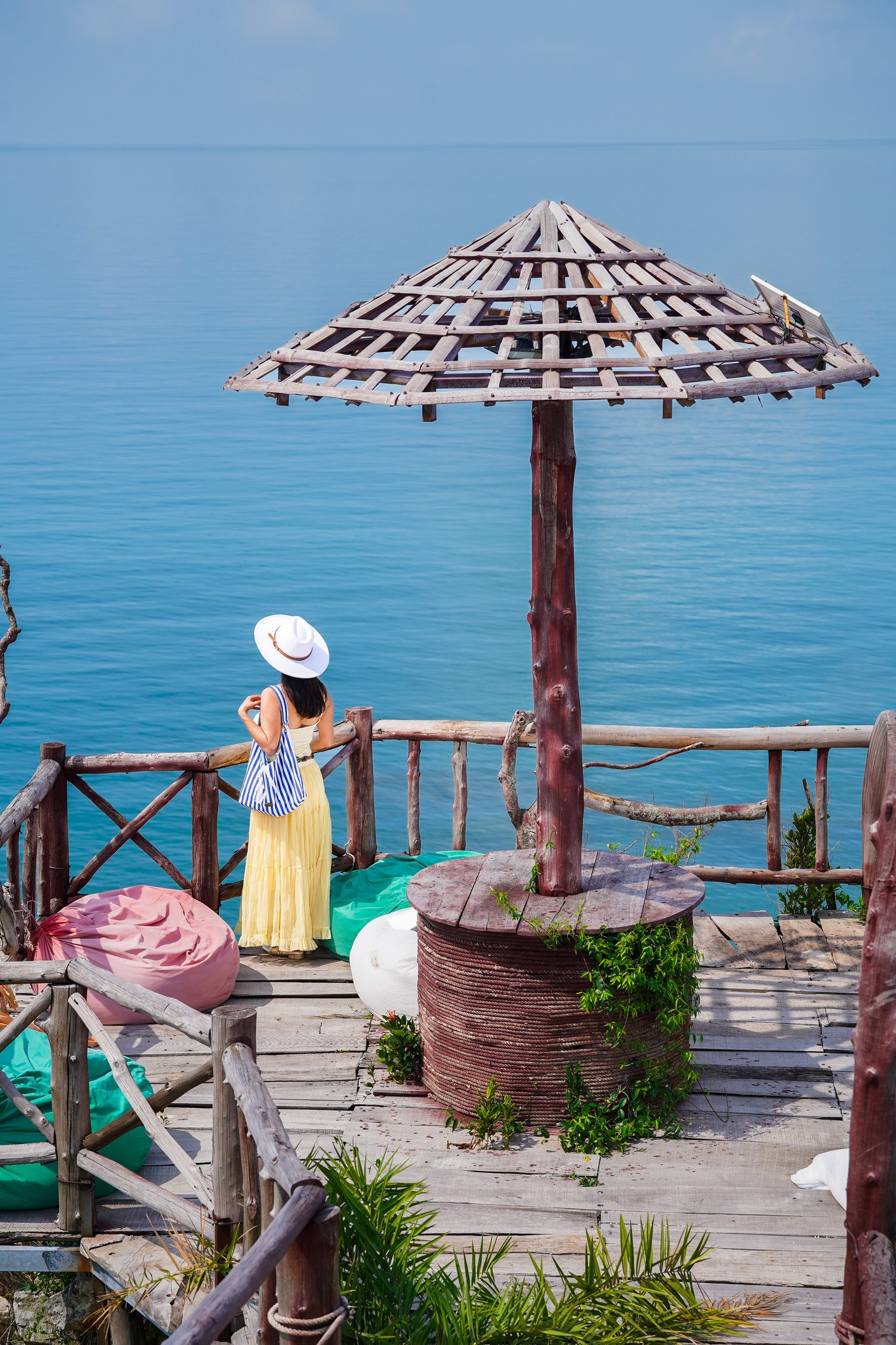
Hon Phao Dai offers panoramic ocean views.
The highlight of the trip turned out to be an unplanned excursion to a deserted island located about 30 to 40 minutes away from Ngoc Vung by fishing boat.
After hearing a homestay owner describe the island’s crystal-clear water, powdery white sand and natural caves, the group decided to hire a local fishing boat for the experience.
“It was my first time sitting on a small fishing boat drifting in the open sea, so I felt both excited and nervous,” Yen recalled.
After nearly 40 minutes on the water, the group arrived at a pristine beach surrounded by emerald-colored sea, accompanied only by the sound of waves and wind.
They spent most of the afternoon paddleboarding, swimming, exploring caves and enjoying fresh seafood directly on the beach.
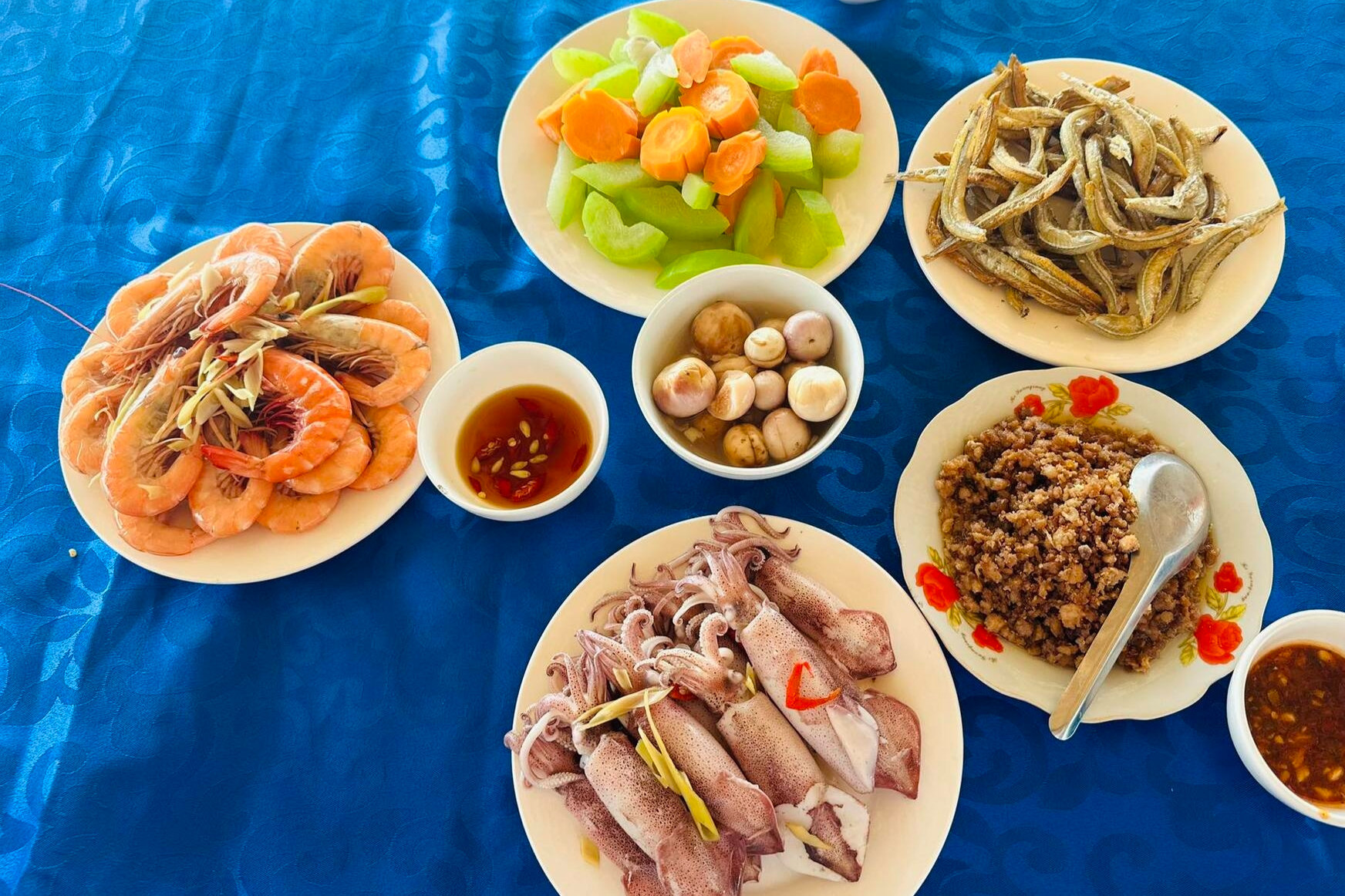
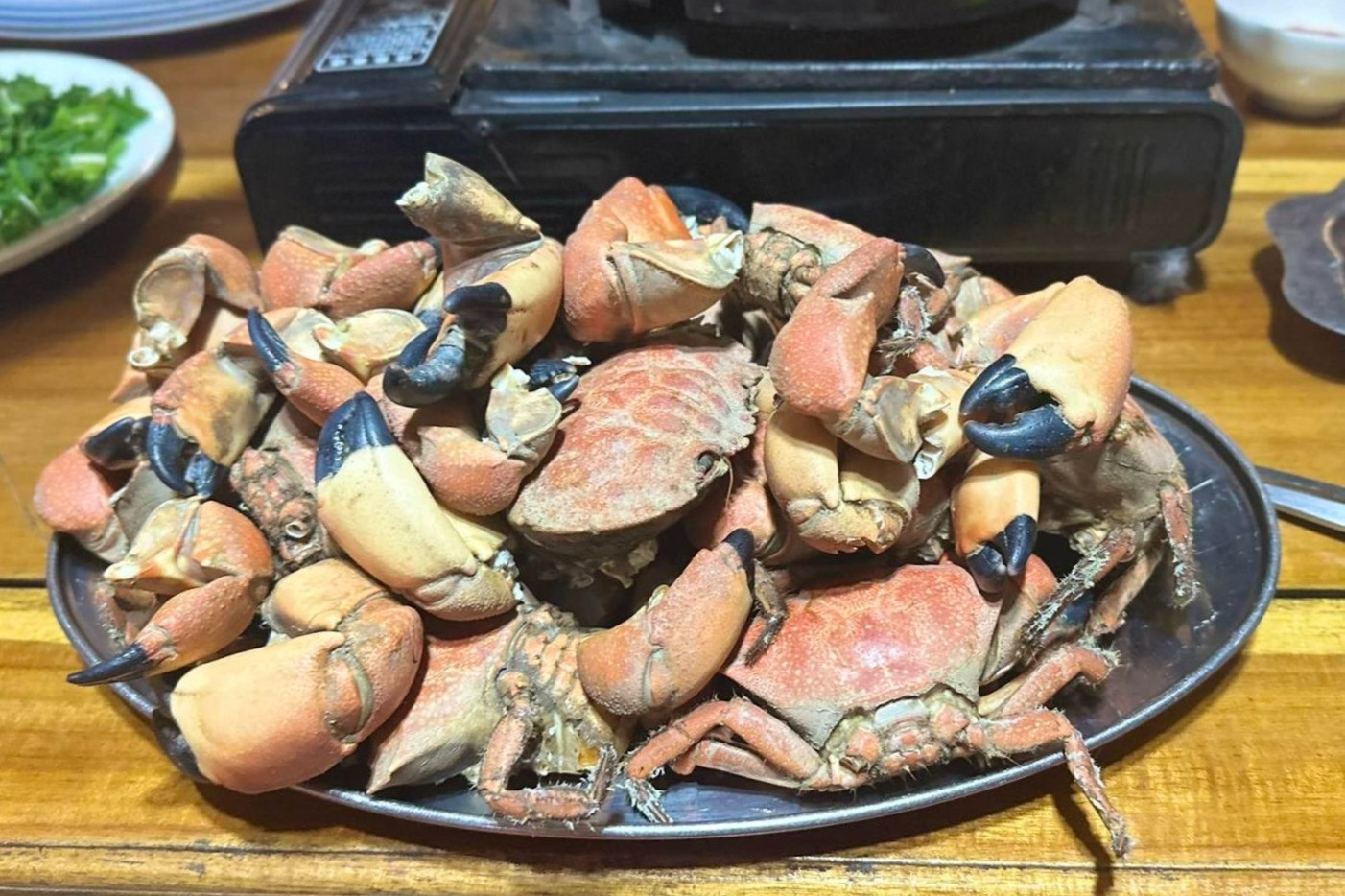
Fresh local seafood became one of the highlights of the trip.
On the second and third days, the group rented motorbikes and explored the island at their own pace.
They visited Hon Phao Dai, often described as Ngoc Vung’s “windy cape,” where visitors can enjoy panoramic views of the endless blue sea.
The group also stopped by the Ho Chi Minh memorial temple, the Temple of the Sea King, the island’s largest freshwater lake and rice fields entering harvest season.
One of the island’s most striking attractions is Truong Chinh Beach, known for its turquoise water and smooth white sand stretching nearly 3km in a crescent shape.
Evenings on Ngoc Vung remain quiet, with few entertainment options beyond simple wooden seaside restaurants.
“We lay in hammocks listening to the waves, ate hotpot in the fishing village and enjoyed the strong sea breeze. It felt incredibly relaxing,” Yen said.
The group was particularly impressed by the freshness of the seafood and the local cooking style.
Dishes including cu ky crab, grouper hotpot, clam soup and grilled scad fish left a strong impression on the Hanoi visitors.
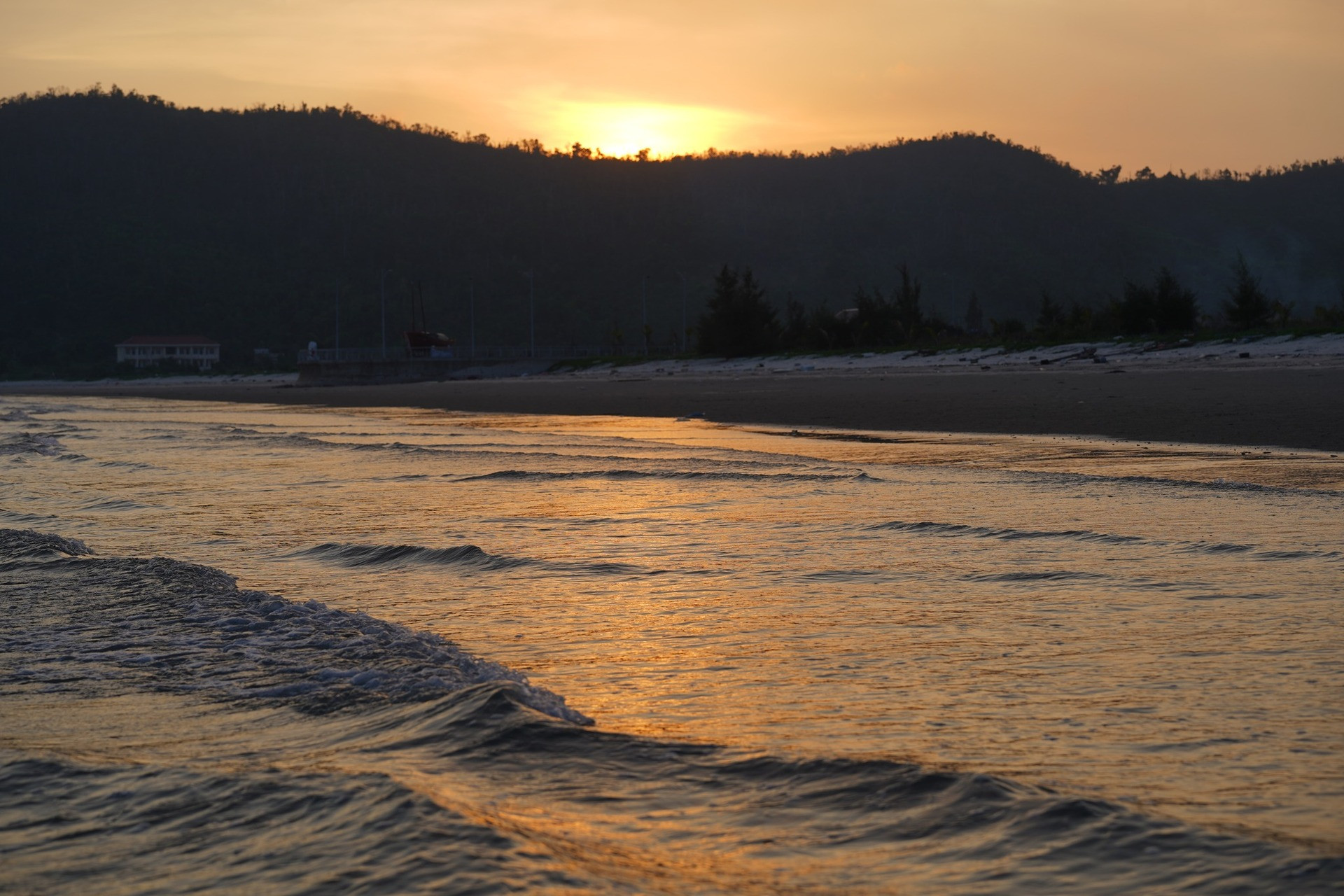
Sunrise and sunset on Ngoc Vung leave a lasting impression on visitors.
“The clam soup was so good that I ate two bowls of rice, even though I normally don’t eat much rice,” Yen said. “The squid and shrimp were also incredibly fresh. Visitors can even join local fishermen catching seafood.”
After only a few days on the island, what stayed with the group was not only the scenery but also the warmth and hospitality of local residents.
Yen plans to return in June with her children for a week-long summer holiday.
She believes the island’s natural surroundings and simple local experiences will give children unforgettable summer memories.
At the end of the three-day, two-night journey, the group spent around VND2.5 million ($96) per person, excluding the separate boat trip to the deserted island.
According to Yen, the cost was reasonable for “good food, cool nights and a true slow-living experience.”
Linh Trang
.svg)
