 Vietnamnet.vn

 Podcast



Tran Nghi
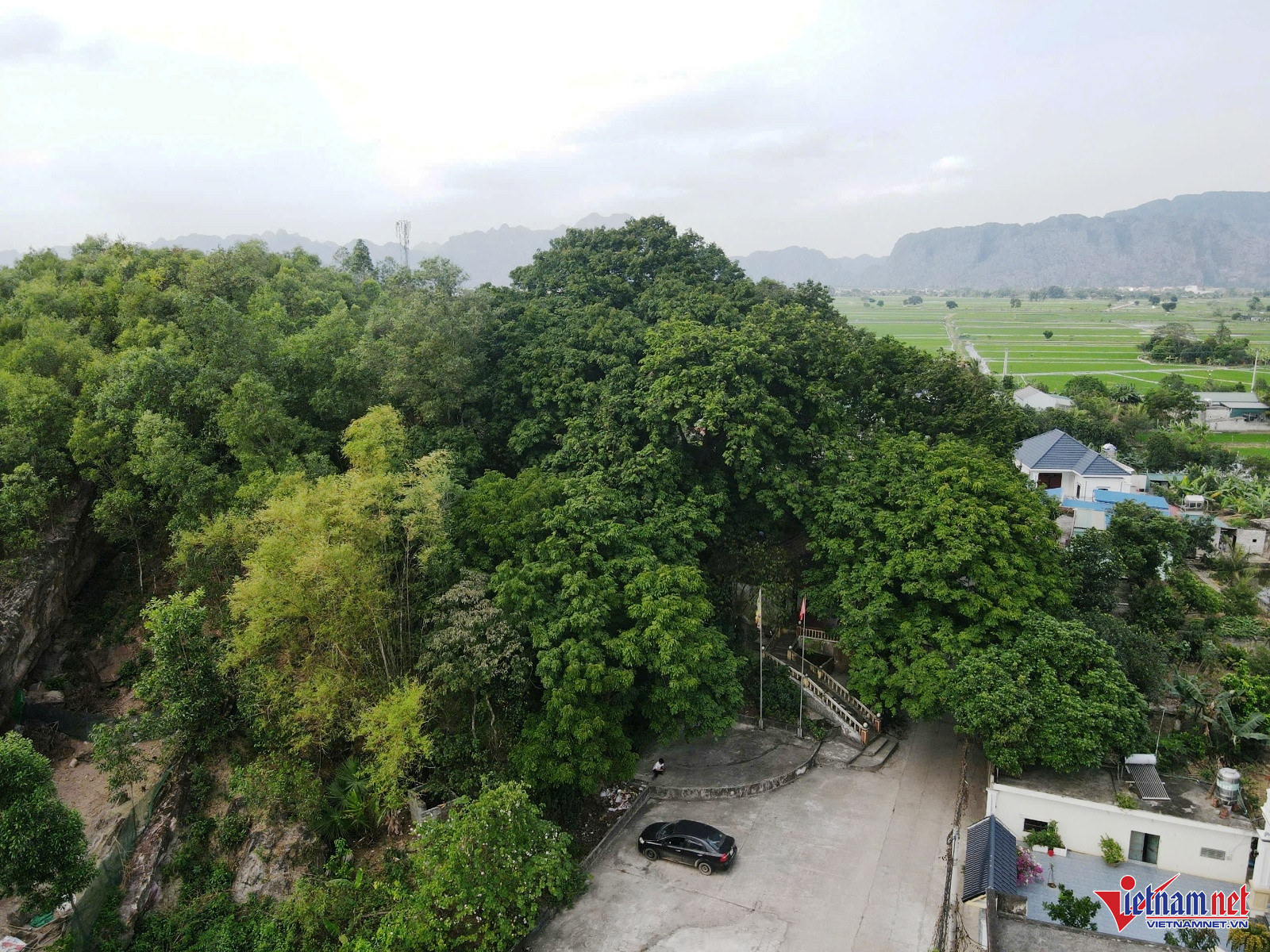
On a hill in Ninh Binh stands an ancient temple and a cluster of ironwood trees believed to be more than 600 years old - regarded by local residents as treasured heritage, protected across generations.
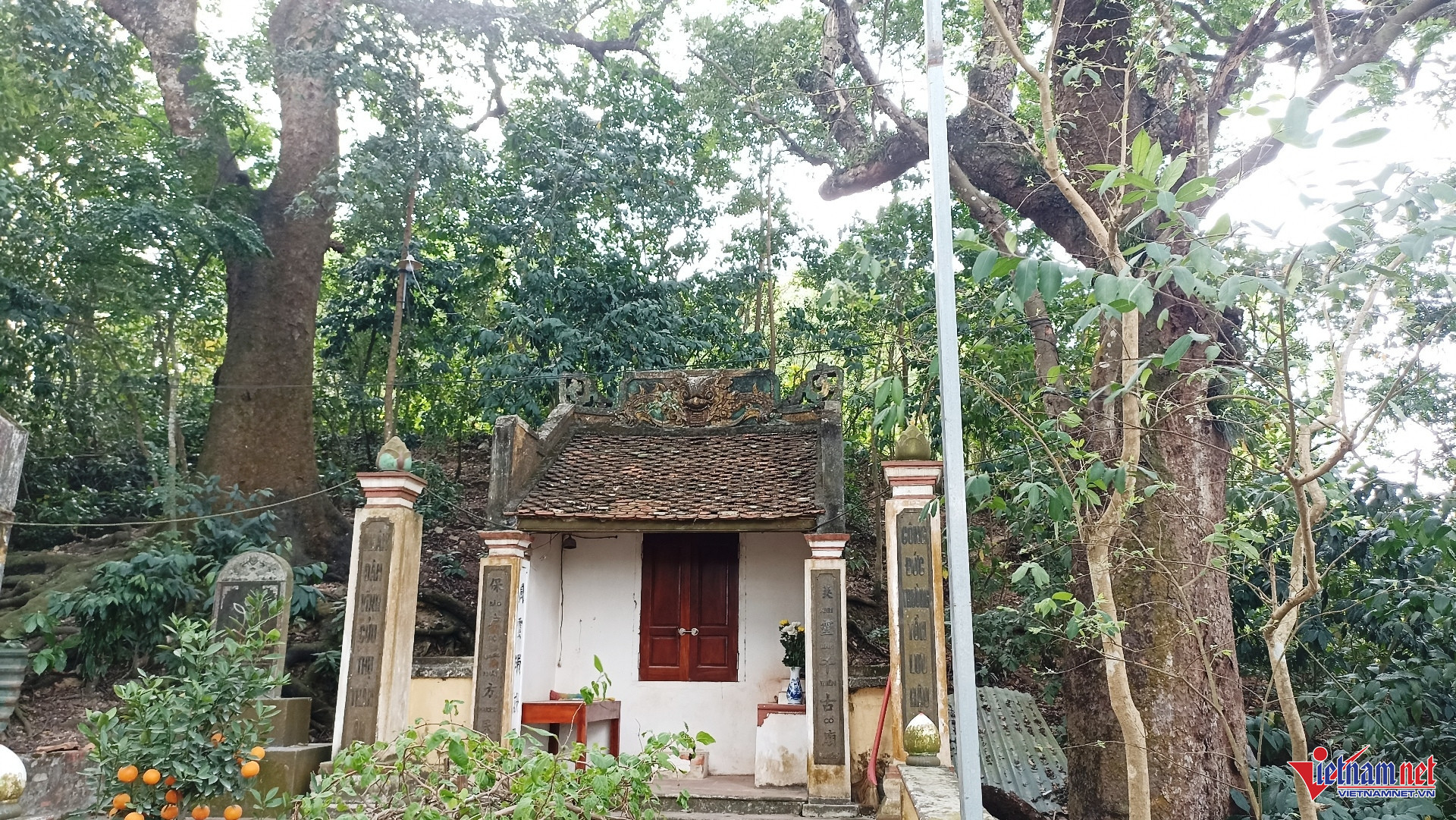
Bich Son hill lies in Gia Van commune. At its heart is Bich Son Temple, often referred to as Lim Temple, a centuries-old site imbued with a sense of quiet reverence. Surrounding it is a rare grove of ancient ironwood trees that villagers consider priceless.
According to local accounts, the temple was established around the 18th century as a place of worship dedicated to forest deities and the Mother Goddess of the Highlands. In 1916, an additional shrine was built to honor the Mother Goddess.
The grove of ancient ironwood trees, however, predates any written record. Elders in the village believe the trees have existed since the earliest days of settlement, with an estimated age of over 600 years.
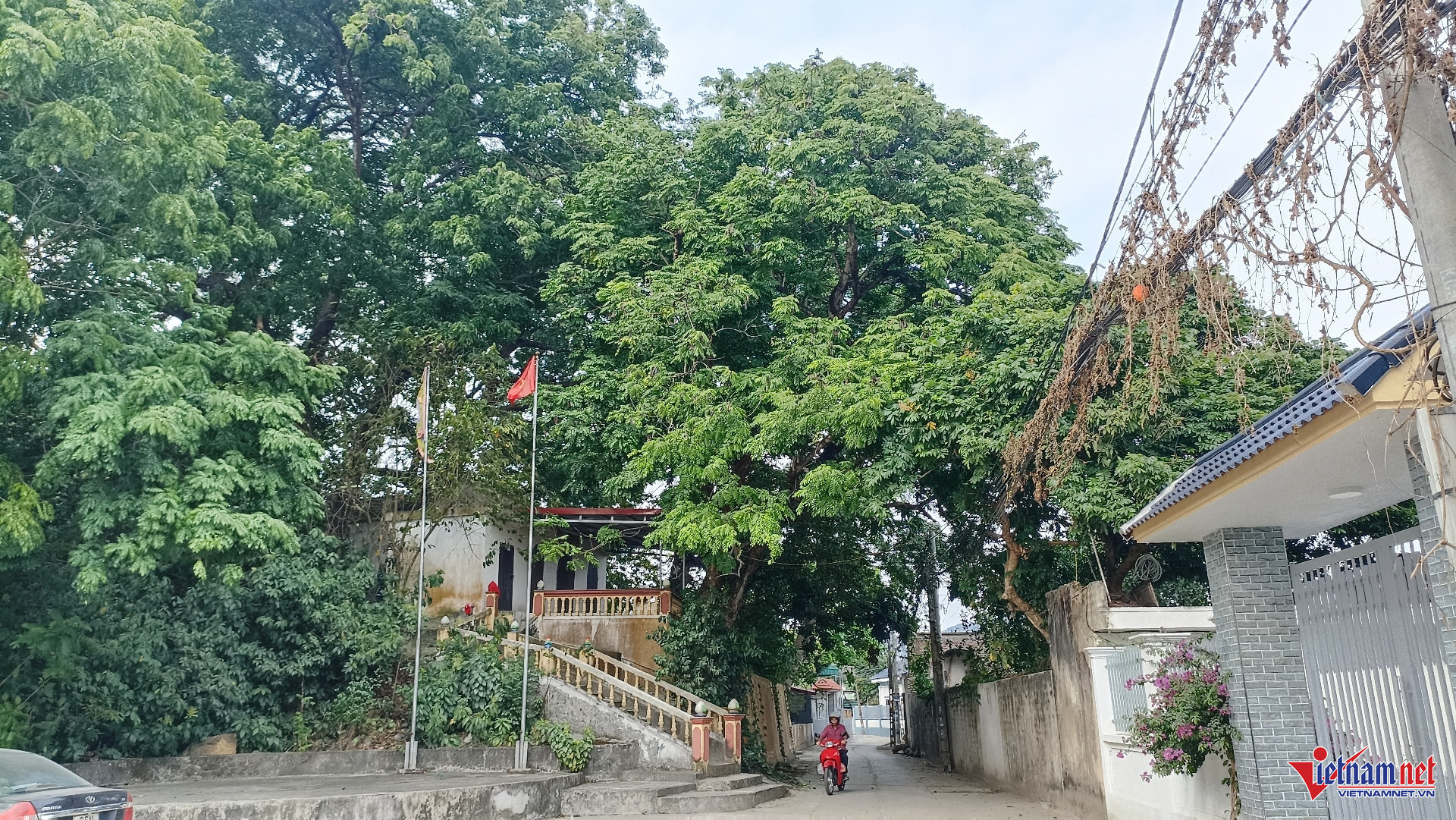
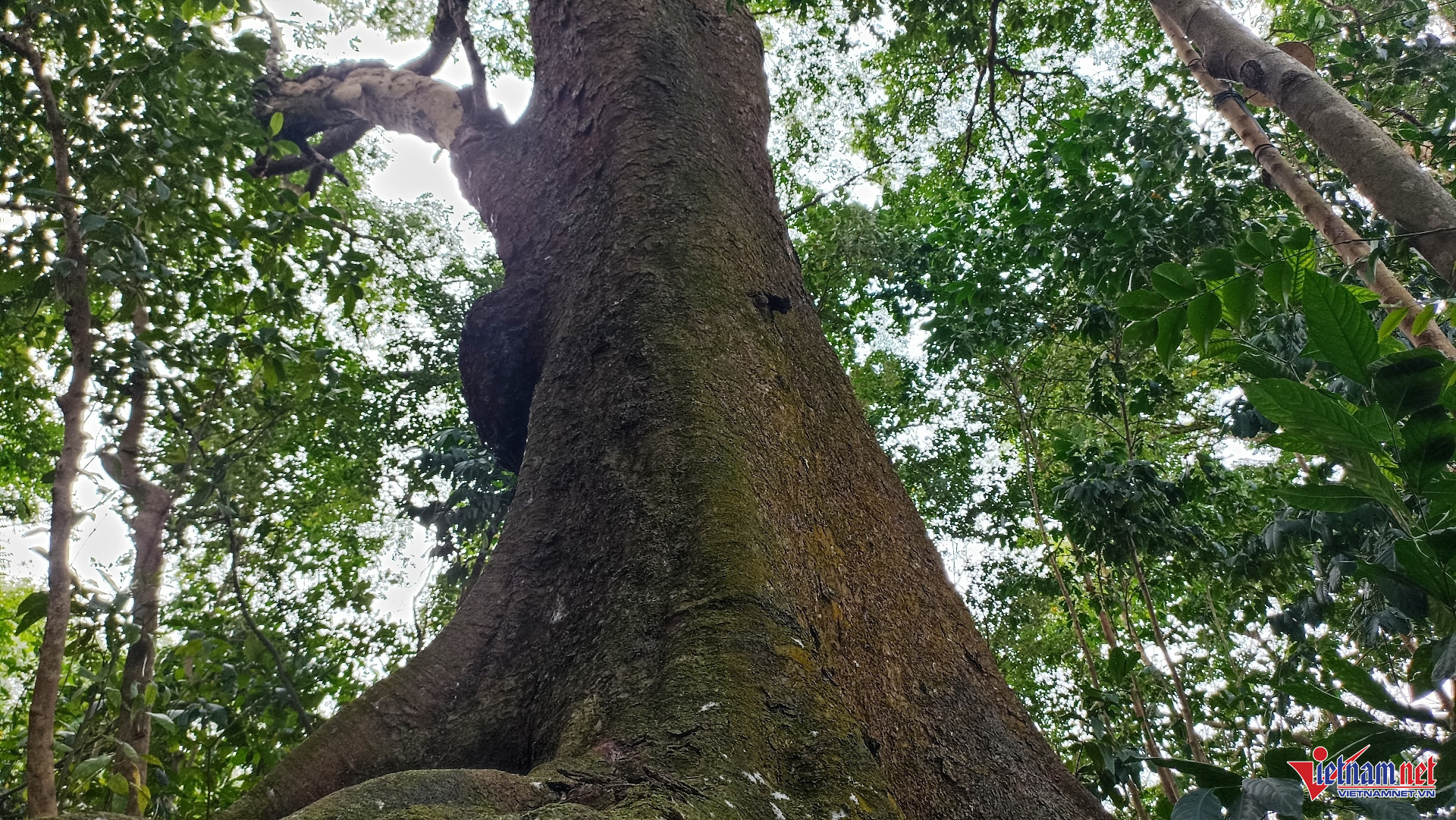
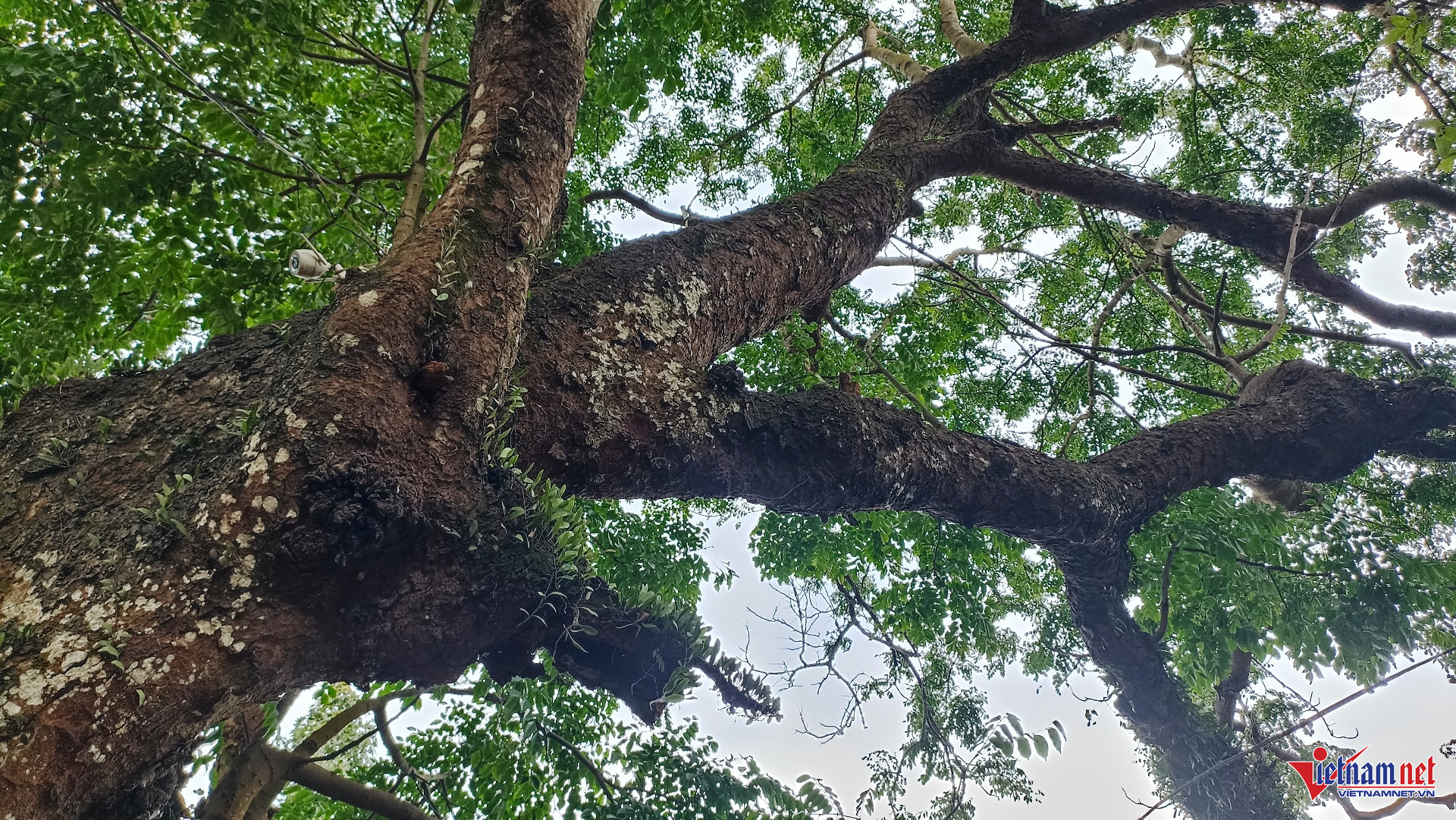
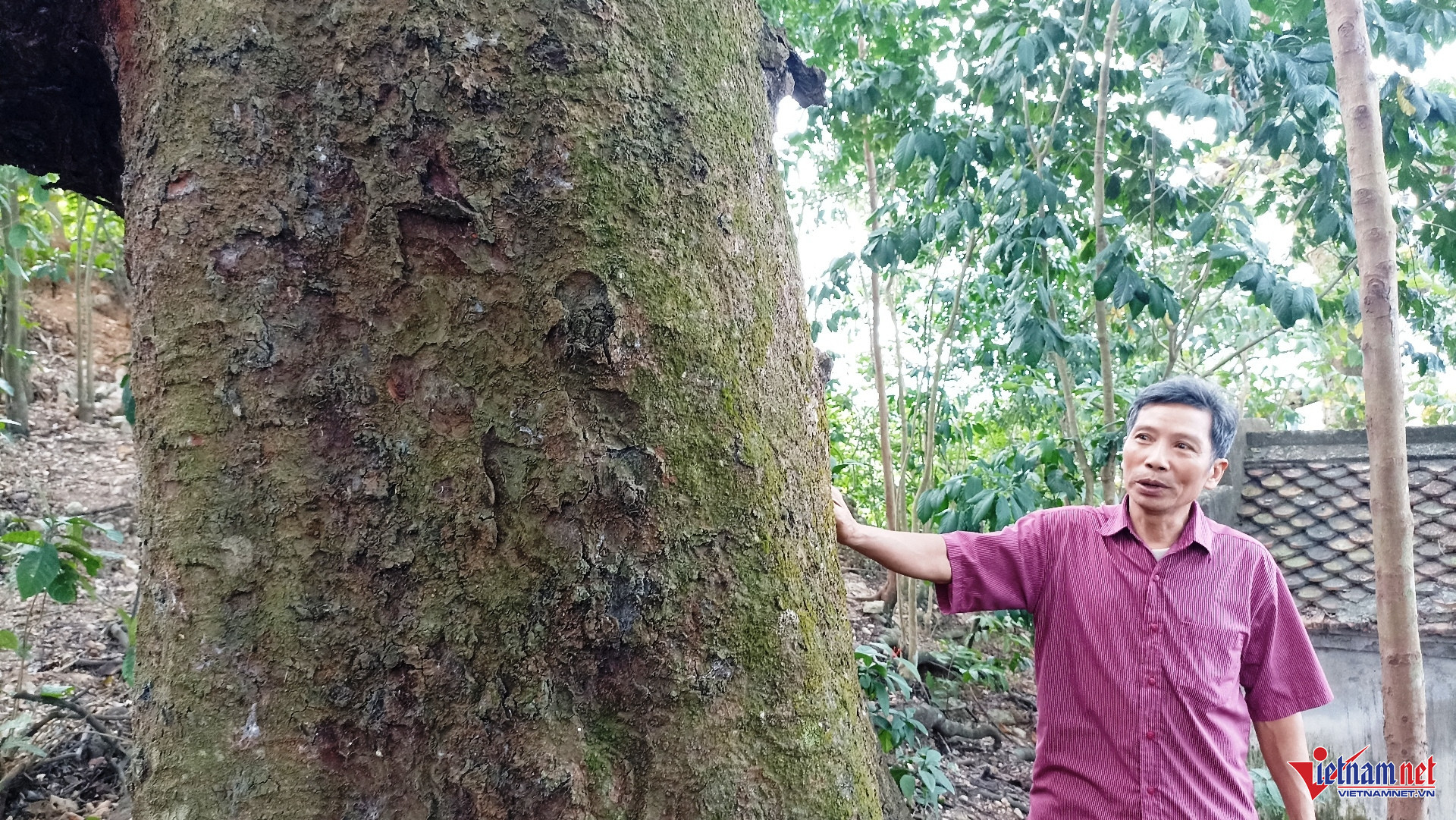
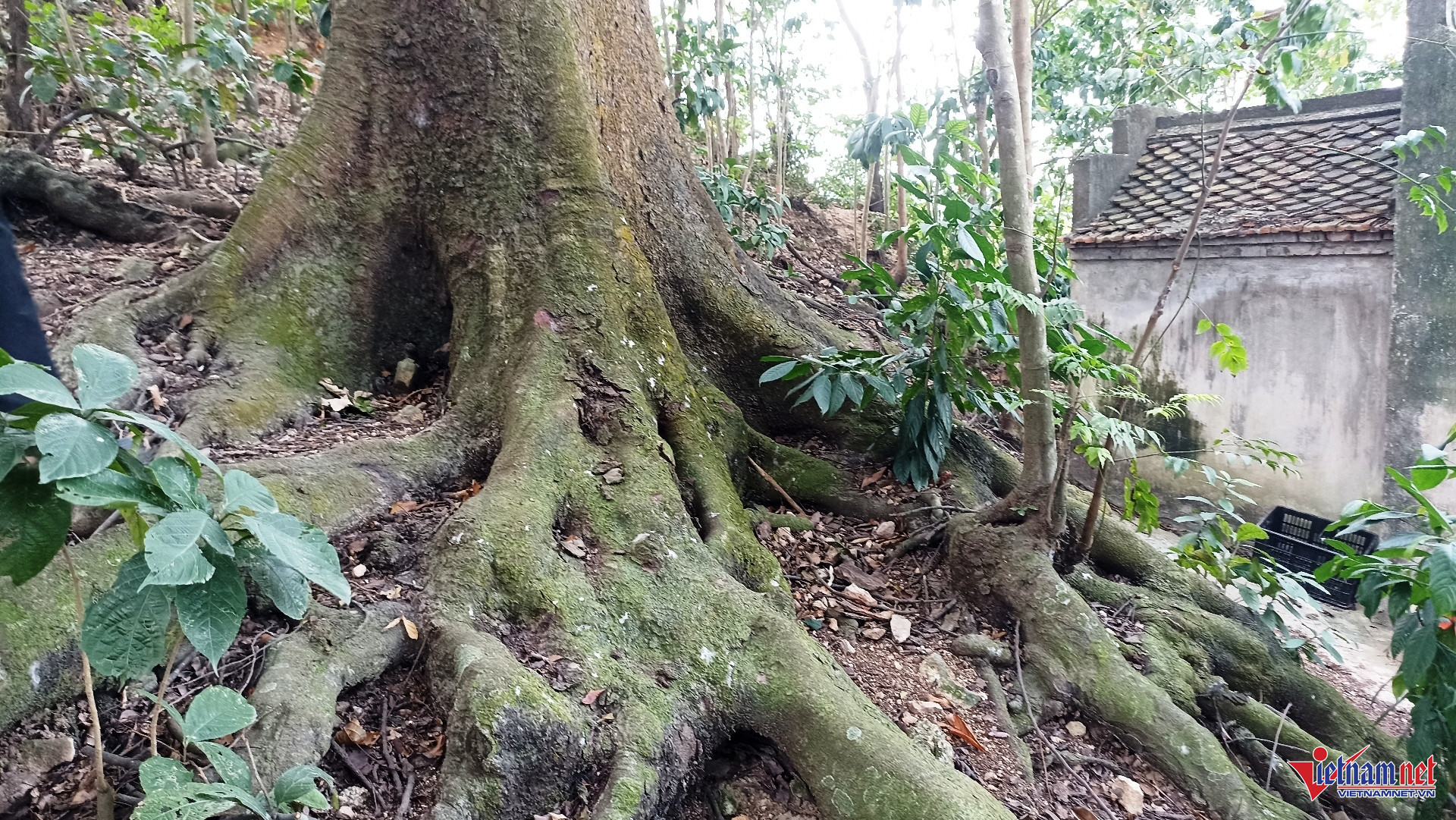
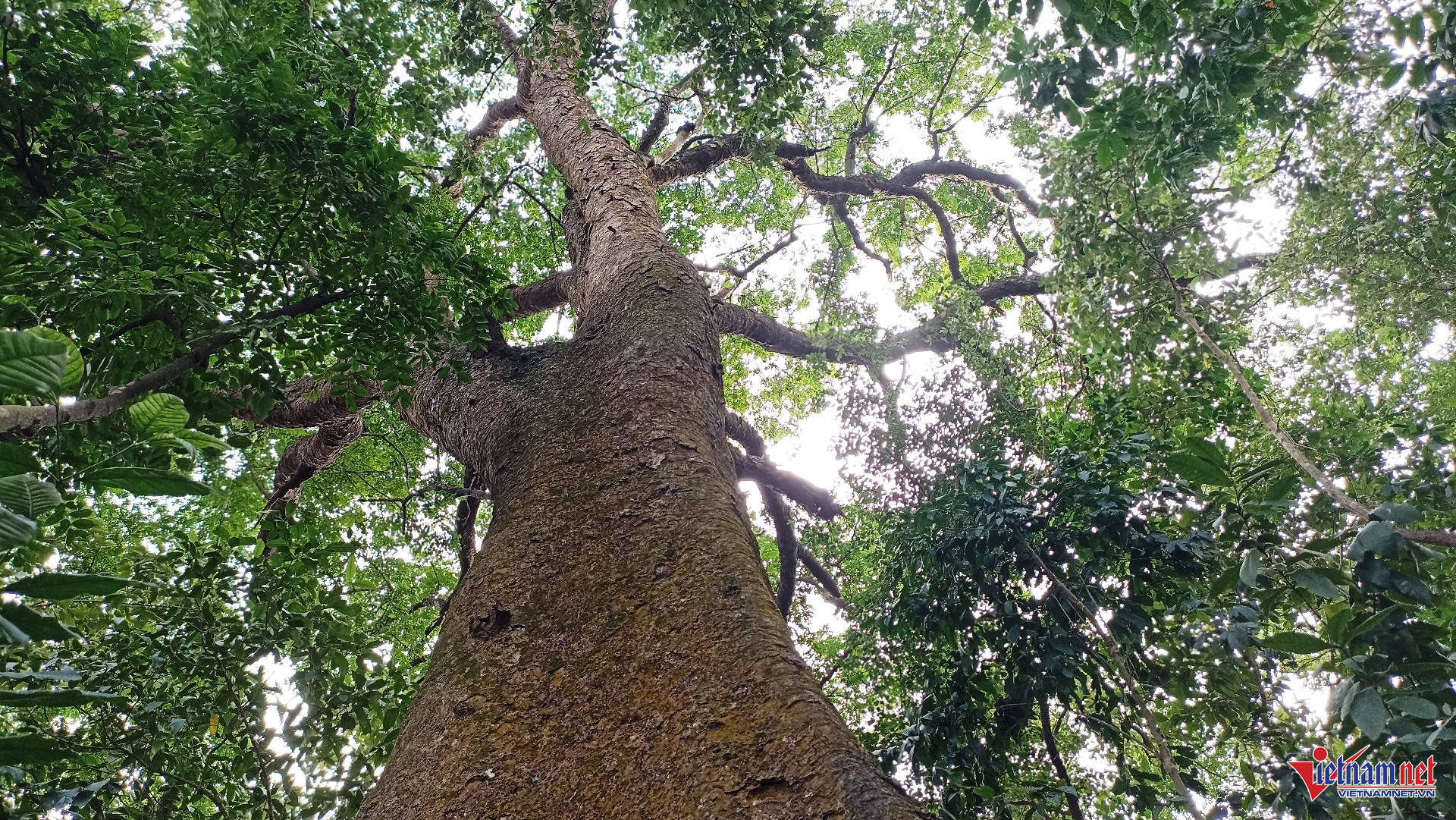
These towering trees reach heights of around 40 meters, their canopies spreading wide and remaining lush throughout the year. Their trunks are rough and massive, often requiring two to three people to encircle them. Roots run deep into the hillside, while some emerge above the ground, intertwining like a natural lattice.
Bich Son Temple sits midway up the hill, just above a village road, shaded by the expansive canopy of these ancient trees.
Le Duc Yen, 70, the temple’s caretaker, said the site is widely regarded as sacred. It draws both locals and visitors who come to pray for peace and well-being. Each year, ceremonies are held in the eighth lunar month to honor Saint Tran and in the third lunar month for the Mother Goddess, reflecting the traditional belief: “the eighth month commemorates the father, the third month the mother.”
Yen also shared that the grove once consisted of seven trees. One was uprooted due to a landslide, leaving six remaining today. They are arranged around the temple - two at the front, two along the sides, and two at the rear.
Through generations, villagers in Bich Son have taken collective responsibility for protecting these ancient trees. “In the past, my father was the caretaker. Now it is my turn. But it is not just my family - the entire village joins in safeguarding these trees, ensuring not even a single branch is lost,” Yen said.
Tran Ngoc Hiep, head of Bich Son village, noted that for dozens of generations, residents have regarded the trees as invaluable. The temple and the ironwood grove are not only historical landmarks but also symbols of the village’s continuity and growth over time.
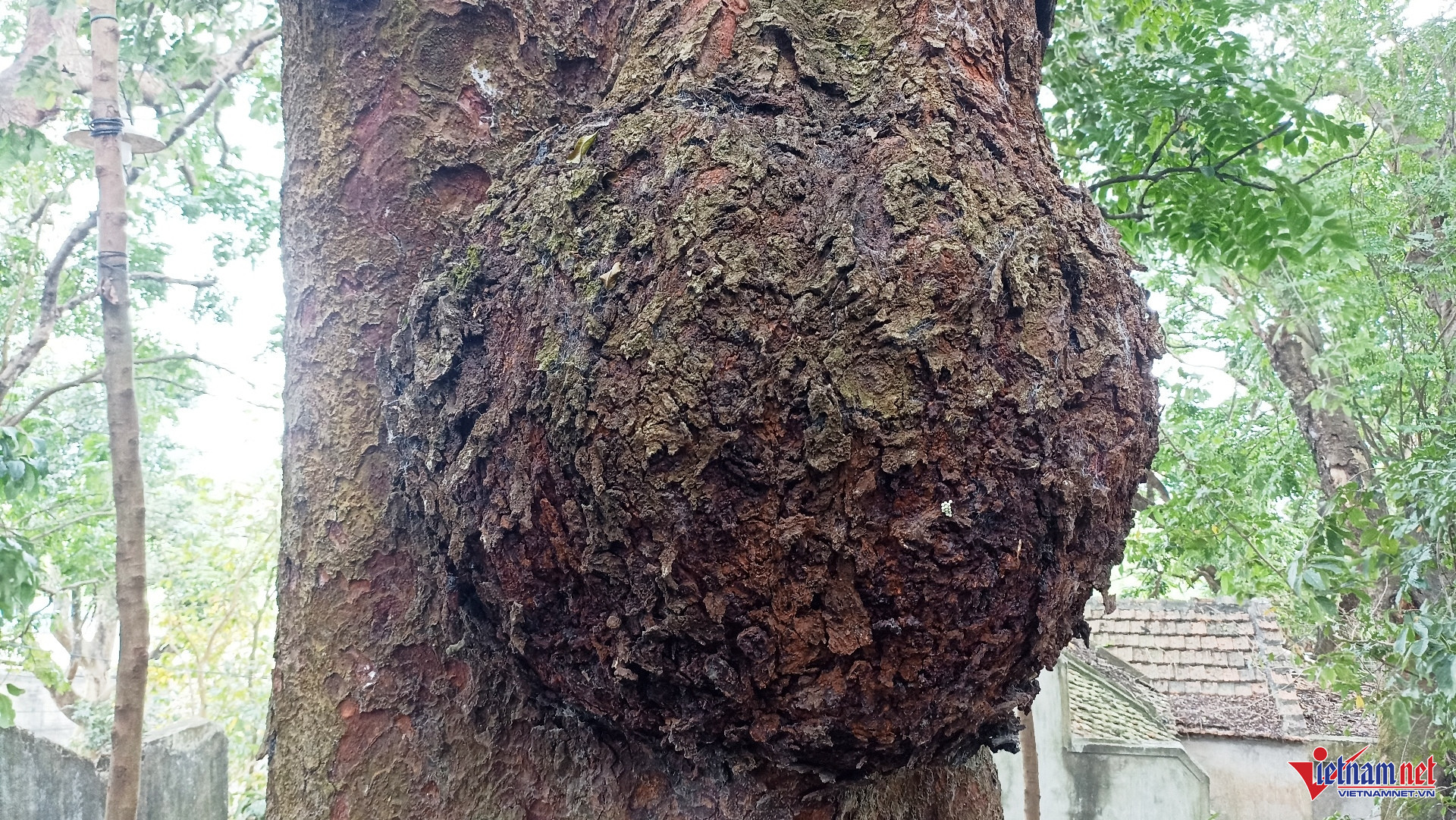
Despite enduring centuries of storms and decay, the trees have shown a remarkable resilience. Branches have fallen over the years due to age and weather, yet none has ever damaged the temple.
In 2016, the six ironwood trees were officially recognized as Vietnam Heritage Trees by the Vietnam Association for Conservation of Nature and Environment. The designation further elevated their significance and drew wider attention to the site.
Today, young ironwood saplings continue to sprout around Bich Son hill from fallen seeds. These new trees are gradually expanding, forming a green mantle that envelops the hill and shelters the ancient temple beneath.
Across time, the villagers’ quiet devotion endures - a shared commitment to preserving what they believe is not only nature’s gift, but also the soul of their community.
.svg)
