 Vietnamnet.vn

 Podcast



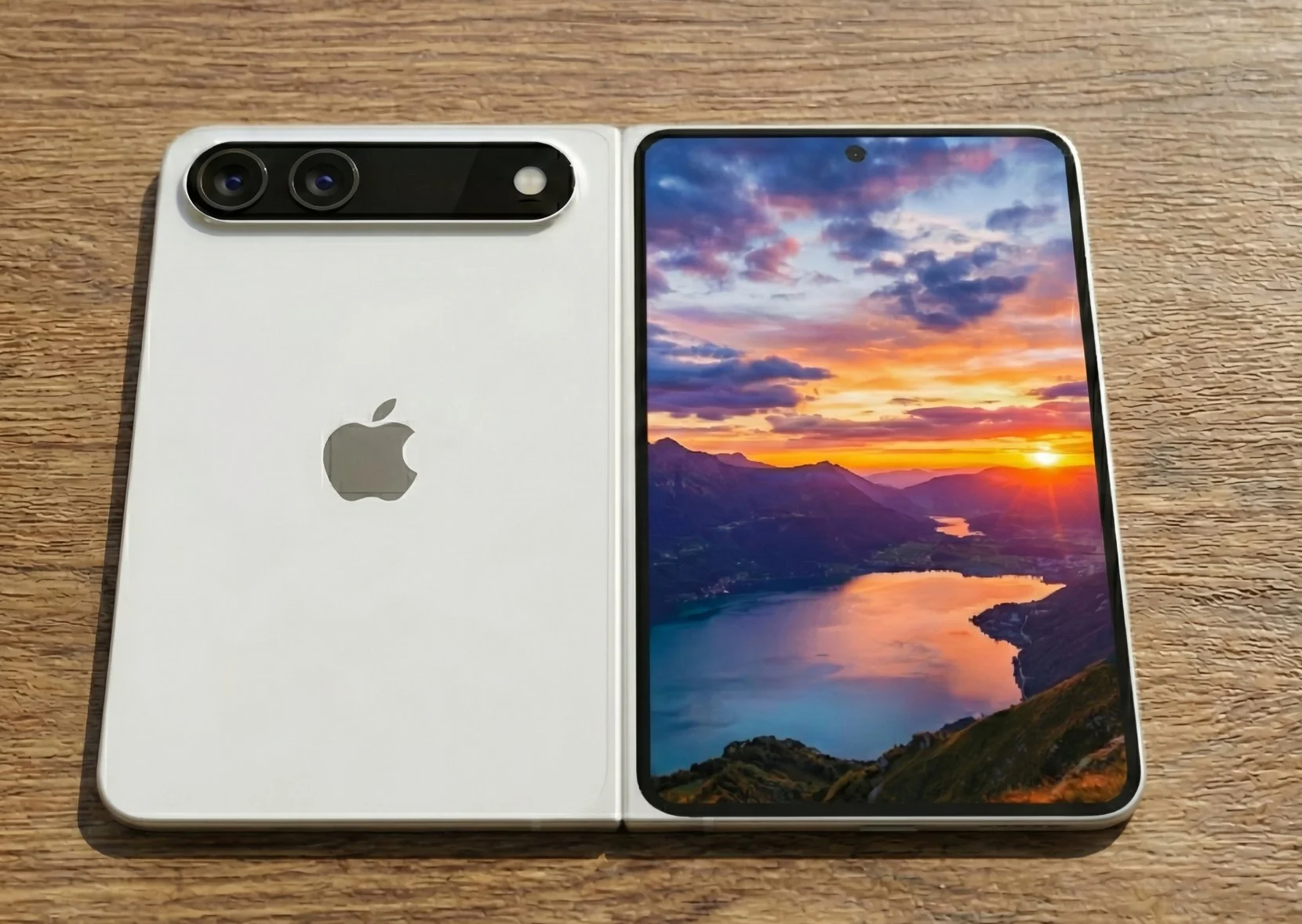
Face ID has been a signature biometric feature of Apple’s premium devices for years, offering fast unlocking, strong security, and seamless user experience. But with the foldable iPhone, Apple is said to be exploring alternatives. Prior reports had hinted at a return to fingerprint recognition - specifically, Touch ID.
However, placing the sensor beneath the display also seems unlikely. The reason is again space: the folding chassis is already crowded with intricate hardware for the hinge mechanism, dual displays, and structural reinforcements. These engineering limitations make in-display biometric modules nearly impossible.
What’s Apple’s most likely solution?
The most realistic approach, according to leaks, is to integrate Touch ID into the side-mounted power button. This method isn’t new - Apple has already used it on some iPad models, and it’s widely adopted in Android devices.
This implementation removes the need for Face ID or an under-display sensor while still providing a quick, familiar unlocking method. In fact, some users may even find it more convenient - especially when wearing masks or needing to unlock the phone quickly with one hand.
Bold design, practical trade-offs
Touch ID in the power button, from a user-experience standpoint, is a practical choice. It’s fast, reliable, and easy to use. It’s unlikely that the lack of Face ID alone will discourage buyers.
The real debate may center on the device’s overall form factor. Leaked renders suggest Apple is aiming for a horizontally folding phone - wider than it is tall when opened. This implies the iPhone Fold is designed to be used primarily in its unfolded state, resembling a compact iPad mini. If true, it could also mean that iPad apps will work natively on the device.
However, this design philosophy does come with aesthetic compromises. When folded, the phone may appear short and thick - somewhat bulky compared to the sleeker “book-style” foldables from current rivals. That said, Apple has a history of turning controversial designs into commercial successes - so long as the user experience is truly transformative.
iPhone Fold may mark a new chapter
Many analysts believe the foldable iPhone will still become a global sensation upon release. After all, it marks Apple’s entry into an entirely new product segment - something fans have been eagerly awaiting.
If you like the idea of a foldable in this form factor but prefer Android, rumors suggest that Samsung is working on a Galaxy Z model with a similar design philosophy to Apple’s.
Though it may lack Face ID - a feature that has defined the iPhone for nearly a decade - the foldable iPhone still carries the DNA of a strategic, game-changing product. It’s bold, unconventional, and aimed at delivering a new kind of mobile experience.
Touch ID in the power button may not be a perfect solution for all users, but for a highly engineered foldable device, it appears to be the most practical choice.
If the rumors prove true, 2026 could mark a pivotal year for Apple - not just for launching a new iPhone model, but for opening an entirely new direction for the brand’s future.
Hai Phong
.svg)
