 Vietnamnet.vn

 Podcast



At the 14th National Party Congress today, Deputy Chief of the Central Inspection Committee, Tran Van Ron, shared that during the 13th Party Congress term, the Party’s inspection bodies undertook an unprecedented volume of work - both broader in scope and more complex than ever before.
Sensitive, multi-layered violations across sectors, levels, and localities that had long stirred public discontent were uncovered, investigated, and resolved.
In his address, Ron emphasized the transformation of Central Inspection Committee into a sharper, more principled force - one that punished wrongdoing not for show, but for substance, with the spirit of strictness from the top down, “no forbidden zones, no exceptions, but always with humanity.”
Lessons from a challenging but pivotal term
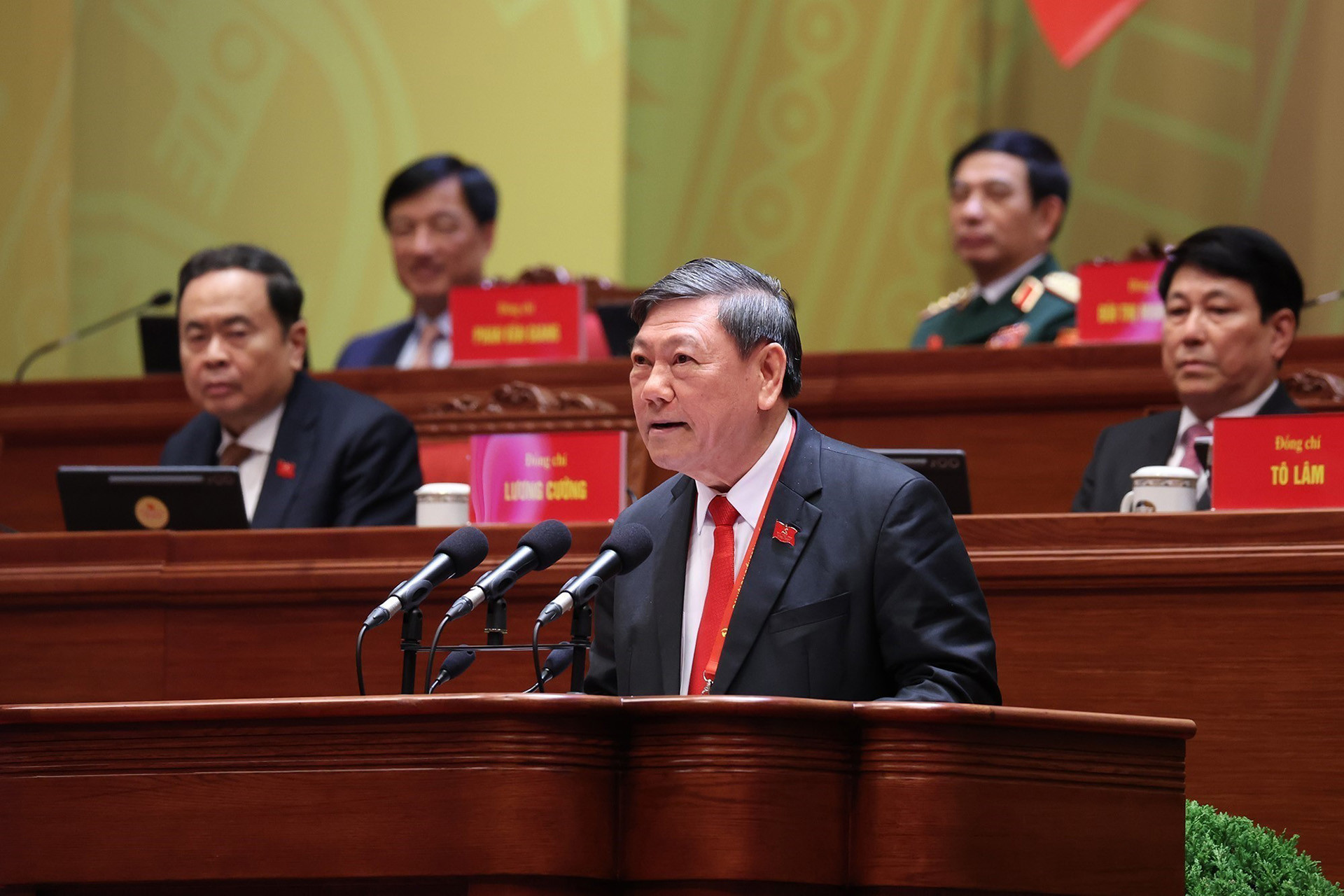
Deputy Chief of Central Inspection Committee Tran Van Ron. Photo: VNA
Ron acknowledged that despite impressive results, there remain constraints. Many Party committees and leaders still underappreciate the importance of inspection work. In some places, efforts to inspect peers or superiors remain weak. Internal self-checking and early violation detection are still “soft spots,” allowing some violations to persist for long periods undetected.
From this reality, the Central Inspection Committee has distilled key lessons.
“Leadership without inspection is not true leadership,” Ron said, stressing that the commitment of top local leaders was critical. Wherever senior officials took personal charge and led by example, inspection efforts gained real weight. It was this clarity of leadership, he noted, that gave the inspection system the strength to penetrate “dark corners” and dismantle what had long seemed like untouchable “fortresses.”
Discipline one to protect thousands
Ron reaffirmed that discipline must be enforced strictly - but also with compassion.
“We discipline not to punish, but to protect,” he said. “One person disciplined to save thousands.”
Inspection is not just about naming violations, but about identifying loopholes in mechanisms and institutions. Through that, the Party can improve governance structures and close systemic gaps.
Better coordination and bold cadres
A major breakthrough of the 13th term, Ron said, was the synchronized collaboration between Party inspection, state audit, administrative inspection, and law enforcement. That vertical and horizontal unity - “seamless across all directions” - made decisive enforcement possible.
He also called for continuous institutional strengthening of the Central Inspection Committee's system. Its officials must be professionally skilled, but even more importantly, courageous, ethical, fair, and committed to the Party’s mission.
Inspectors must be “morally upright, technically capable, and bold enough to lead by example.”
A stronger, smarter inspection model for the 14th term
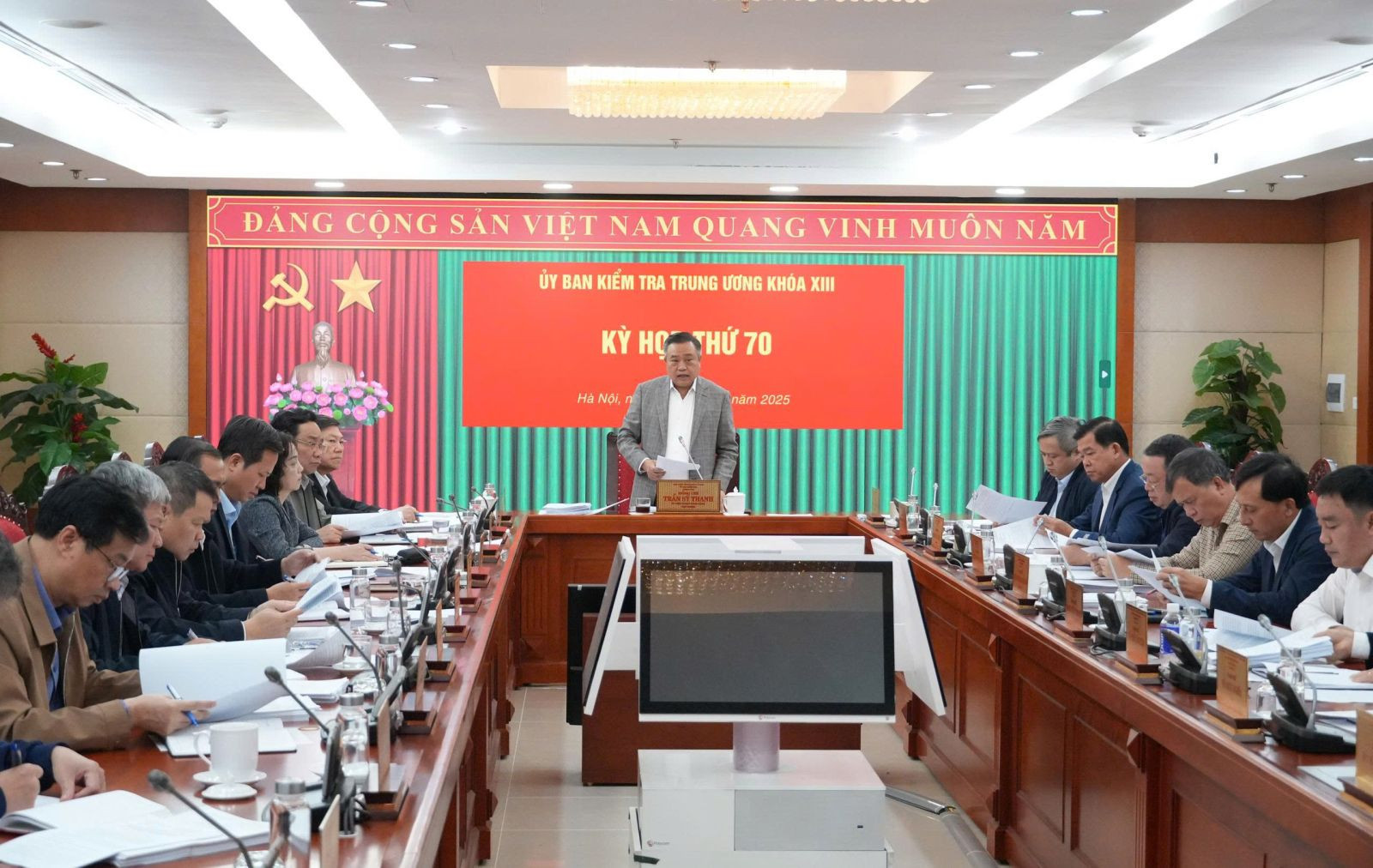
Looking ahead, Ron urged bold reforms to make inspection a central instrument of political discipline and clean governance.
This means changing both the mindset and methods of inspection: focusing not just on punishment after the fact, but on prevention, early warning, and power control from the grassroots upward.
Inspection must keep pace with evolving risks and remain firmly grounded in principles. No blank spaces. No dark zones where oversight cannot reach, according to Ron.
One area of reform is tightening and updating rules on anti-corruption, waste, and abuse of power. These must be integrated with discipline enforcement and public administration rules - ensuring officials are not only punished when corrupt, but structurally deterred from becoming corrupt in the first place.
Officials must not be able to, must not dare to, and must not need to commit corruption, Ron stressed.
Digital oversight and transparency ahead
Inspection agencies at all level will also recommend new frameworks to prevent and detect misappropriation, profiteering, and waste in public asset management and budgeting.
A key part of this strategy is reforming asset and income declarations - making them more transparent and verifiable.
The inspection sector will undergo full digital transformation, shifting focus from paperwork to data-driven monitoring. This means real-time analysis, digital records, and proactive tracking, not passive review.
The ultimate goal: a new generation of Party inspectors who are morally upright, professionally credible, and institutionally empowered to hold the system accountable.
Huong Quynh & Tran Thuong
.svg)
