 Vietnamnet.vn

 Podcast



Once bustling every Mid-Autumn Festival with more than 100 households making lanterns by hand, Phu Binh lantern neighborhood in Hoa Binh Ward, Ho Chi Minh City, now has only two families still holding on to the tradition. Even as the old craft gradually fades, those who remain continue their work with devotion, hoping to keep its flame alive for future generations.
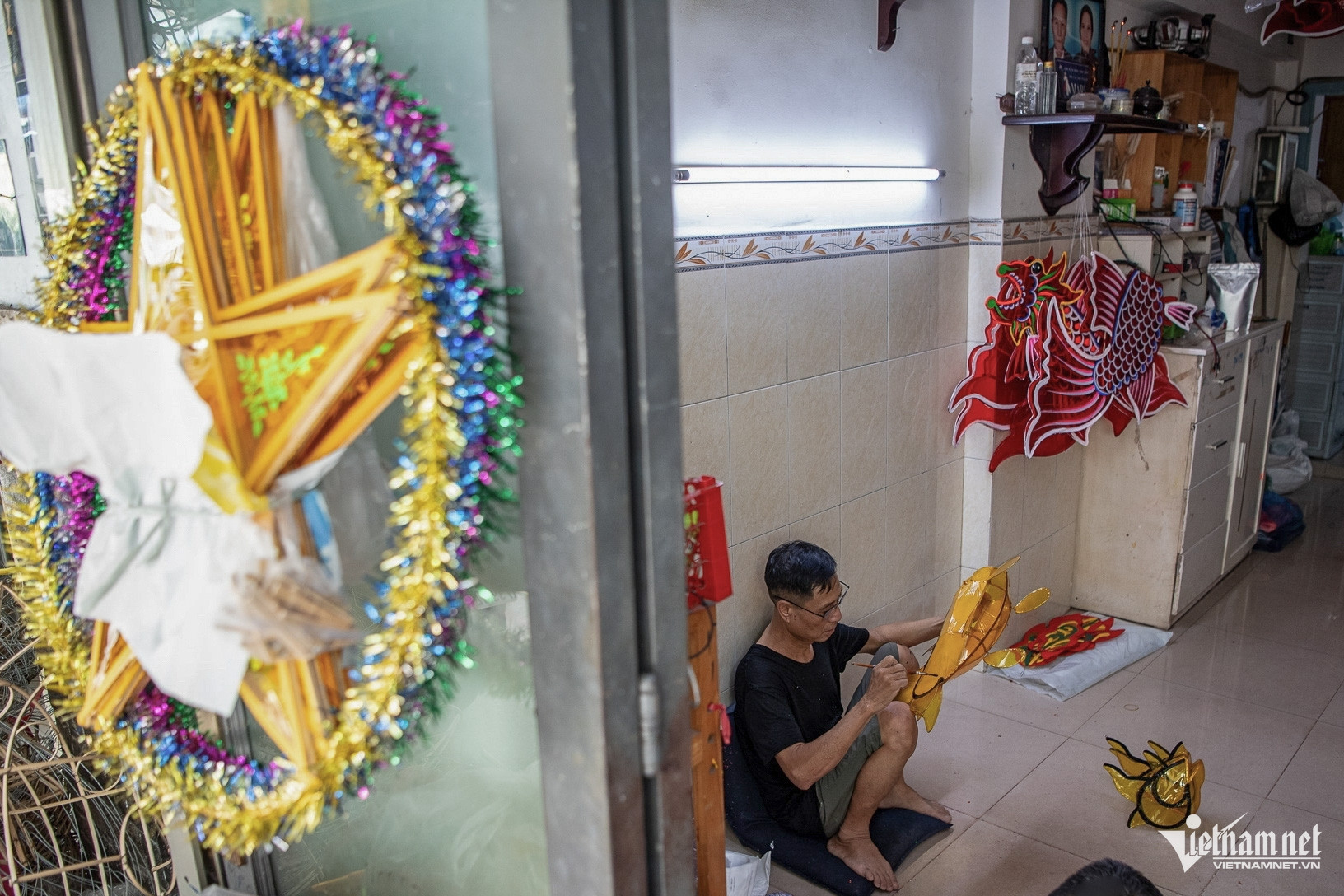
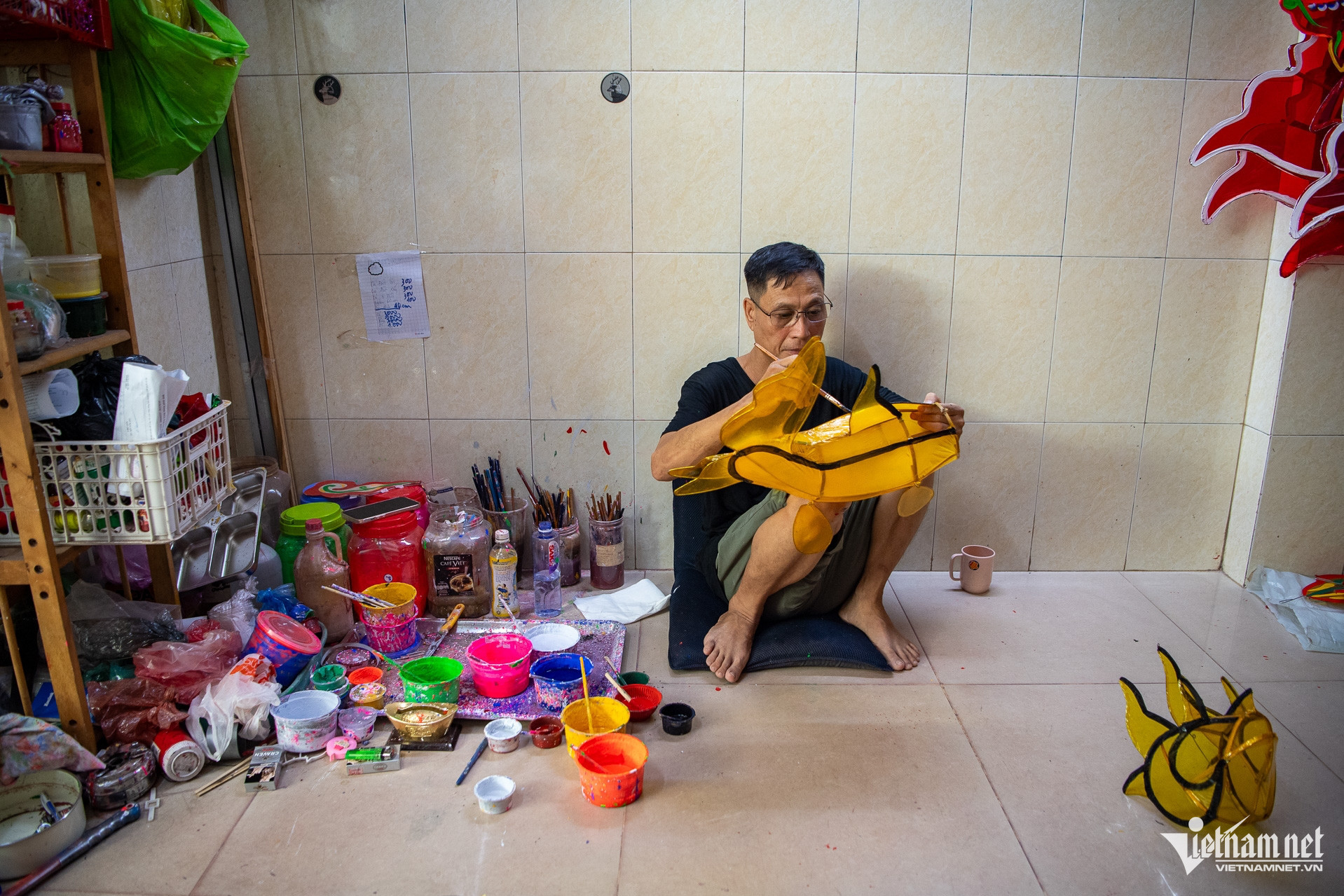
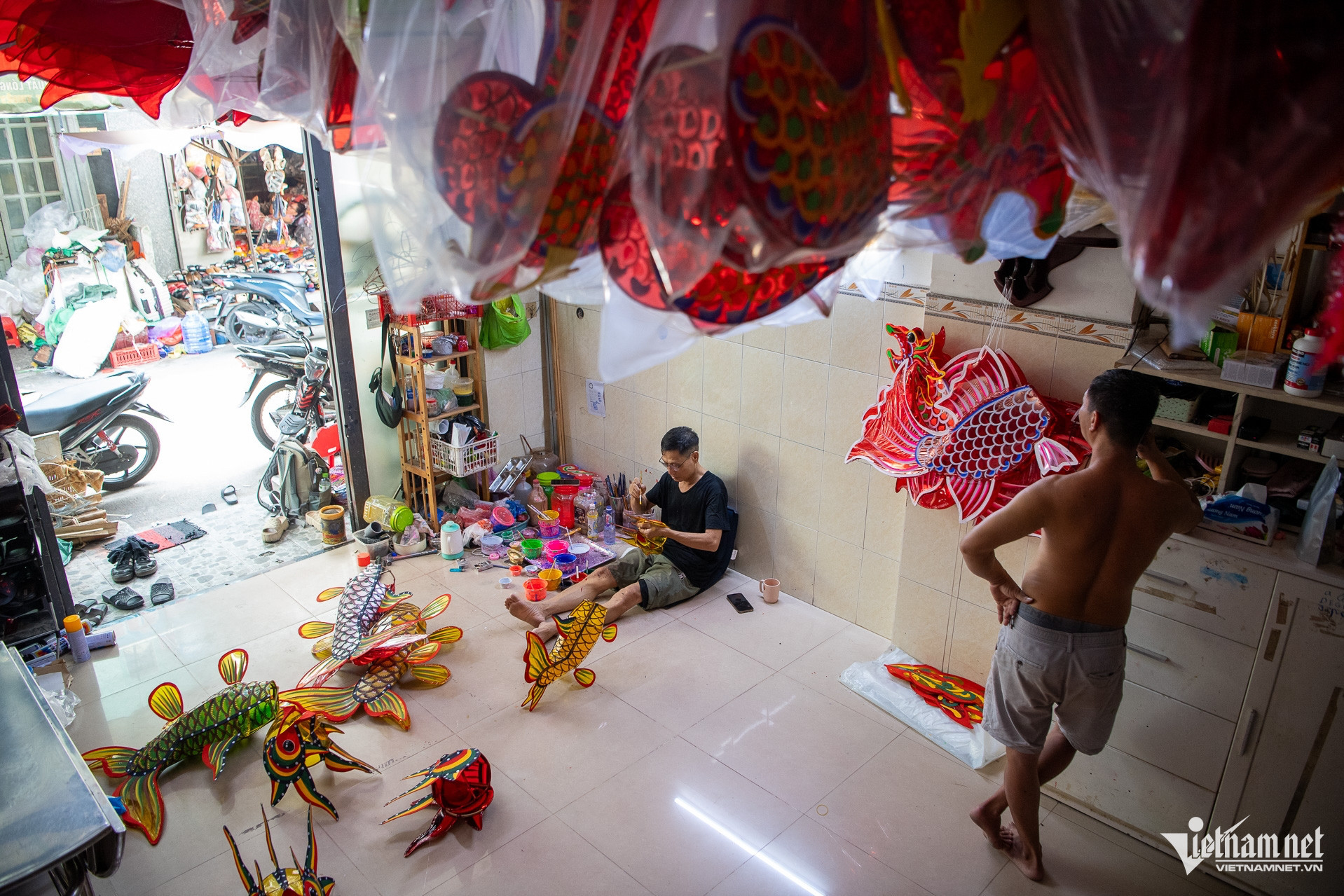
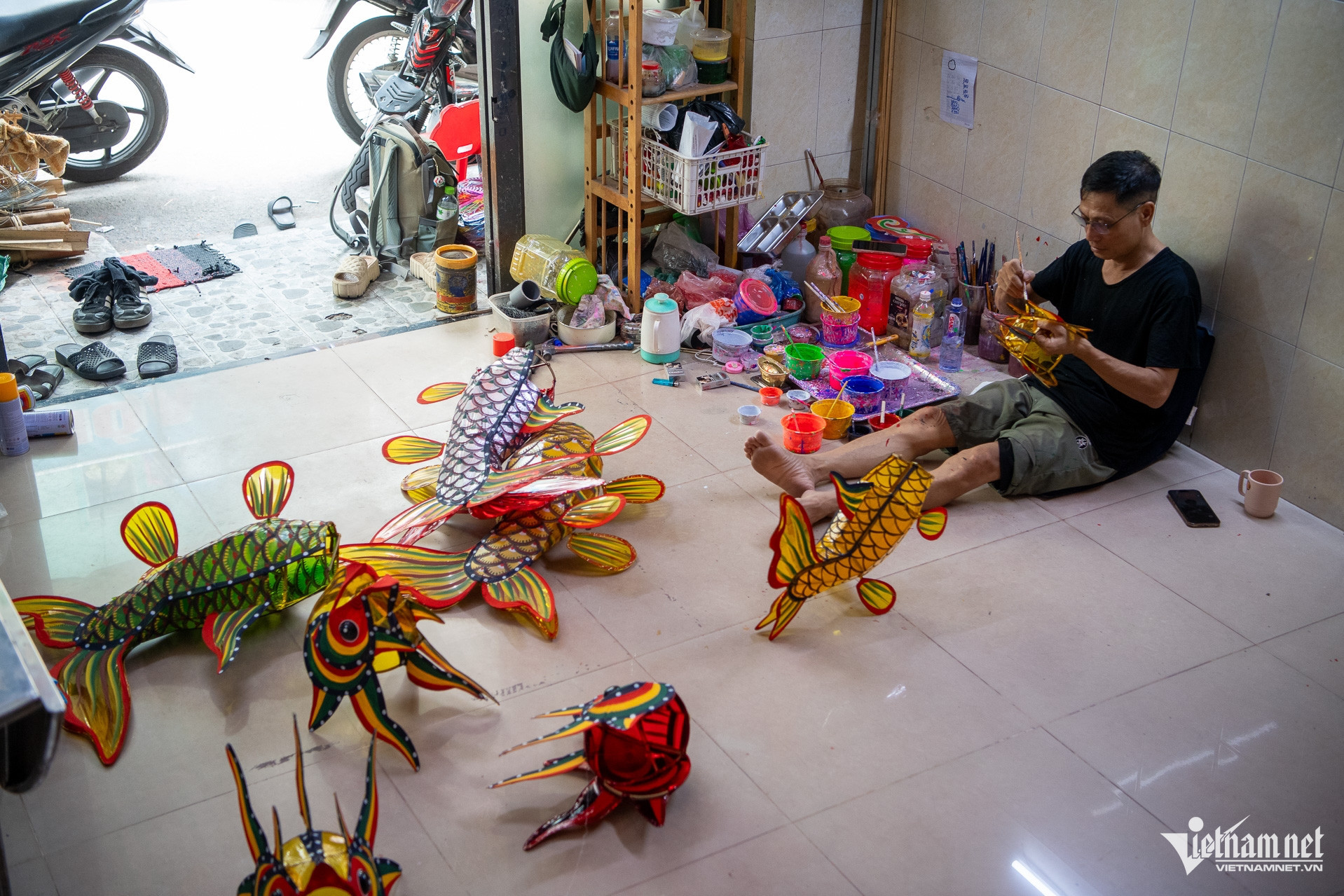
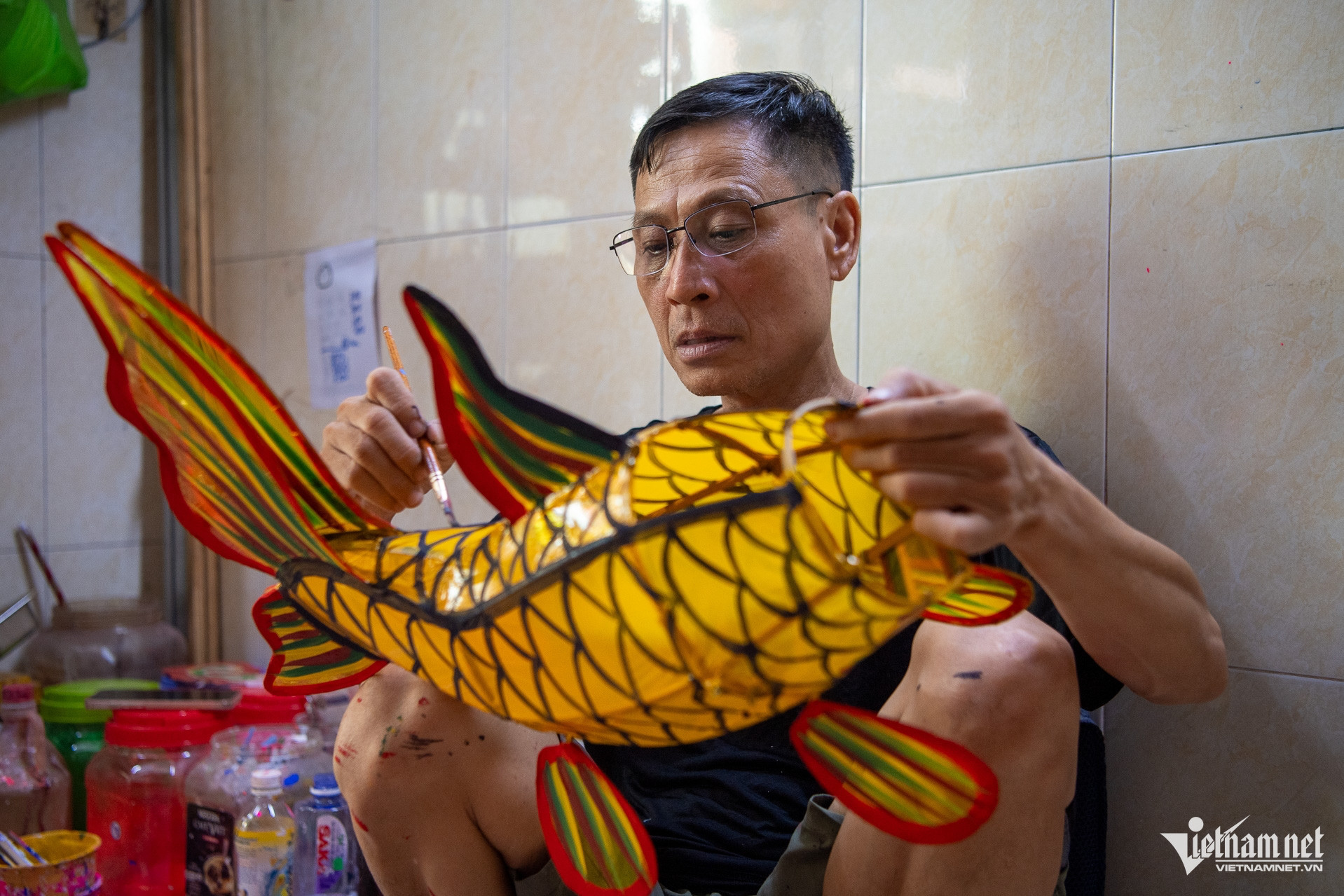
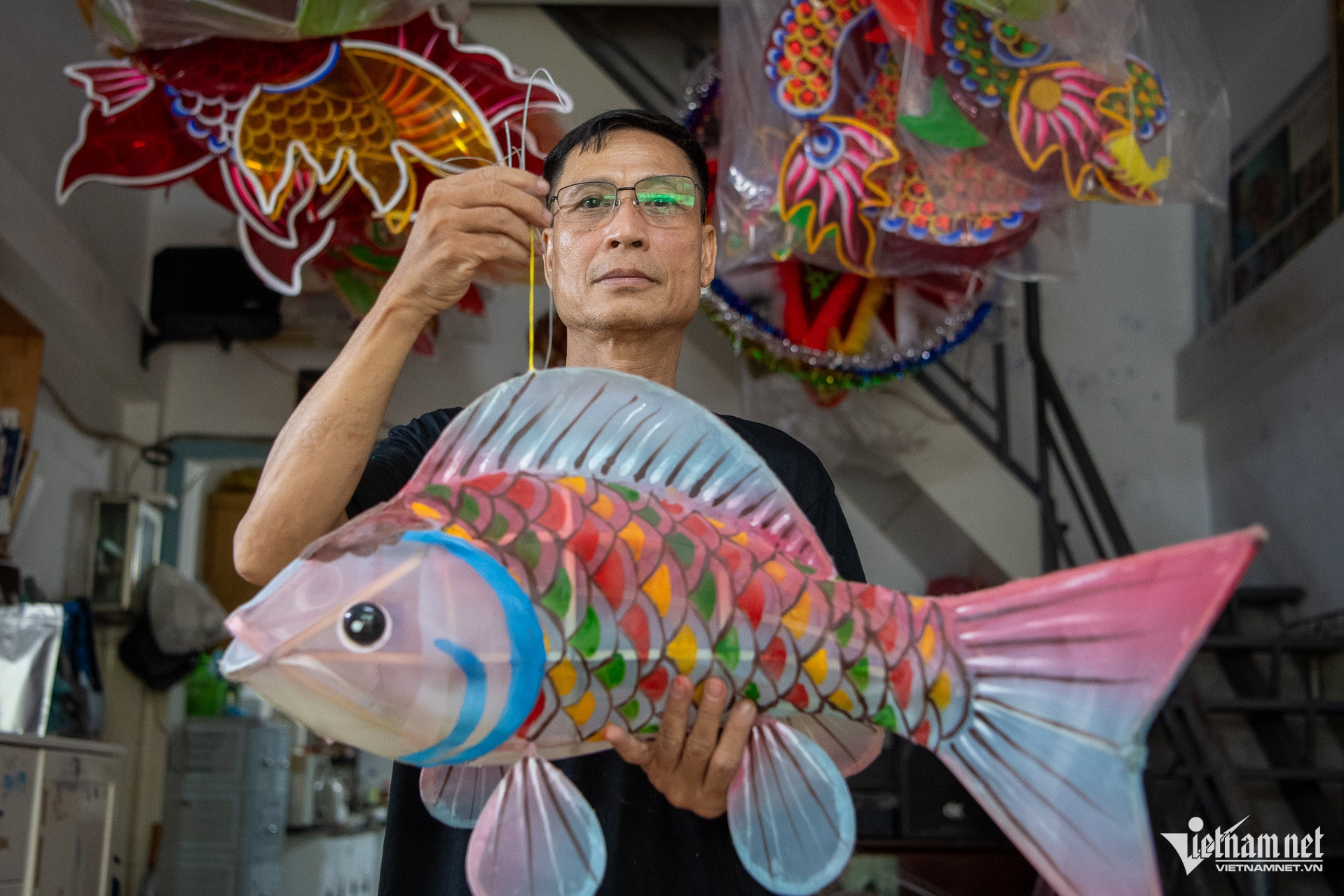
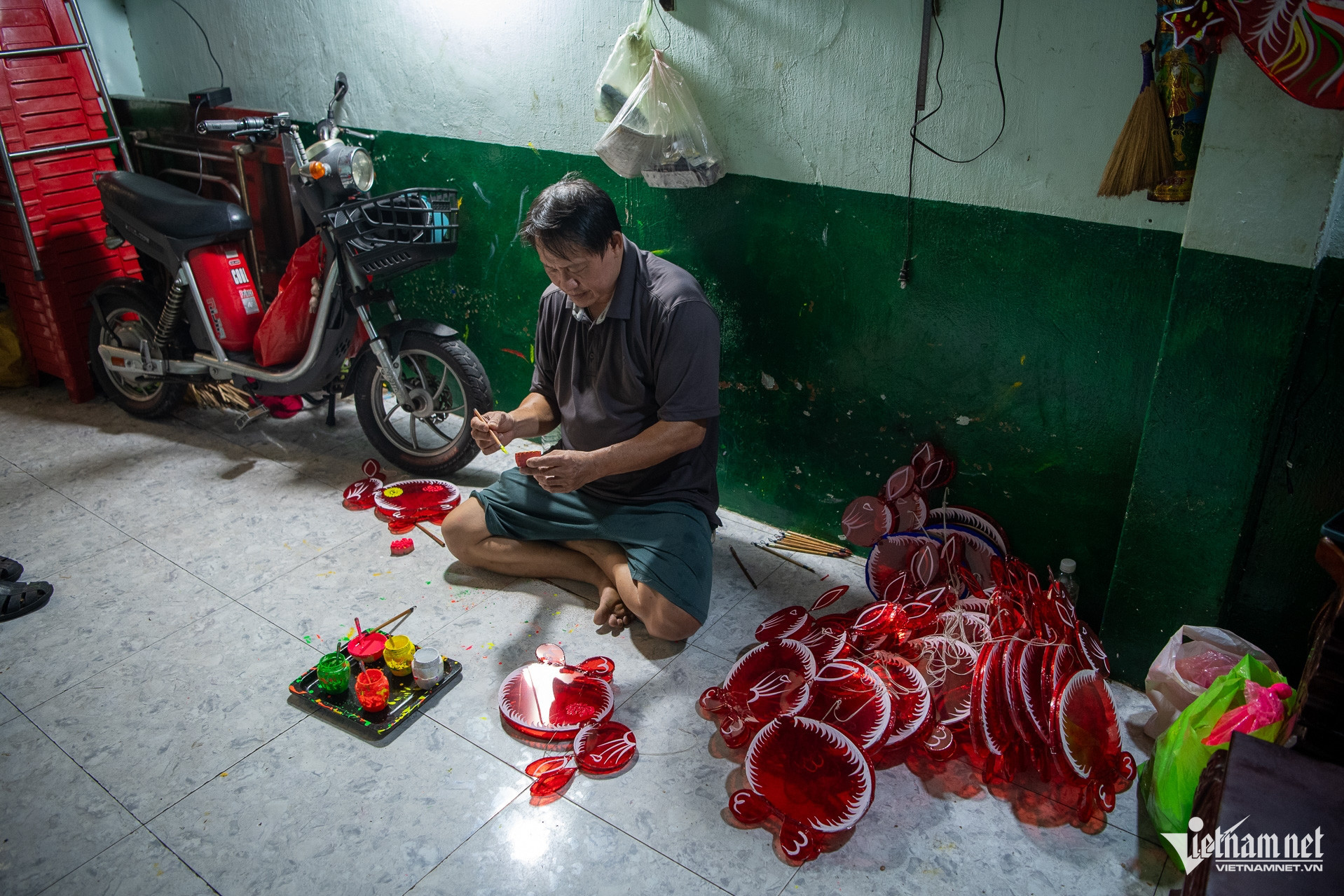
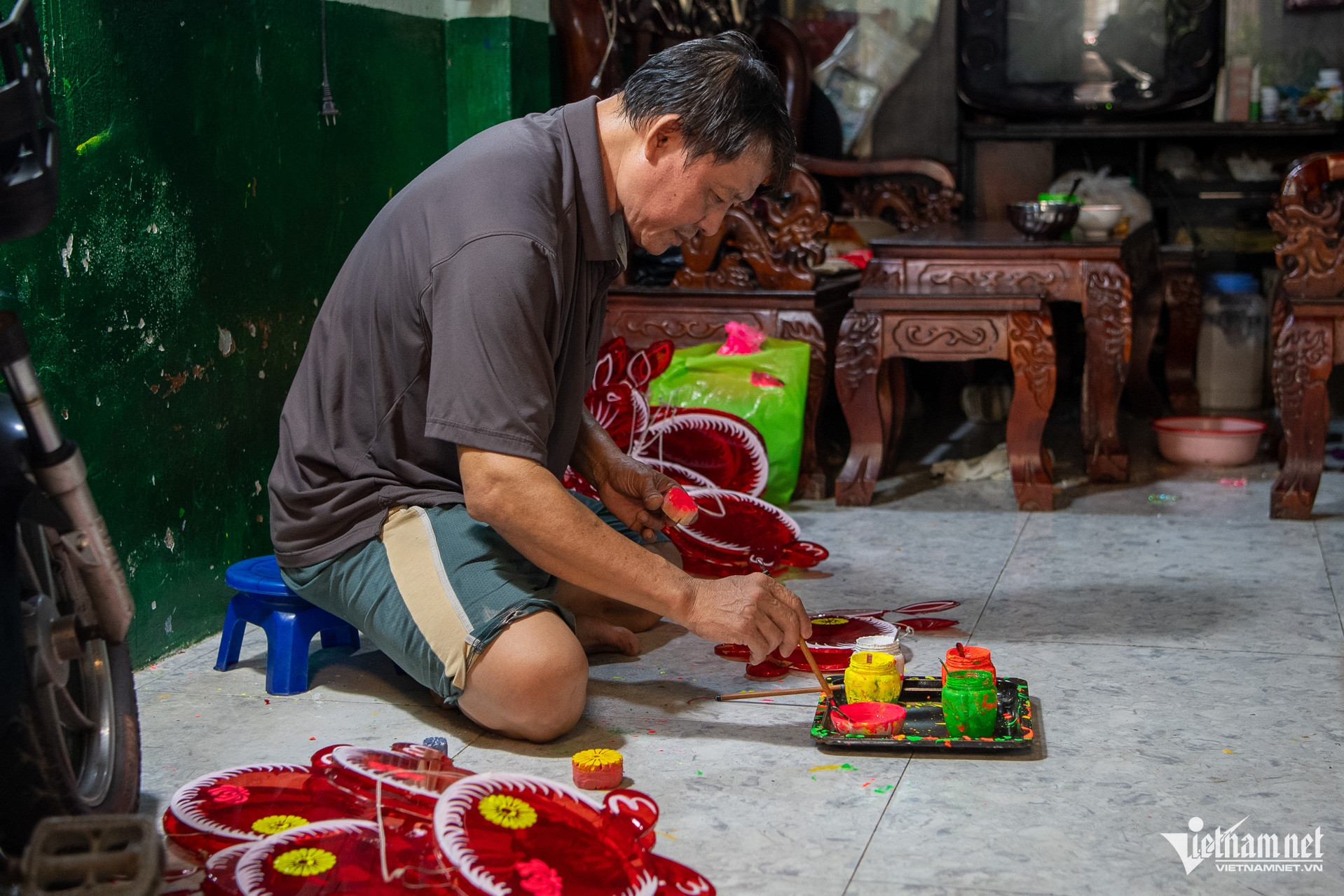
Along Trinh Dinh Trong Street, 60-year-old artisan Nguyen Trong Thanh, who has spent more than four decades making traditional lanterns in Phu Binh, still works patiently with bamboo frames, wire and sheets of colored cellophane as each Mid-Autumn Festival approaches. He began helping his family make lanterns at the age of 10 and, by his teenage years, could complete one entirely by himself, from building the frame to adding the decorations.
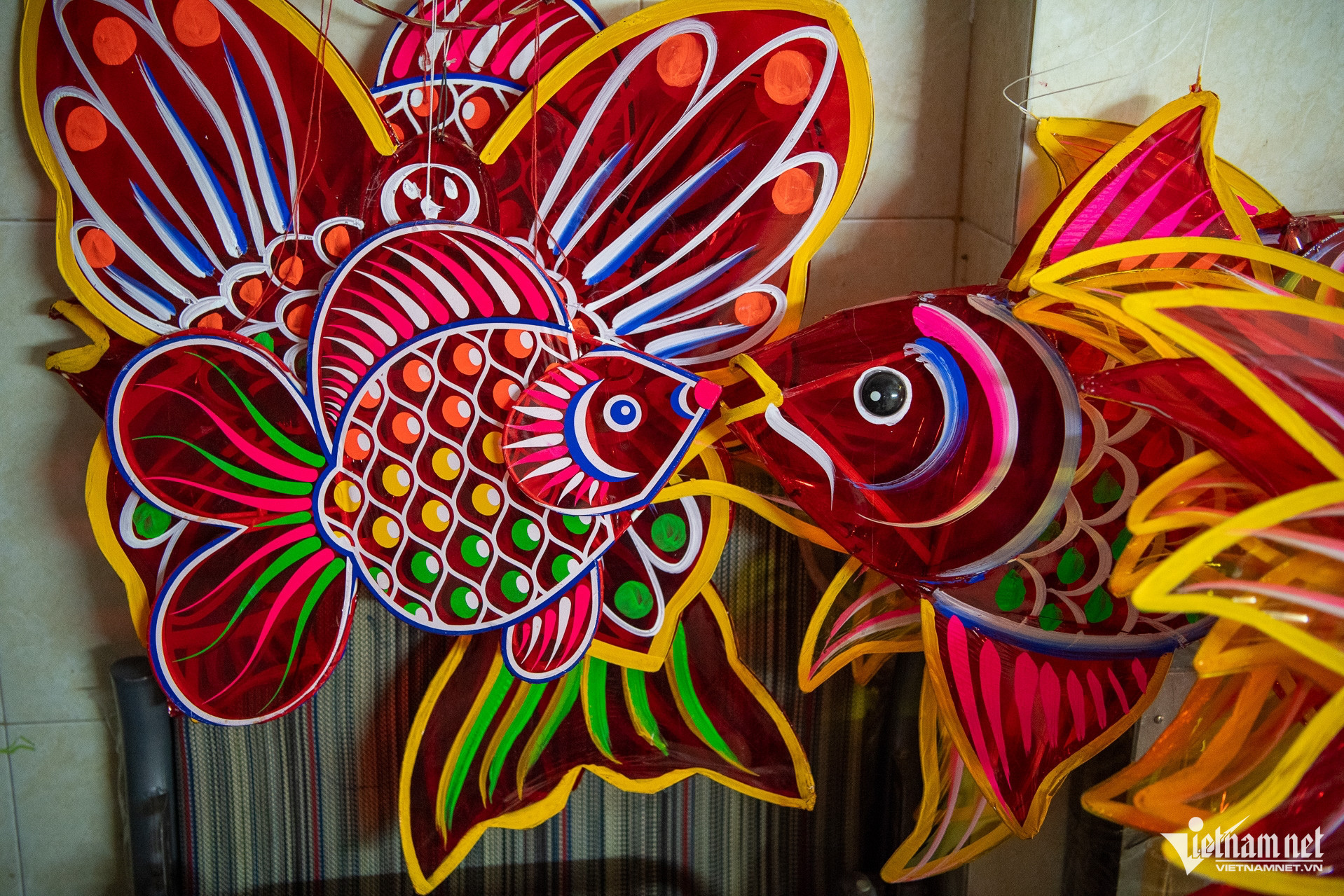
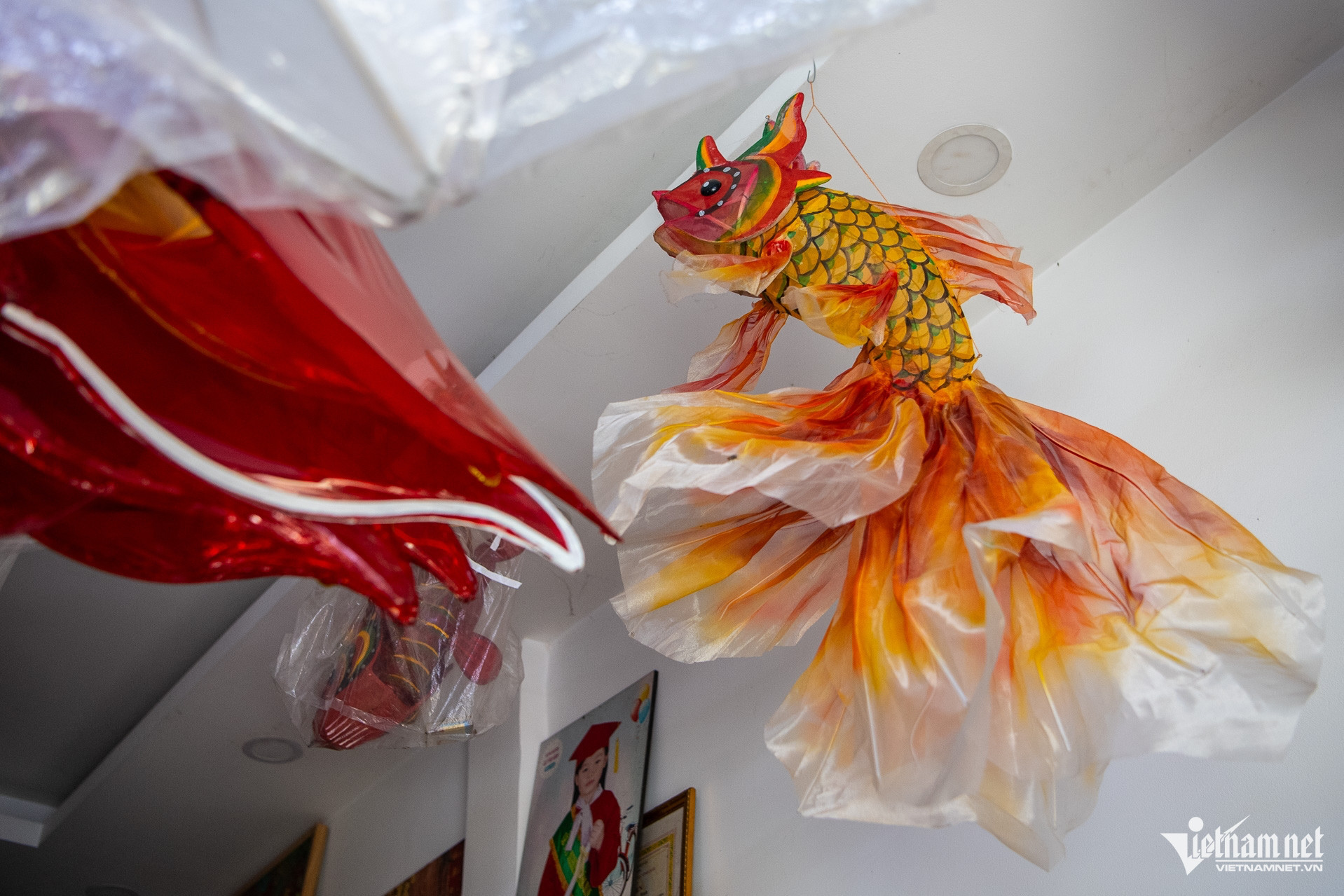
According to Thanh, the value of a traditional lantern lies in its meticulous craftsmanship and the hands of the artisan who makes it. The frame is fashioned by hand from bamboo and wire, then covered with cellophane, plastic or fabric, depending on the customer’s requirements.
Cellophane also responds naturally to changes in the weather. It slackens in rain or high humidity but tightens again in hot sunshine or when gently warmed over a candle flame.
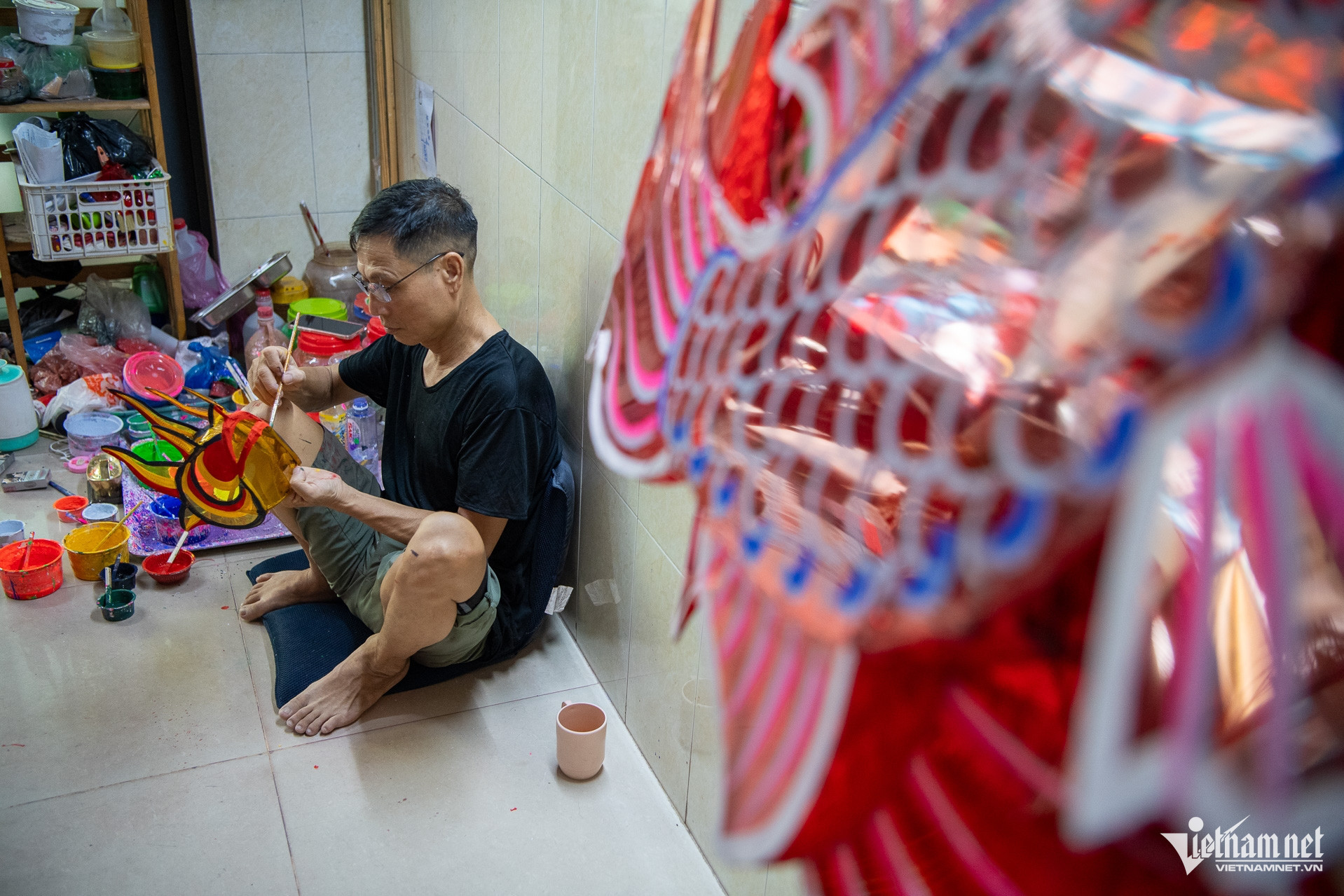
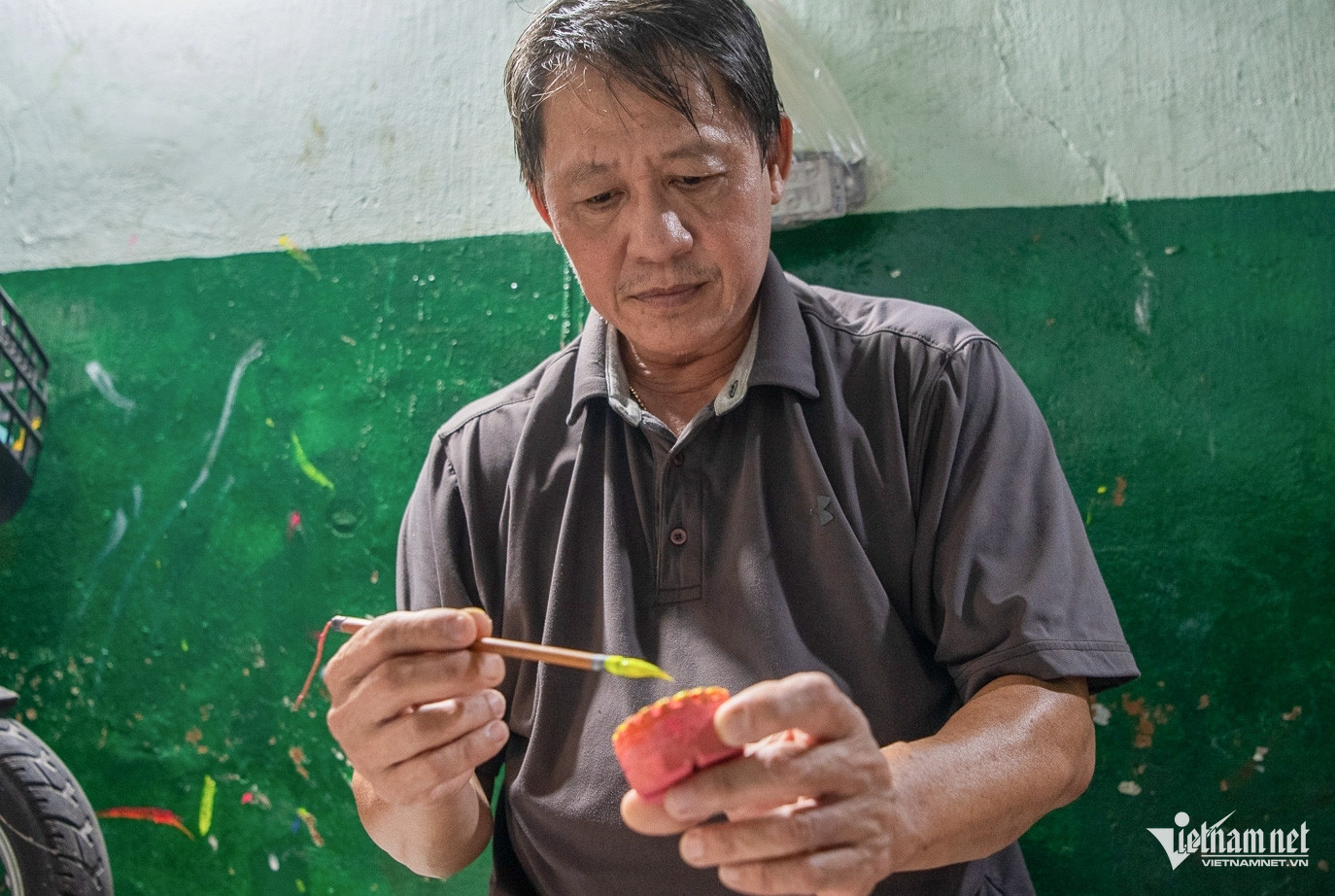
Making lanterns by hand demands patience and precision at every stage. A single misplaced piece of paper or incorrectly painted detail can be almost impossible to fix, forcing the artisan to strip away the covering and start again.
To prepare for the Mid-Autumn Festival season, Thanh’s family begins work in the first months of the year. Around January and February, they cut and prepare the wire, build frames and gather materials. By June, July and August, as the festival season reaches its peak, they work continuously covering the frames and painting decorations. On the busiest days, the entire family starts at around 8am and continues until late at night.
Thanh’s family workshop produces everything from mass-market lanterns to higher-value custom orders. Small lanterns sold at markets start at around VND10,000 (less than US$0.40) and are made in large quantities, while bespoke pieces are produced according to customers’ requested dimensions, designs and colors.
Speaking to VietNamNet, Thanh said the traditional lantern market is nowhere near as lively as it once was. Compared with the period before the pandemic, demand has fallen by around 50% amid economic difficulties and rising rental costs.
Once home to hundreds of families connected with the craft, Phu Binh lantern neighborhood now has just two households steadfastly preserving their family tradition.
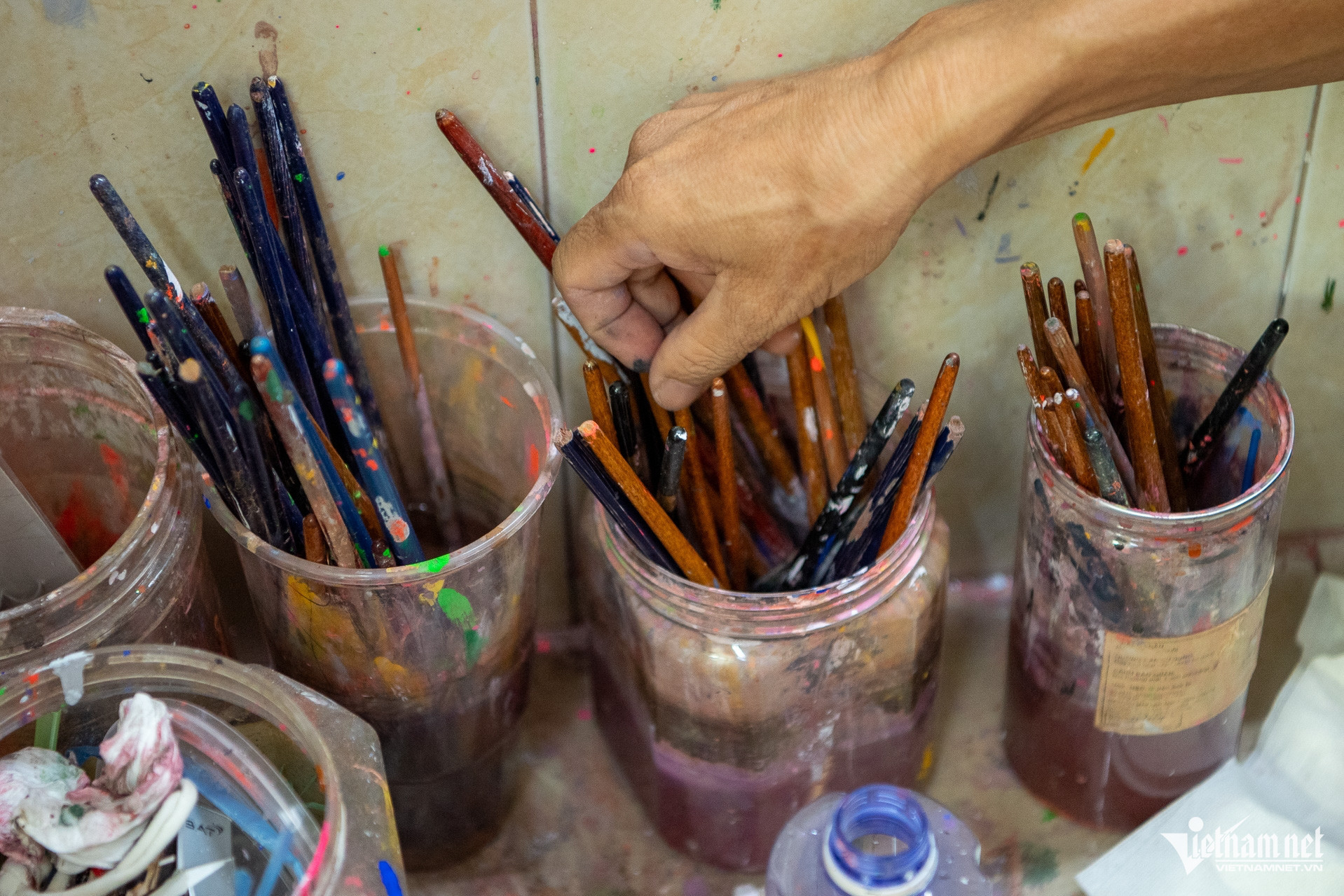
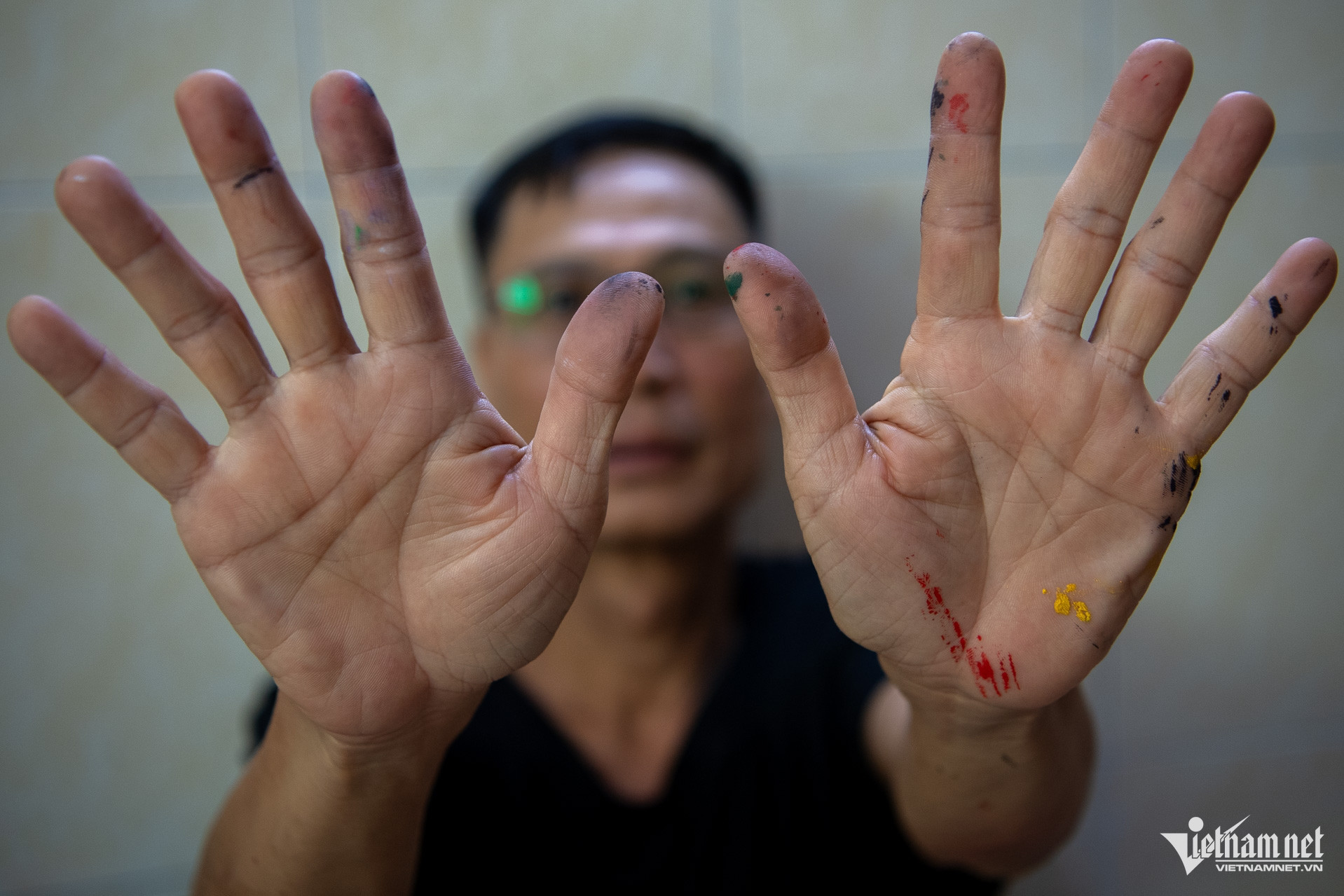
Their roughened hands tell the story of the physical demands behind each lantern. The painstaking work requires artisans to remain seated for long periods, often causing neck and back pain as well as straining their eyesight. With business thriving for only a few months each year, younger generations - including Thanh’s own children - are increasingly reluctant to take up the craft.
After more than four decades as a lantern maker, Thanh says he will continue for as long as his health allows. He is also willing to teach the craft free of charge to anyone with a genuine passion for it. For him, preserving the tradition requires more than technical skill; it takes love for the craft and a willingness to stay with it for the long haul.
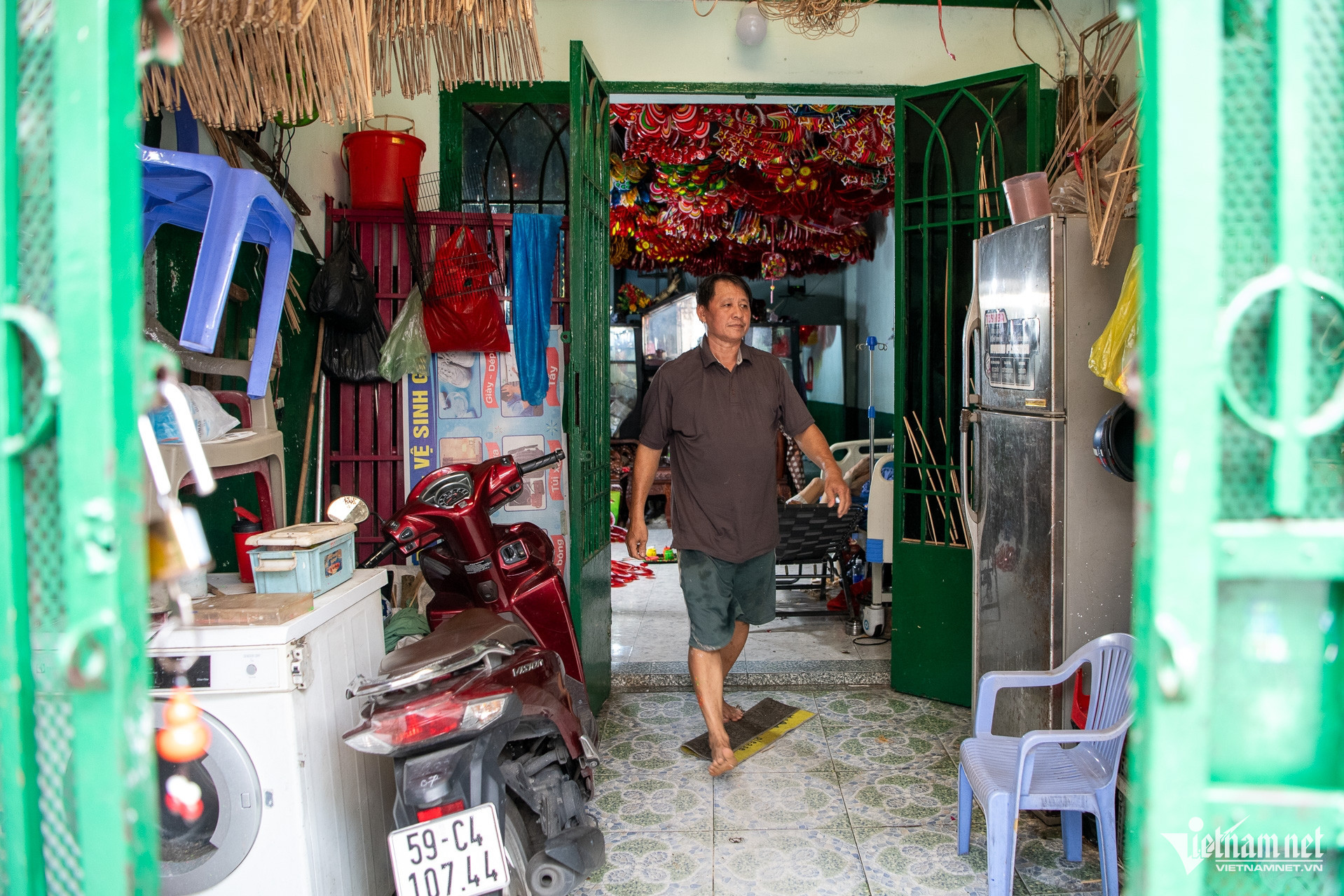
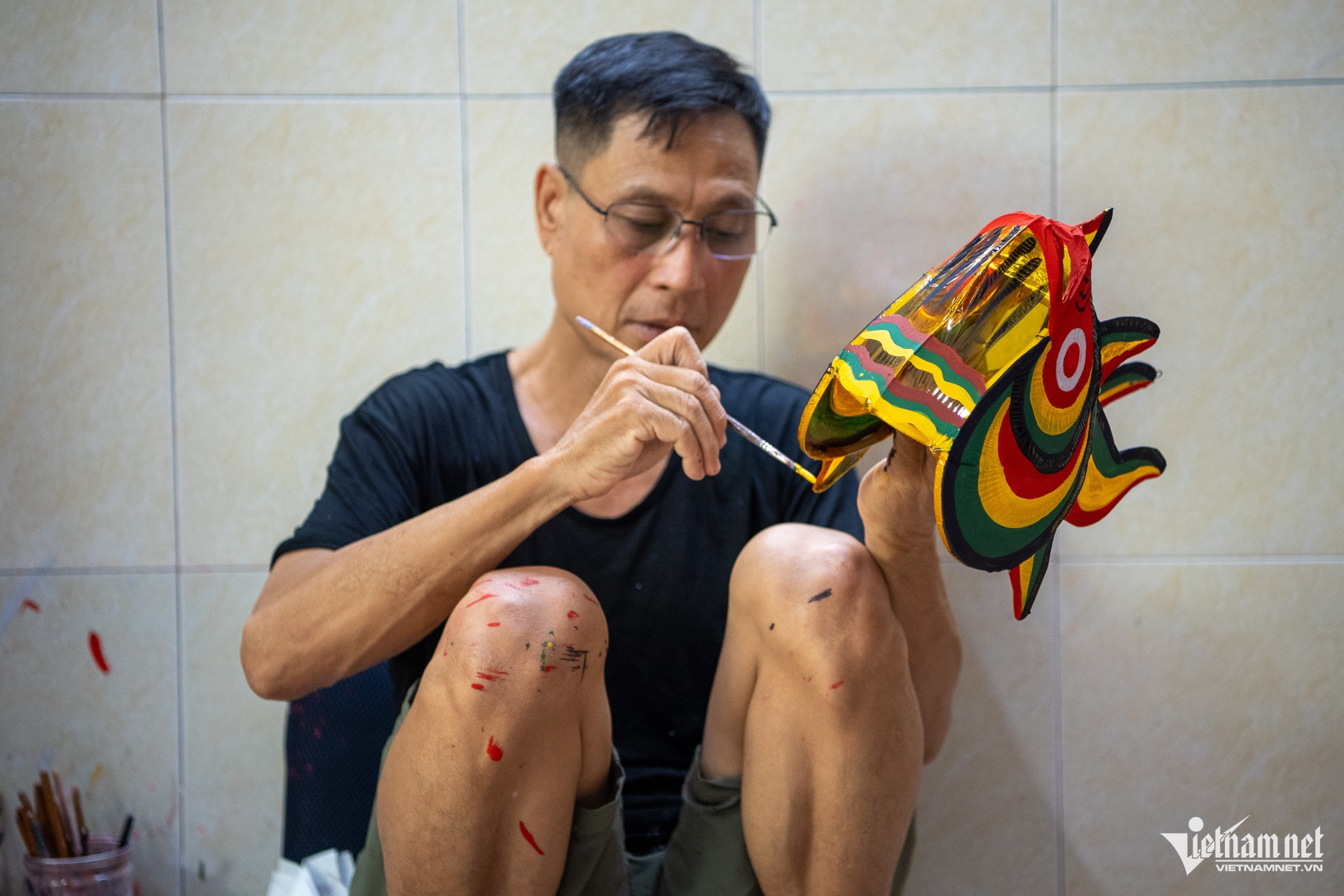
Not far away on the same street, artisan Nguyen Dinh Chien has spent 35 years making traditional lanterns. He said it has never been as difficult to stay in the trade as it is today. Orders have fallen by around 80% this year, and the neighborhood no longer sees the crowds of customers that once arrived every Mid-Autumn Festival.
According to Chien, the greatest pressure comes from competition with mass-produced lanterns. While an artisan can make only around 10 handcrafted lanterns a day, machinery can turn out hundreds - sometimes as many as 500 - over the same period.
Rising costs coupled with unchanged selling prices have pushed many families out of the trade, while younger people show little interest in taking their place. Chien worries that traditional lantern making will gradually disappear if no new generation steps forward to continue it.
For Chien and Thanh, staying with the craft is about more than income or selling lanterns. Thousands of factory-made lanterns may look identical, but every hand-painted lantern carries the distinctive lines and personal imprint of the artisan who created it. Driven by their love of the craft, memories of childhood and a desire to preserve the joy of the Mid-Autumn Festival for children, the two men continue their work, hoping the flame of this tradition will somehow be passed on to generations yet to come.


Tuan Hung
.svg)
