 Vietnamnet.vn

 Podcast



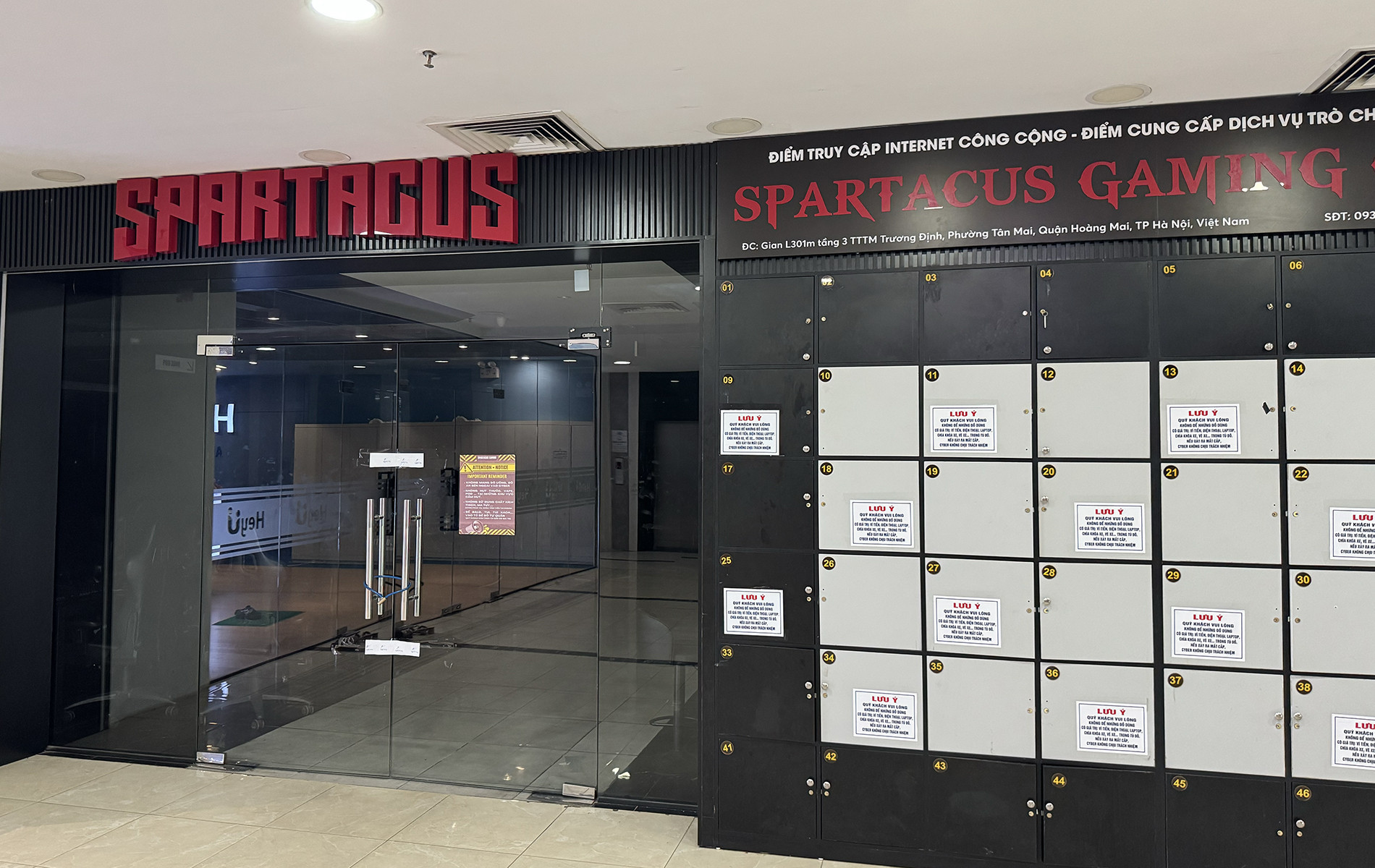
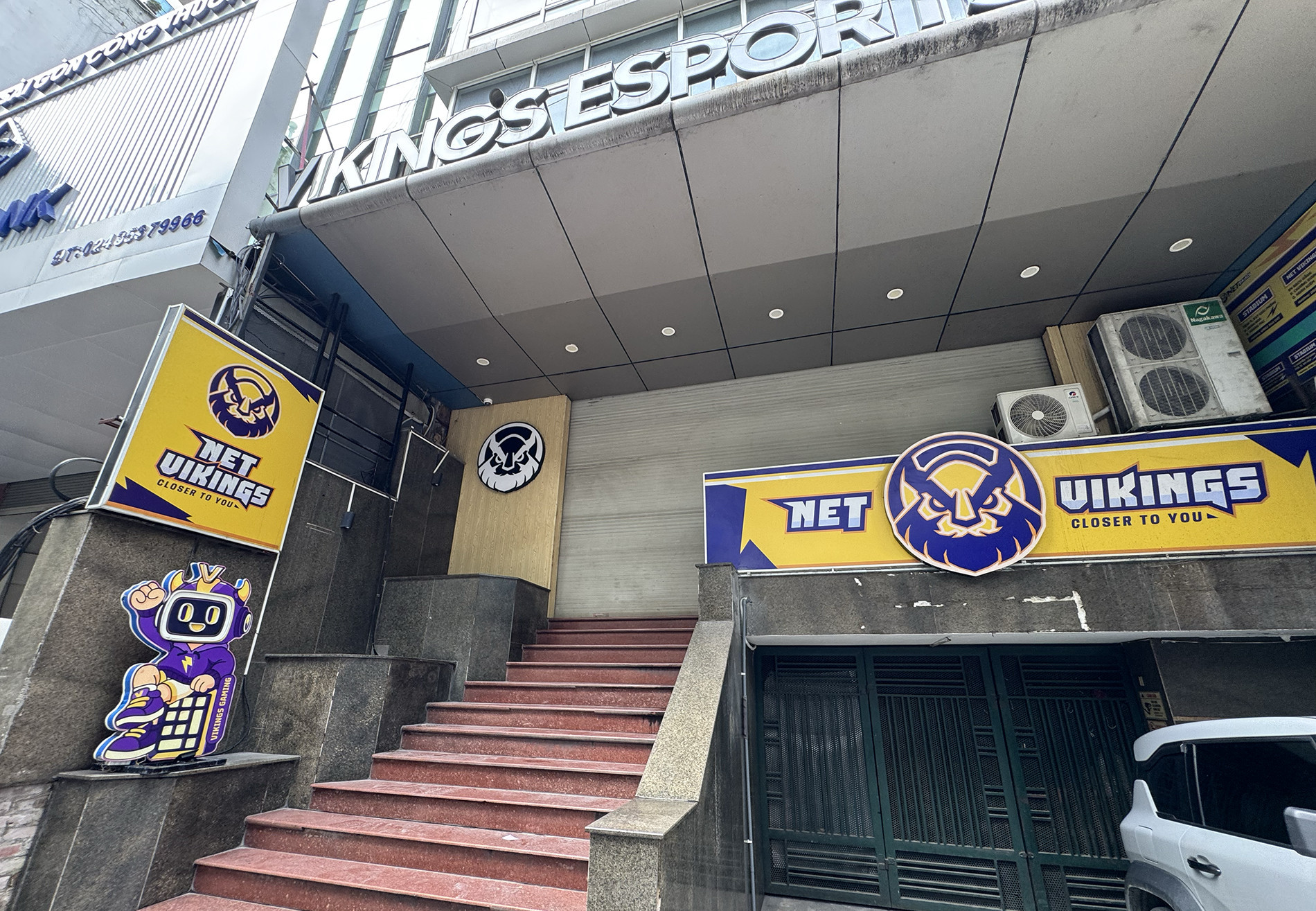
According to several gaming-center owners, the new regulations are only part of the problem. The industry is facing even greater pressure from increasingly expensive investment costs as customer numbers continue to decline.
Nguyen Xuan Duong, who has spent years in the gaming-center business, said the industry is now going through its most difficult period. In the past, owners could invest in a fleet of computers and recover their capital relatively quickly. Today, however, they face simultaneous pressure from rising costs, tighter regulation and changing customer demand.
Duong said revenue from hourly gaming fees is no longer the main source of profit. After electricity, internet, staff costs and equipment depreciation are deducted, little profit remains.
Overnight gamers, particularly at venues that previously operated 24 hours a day, once accounted for a substantial share of total revenue. With overnight customers gone, profits have fallen. Meanwhile, monthly rents remain at levels ranging from thousands of dollars, while owners must continually upgrade their computers to meet the requirements of new games.
Gamers’ habits have also changed significantly. The growing popularity of personal gaming PCs, high-speed internet and online connectivity platforms means many people can now play together from home. The rapid growth of mobile gaming has further reduced demand for traditional gaming centers, with many games now optimized for mobile devices.
Luu Duc Anh from Ninh Binh closed his gaming center late last year. He said many people assume that daily takings represent profit, when in reality much of the money effectively goes towards equipment depreciation. Daytime revenue is relatively low because customers are at school or work.
Leaving the industry early, he said, allowed him to avoid the pressure of heavy capital investment, legal risks and steadily rising operating costs.
Duc Anh believes the contraction of the gaming-center market reflects a trend already seen in many developed countries. Small and medium-sized venues may gradually disappear, leaving two business models with greater prospects for long-term survival: multi-service entertainment complexes combining Esports, food and beverage services and cafes, and premium gaming centers targeting customers willing to pay higher prices.
In some online communities, gaming-center owners have discussed alternatives such as gaming hotels, sleepbox facilities equipped with PCs or repurposing their computer systems for other uses. However, all these options face obstacles involving regulations, investment costs and commercial viability.
After years of rapid expansion, the gaming-center market is entering a period of significant restructuring. Venues without sufficient financial resources or the ability to transform their business models risk being forced out of the market.
Duy Anh
.svg)
