 Vietnamnet.vn

 Podcast



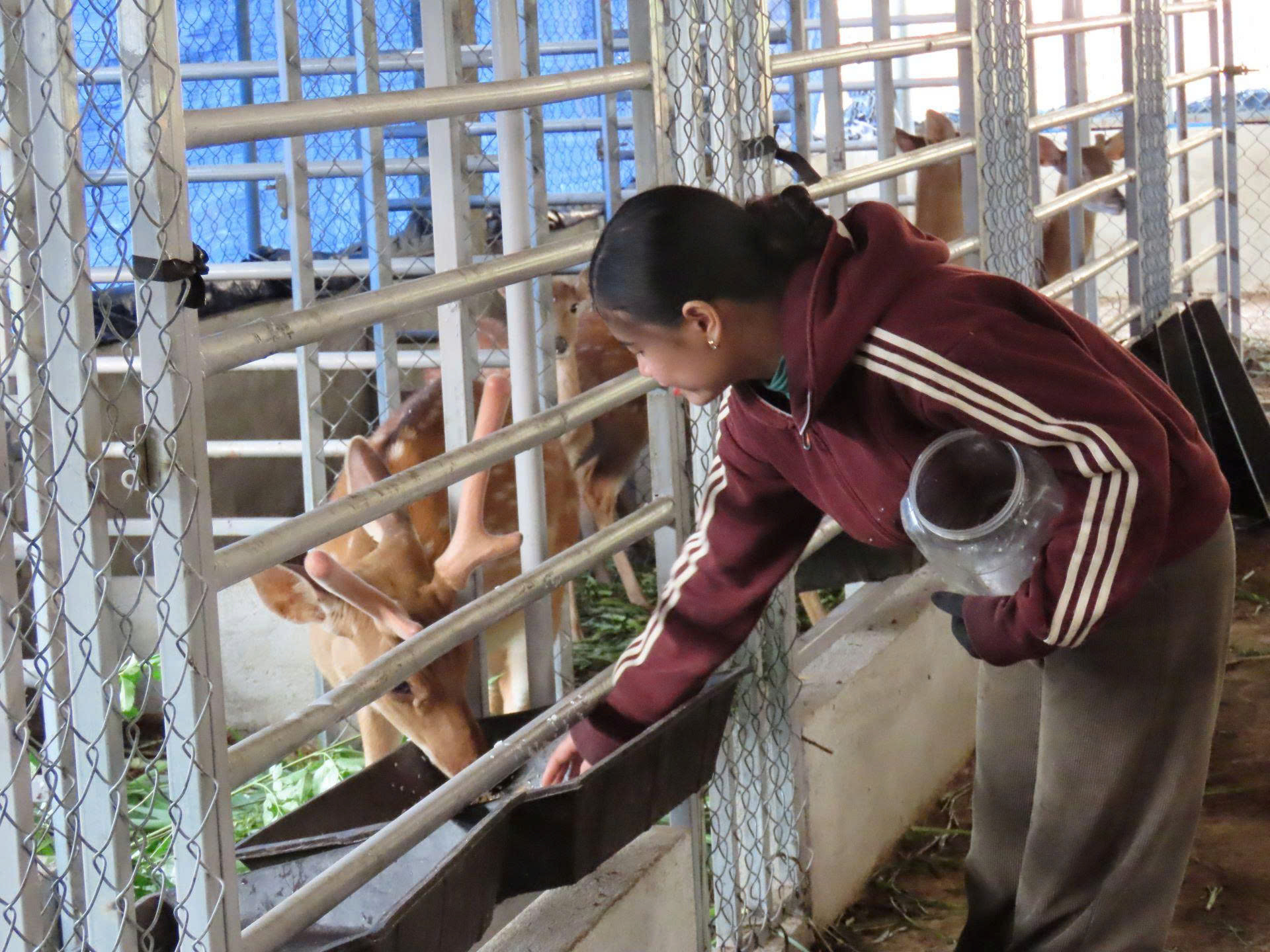
Once known only from television, spotted deer are becoming an unexpected source of income for Gie Trieng households in Da Nang's mountainous Phuoc Chanh Commune, where a community-based farming initiative is helping families build sustainable livelihoods.
From unfamiliar animal to valuable asset
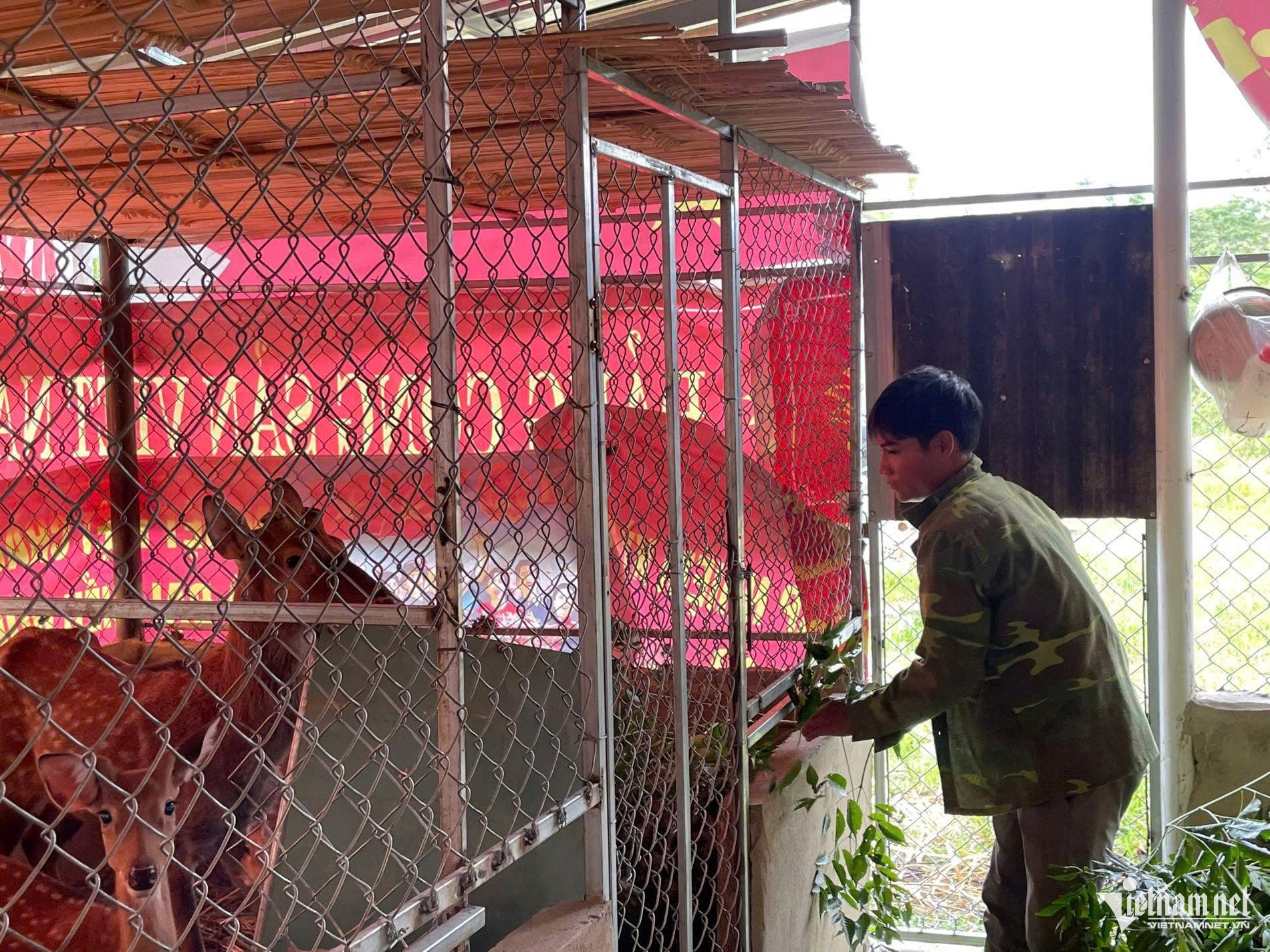
Every morning, Ho Van Hung, a 31-year-old member of the Gie Trieng ethnic community, cuts elephant grass and young banana trees to feed the five spotted deer recently provided to his family.
One stag has already begun growing its first pair of antlers.
"These are the first velvet antlers our family has ever seen," Hung said with a smile.
His family had previously received cattle through poverty reduction programs, but free-range grazing often resulted in disease outbreaks and disappointing returns.
In June 2026, local authorities supplied the family with five spotted deer, prompting Hung and his wife to borrow nearly VND 20 million (about USD 760) to build a proper enclosure.
Along with the animals, they also received training on feeding, disease prevention and forage cultivation.
"We'd only ever raised buffaloes, cattle and pigs," Hung said. "I'd only seen spotted deer on television. I never imagined we'd one day be raising them at home."
A promising new source of income
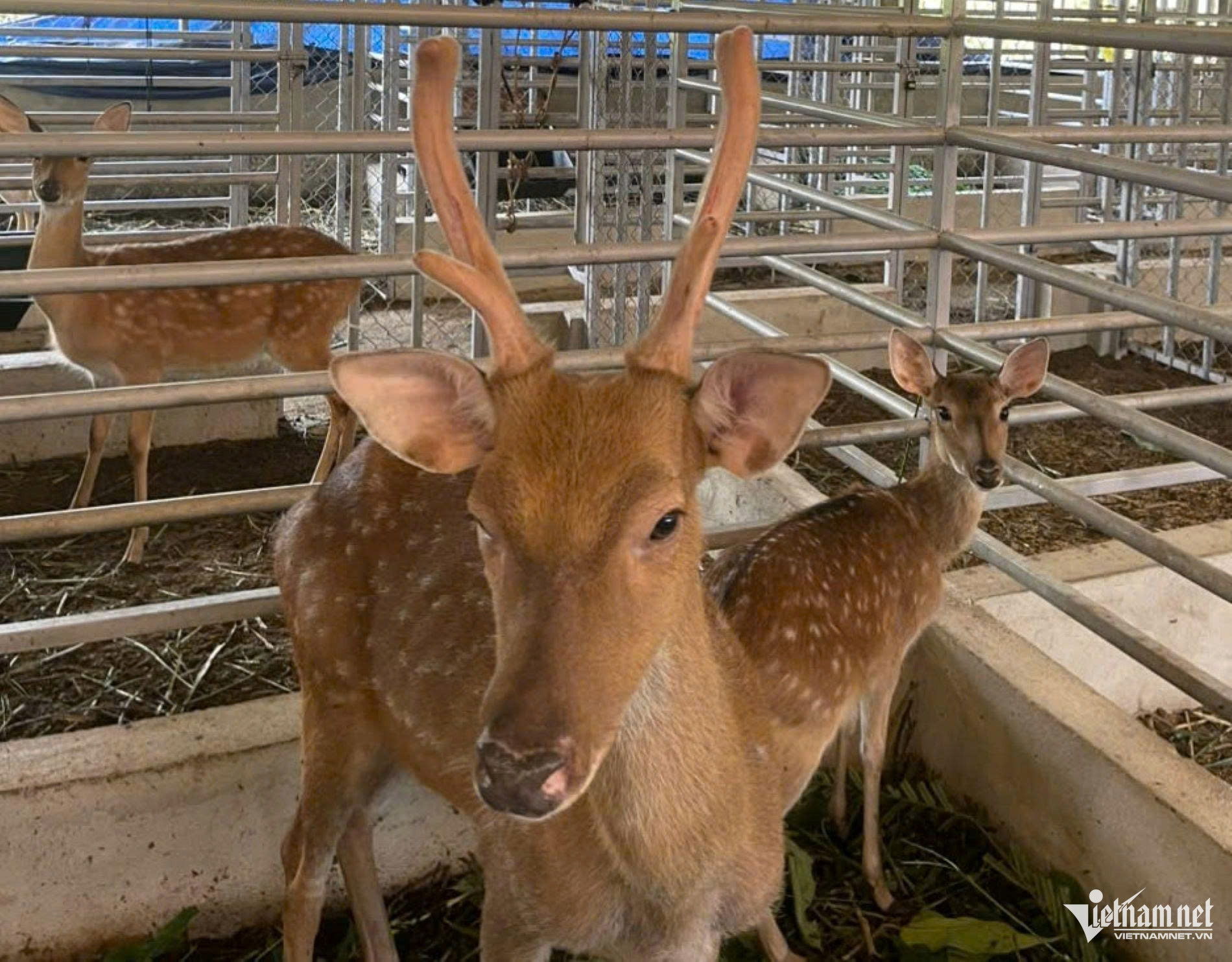
Hung is not alone.
Ho Van Vuong, another resident of Phuoc Chanh, has already earned his first income from the project after selling his first pair of velvet antlers for nearly VND 7 million (USD 265).
"I think deer farming is more profitable than raising buffaloes or cattle," Vuong said. "A deer can produce velvet antlers twice a year, sometimes three times with good care. That extra income makes a real difference."
According to local farmers, each male deer produces 0.7 to 1.2 kilograms of velvet antlers per harvest, typically twice a year.
With market prices ranging from VND 10 million to VND 12 million per kilogram (USD 380–460), a single stag can generate VND 15 million to VND 20 million (USD 570–760) annually.
Building a sustainable value chain
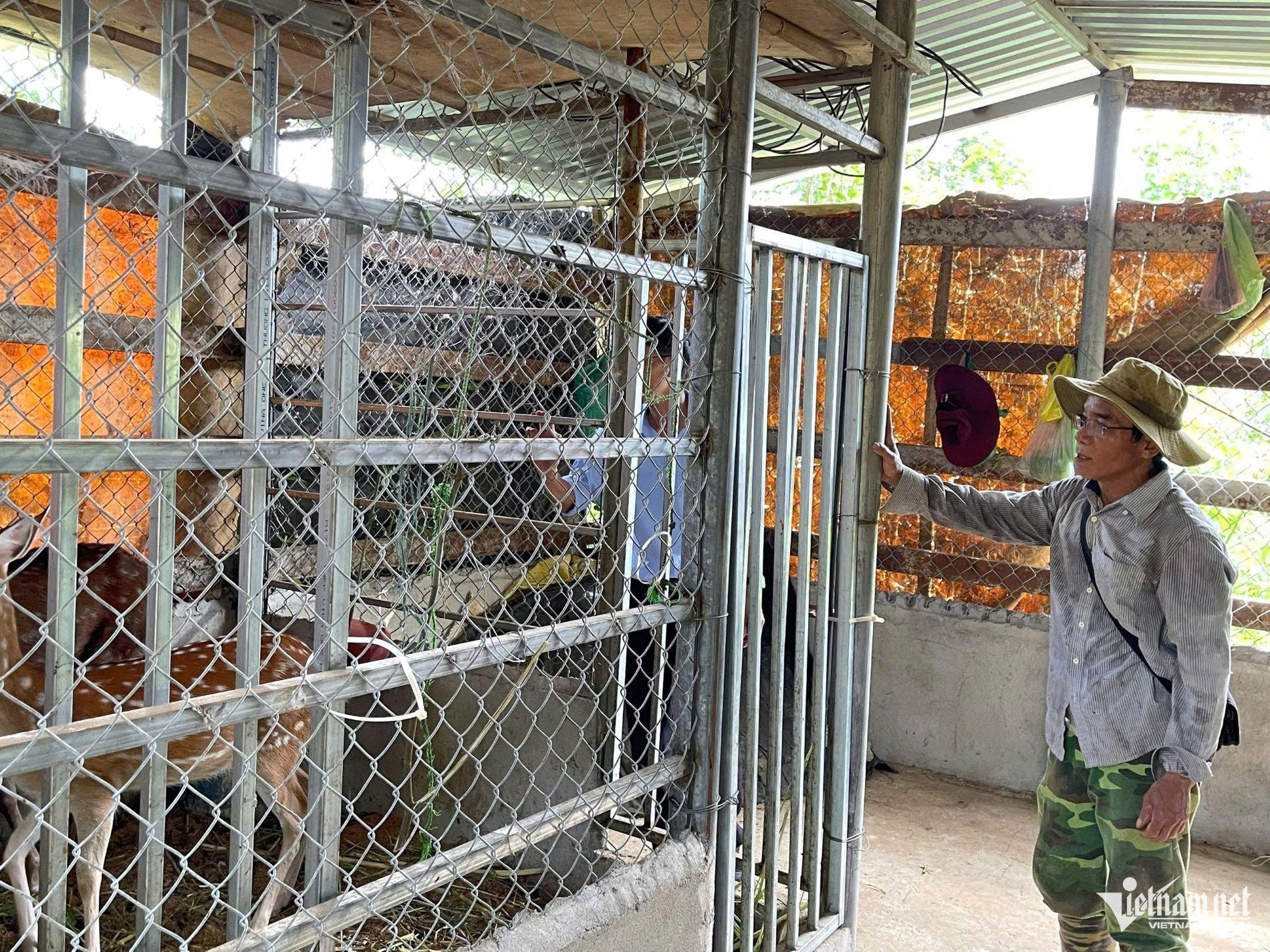
According to Le Van Dien, Deputy Head of Phuoc Chanh Commune's Economic Division, the biggest challenge was not the farming techniques but changing long-established production habits.
"People had raised buffaloes and cattle for decades, so many were hesitant about deer farming and worried they wouldn't be able to sell the products," he said.
To address those concerns, local authorities sent agricultural officers to each participating household to provide hands-on training in barn construction, forage cultivation, deer care and velvet harvesting.
The commune also established partnerships with cooperatives in Ha Tinh Province, Vietnam's traditional deer-farming hub, to purchase the antlers, giving farmers confidence that there would be a stable market.
Expanding the model
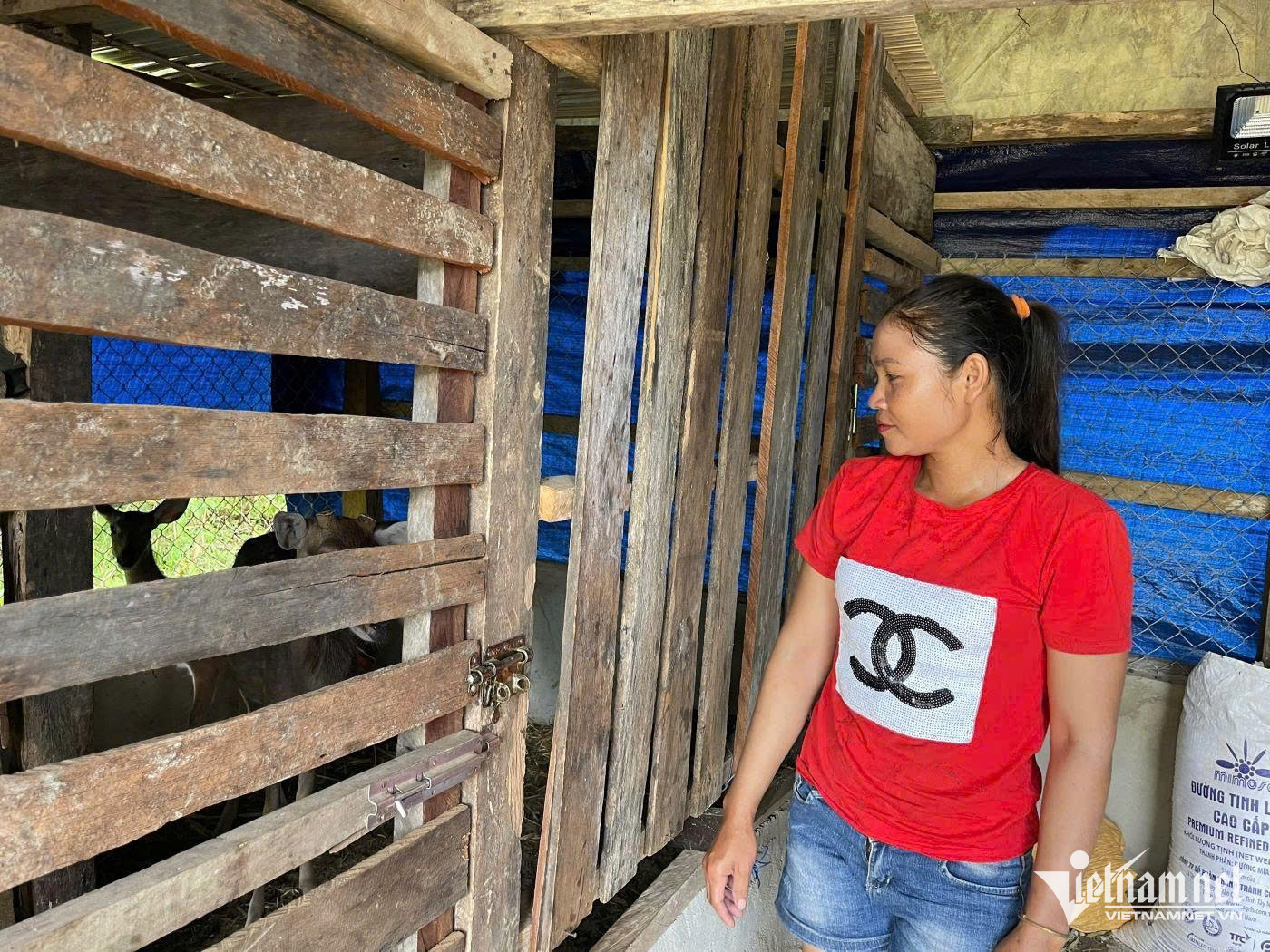
During the first phase of the program, 75 deer were distributed to 15 households, with each family receiving five animals.
Just three months later, many of the male deer had already begun producing their first velvet antlers.
The success has encouraged more families to participate.
Nguyen Thi Nhat, who joined after seeing neighboring households earn income, said she was reassured by both the technical support and guaranteed buyers.
"After nearly three months, the deer are growing well and we're very optimistic," she said.
The program has since expanded to 25 households, with additional families on a waiting list for future support.
Changing mindsets
According to Le Dinh Tai, Chairman of the Phuoc Chanh Commune People's Committee, the project's greatest achievement has been the shift in local attitudes toward farming.
"In the past, people relied mainly on traditional experience," he said. "Now they are actively learning new techniques, investing in proper facilities, growing feed and planning to expand their herds."
The commune aims to continue developing a specialized deer-farming area linked to stable supply chains, creating sustainable incomes while improving living standards for the Gie Trieng community.
What was once an animal seen only on television is gradually becoming a symbol of opportunity for one of central Vietnam's highland ethnic minority communities.
Huy Truong
.svg)
