 Vietnamnet.vn

 Podcast



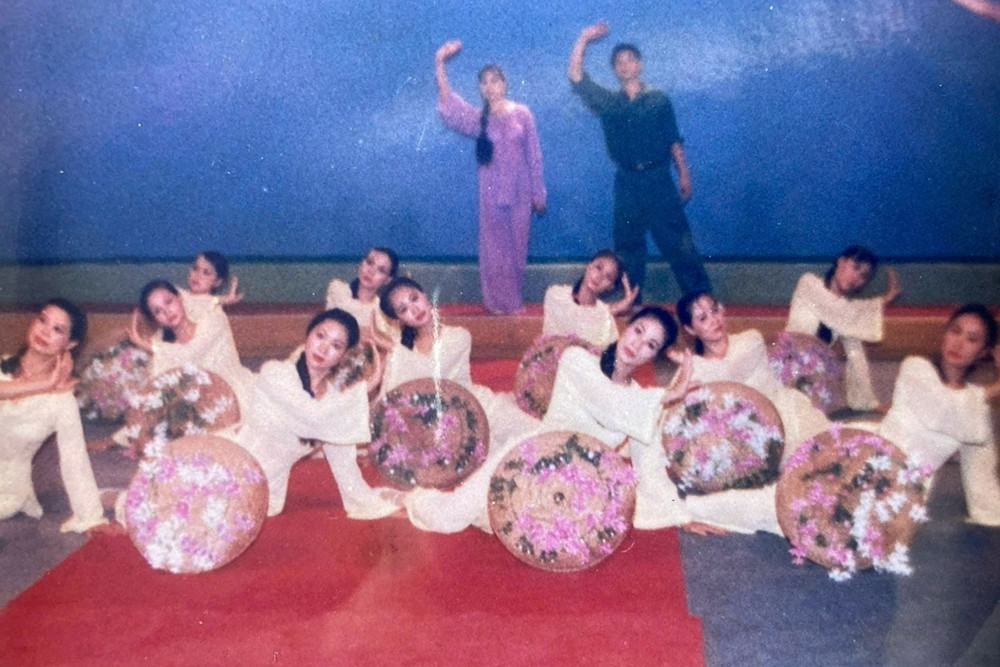
In 1959, while still a student at Huynh Thuc Khang High School in Vinh, she applied to the inaugural class of the Vietnam Dance School. No one in her family worked in the arts. She was not yet 16, an innocent young girl with many ambitions.
After one year at the Hanoi Dance School, she was sent to the State Institute of Theatrical Arts of the Soviet Union, one of the world's leading institutions in the field at the time, becoming one of the first Vietnamese students to study dance there.
Normally, students had to complete eight years of intermediate-level dance training before they were eligible to enter the school. She and her classmates, however, had studied for only one year. It was a major challenge.
In addition to dance, they had to study music history, world literature, theater history, painting, philosophy and aesthetics. It was an extremely demanding period, especially during the first year when her Russian was not yet strong enough to read academic materials fluently.
She realized that following the conventional approach would not be enough to keep up with the intense curriculum. She needed a different way to learn. After morning classes, she would grab a quick piece of bread and head to theaters to watch plays, operas, dance performances and films.
This helped her grasp the material for her arts theory exams while also learning about the staging methods and aesthetics of leading artists. At the time, she visited every theater in Moscow.
The approach paid off in the long run. She learned Russian through real-life exposure while directly observing the staging methods of the world's great masters.
In 1964, she and her fellow students returned to Vietnam before completing their degrees because of the war. Minh Hien, then deputy director of the Vietnam National Theatre of Song, Dance and Music, who had seen her perform in class in Moscow, introduced her to musician Nguyen Van Thuong, the theater's director. She was immediately offered a position there.
During her time at the theater, she choreographed numerous works, including the dance dramas Thach Sanh and Tru Van Tho, as well as To Khuc Trong Tu (Prison Suite), Que Huong (Homeland) and Vu Khuc Hungary (Hungarian Dance). Alongside her work as a choreographer, she also studied Vietnamese folk and classical dance because she understood that European classical dance alone could not be used to create distinctly Vietnamese works.
In 1982, she successfully defended her doctoral dissertation in arts studies at the State Institute of Theatrical Arts of the Soviet Union, becoming the first Vietnamese person to earn the degree.
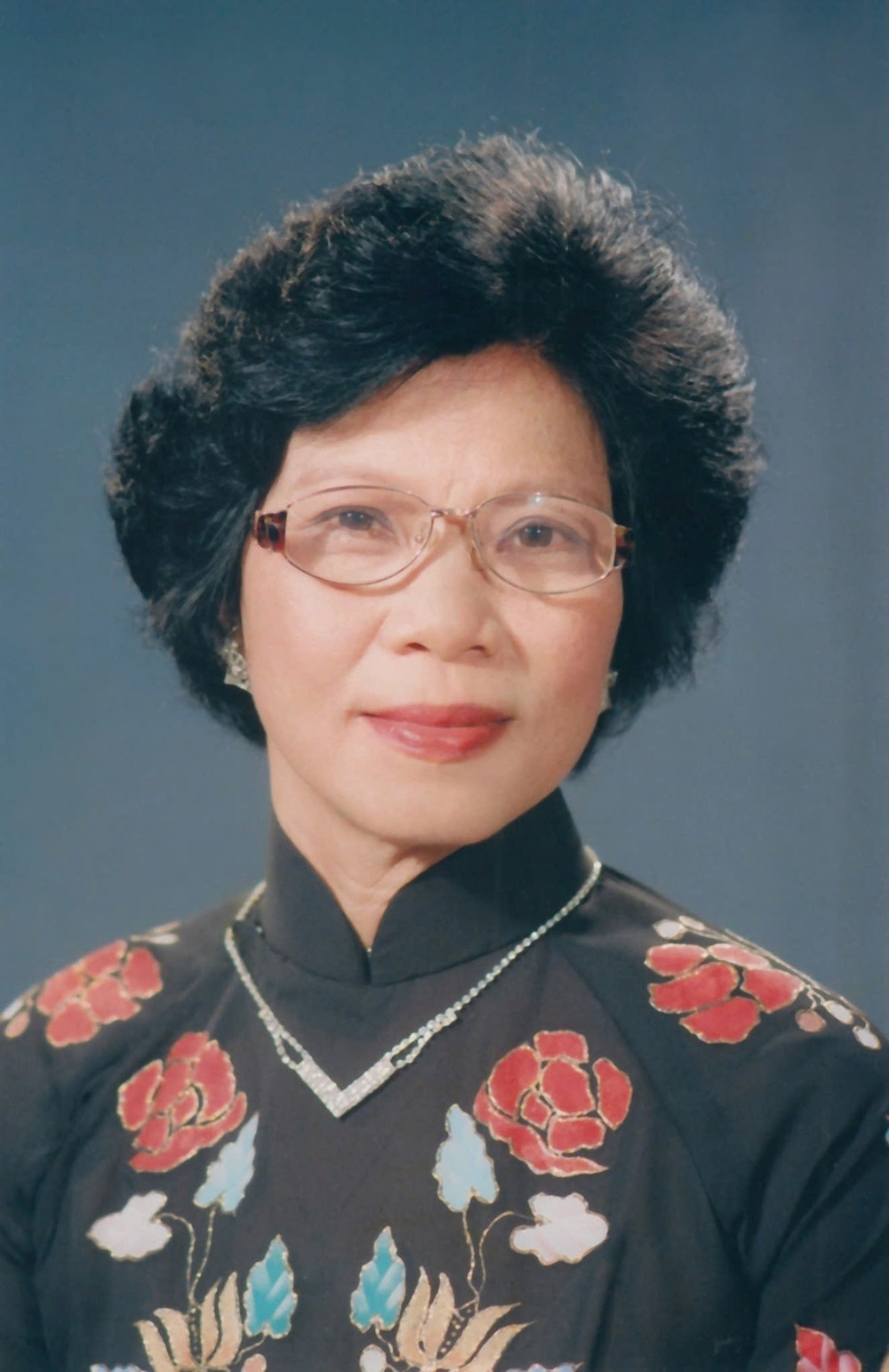
"The school in the Soviet Union did not want me to be only a postgraduate student who only studied theory. They wanted someone who was professionally skilled, capable of teaching choreography, and able to conduct theoretical research and write a dissertation. So I worked as a teaching assistant in practical choreography alongside my professors, while also spending my free time in the library reading materials and writing my dissertation. I did both simultaneously for three years," she recalled.
Her dance poem Nho Ve Dong Loc (Remembering Dong Loc) is considered one of her signature works. It remained in the repertoire for nearly 30 years and was performed by four theaters.
The subject of young volunteer workers who sacrificed their lives was both sacred and extremely difficult to portray, as it could easily become dry and rigid. She made repeated field trips to Dong Loc with leaders of Nghe An Province, read collections of letters from the front and studied books by writers about the event. It was not until 1985 that she finally staged the work.
She chose to explore the inner world of the young female volunteers, combining Vietnamese folk dance with European classical dance techniques to create a poetic quality in every movement.
She received the 2022 Ho Chi Minh Prize for a collection of three works: Hoa Phong Lan Tren Dinh Truong Bon (Orchids on Truong Bon Peak), Xuan Ve Tren Ban Kho Mu (Spring in a Kho Mu Village) and Buc Tranh Thon Nu (Portrait of a Village Girl).
More recently, Orchids on Truong Bon Peak was selected as one of six dance works included in a list honoring 50 outstanding and exemplary Vietnamese artworks created after national reunification (1975-2025), presented by the Ministry of Culture, Sports and Tourism.
She has trained generations of students, including nine People's Artists and more than 30 Meritorious Artists as of 2012.
Huy Minh
.svg)
