 Vietnamnet.vn

 Podcast


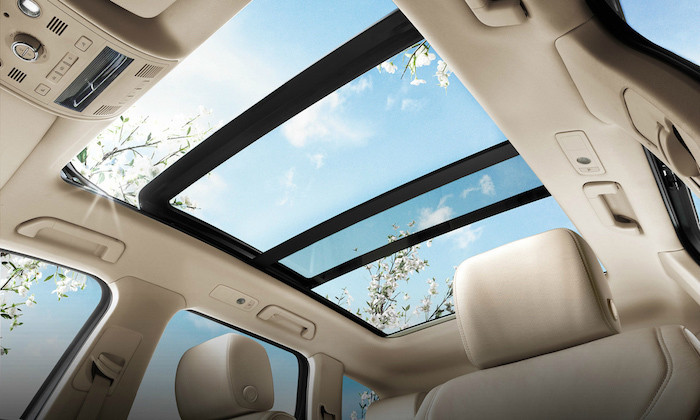
Despite offering luxury cabin aesthetics, intense panoramic sunroof heat absorption and costly maintenance have made many local car buyers in Vietnam reconsider the premium automotive feature.
Panoramic sunroofs enhance cabin brightness, create an airy ambiance, and elevate luxury aesthetics. However, in tropical climates like Vietnam, dealing with intense panoramic sunroof heat buildup, water leakage risks and expensive repairs leaves prospective car buyers hesitant.
Panoramic sunroofs are increasingly featured on SUVs and crossovers, particularly top-tier trims. Featuring expansive glass panels extending from front to rear seating areas, this feature admits natural light while improving cabin spaciousness and overall vehicle design.
However, in Vietnam's hot, humid, and rainy climate, panoramic glass roofs are not universally appreciated. In fact, numerous buyers deliberately choose lower trim levels to avoid owning this amenity.
Here are four reasons why panoramic sunroofs remain unappealing to many Vietnamese buyers:
Heavy heat absorption
Excessive heat accumulation represents the most immediate drawback of driving a glass-roofed vehicle in Vietnam. Large glass panels on top allow sunlight to shine directly into the cabin, causing the headliner and upper seats to absorb substantial thermal energy.
Even with internal sunshades deployed, thermal insulation depends heavily on glass quality, anti-heat coatings, and shade thickness. When vehicles park outdoors under 40–45°C summer temperatures, interior cabin heat surges, forcing air conditioning systems to work significantly harder.
While owners can install specialized heat-insulation films or auxiliary sunshades, these add extra post-purchase expenses. Under prolonged high-temperature conditions, many drivers consider traditional solid metal roofs far more practical.
Concerns over cracked glass
Unlike conventional metal roofs, panoramic sunroofs place large glass sheets directly above passengers' heads. Although engineered to withstand normal driving stresses, glass panels face risks of cracking or shattering from flying debris, external impacts, or manufacturing defects.
Tempered glass can shatter into numerous small fragments upon impact. Given the expansive surface area of panoramic roofs, shattering incidents create severe safety concerns for passengers while driving. Conversely, laminated glass holds broken fragments together more effectively via inner bonding films.
Once glass cracks or shatters, temporary fixes are rarely feasible for continued vehicle operation, especially during heavy rainfall. Replacement costs remain high due to large glass dimensions and model-specific manufacturing constraints.
Water leakage, electrical damage
A panoramic sunroof assembly has more than simple glass panels; it also has rubber weatherstrips, supporting frames, drainage channels, electric motors, and complex mechanical tracks. Over time, rubber seals age and degrade, while accumulated dirt and leaves block drainage channels.
Without periodic cleaning and inspection, rainwater can overflow into the interior cabin. Consequences extend beyond damp headliners and unpleasant odors, potentially damaging electrical wiring and interior upholstery. Repairing water damage in these scenarios is complex and expensive.
These risks have led many car buyers to prefer traditional solid roofs, which offer simpler structural designs and require no specialized drain maintenance.
High initial cost, complex maintenance
Panoramic sunroofs are typically reserved for top-tier trim levels. Buyers seeking this feature must pay significant price premiums to upgrade trim levels, even if they rarely open the sunroof.
Beyond prices, maintenance costs increase over time. The system includes multiple components and each part requires regular inspections and cleaning to ensure smooth operation and prevent mechanical jams or seal degradation.
When component failures occur, replacement costs remain high due to specialized parts availability and large dimensions. For drivers who rarely open their roof panels, battling panoramic sunroof heat while maintaining a complex system makes this feature an unappealing investment.
Although not suited for every driver, panoramic sunroofs remain a premium feature if used and maintained correctly. Beyond aesthetic appeal, glass roofs offer enjoyable cabin views during weekend road trips. However, evaluating panoramic sunroof heat trade-offs remains essential before buying.
Hoang Hiep

