 Vietnamnet.vn

 Podcast



Hanoi will begin piloting low-emission zones in the core area of Hoan Kiem District from July 1 before gradually expanding the model citywide, but transportation experts say the policy’s success will depend heavily on whether the capital can solve its severe parking shortage.
Speaking with VietNamNet, Nguyen Van Thanh, former head of Vietnam’s Directorate for Roads, said Hanoi is approaching the policy with considerable caution.
According to Thanh, authorities initially studied implementing restrictions across the entire Ring Road 1 area, but the actual pilot program was later narrowed to only about 0.5 square kilometers in central Hoan Kiem.
Restrictions on vehicles will also remain limited in scope during the early stages, applying mainly during certain hours and largely on weekends.
“This is a very gradual and cautious approach,” Thanh said.
“But that caution is necessary because limiting motor vehicles directly affects people’s daily lives and livelihoods, especially those dependent on ride-hailing services and transport activities.”
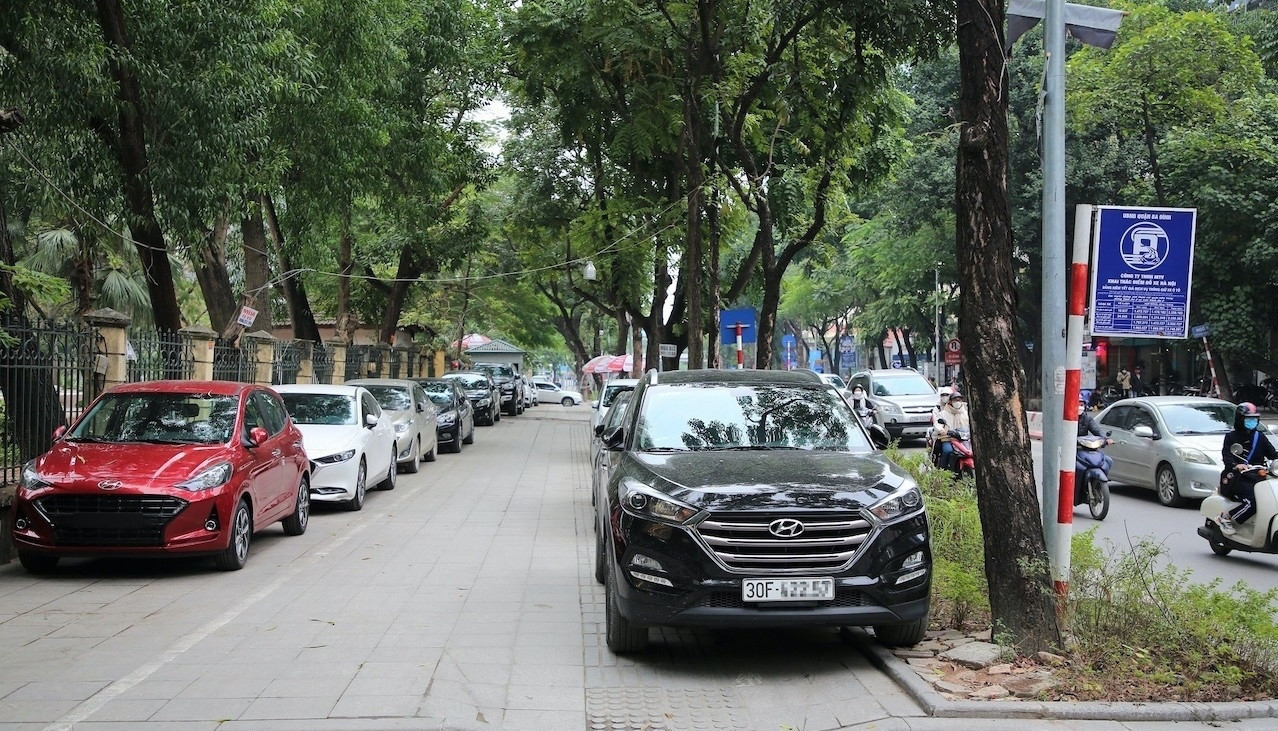
Thanh said Hanoi’s decision to pilot the model in Hoan Kiem was carefully calculated.
The district has one of the city’s highest population densities and most complicated traffic conditions, making it an ideal testing ground for identifying practical implementation problems.
Residents in the area also generally have higher living standards and may adapt more easily to green transportation alternatives.
In addition, Hoan Kiem already operates pedestrian zones around the lake during weekends, creating favorable conditions for expanding low-emission traffic measures.
“Testing the policy in this area will provide many practical lessons before broader implementation,” Thanh said.
Overall, he described the policy direction as necessary and worthy of support, but stressed that implementation must balance environmental goals with social stability.
“The city cannot move too quickly, but it also cannot lack planning and infrastructure preparation,” he said.
Parking infrastructure seen as key bottleneck
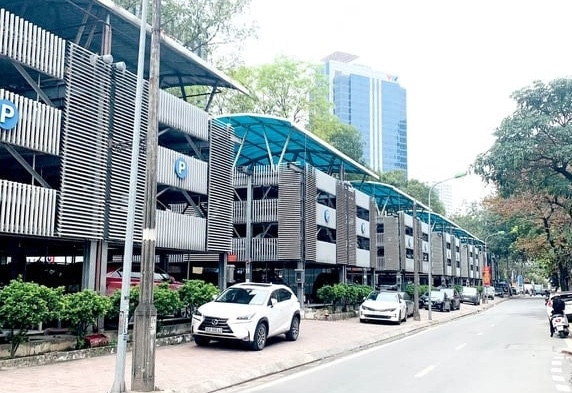
Experts say one of the most critical unresolved issues is parking infrastructure, which is considered essential for organizing transport transfers, reducing traffic pressure and gradually limiting private vehicles entering central districts.
According to Thanh, Hanoi still lacks a clear and transparent parking development strategy.
Demand for parking remains extremely high, while many underground and multi-story parking projects discussed for years have yet to materialize.
Meanwhile, spontaneous and unauthorized parking lots continue spreading across the city, contributing to urban disorder and unfair competition.
In the long term, Thanh said Hanoi needs not only more parking facilities inside the city center, but also large transfer hubs along ring roads and gateway areas.
These locations would allow commuters to park vehicles outside the urban core before continuing into downtown areas using public transportation.
“Even at the city’s gateways and along major traffic corridors, Hanoi still lacks large-scale, properly planned parking facilities,” Thanh said.
“This is a major gap preventing people from conveniently switching to buses, taxis or metro systems.”
Investment mechanisms remain unattractive
Another transportation expert said the slow development of parking facilities largely stems from weak investment incentives.
At present, Hanoi mainly calls on private businesses to build parking projects, while parking fees remain tightly regulated by the government, making profitability difficult.
At the same time, unauthorized parking lots often require little formal investment but still collect fees, creating unequal competition.
To address the issue, the expert suggested the state should play a leading role by using public investment funds to build parking infrastructure before auctioning operational rights to private operators.
Such a model would improve management while still attracting private-sector participation.
The expert also stressed that land already designated for parking projects must be used for its intended purpose instead of remaining unused for years.
In addition, Hanoi should consider using surplus land created through administrative restructuring to expand parking infrastructure and meet growing urban demand.
Parking systems should not be concentrated only within Ring Road 1 but should also include integrated transfer hubs farther from the city center.
Experts say the rollout of low-emission zones is becoming an unavoidable trend for major cities worldwide.
For Hanoi, however, the challenge extends far beyond simply restricting gasoline vehicles.
It is ultimately a broader question of building a sustainable urban transportation ecosystem in which parking infrastructure and public transit serve as the foundation.
Vu Diep
.svg)
