 Vietnamnet.vn

 Podcast



On February 2, the Hanoi People's Committee and a consortium of investors officially broke ground on two large-scale urban projects: Bac Thang Long Urban City and a second multi-purpose development in Thu Lam and Dong Anh communes. These are the first projects launched following the city's approval of its dual-purpose urban development proposal, part of its broader multi-core, multi-center spatial restructuring plan.
The ceremony was attended by Party General Secretary To Lam, along with senior officials from central and local government.
Bac Thang Long Urban City: A northern gateway to modern housing
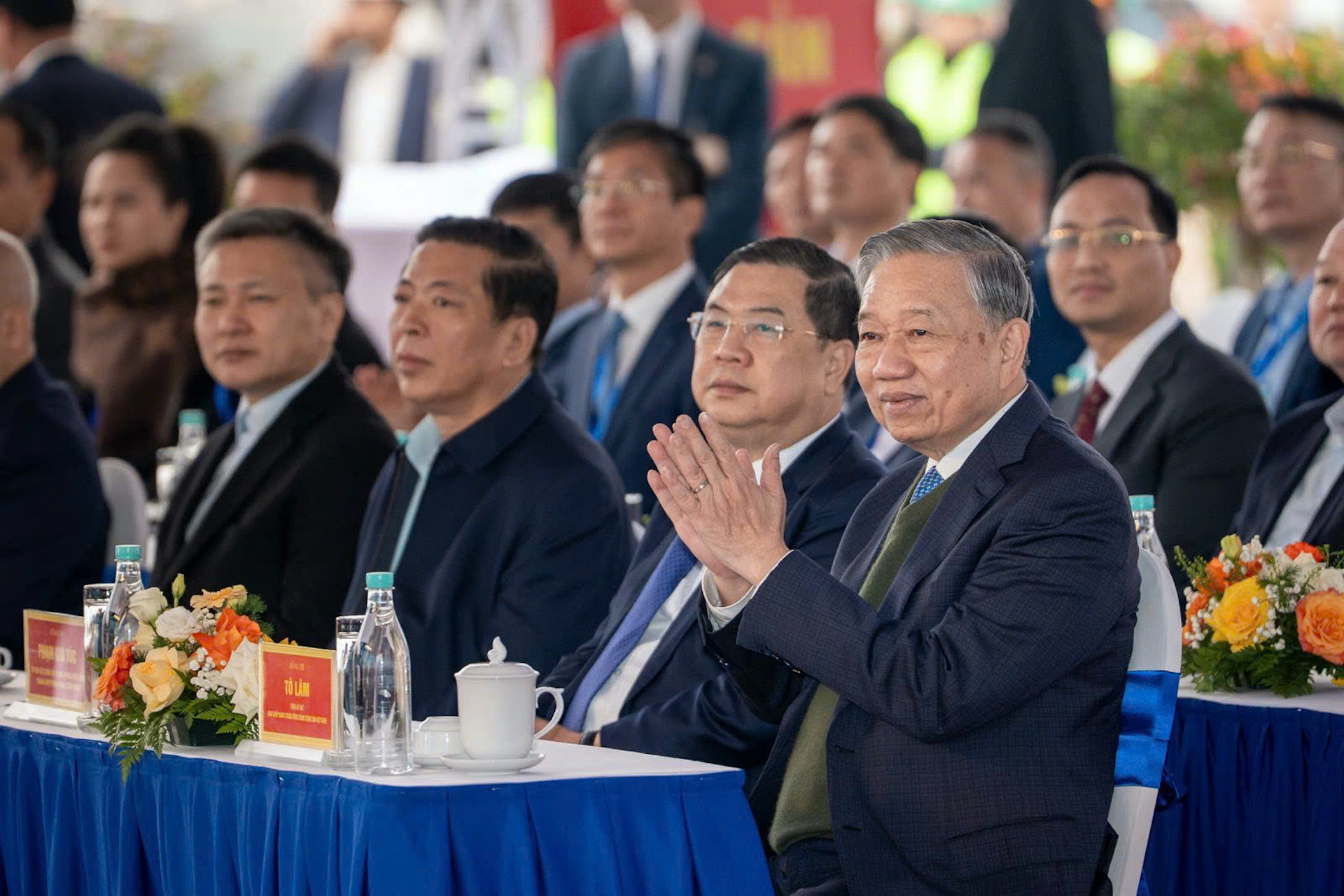
Party General Secretary To Lam attends the groundbreaking ceremony. (Photo: Organizers)
Developed by a consortium including Handico, Sunshine Group, and Thai Nam Land, Bac Thang Long Urban City spans over 699 hectares across Phuc Thinh, Thien Loc, and Me Linh communes in Hanoi’s northern outskirts. It is expected to provide housing for approximately 240,000 residents.
The project features a mix of housing types - resettlement units, social housing, government housing, and high-quality temporary accommodations - targeted at diverse income groups. All infrastructure, including roads, utilities, and public amenities, is planned to ensure long-term livability.
More than 50% of the project’s land is dedicated to green spaces, water bodies, and transport infrastructure. Average green area per person is set to reach 8 square meters - on par with Singapore and close to standards in top-tier Asian cities. This focus on green living aims to improve public health and climate resilience.
A representative of the developers emphasized that Bac Thang Long is a flagship component in Hanoi’s strategy to shift from a centralized to a polycentric urban model.
Thu Lam smart city: Expanding the capital’s future-ready footprint
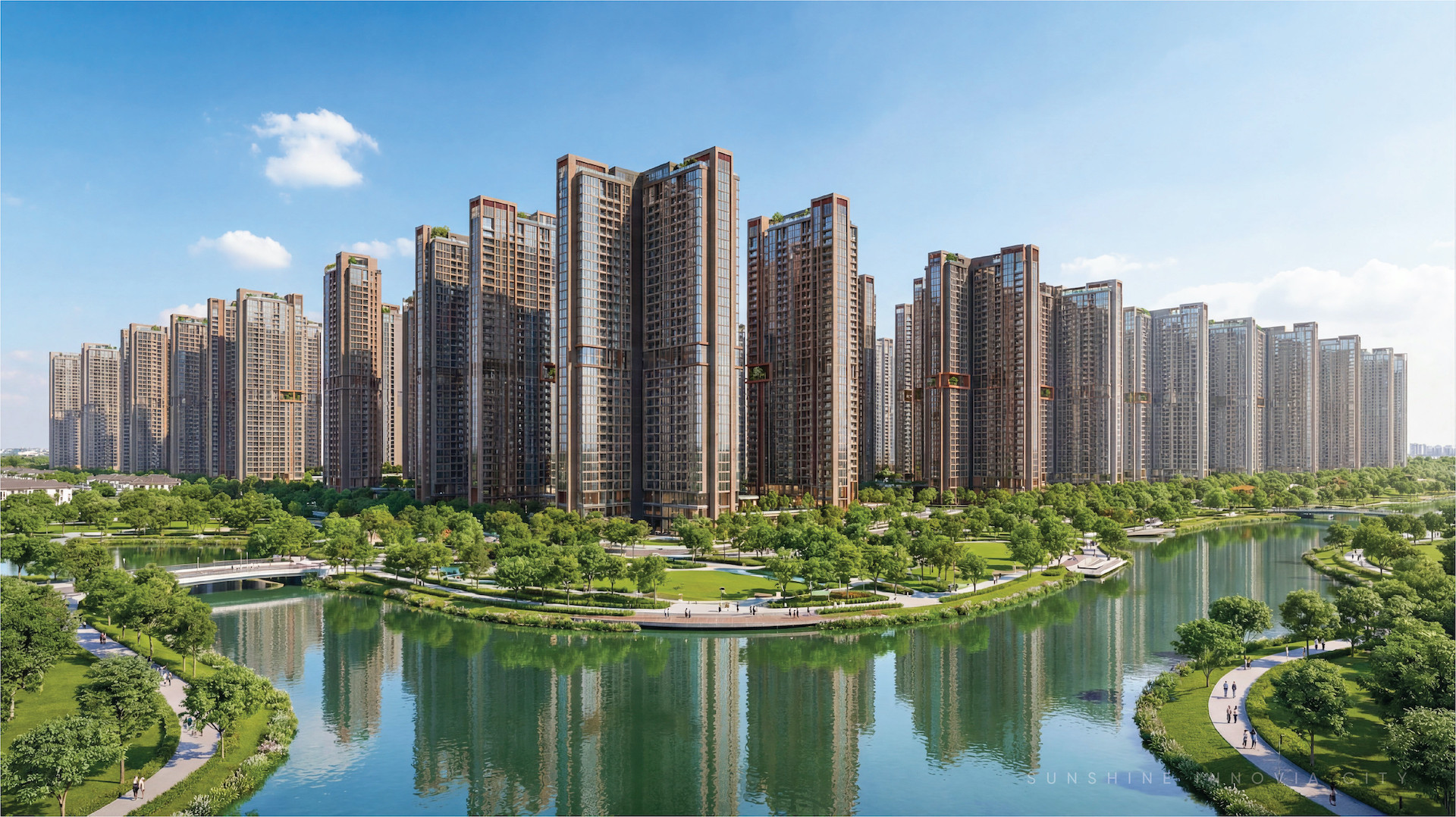
Master plan of Bac Thang Long Urban City. (Photo: Handico)
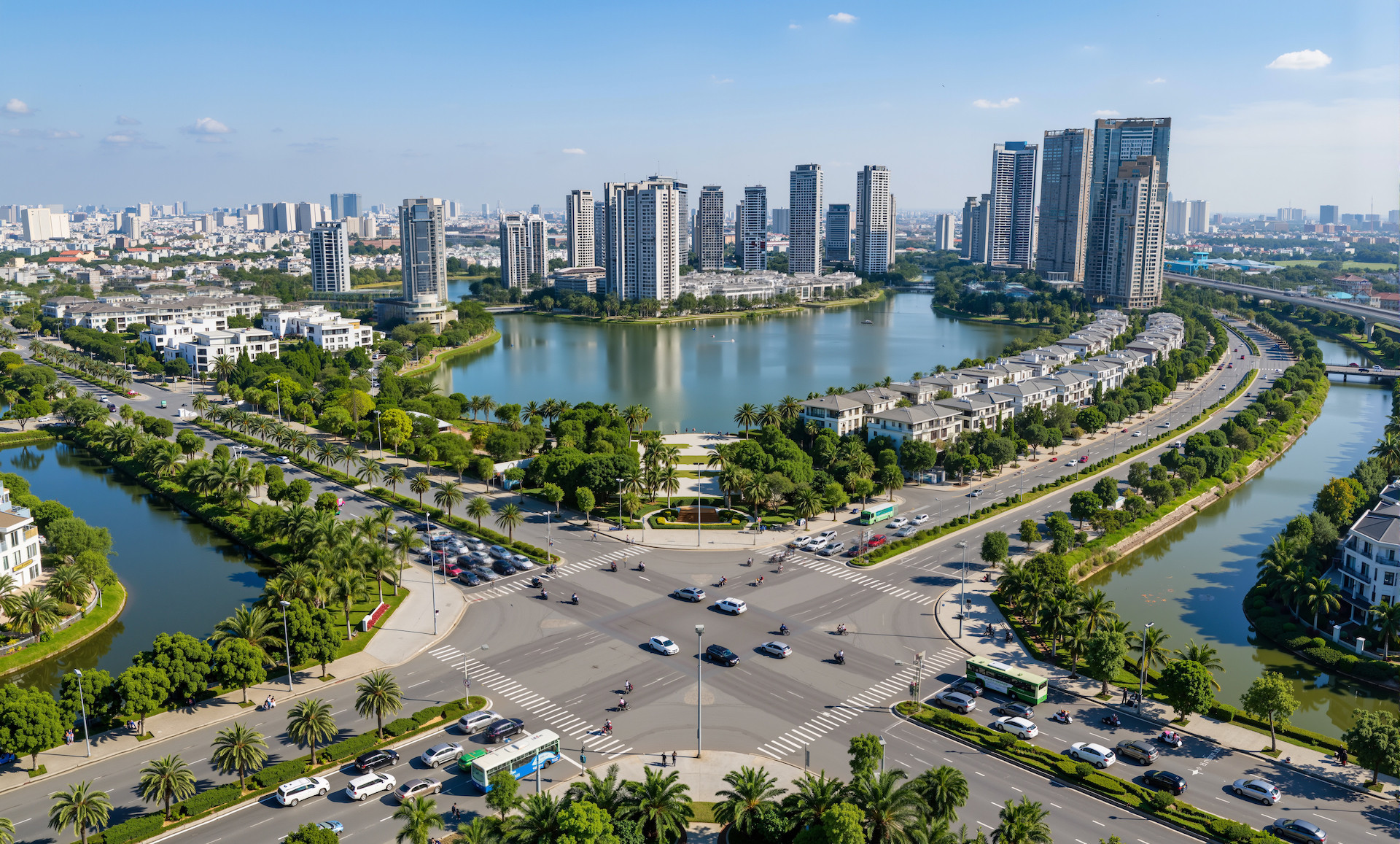
The second development, led by Tuong Lai Song Hong (Future of Red River) Group, covers about 696 hectares and spans three parcels across various urban planning zones.
The first parcel (360ha) is located in Thu Lam commune (E2-3 zone). The second (23ha) and third (313ha) are in Dong Anh commune (XB-2 zone), bordering Ring Road 3, the Hanoi–Thai Nguyen Expressway, Viet Hung auction site, and the historic Co Loa relic.
Construction is scheduled from Q1 2026 through Q3 2029, with land clearance and building to be carried out concurrently. The goal is to quickly deliver resettlement housing and stabilize life for affected residents.
A new phase in Hanoi’s long-term planning
Speaking at the event, Hanoi’s Chairman Vu Dai Thang underscored the importance of these projects for the capital’s strategic renewal. The aim, he said, is to build a green, smart, modern, and sustainable city.
Thang noted that the developments will significantly increase Hanoi’s housing stock - supporting resettlement, social housing, and government housing - while laying the groundwork for major infrastructure initiatives in the coming years.
He called for close coordination among investors, municipal departments, and local governments to ensure construction quality, progress, and attention to social welfare and resident rights.
The dual-purpose developments come as Hanoi advances its 100-year urban planning vision. A key objective is relocating over 860,000 residents from within Ring Road 3 between 2026 and 2045. Large-scale, well-planned housing zones like these are central to enabling that population shift.
Under its new master plan, Hanoi will evolve into a constellation of urban clusters - with nine development cores and nine strategic corridors. Each dual-purpose urban area will integrate social, resettlement, and commercial housing within one cohesive space, ensuring unified infrastructure, services, and quality of life.
Hong Khanh
.svg)
