 Vietnamnet.vn

 Podcast



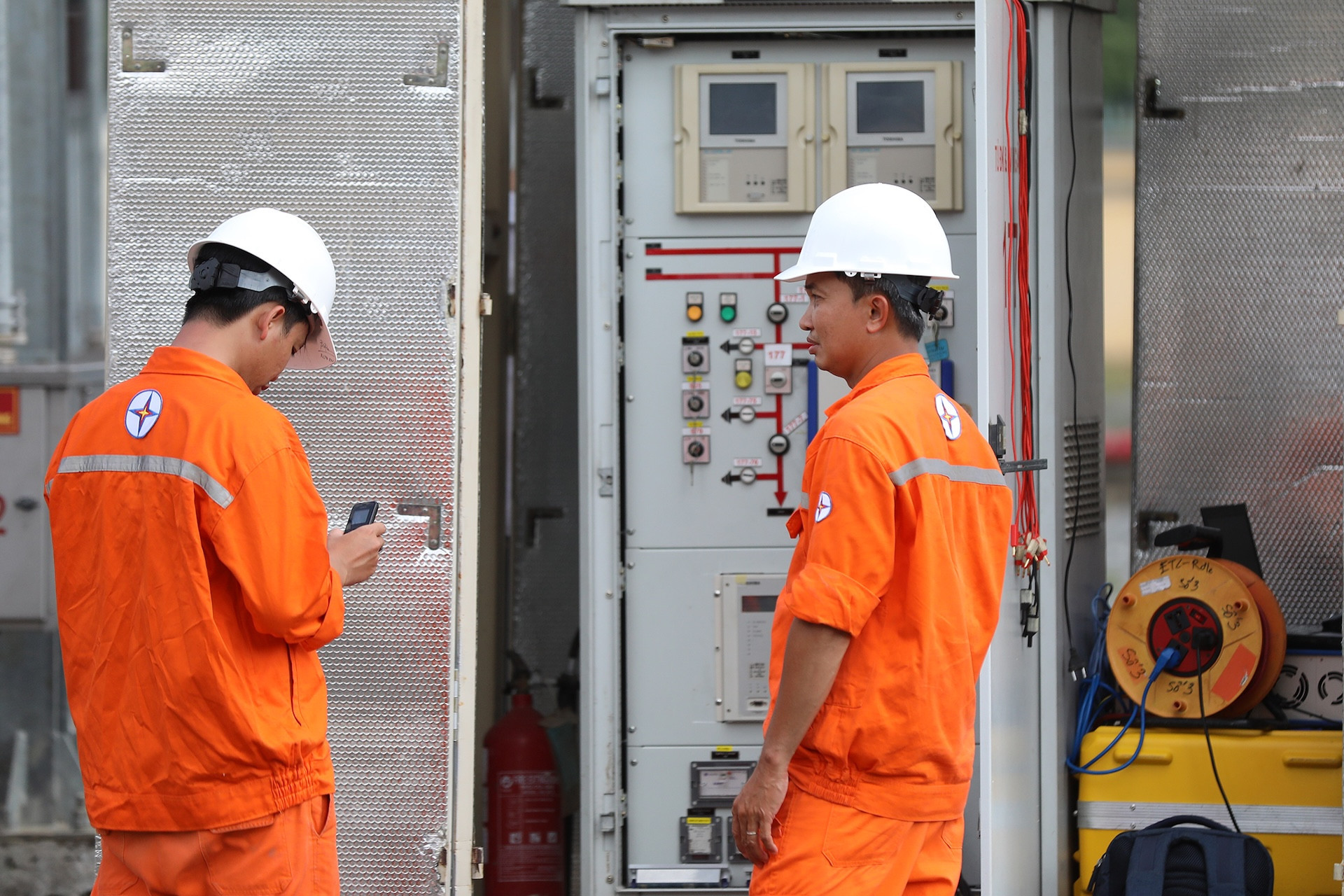
Many people worry it could become another way to increase electricity bills, while the ministry insists the idea is still at the research stage and would only be considered after technical requirements are met and its social impact fully assessed.
The reaction is understandable. Electricity is an essential service, so even a change in the way bills are calculated is enough to attract the attention of tens of millions of households.
The real issue is not time-of-use pricing itself, but how the policy is designed.
Many countries have implemented it to varying degrees. As electric vehicles, renewable energy, and smart grids develop, electricity prices no longer depend solely on the amount of electricity consumed but also reflect the time of use. Electricity used when the system is under stress naturally carries a different cost compared to electricity used when supply is abundant.
In reality, time-of-use electricity pricing is nothing new. From a system operation perspective, the Ministry of Industry and Trade's proposal is not without merit.
For many years, Vietnam has faced a surge in load during the peak hours of 6pm to 10pm. To meet these few peak hours, the power sector has to develop additional generation sources and transmission grids at an enormous cost, even though these works do not operate at full capacity for most of the day.
If a segment of the population can shift non-urgent needs, such as charging electric vehicles or running household appliances, to off-peak hours, the system will reduce pressure, while saving significant investment costs in the future.
That is the core of hourly electricity pricing: using price signals to regulate demand instead of continuously expanding supply.
Yet, what is economically correct is not necessarily easy to accept in daily life.
A family where both husband and wife go to work and only return home in the evening has virtually few choices. They still have to cook dinner, turn on the air conditioner, bathe their children, or wash clothes during peak hours.
If electricity prices rise sharply during this timeframe while they cannot change their daily habits, they can easily feel that they are being penalized for their essential needs.
Ultimately, the debate boils down to one word: fairness. Households with good conditions can install rooftop solar power or storage batteries, or charge their electric vehicles at night to enjoy low prices.
Meanwhile, the majority of middle- and low-income households do not have those options. If the policy is careless, the disparity in adaptability can easily translate into a disparity in electricity costs.
In addition, Vietnam faces another reality: people's incomes remain low. According to the 2025 residential living standards survey by the Statistics Office, the average per capita income is only slightly over VND6 million per month.
Although Vietnam's electricity prices are among the lowest compared to many countries, the resilience of the people is still that of an economy that has just entered the upper-middle-income group.
To successfully enter daily life, the policy must meet at least three conditions.
First, it must be based on a voluntary principle. Households equipped with electronic meters that are capable of adjusting their usage times, or who own electric vehicles, can register to apply the model to save costs. Other households must still have the right to choose the traditional tariff. When the benefits are clear enough, people will choose it themselves rather than needing administrative orders.
Second, it must be transparent. People must see which hours are cheap and which hours are expensive, and why. They need to know how much their bills will decrease if they change their usage habits. An application that tracks electricity consumption by hour is perhaps no less important than the pricing policy itself.
Third, the poor must not be disadvantaged. Currently, there are still more than 3.1 million households, equivalent to over 11 percent of all electricity-consuming households nationwide, that consume less than 50 kWh per month, equivalent to a bill of VND100,000 per month. If Vietnam moves toward a more modern electricity pricing, support policies for poor households and vulnerable groups must be even clearer.
Like any pricing reform, even a well-designed policy can succeed only if people have genuine choice, meaningful opportunities to save money, and confidence that they are being treated fairly.
If consumers see only higher peak-hour charges on their electricity bills without recognizing any tangible benefits, even a sound policy will struggle to gain public support.
Tu Giang
.svg)
