 Vietnamnet.vn

 Podcast



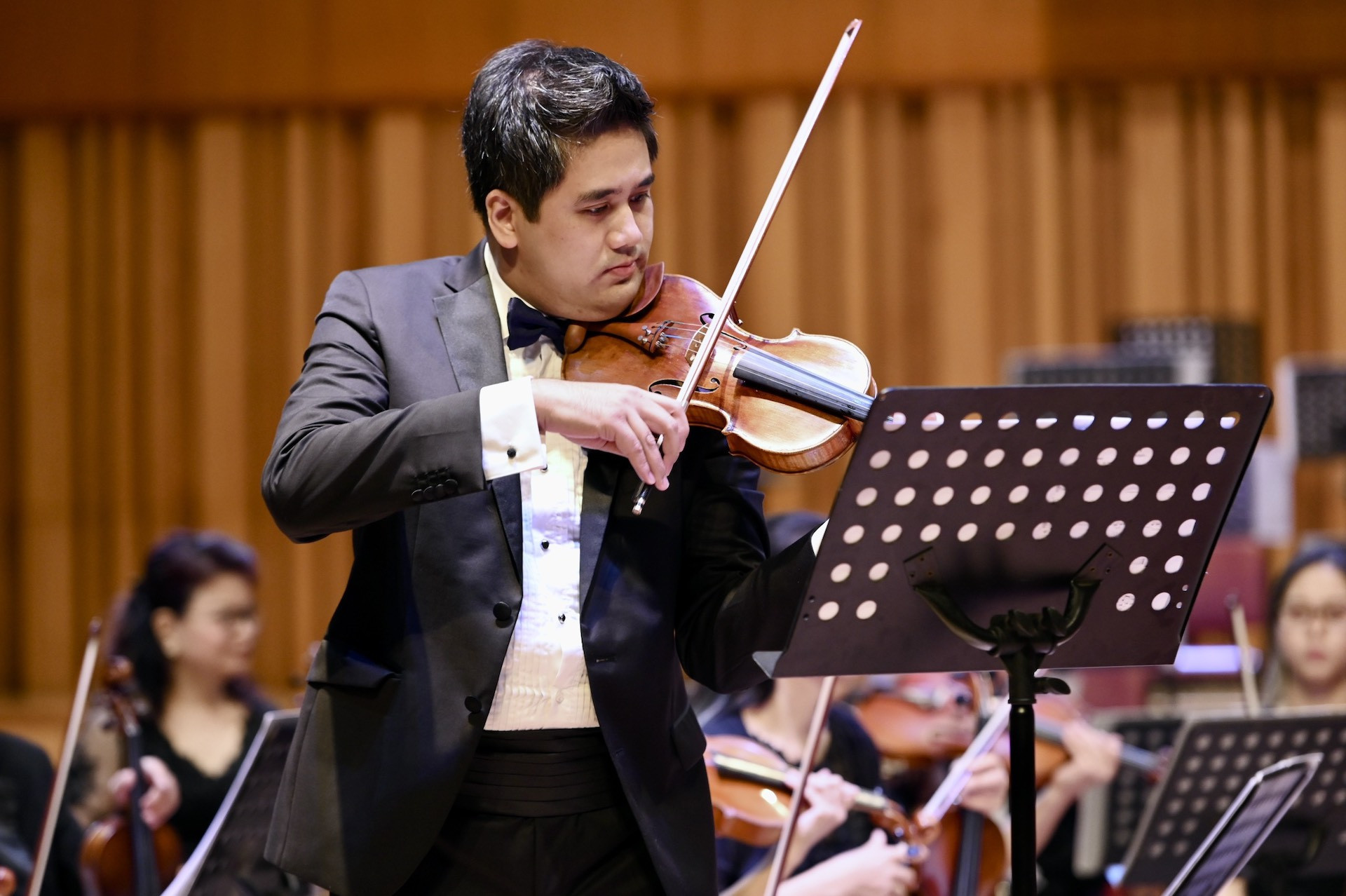
In the report on documents submitted to the 14th National Party Congress presented by General Secretary To Lam, the word “culture” is mentioned 14 times. Culture is also placed at the center of the national development architecture, as a spiritual foundation, an endogenous strength, a resource, and a driving force for development.
VietNamNet spoke with People’s Artist Bui Cong Duy, Deputy Director of the Vietnam National Academy of Music, about this issue.
What are your thoughts on the orientation of the 14th Congress: culture is an endogenous strength, a resource, and a motivation for development?
I followed the 14th Congress very closely and paid special attention to the report on the documents that General Secretary To Lam presented. The document stated: “Identify early, take advantage of all advantages and opportunities, overcome all difficulties and challenges; closely and synchronously implement combined tasks: Socio-economic development and environmental protection are the center; Party building is the key; cultural and human development is the foundation; strengthening defense and security and promoting foreign affairs and international integration are essential and regular.”
As someone working in the field of culture and arts, I feel this is one of the most encouraging policies.
I believe that placing culture and people at the center of development is an important "key," opening a new stage for the development of Vietnamese culture and arts. From there, we can build people and a whole cultural system on foundations accumulated through many previous generations.
Culture is not a one- or two-year story but of many generations. One generation should be calculated as 10 years. Therefore, when culture is viewed in a more balanced way, alongside the economy, it creates a major opportunity for us to build a new development period based on the core values of Vietnamese people and culture, with solid practical and scientific foundations.
With that foundation, we can proactively integrate internationally, both enhancing our own value and absorbing progressive global trends.
The effects may not be visible immediately, but in 10 or 20 years, the value of today’s decisions will become very clear.
How do you, as an artist, feel about the Party and State’s emphasis on culture and the arts?
I believe that a country whose leaders understand culture and love the arts, especially classical music, is truly blessed.
Looking back at history, many great leaders around the world have had a passion for the arts: some loved cinema, others painting, ballet, or opera. That is not accidental.
In reality, developed countries all align culture with the economy. Japan invested heavily in culture after the war. South Korea invested in cultural industries, creating ideological influence alongside economic growth. China, Singapore, and many other countries have followed similar paths.
Culture can go ahead of or move alongside the economy, but it certainly cannot go after. One cannot become rich first and then “buy” culture. To create global influence, one must create cultural influence.
When culture is strong, people become more kind, more refined, and more aware of proper values in life. And when those values are elevated, the economy will develop in a sustainable and profound way.
How do you assess Vietnam's advantages in the new development stage?
Vietnam has a huge advantage in a population size of about 100 million. If cultural policies are implemented well, the spread will be very powerful.
In the new era, the country's steps cannot follow the old way. We must not only go faster but must go strategically, with "art" in development.
I hope artistic values are placed in the right spot, at the right time, and receive practical investment.
The most important thing is training the younger generation with a long-term vision. Those who are 15-16 years old today will be the core force serving the country for the next 50 years. Therefore, we need policies that create conditions for the professional team, those with capacity and passion, to maximize their abilities.
Alongside that, we need to re-invest in high-quality human resources, using people effectively and substantively, just as many developed nations, including Singapore, have done very well.
I believe that spreading the love for beauty and the love for art will help people have better awareness, be more creative, and be friendlier. That is the deep foundation for the sustainable development of the country.
Tinh Le
.svg)
