 Vietnamnet.vn

 Podcast



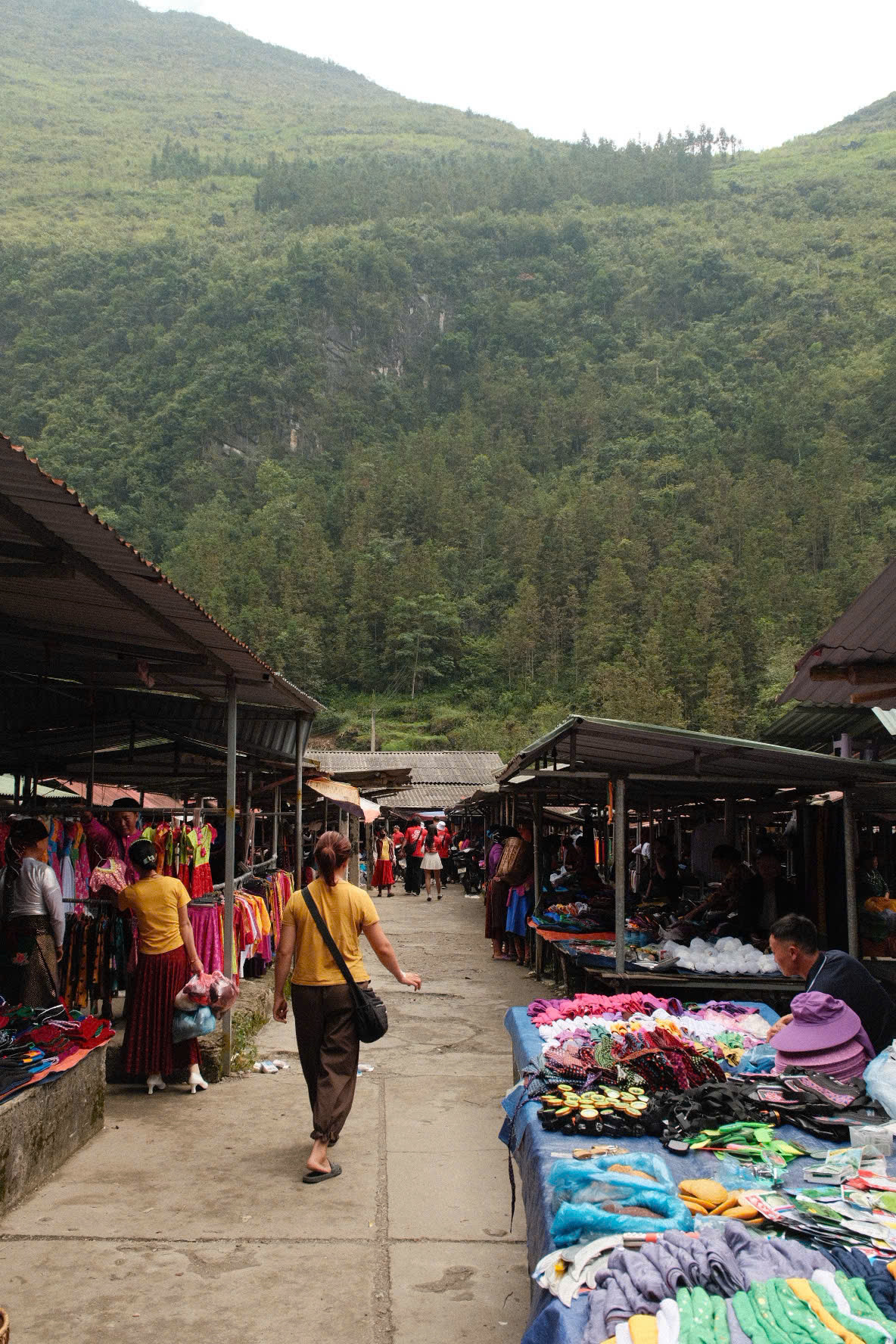
Pho Cao market sits in the center of the commune of the same name, in the former Dong Van District, surrounded by a long, narrow valley.
It is one of the distinctive periodic markets of Tuyen Quang Province, in an area that formerly belonged to Ha Giang Province.
Although the market is held in the former Pho Cao Commune, it also attracts large numbers of ethnic minority residents from neighboring former communes such as Van Chai, Lung Thau and Sung La, who come to trade, shop and socialize.
What makes Pho Cao unusual is its schedule. The market is held once every six days, meaning that each gathering falls one day earlier in the week than the previous one. This rotating schedule allows local residents to arrange their work so that everyone has an opportunity to attend. For that reason, it is commonly known as Pho Cao’s “backward market.”
For example, if the market falls on the Day of the Ox one week, the next gathering will take place on the Day of the Goat. Trading begins before dawn and continues until early afternoon, usually from around 3am to 1pm.
Unlike some other markets on the Dong Van Karst Plateau, Pho Cao does not operate on a fixed weekend schedule. Instead, its market day shifts backward by one weekday with each six-day cycle.
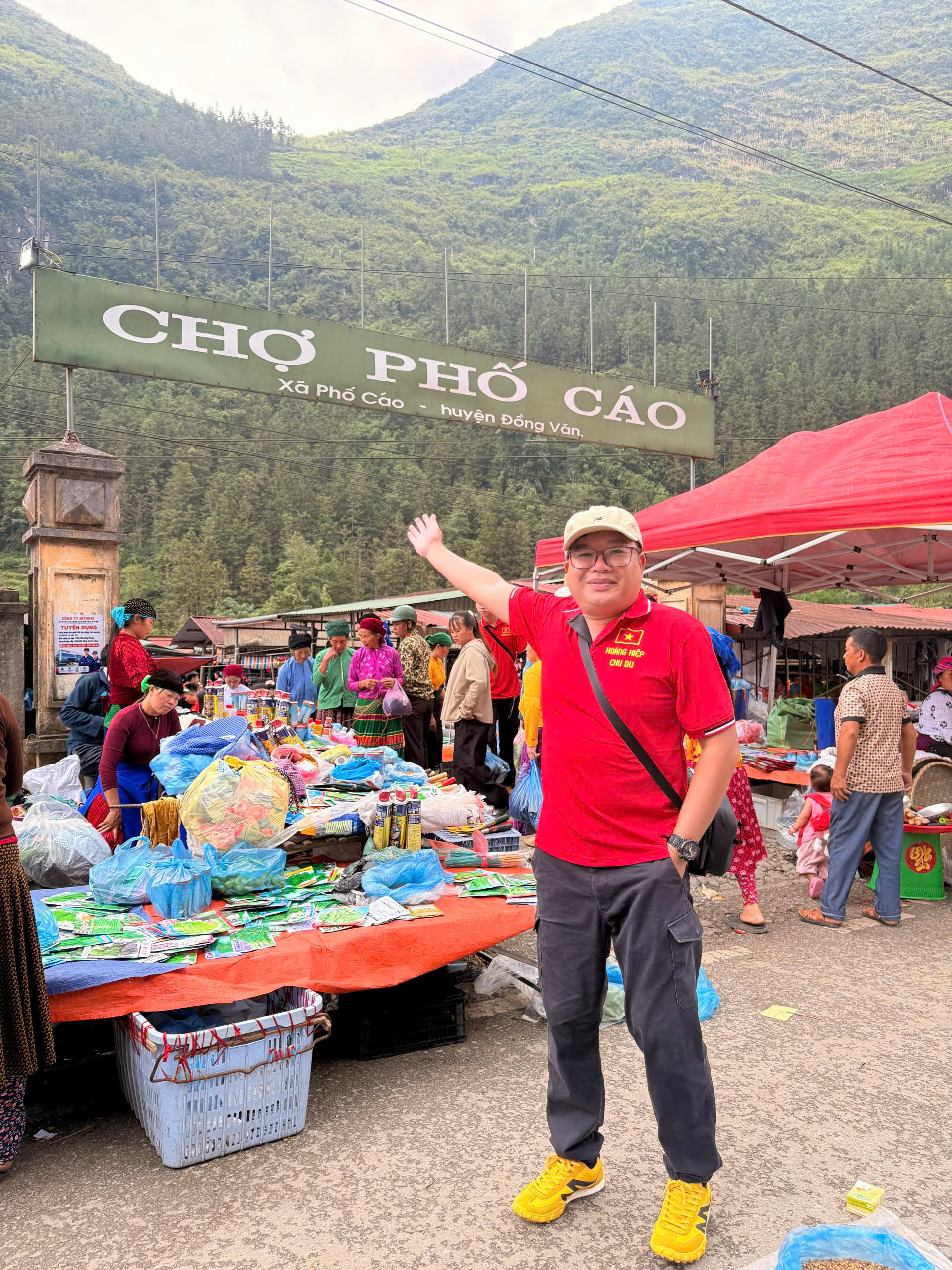
During a recent visit, Hoang Hiep, a tour guide from Ho Chi Minh City, was struck by the bustling trading scene.
It was his second visit to the market.
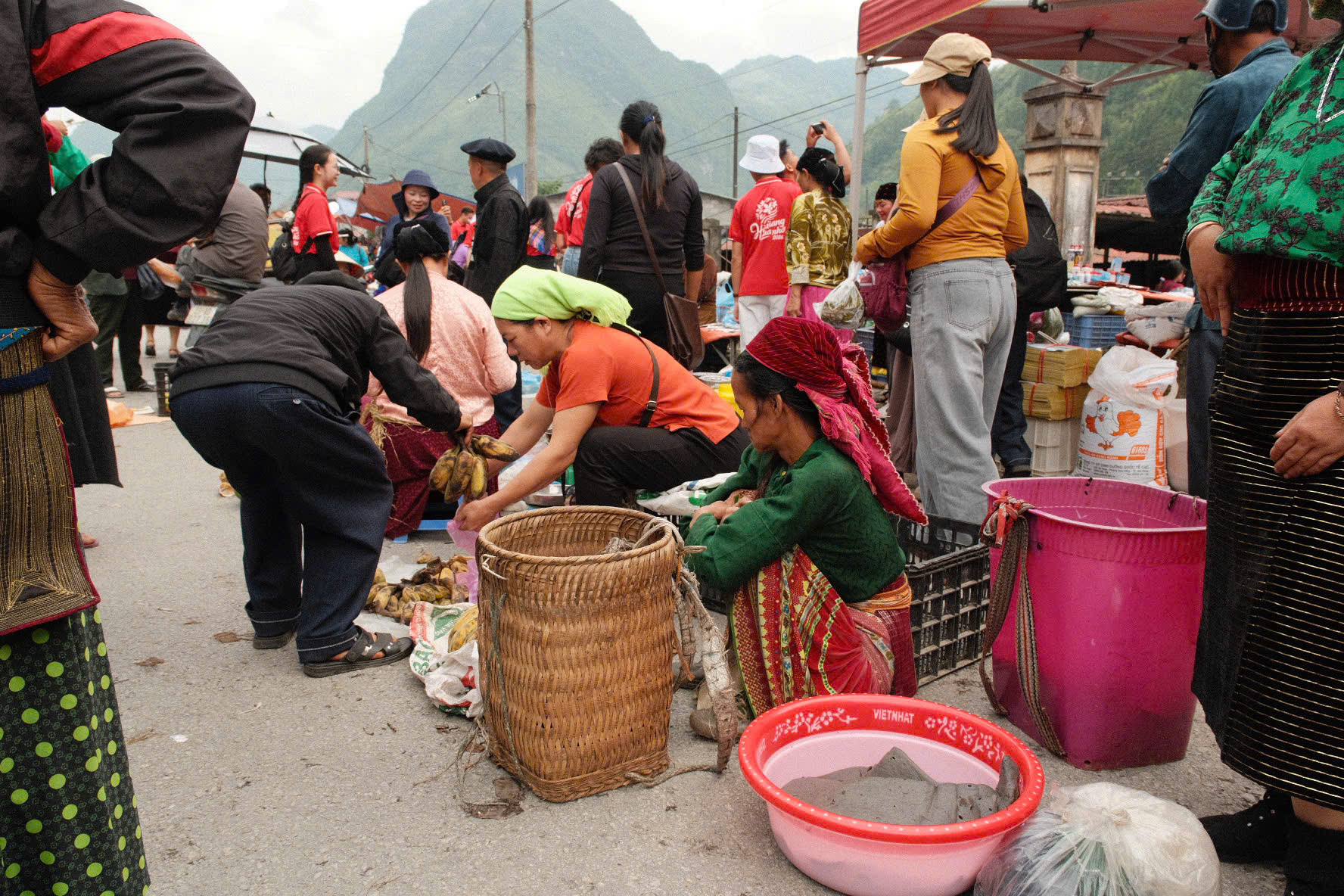
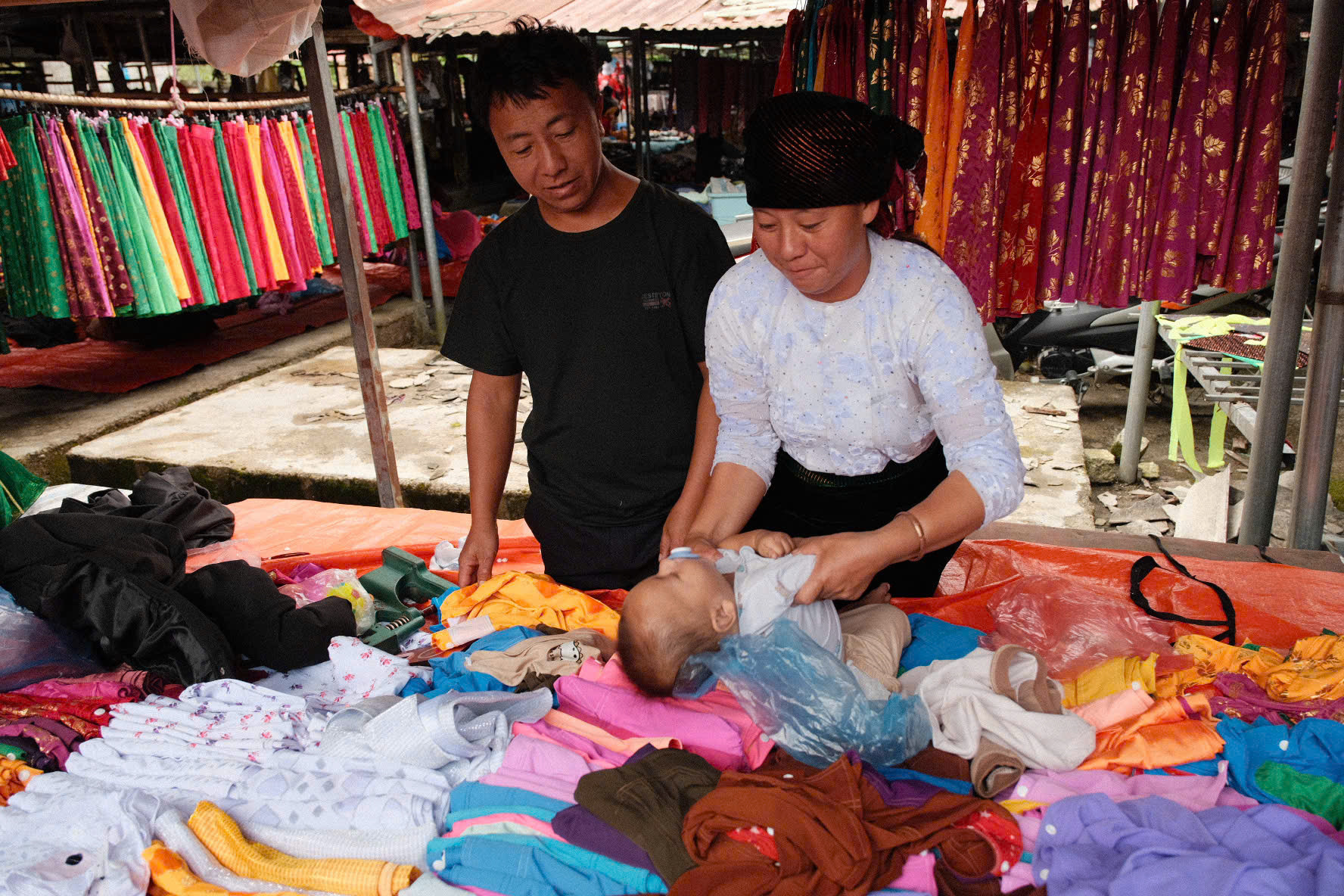
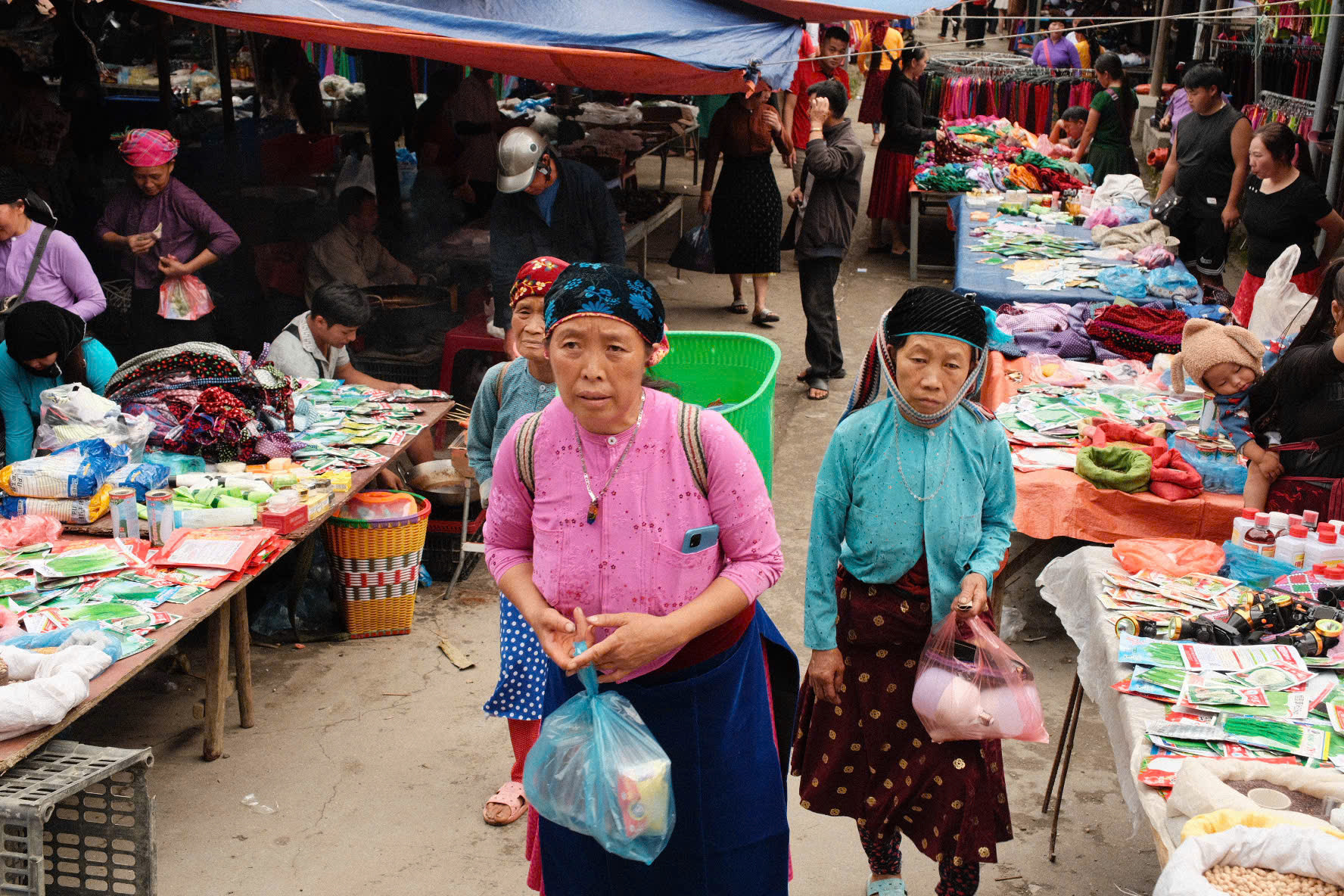
Hmong, Dao and Pu Peo people arrive with homegrown produce, locally made goods and handicrafts to exchange and sell.
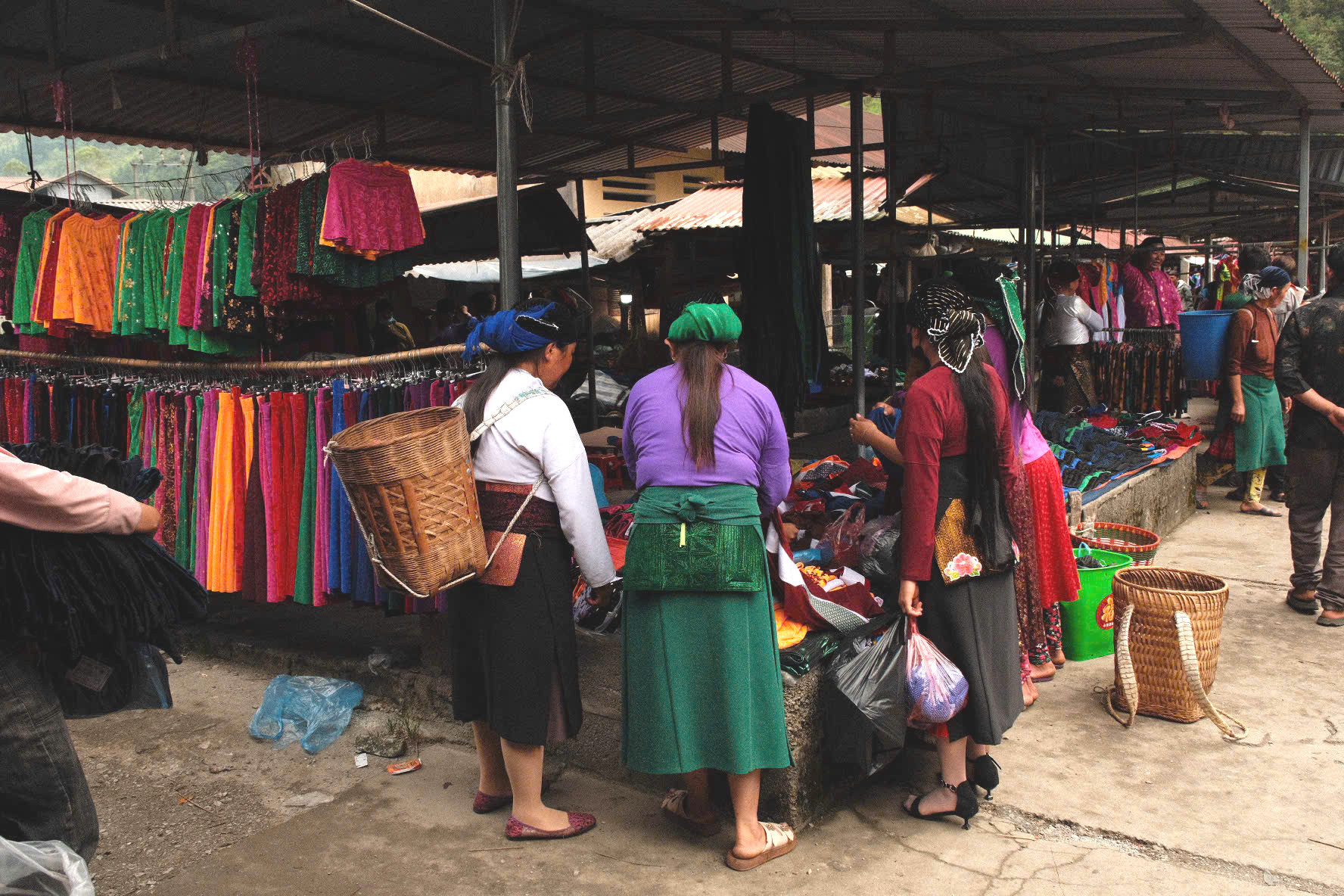
Among the most eye-catching stalls are those selling traditional clothing worn by the ethnic communities living in the area.
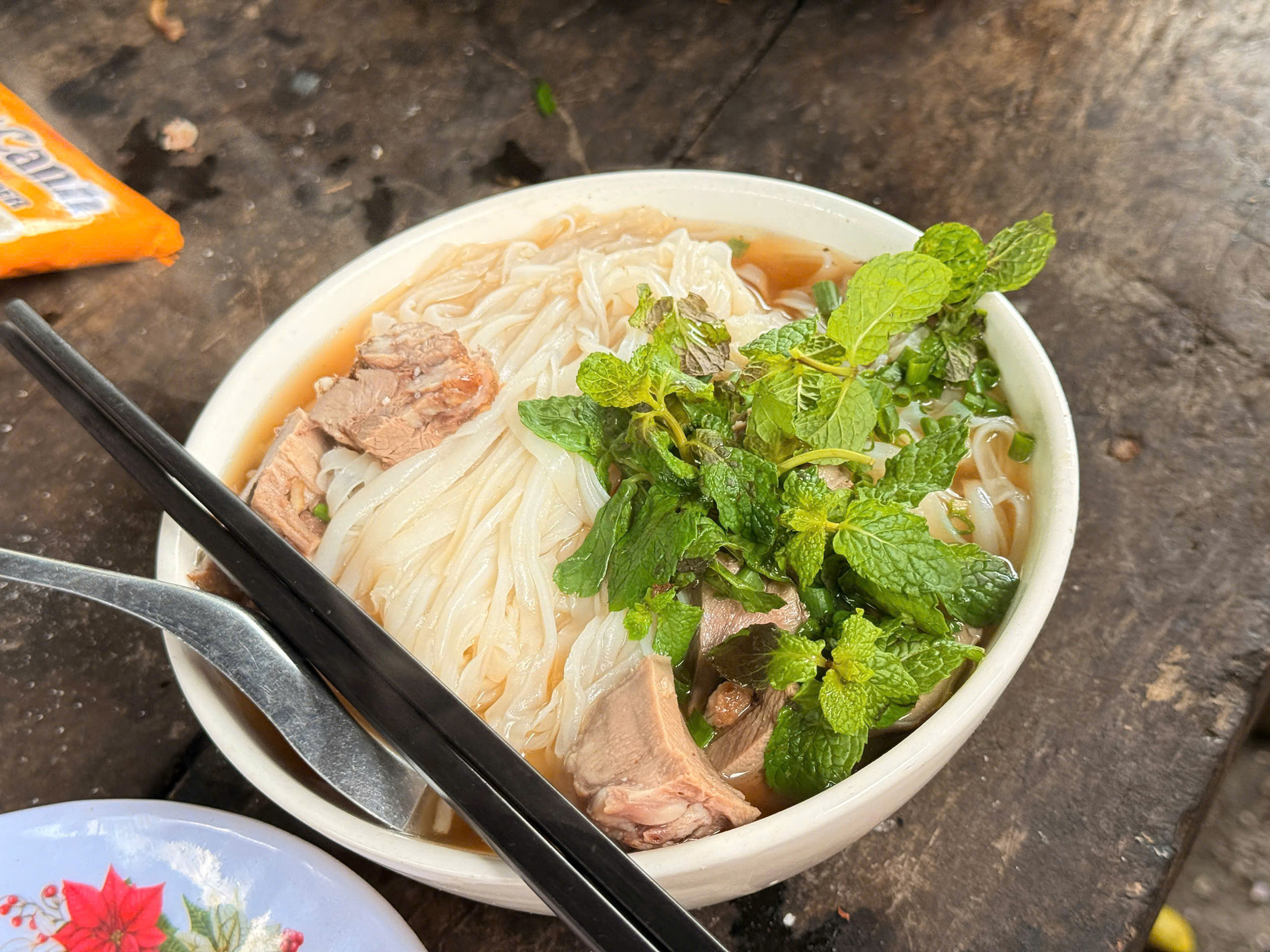
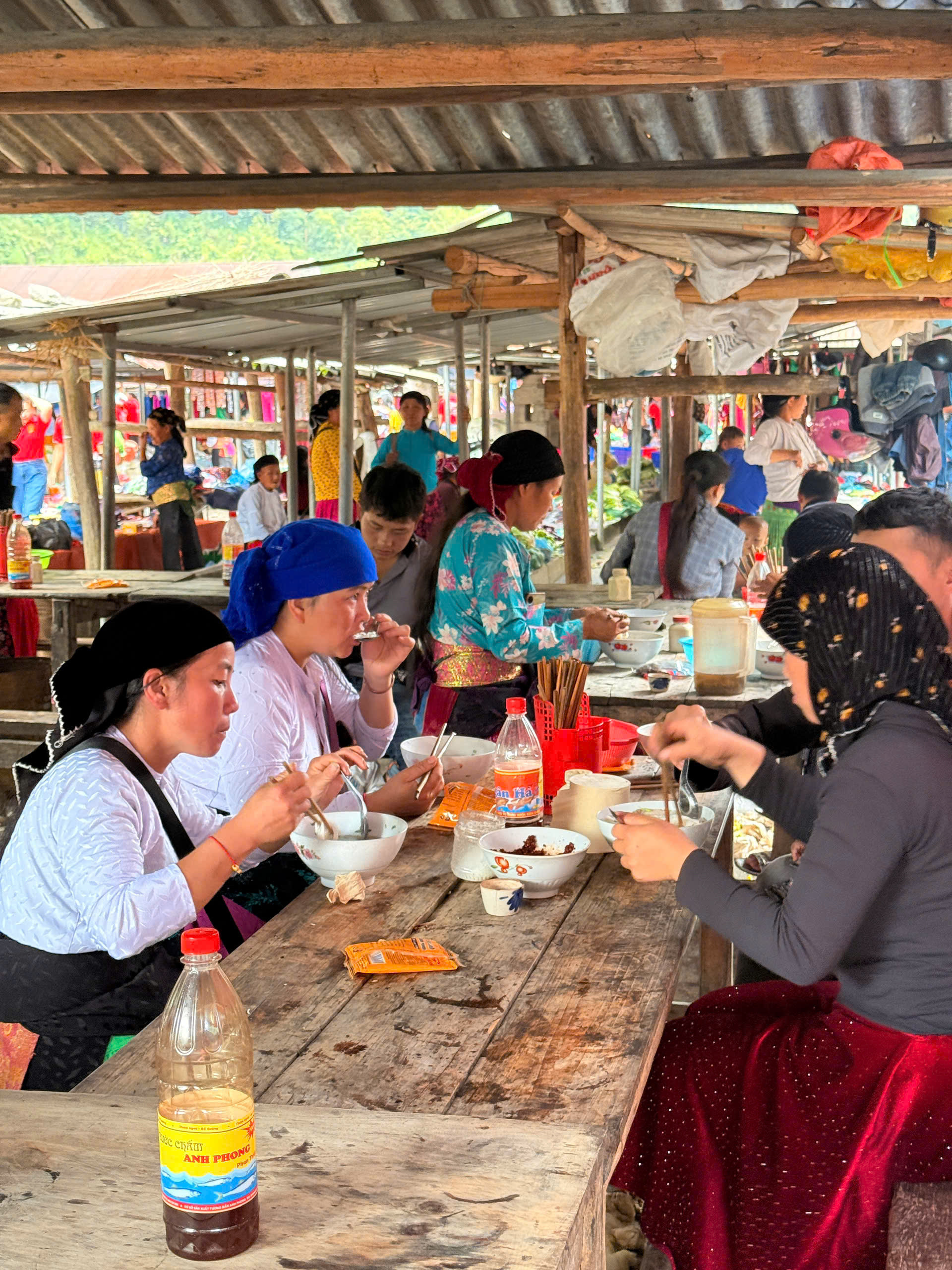
Nearby, food stalls serve an array of rustic local dishes, including pork pho, men men - a traditional steamed cornmeal dish - sticky rice cakes, rice flour cakes, thang co, five-color sticky rice and sour pho.
Visitors can also find traditional services at the market, including repairs to cloth shoes and tarpaulins.
“Pho Cao market sells many products made or raised by local people themselves, including poultry and agricultural produce,” Hiep said. “There are also everyday consumer goods and food stalls offering distinctive highland flavors. The market is always busy and cheerful, creating a lively atmosphere that vividly reflects the local culture.”
Hiep enjoys the bustling trading scene and distinctive highland culture at Pho Cao, one of Tuyen Quang’s most unusual rotating markets.
For Hiep, who comes from southern Vietnam, Pho Cao retains the character of an authentic local market more strongly than many markets that have become heavily oriented toward tourism.
It also has a character of its own. More than simply a place to buy and sell goods, the market serves as a cultural gathering space for highland ethnic communities, particularly the Hmong.
For visitors, much of its appeal lies in ordinary moments: the hum of conversation, brightly colored traditional clothing, the livestock section, steaming food stalls and groups of local people sitting together over bowls of pho or thang co and cups of corn liquor.
The market is also a place to meet and socialize. People come not only to trade, but also to see acquaintances, talk and exchange news about their families and villages.
“That is why visitors who want a close-up experience of life on the karst plateau should not miss Pho Cao market,” Hiep said. “It is more than a tourist stop; it is like a colorful and distinctive portrait of local culture. Another memorable feature is the market’s setting amid beautiful natural scenery, with jagged limestone mountains, valleys and traditional earthen-walled houses. On misty mornings, the entire market takes on a scene that feels quintessentially highland.”
From early morning, residents of surrounding villages travel to the market on foot or by motorbike, many wearing traditional clothing. Some bring vegetables, corn, honey and other farm produce, while others sell livestock, poultry, farming tools and everyday necessities.
Hiep recommends that visitors check the market schedule carefully before making the trip because its trading day changes each week.
Those who do visit should arrive early to experience the market at its liveliest, when ethnic minority residents from villages across the surrounding area converge with farm produce, goods and livestock.
Visitors should also respect local culture. Anyone wishing to take close-up photographs of residents, particularly children or elderly people, should ask permission first. Tourists should not rearrange scenes, ask people to pose unnecessarily or turn their everyday activities into photo props.
The market has numerous food stalls serving affordable local specialties.
Visitors are advised to carry small-denomination cash, as goods at the market are generally inexpensive and many traditional vendors do not yet offer electronic payment.
“At Pho Cao market, you can try thang co, pho, local cakes and corn liquor, but it is a good idea to ask the price first and limit your alcohol intake if you still have more traveling to do that day,” Hiep said. “Visitors should also keep the market clean, avoid littering and be considerate so they do not disrupt local people’s trading and daily activities. The most interesting thing about this market is not simply shopping, but watching a communal gathering space for highland ethnic communities come to life.”
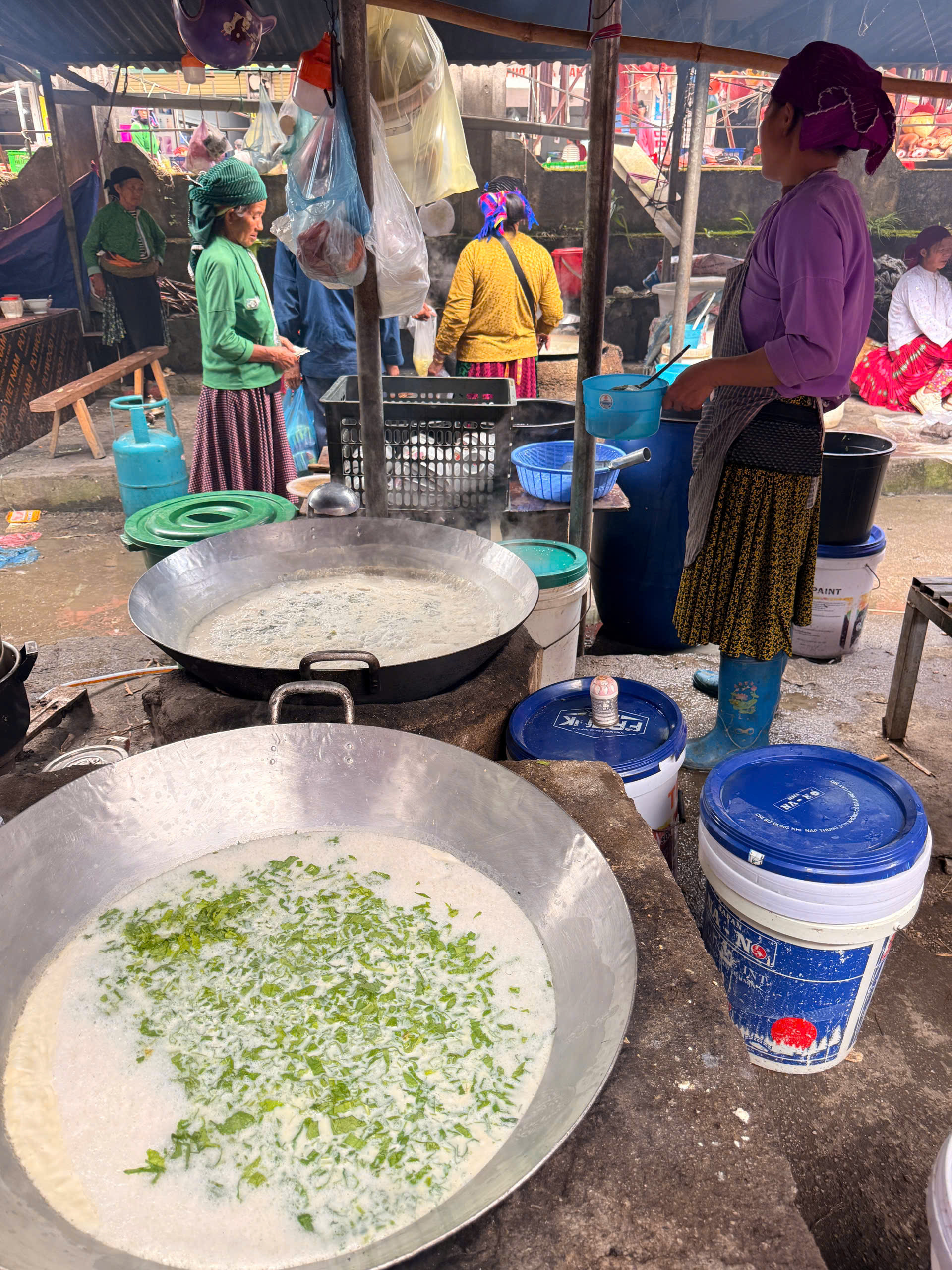
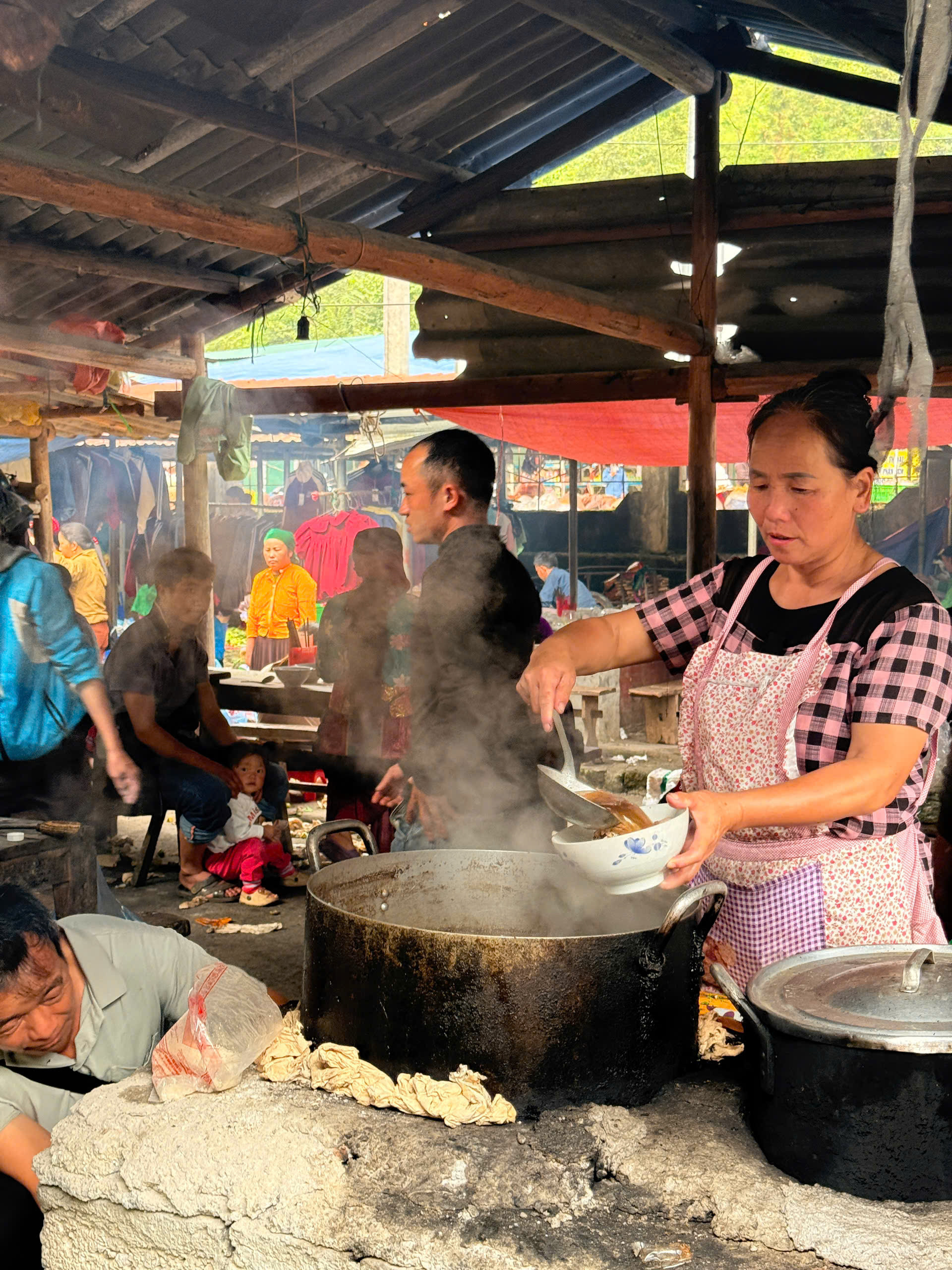
Photos: Hoang Hiep Chu Du
Thao Trinh
.svg)
