 Vietnamnet.vn

 Podcast



Remote, untouched and carrying an almost mystical atmosphere, this secluded village continues to draw adventurous travelers seeking the haunting beauty, stillness and tranquility of the mountains of Tuyen Quang.
Hidden within around 500 hectares of old-growth forest, Sao Ha village in Kho Cho hamlet, Yen Minh commune, Tuyen Quang province - formerly part of Van Chai commune, Dong Van district, Ha Giang province - has emerged as a tourist attraction in recent years, particularly among nature lovers and travelers drawn to exploration and off-the-beaten-path experiences.
The village served as a filming location for the 2023 series “Tet o Lang Dia Nguc” (Tet in Hell Village) and quickly became a popular check-in spot thanks to its pristine scenery and slightly mysterious atmosphere.
In the Mong language, Sao Ha means “valley in the highlands,” a fitting name for a village perched around 1,500 meters above sea level.
With few residents and surrounded by a forest considered sacred by the local community, Sao Ha has retained its secluded and peaceful character.
Vuong Pham Quang Huy, born in 2002 and living in Hanoi, visited Sao Ha in March 2026 and found the destination unlike anywhere else.
“A village completely cut off from the outside world,” he said of his first impression.
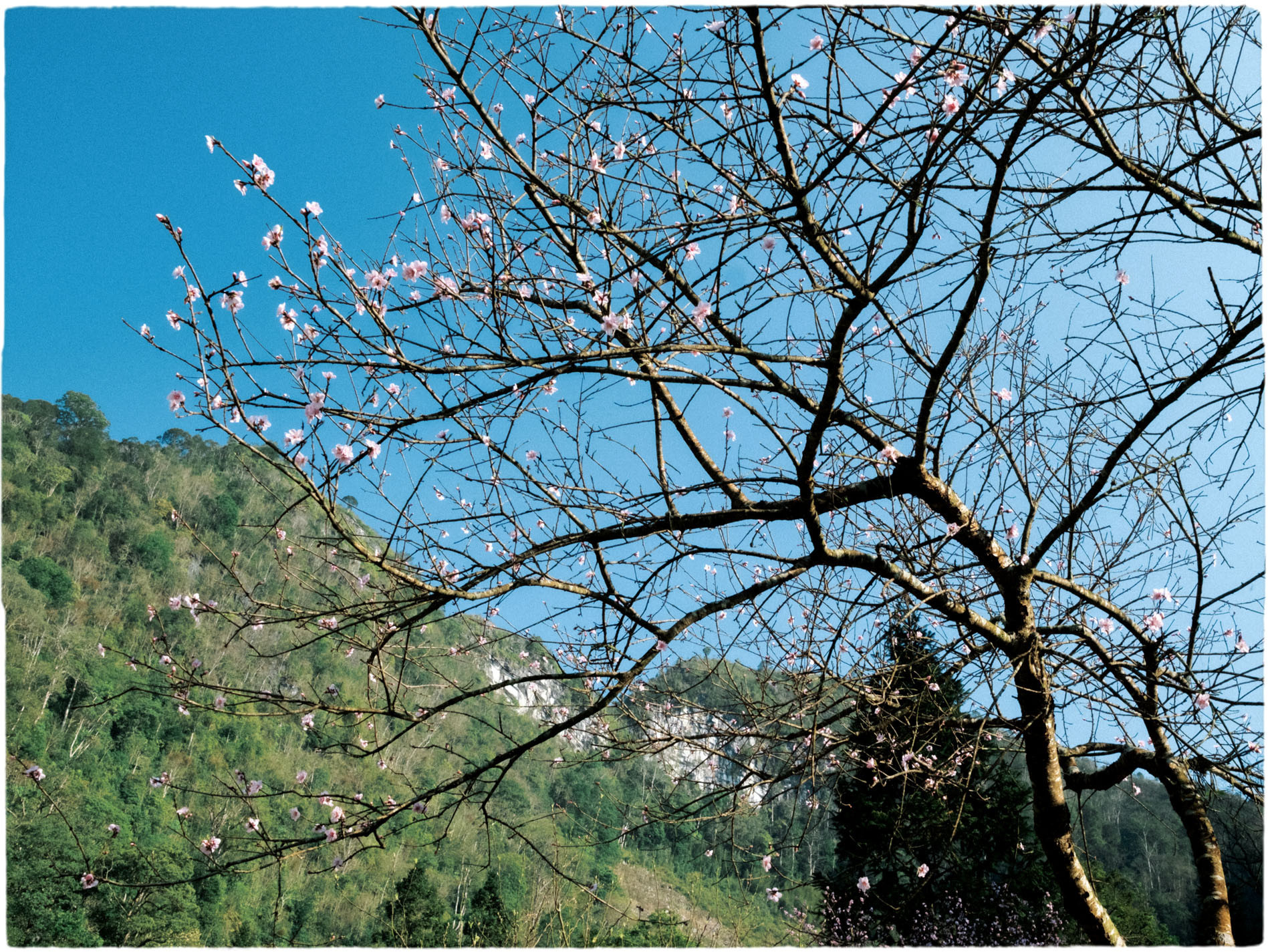
From Huy’s observations and experience, the village’s high-altitude setting gives it fresh air and a sense of openness. Even when the sun is shining, temperatures remain cool and pleasant, markedly different from the lowlands.
For visitors, the setting offers a chance to slow down, unwind and immerse themselves in the surrounding greenery.
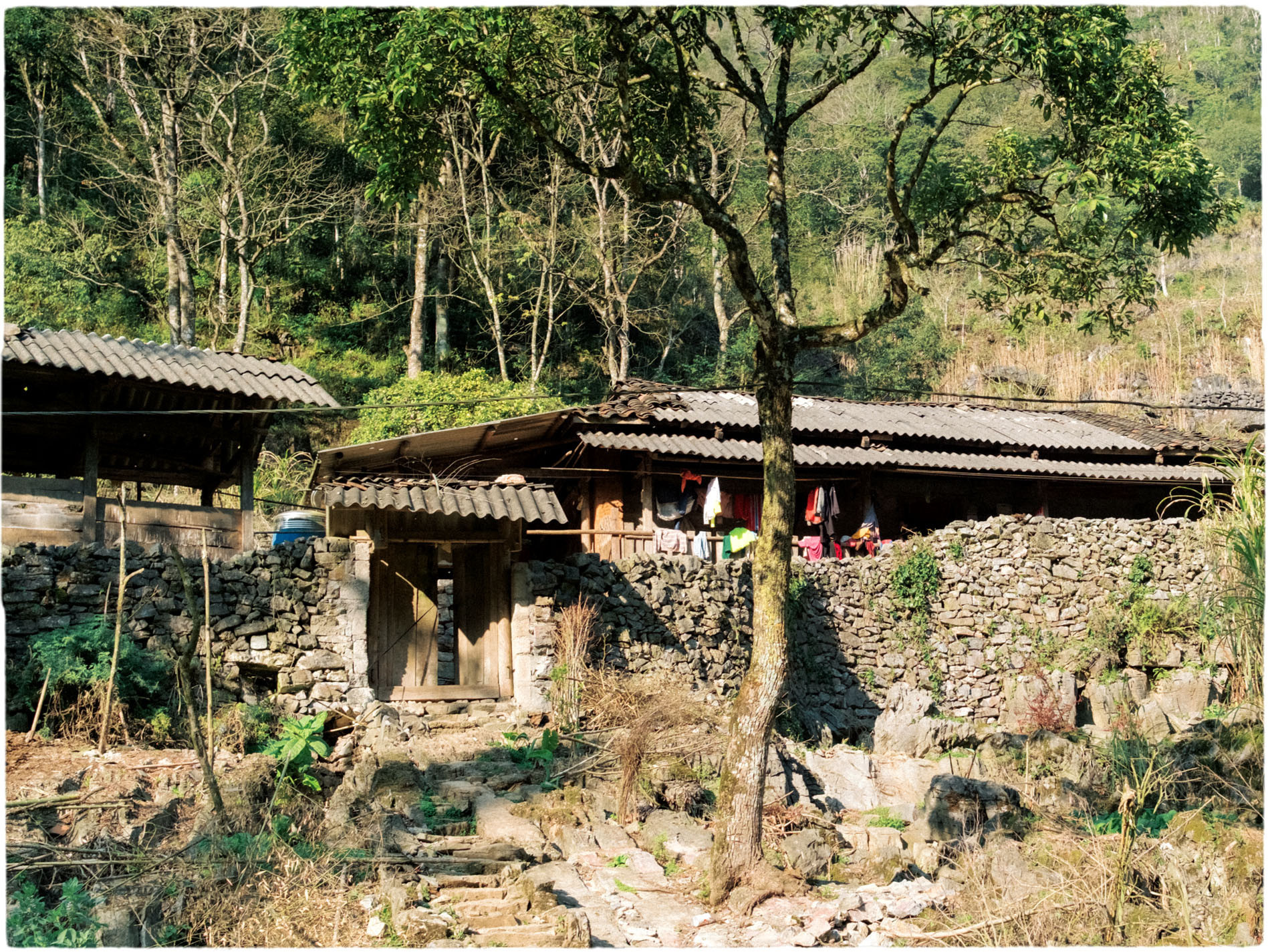
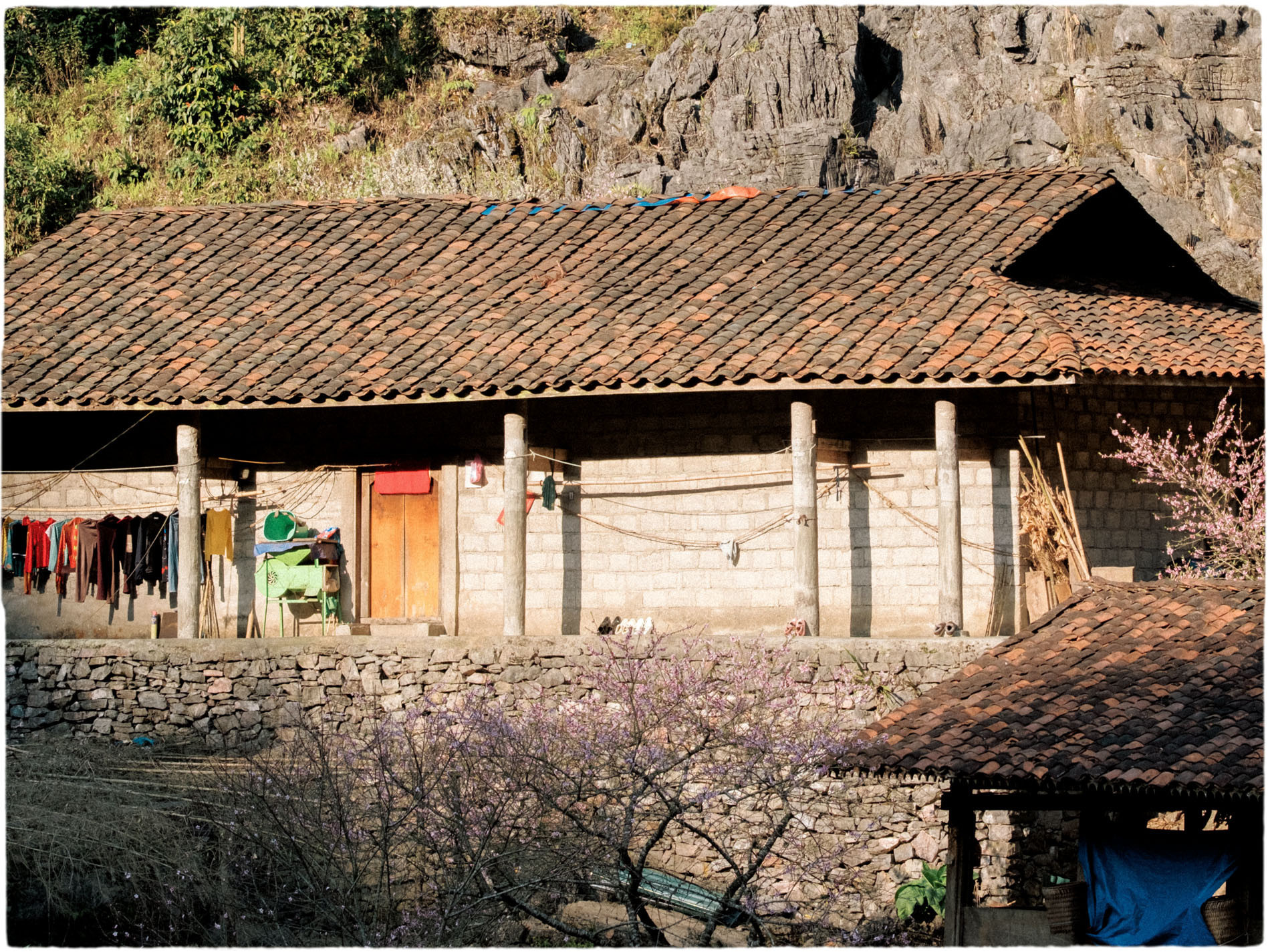
The homes in the village are built in the traditional rammed-earth architectural style of the Mong people.
For Huy, one of Sao Ha’s most striking features is the way its houses cluster together, enclosed by ancient forest.
All of the homes follow the traditional rammed-earth architecture of the local Mong community.
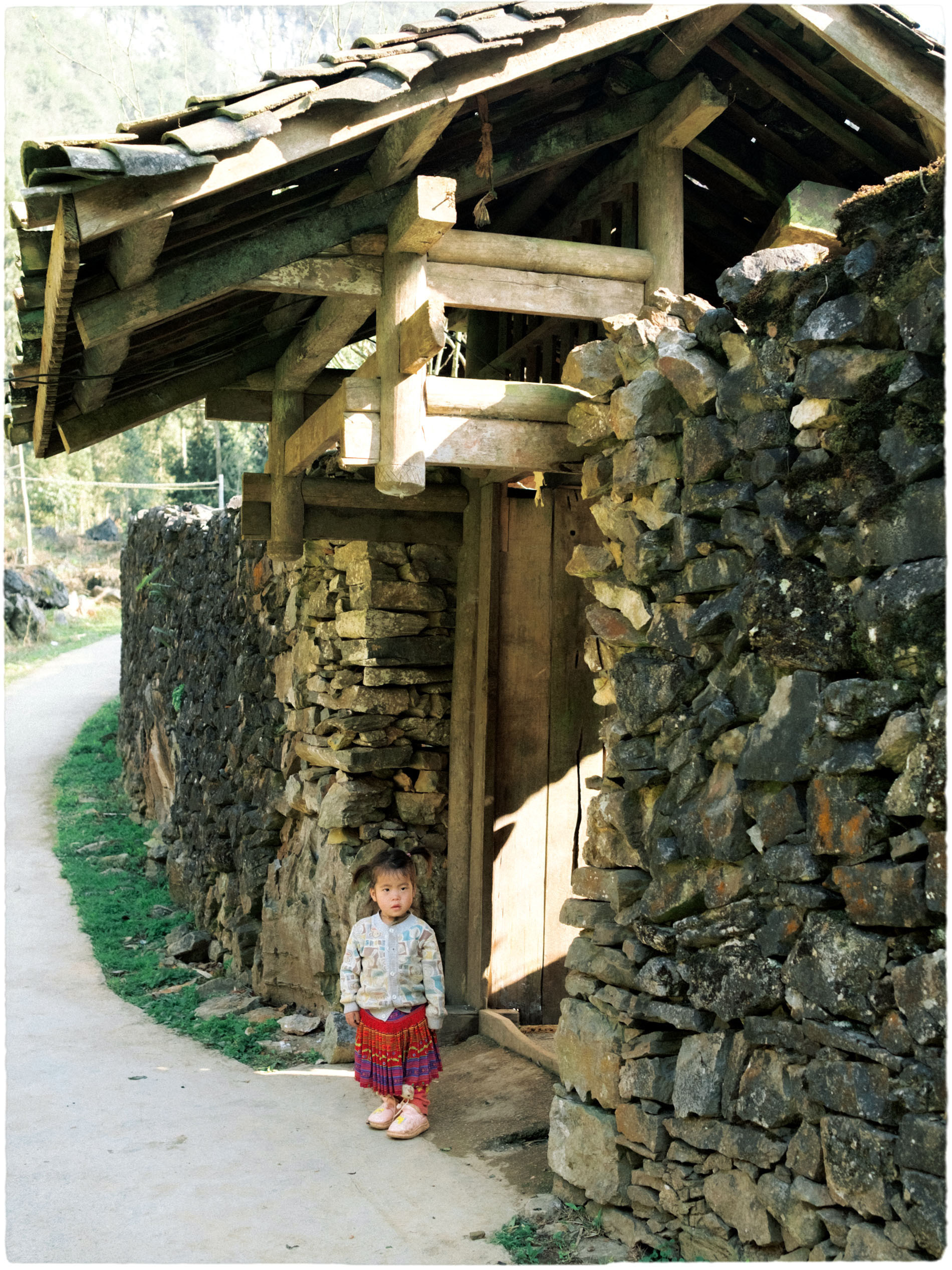
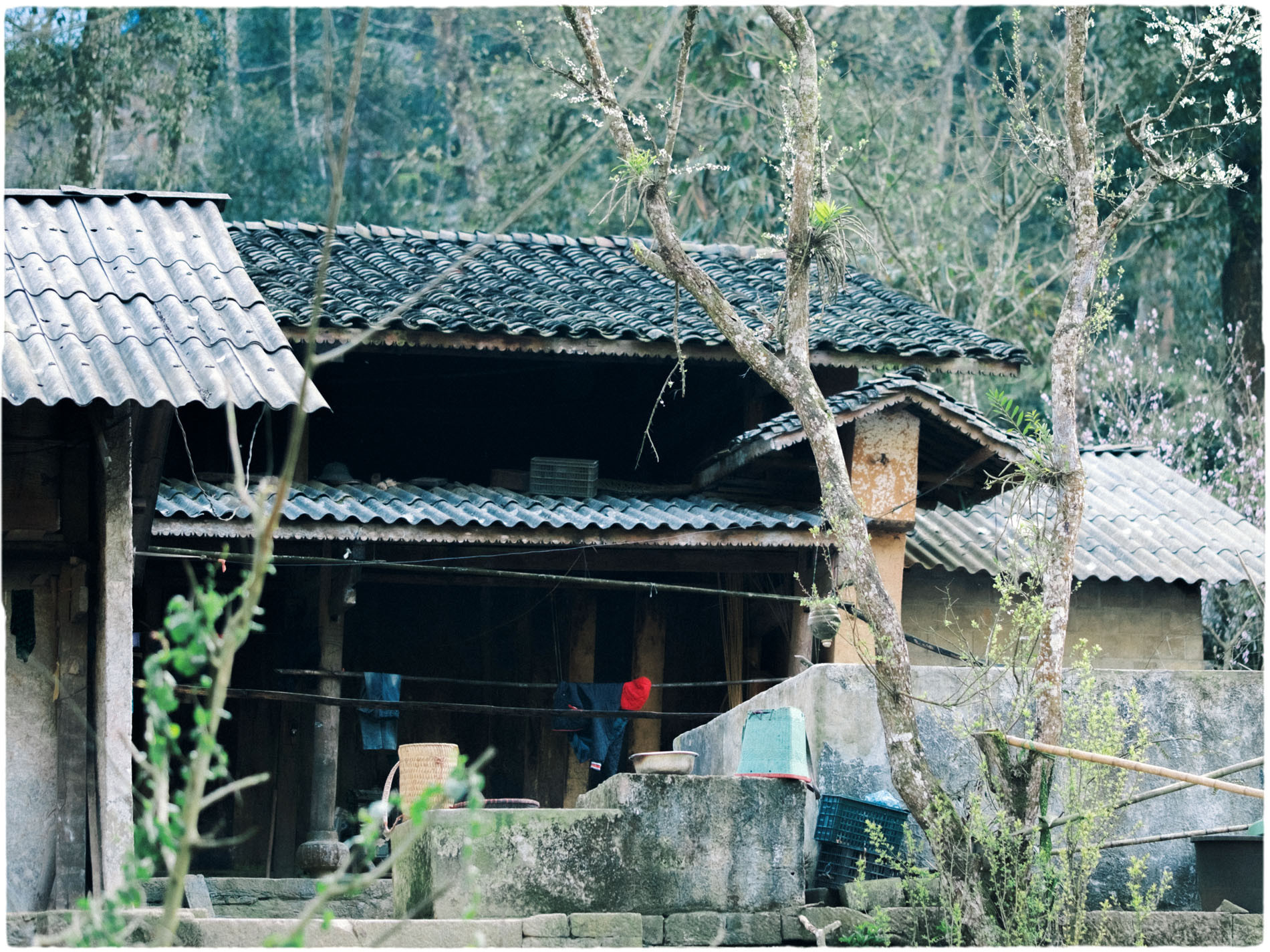
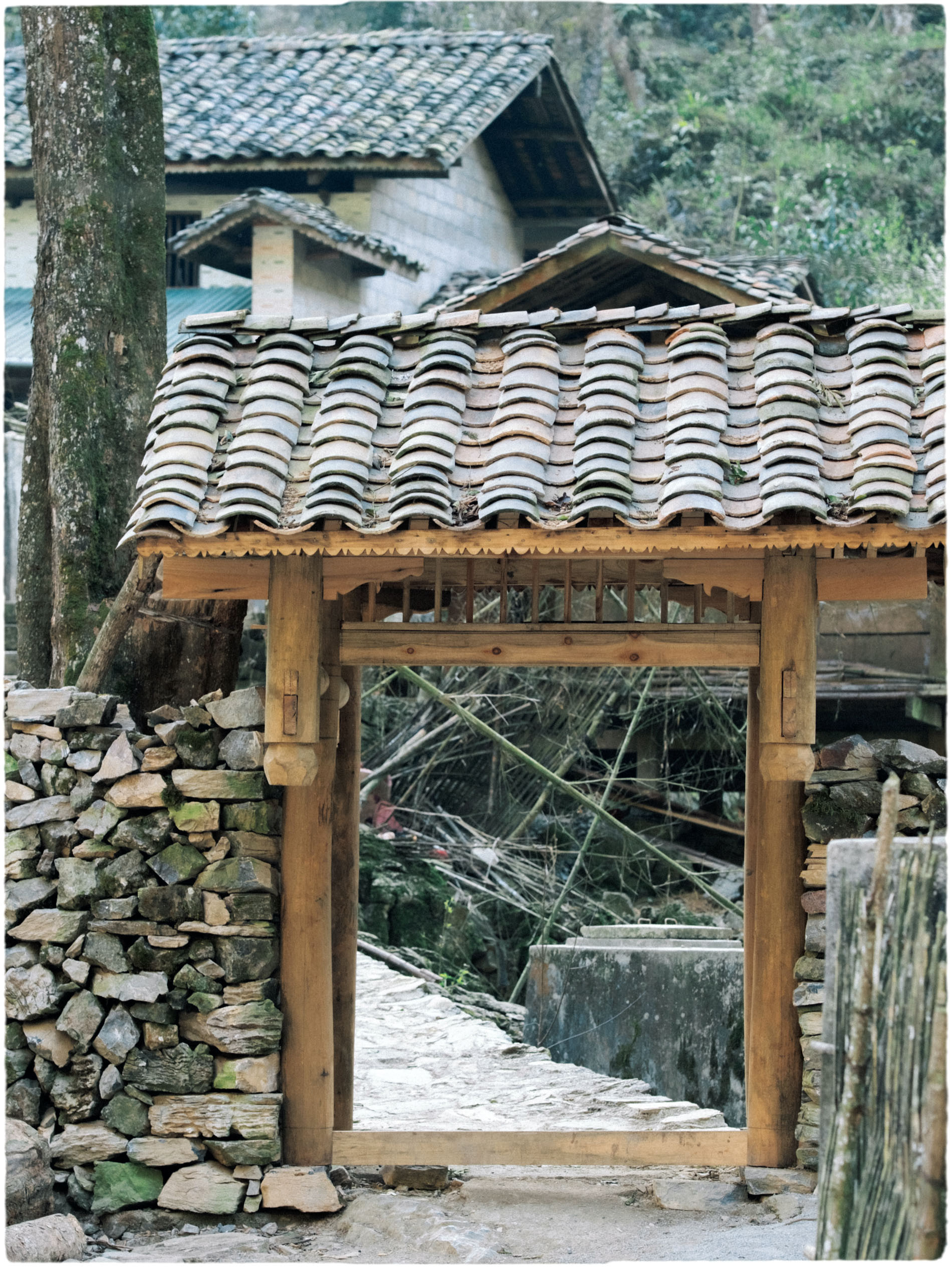
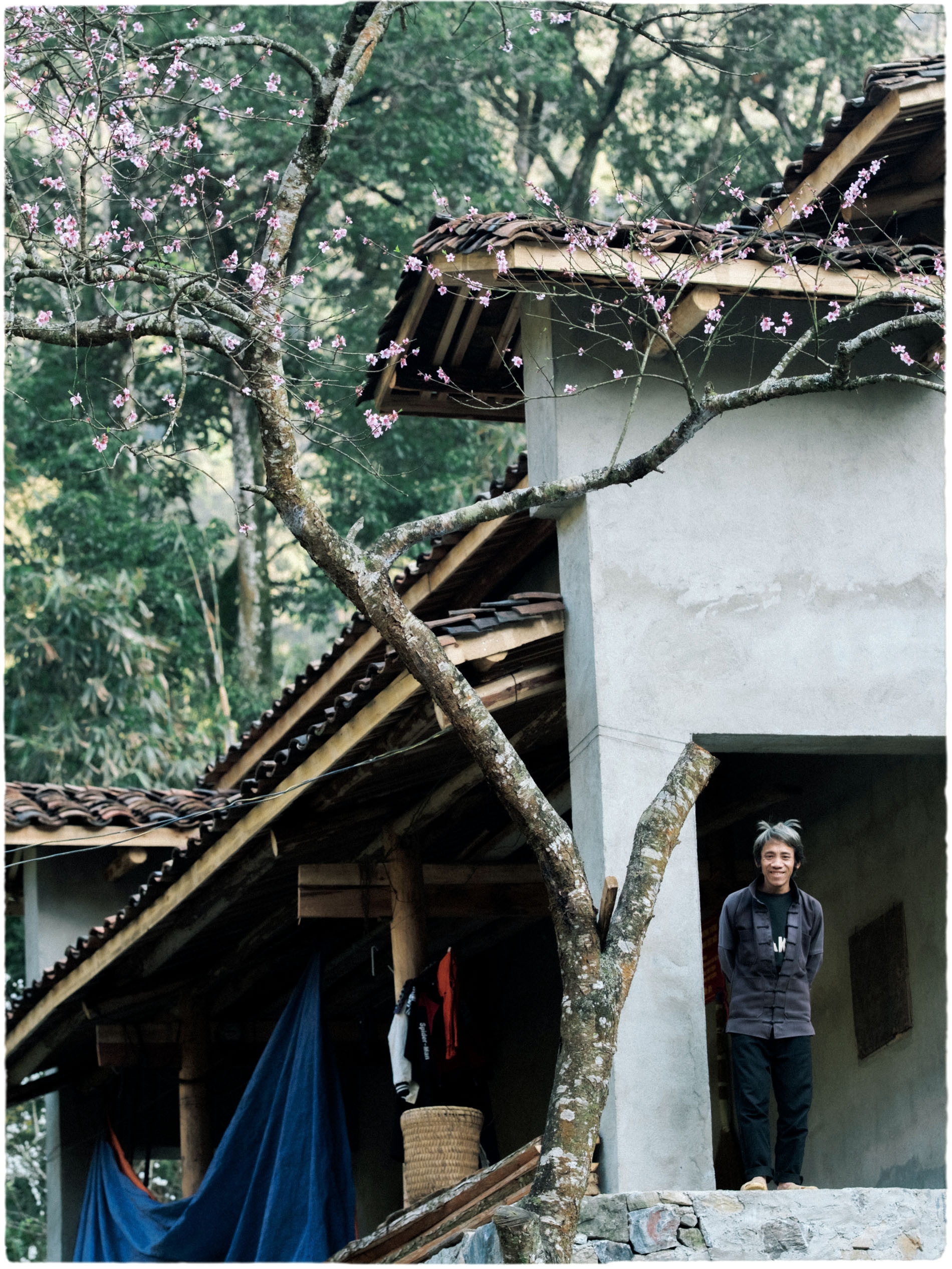
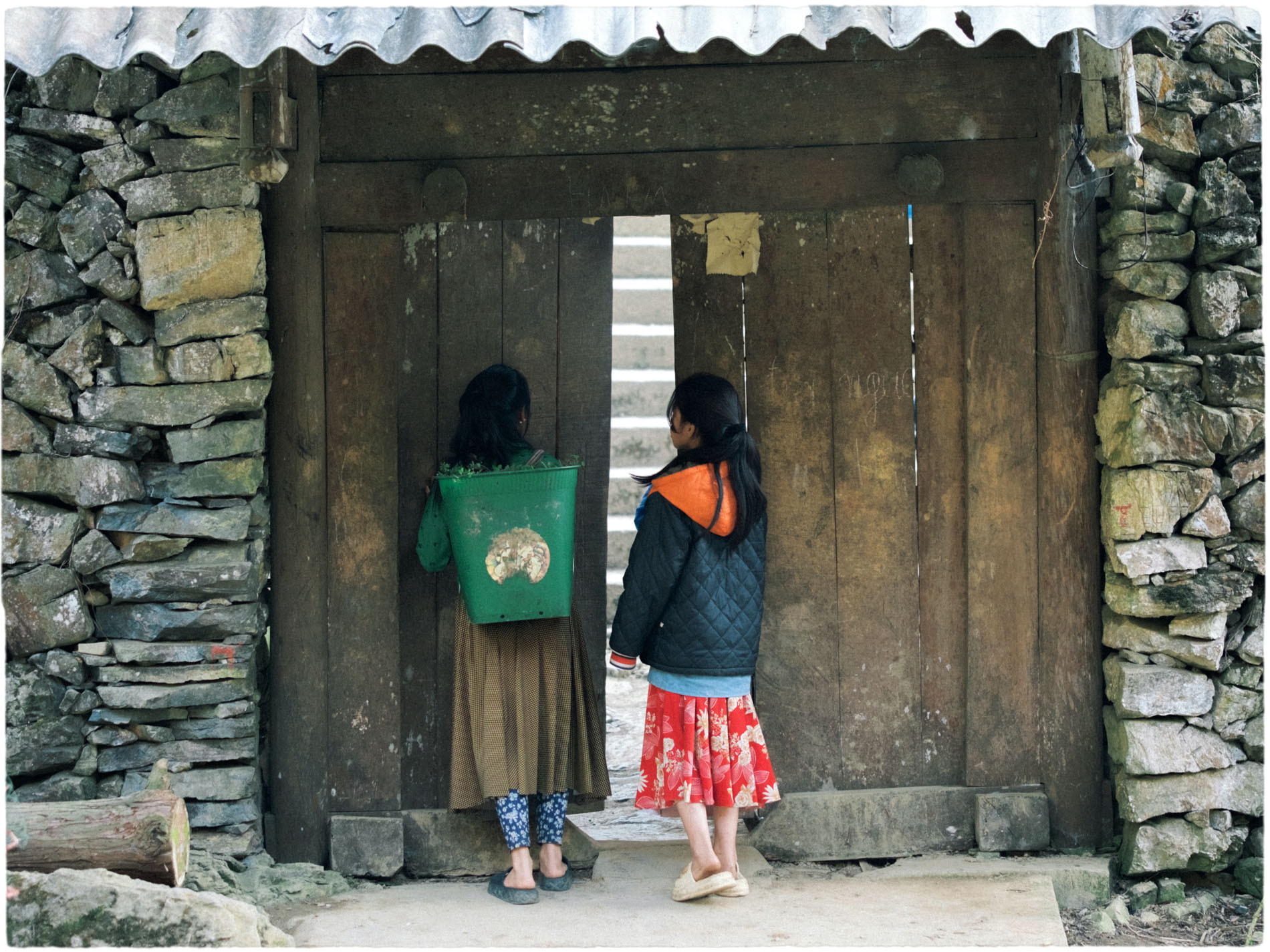
The walls are made from compacted earth, a building technique developed to withstand the harsh weather of the rocky highlands. The houses are also distinguished by sturdy stone fences and traditional yin-yang tiled roofs.
Local residents build the stone fences to around 1.5 meters high. The stones are stacked entirely without mortar or other binding materials, yet the structures can remain solid for decades.
“The architecture of Sao Ha has a remarkable sense of consistency. Every home features rammed-earth walls, yin-yang roof tiles and rows of stone fences, preserving a deeply authentic and untouched character.
“The architecture is quite different from that of Lao Xa village in Thong Nguyen commune, Tuyen Quang province, where houses have dark yellow earthen walls combined with yin-yang tiled roofs, creating a quiet, timeworn beauty.
“Sao Ha, meanwhile, sits deep within a high mountain valley, giving it a secluded, almost otherworldly atmosphere. Lao Xa lies in a basin-shaped valley surrounded by farmland, so its beauty feels softer and more poetic,” Huy described.
Local residents largely lead a self-sufficient way of life.
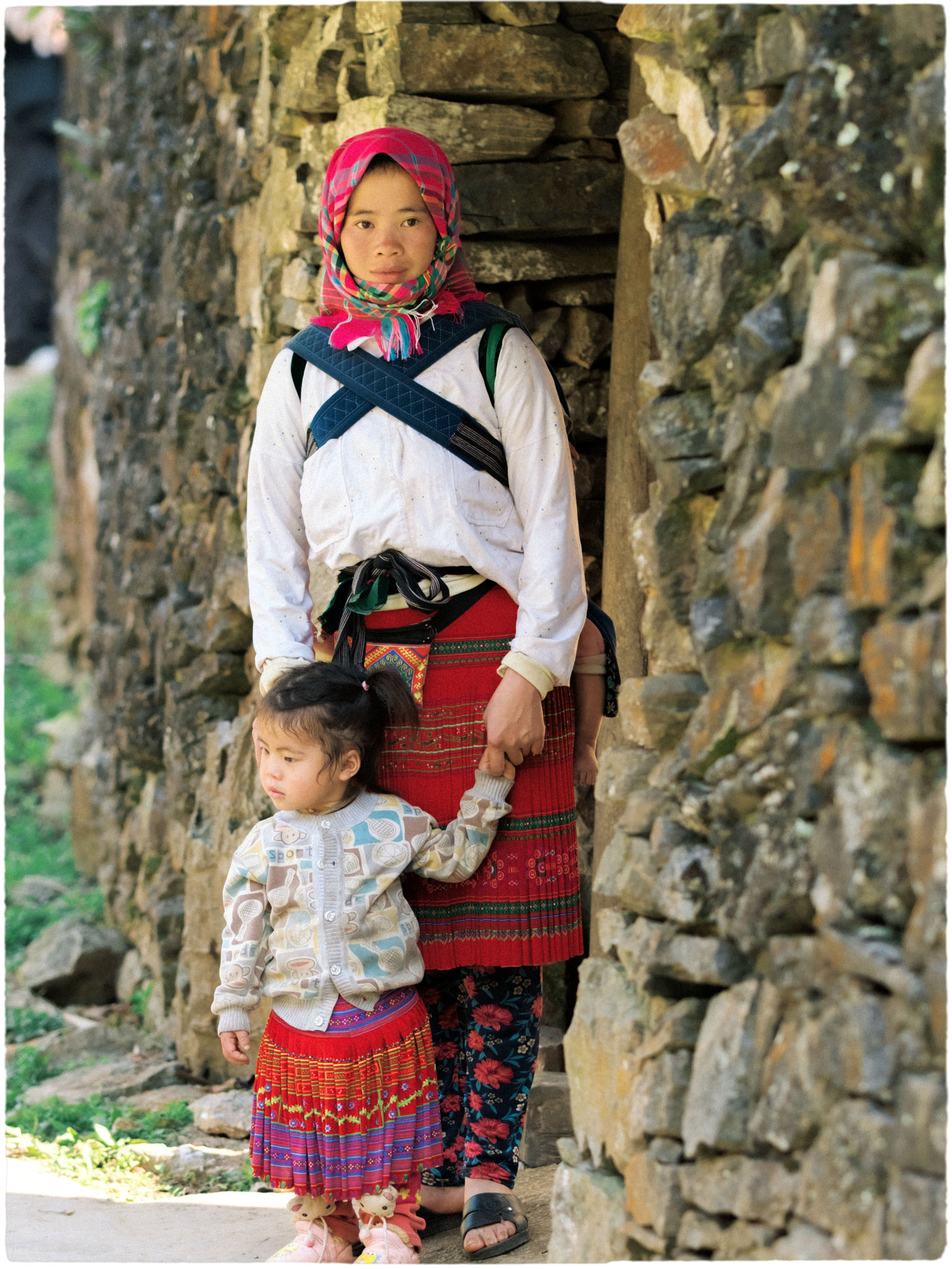
Beyond its scenery and architecture, the young Hanoi traveler was also drawn to the remote village by the warmth and simplicity of its residents.
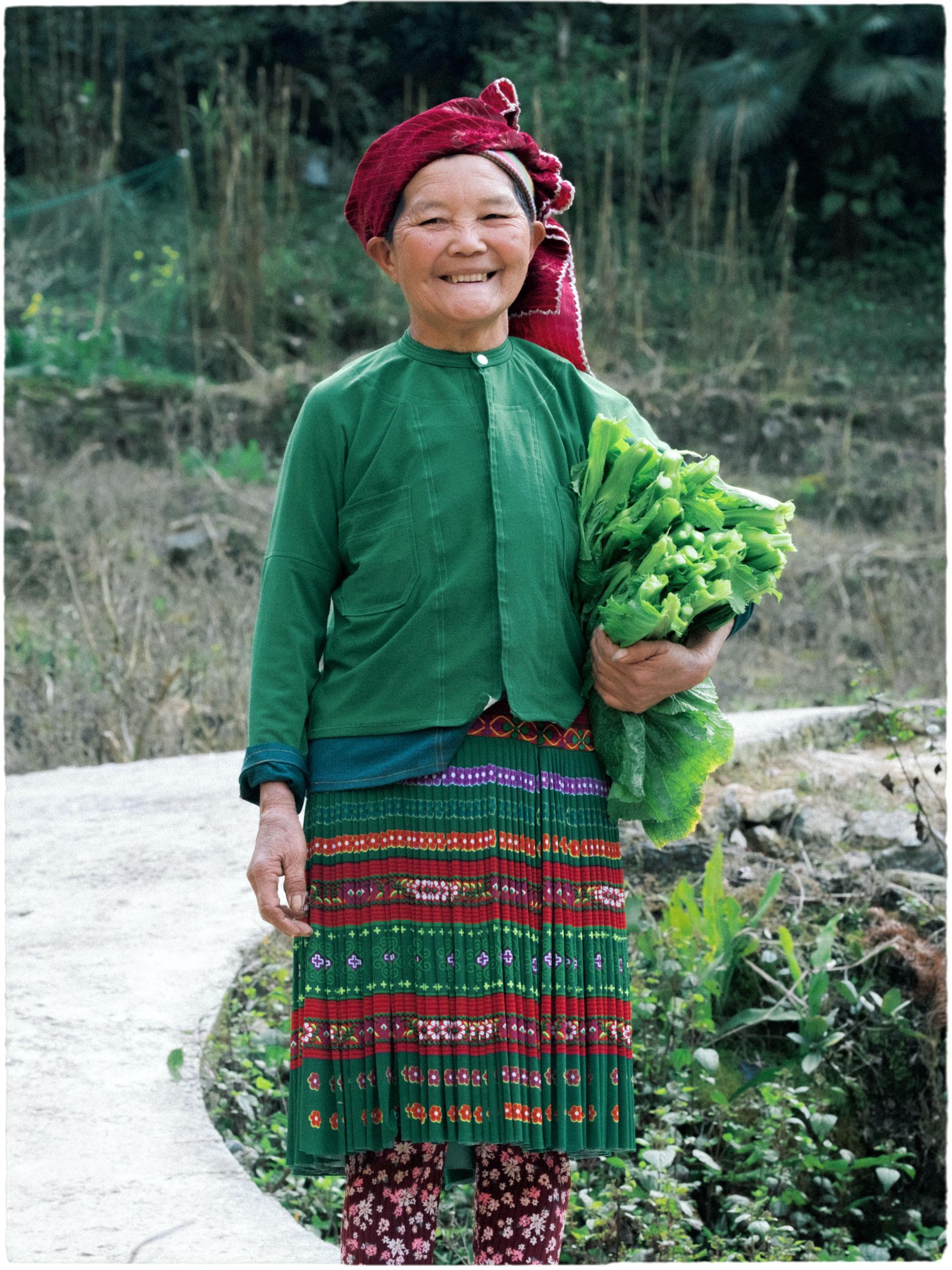
Whenever he wanted to take photographs, Huy first asked for permission and found villagers happy to help. They greeted him with warm, friendly smiles and willingly posed until he captured the images he wanted.
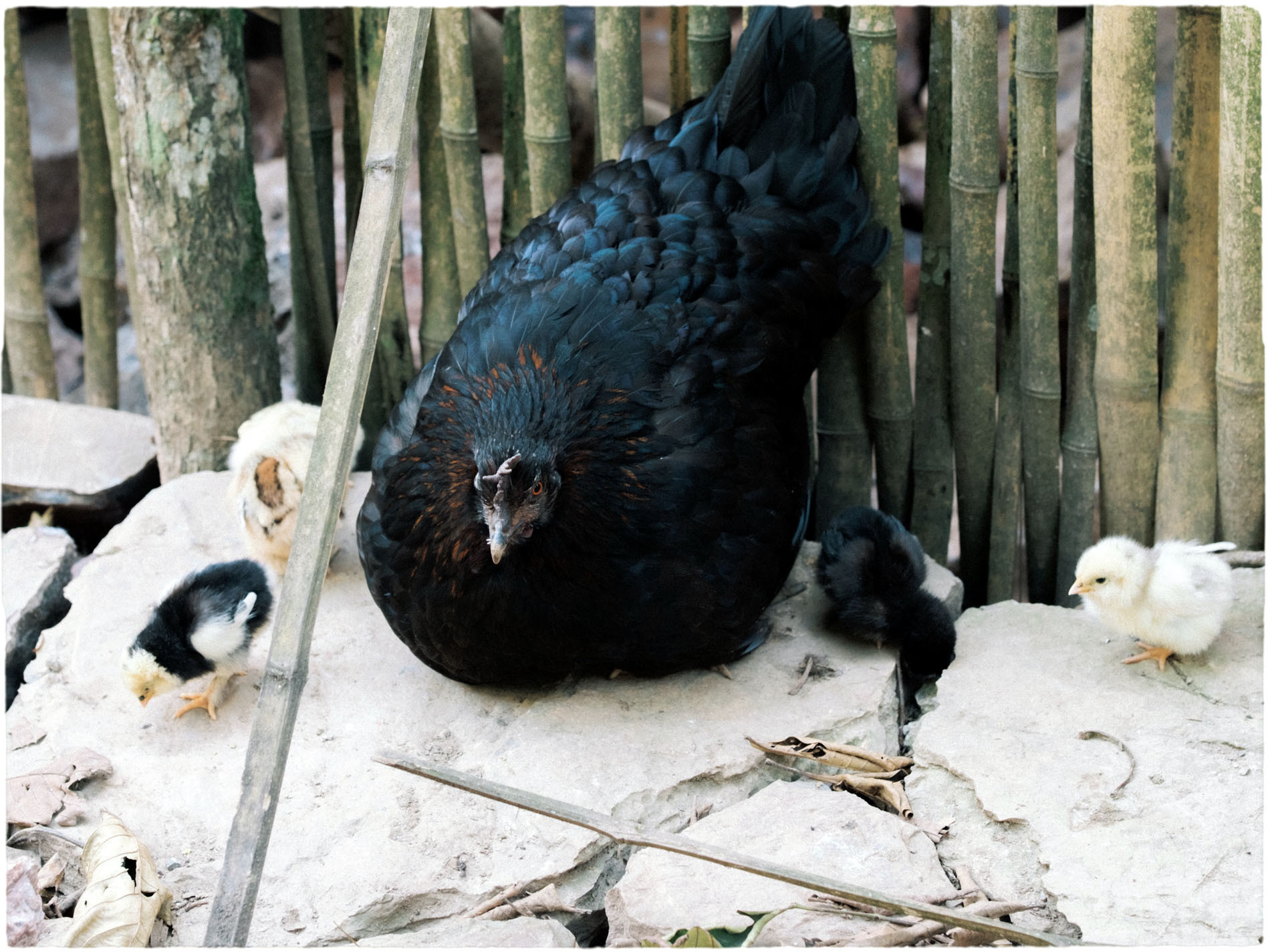
Huy said the difficult terrain means life in the village remains relatively simple and largely self-sufficient. Residents typically grow flax, corn and local mustard greens, raise goats and weave fabric by hand.
A visit therefore also gives travelers an opportunity to observe everyday life in the community and learn about its traditional crafts.
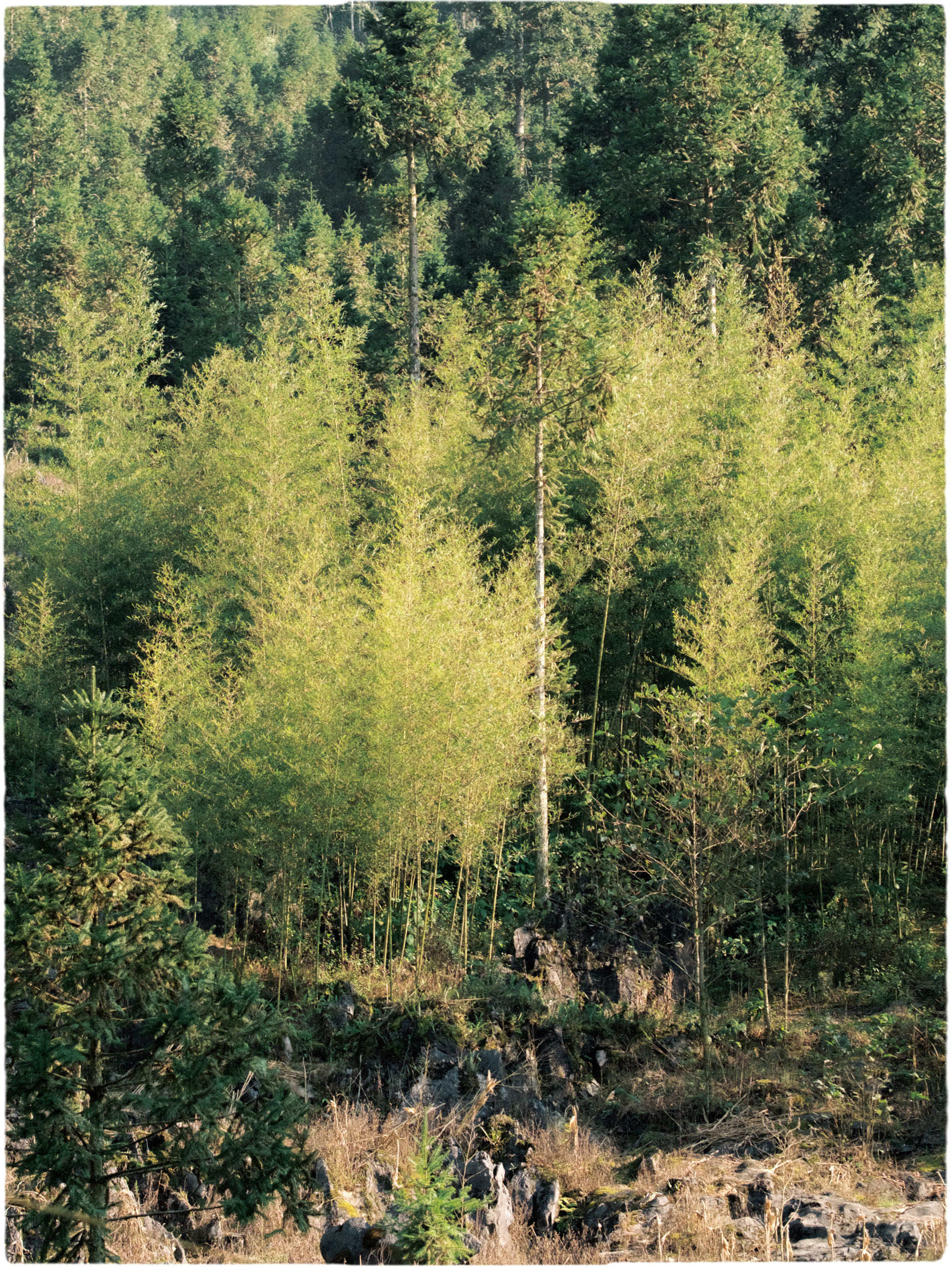
In Sao Ha, visitors can explore old-growth forest, discover the daily life of the Mong community, or combine their trip with visits to the bamboo forest, old houses and Sao Ha shrine.
To reach Sao Ha from the center of the former Ha Giang city, visitors follow National Highway 4C toward Tham Ma slope before turning into the former Van Chai commune. From there, they continue to the Kho Cho area and ask locals for directions to the village.
Those traveling from the former Yen Minh district must cross a mountain pass stretching around 17 kilometers, with hairpin bends and long, steep sections. From the foot of Tham Ma slope, they travel another four kilometers to reach the former Van Chai commune.
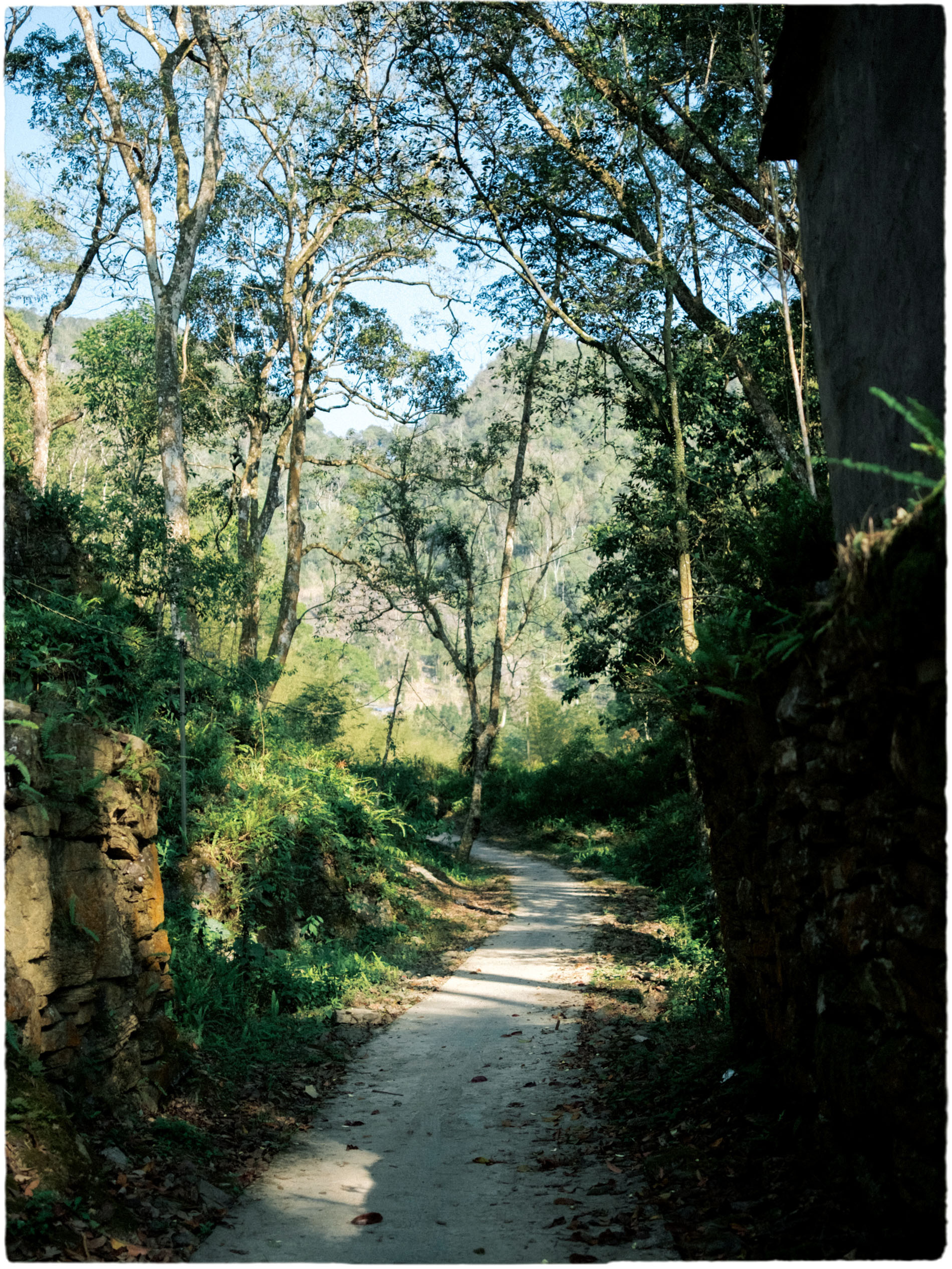
According to Huy, although the road leading toward the village is paved with concrete, it is extremely narrow, with steep gradients and difficult bends that require confident riding skills.
The village also lies deep in the forest, meaning the final stretch can only be covered on foot or by motorbike along a trail of around two kilometers.
Sao Ha currently has no tourism services. With the village tucked into a vast mountainous landscape and lacking reliable electricity, running water and mobile phone coverage, it is best suited to a day trip.
Although Sao Ha may not offer as many activities as other villages, it remains a favorite among adventurous travelers. For many, simply taking in the scenery and resting amid the quiet surroundings is enough to feel restored and mentally refreshed.
“Visitors should prepare their transportation carefully. Choose a manual or clutch motorcycle, and make sure the brakes and tires have been thoroughly checked before setting out. You absolutely should not use a scooter or car because the roads are extremely steep and narrow. Before traveling, you should also check the weather forecast and bring essential personal supplies, including food, drinking water and basic medicines," Huy said.
“Mobile coverage and electricity in the village are unreliable, so make sure all your devices are fully charged. Most importantly, visitors need to respect local people and their culture. Always ask residents for permission before taking their photographs. The village is very quiet, so keep your voice down. Do not bring speakers or play music, and never leave litter behind,” Huy emphasized.

Photos: Huy Quang/@huythichdichiu
Thao Trinh
.svg)
