 Vietnamnet.vn

 Podcast



Thao Trinh
Small in size, about half the length of a little finger’s tip, they have thin shells and an appearance resembling crickets. Yet when cooked, they take on the color and flavor of shrimp.
Nguyen Thu, a resident of Phu Quoc, explained that the creature’s unusual name comes from its distinctive movement - it never moves forward, only backward.
To catch them, locals often use tools with small holes such as nets, baskets, or sieves to rake through the sand, letting the sand wash away while keeping the bo lui inside.
“At first, many people think bo lui is a dish made from beef because of its name. In reality, it is a unique local specialty found only in Phu Quoc, harvested in areas such as Bai Truong and Bai Dai,” she said.
According to locals, bo lui appears most abundantly during the rainy season, which lasts from around May to October each year.
During this time, rough seas and strong waves carry them along the shoreline before washing them ashore. This is also when bo lui is considered to be at its best - firm, fatty, and naturally sweet.
“When the tide rises, bo lui swim near the surface. But as the water recedes, they quickly burrow into the sand, leaving behind small V-shaped water trails. This is how locals identify where they are hiding,” Thu explained.
Based on local experience, bo lui tastes best when prepared in two popular dishes - deep-fried in batter or sautéed with garlic.
Because they live in clean sandy areas, preparation is relatively simple. After being caught, they are rinsed several times and briefly blanched in boiling water to preserve freshness and their naturally mild sweetness.
Depending on preference, some people even cook them fresh without pre-boiling.
For the battered version, cleaned bo lui are coated in seasoned flour, then fried in hot oil until golden and crispy.
This dish is often served with vermicelli, fresh herbs, and sweet-and-sour fish sauce.
For the garlic version, the bo lui are lightly fried before being stir-fried with fragrant garlic and seasoned with fish sauce or salt, sugar, and chili.
This dish is widely available at local eateries, often served with shrimp crackers and enjoyed as a favorite drinking snack.
Khanh Huyen from Ho Chi Minh City once tried bo lui in Phu Quoc and found the dish both visually intriguing and surprisingly flavorful.
In addition to the battered and garlic versions, she also sampled tamarind stir-fried bo lui.
She noted that while the preparation is similar to other crustaceans she had tried, such as cum num or chu u, the flavor of bo lui remains distinct.
“From the outside, bo lui looks like a sea insect but much smaller. After cooking, the shell turns golden-orange.
There isn’t much meat, but the shell is thin, so when fried, you can eat everything - shell, legs, and all.
People usually scoop up several at once to fully enjoy the crunchiness, richness, and subtle sweetness,” she described.

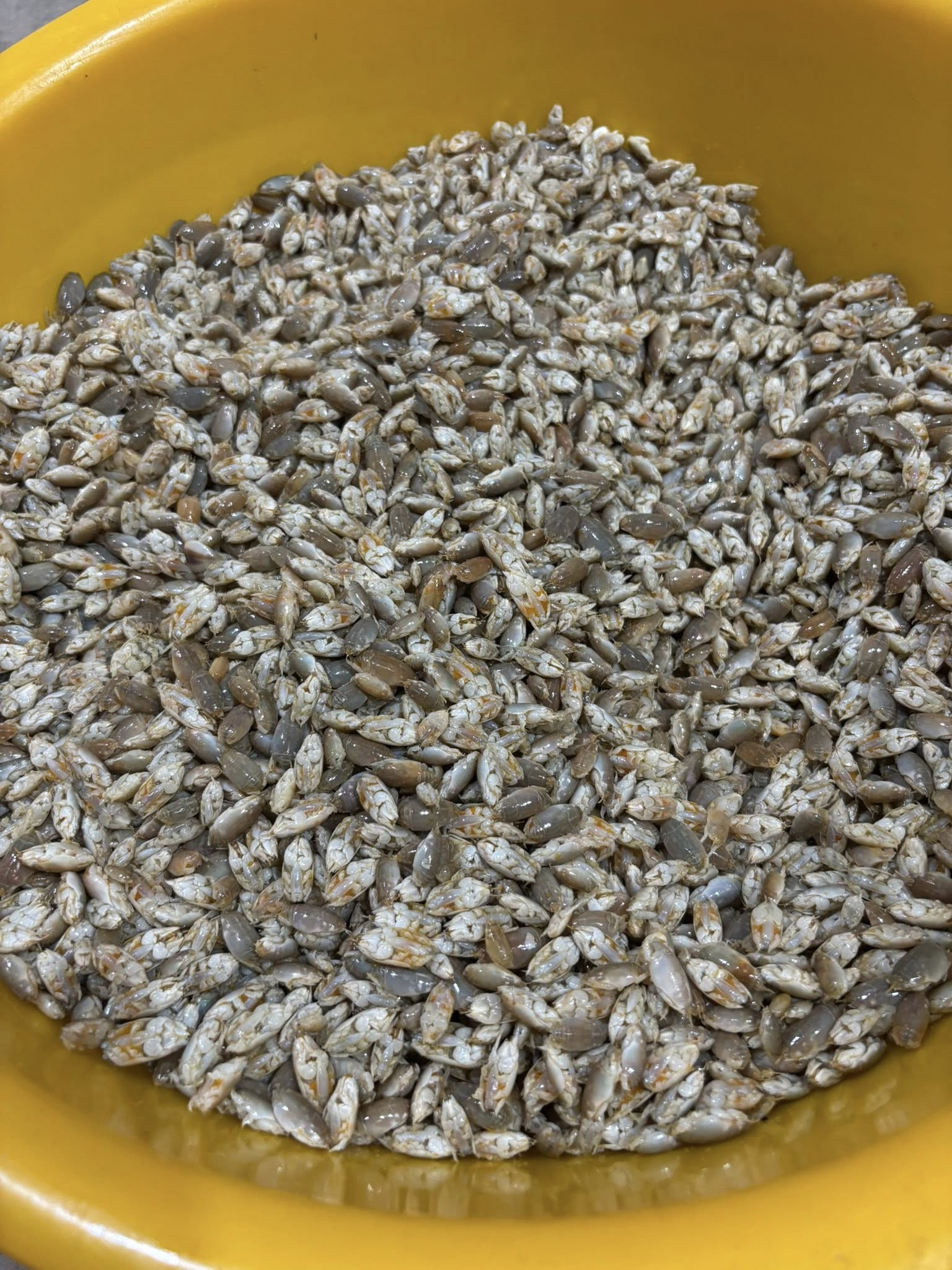
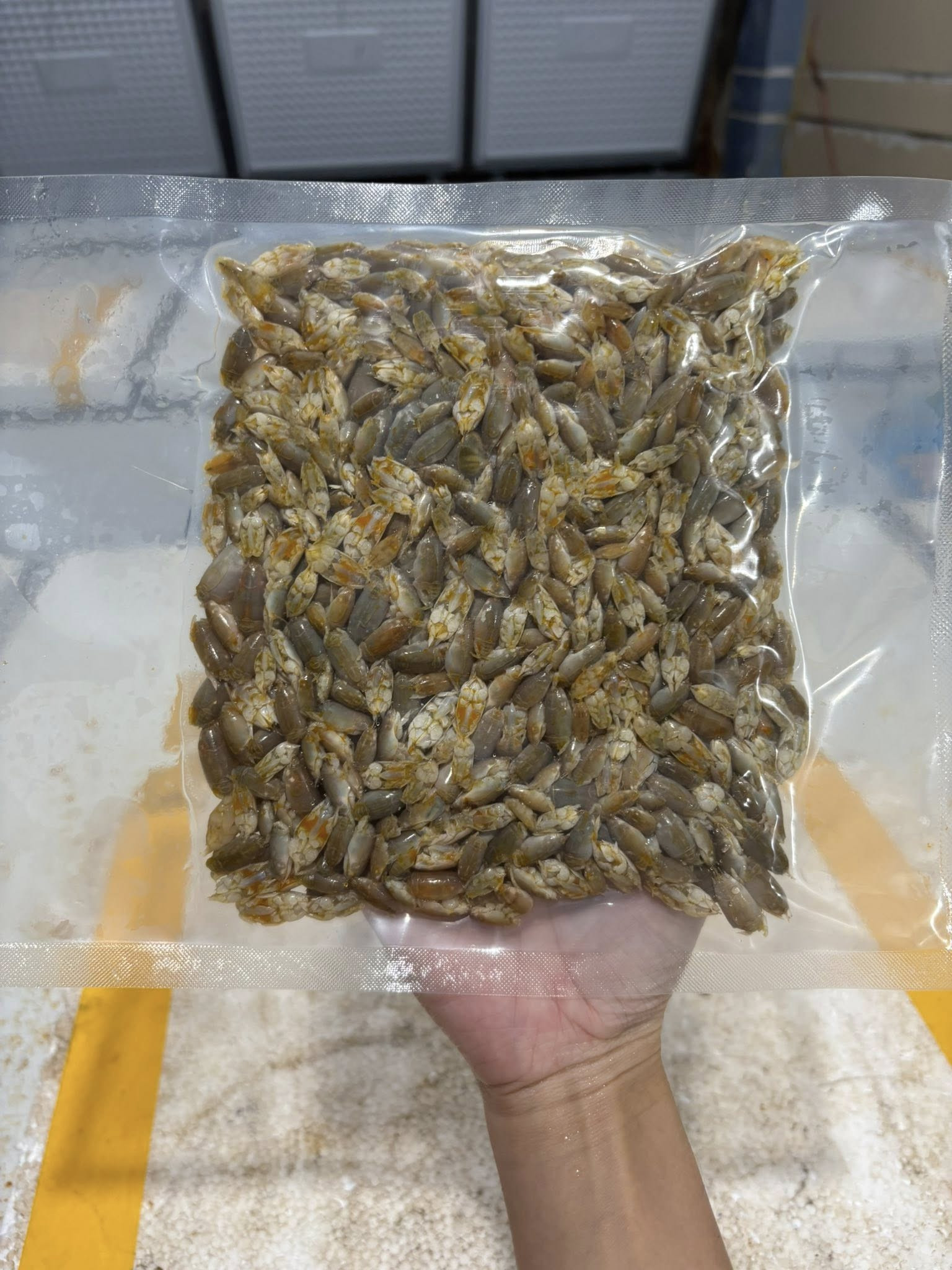
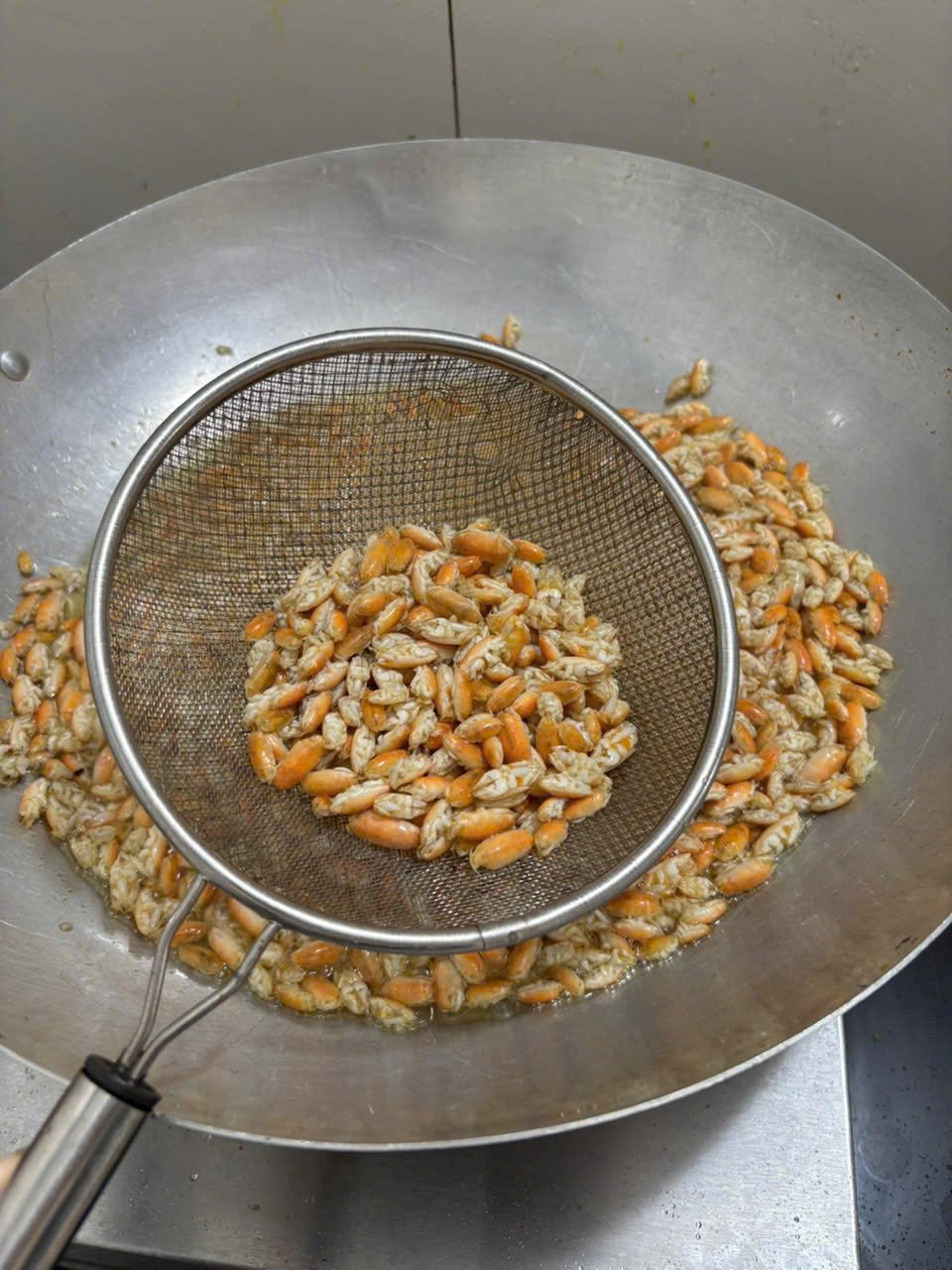
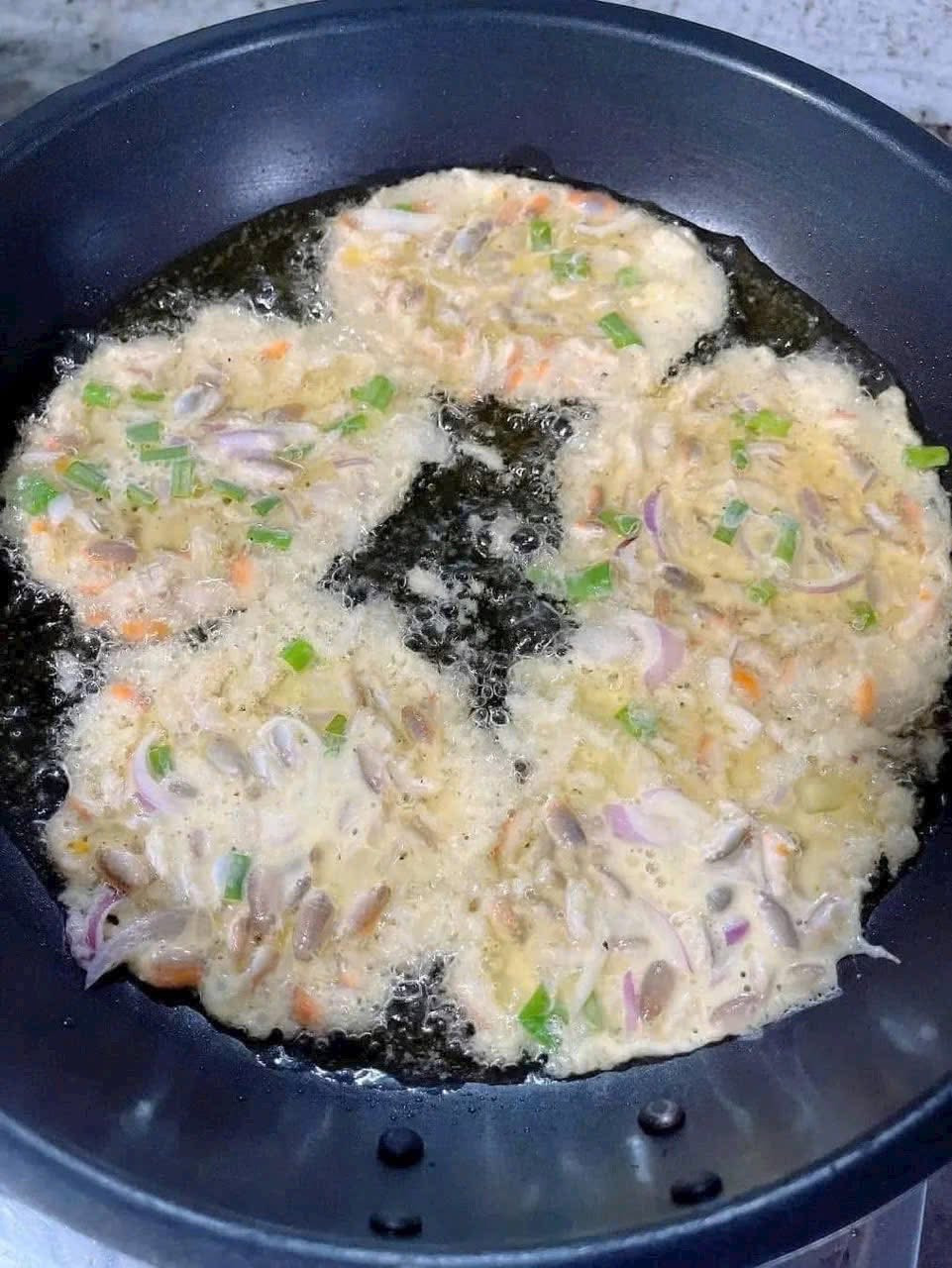
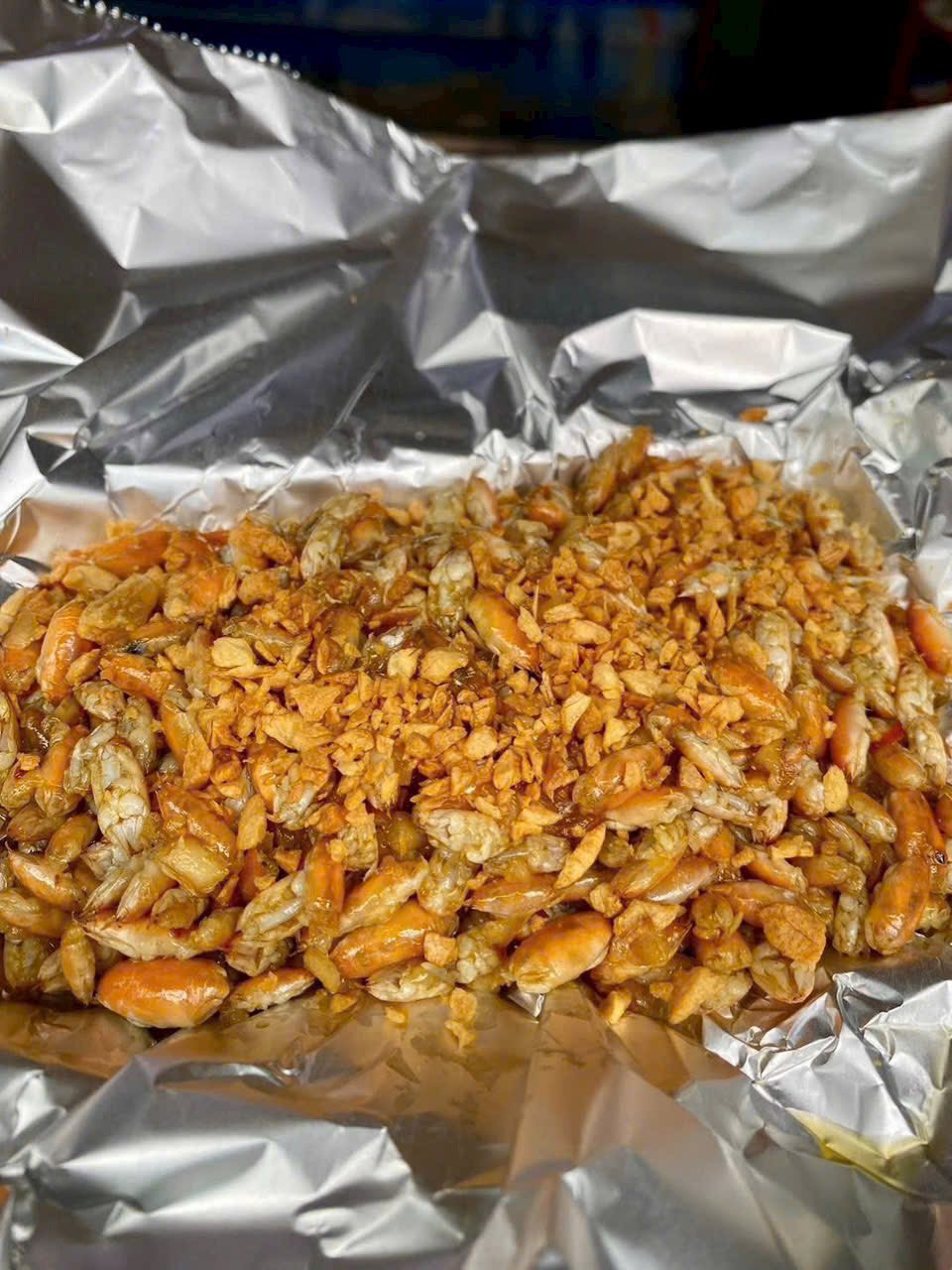
Crispy battered bo lui and garlic sautéed bo lui are among the most popular dishes in Phu Quoc. Photo: Nguyen Tuyen

Bo lui is not only popular locally but has also appeared on menus in restaurants in Ho Chi Minh City, attracting curious diners. Photo: Color Man
.svg)
