 Vietnamnet.vn

 Podcast



Prime Minister Pham Minh Chinh has signed Directive No. 08, calling for immediate measures to resolve bottlenecks and ensure the timely customs clearance of food imports and exports in accordance with Decree 46 on food safety.
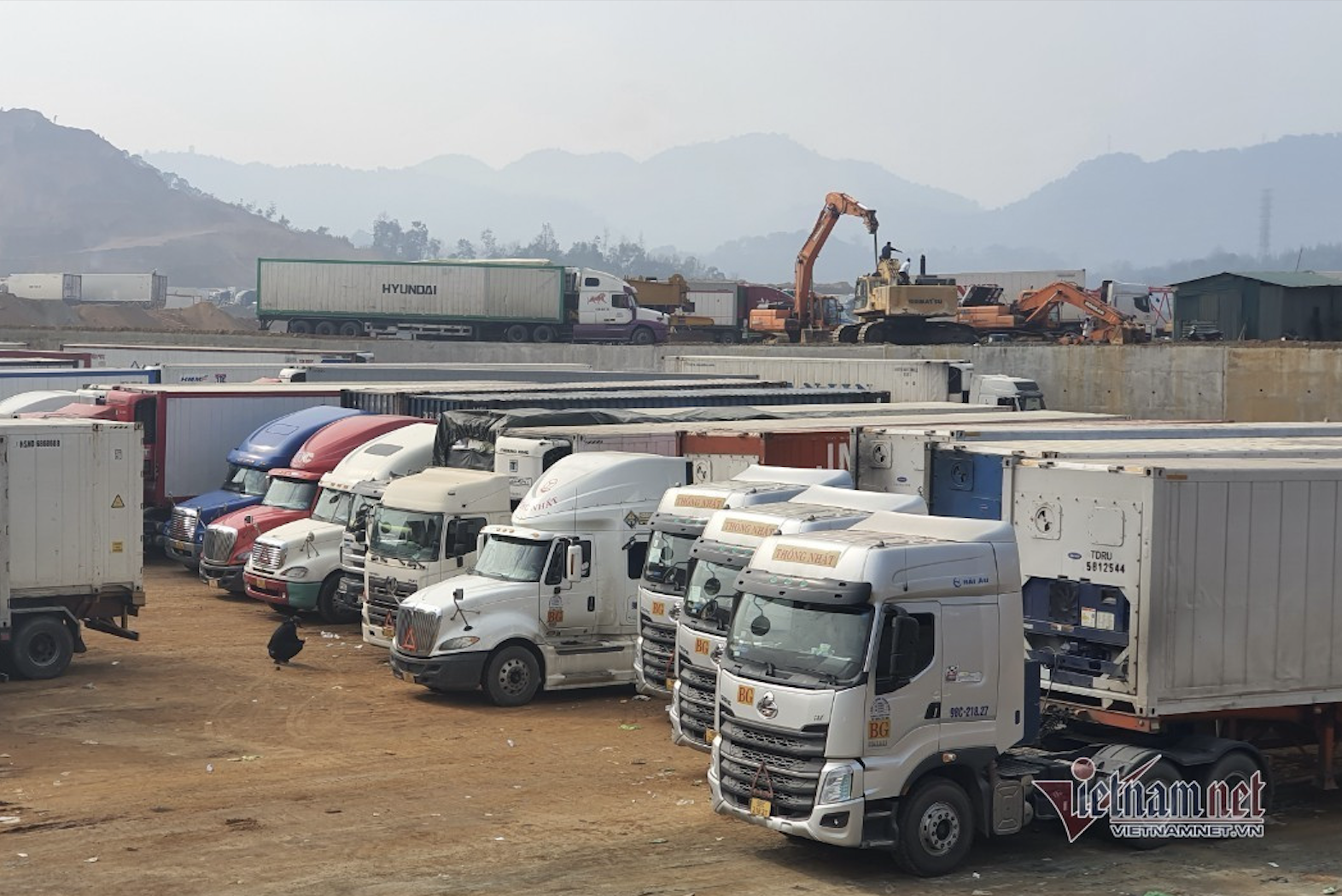
The Prime Minister has tasked the Ministry of Finance with instructing the General Department of Customs to ensure that border customs officers operate 24/7. This includes close coordination with other functional forces to promptly ease congestion and prevent delays in food shipments.
Decree 46, which details the implementation of key provisions in the Law on Food Safety, is now in effect. In light of this, the Prime Minister is urging the Ministry of Health, Ministry of Agriculture and Environment, Ministry of Industry and Trade, and other relevant agencies to urgently issue guiding documents aligned with their assigned functions and authority.
These agencies are responsible for guiding local units and authorities to ensure all necessary infrastructure, personnel, and equipment are in place for efficient customs operations. They must guarantee smooth and timely clearance without causing further congestion or backlog.
The Ministry of Health, in coordination with other ministries including Agriculture and Environment, Industry and Trade, and Justice, has been directed to thoroughly review Decree 46. They are to report on current implementation, identify obstacles, and submit specific proposals during the Government’s regular meeting on February 4.
Ministries overseeing food safety and trade must also establish a 24/7 public hotline, to be widely announced via mainstream media. Each agency must designate staff to be on standby to address emerging questions and resolve implementation issues, especially those related to Decree 46. These hotlines are also expected to process complaints and difficulties encountered in the field.
The Ministry of Finance will direct the General Department of Customs to deploy forces around the clock at border gates, working in close coordination with relevant units. This includes ensuring the electronic customs clearance system operates smoothly during peak periods.
Meanwhile, the Ministry of National Defense and the Ministry of Public Security are assigned to uphold national sovereignty, public order, and prevent misconduct during food safety inspection processes nationwide.
Accelerating clearance at border checkpoints
Provincial governments are instructed to immediately authorize local functional agencies to carry out state food safety inspections and assign recognized testing facilities. This is aimed at ensuring sufficient infrastructure and capabilities for regulatory enforcement as required by Decree 46.
Localities may also apply necessary support measures within their authority to assist businesses in completing inspection procedures. Timely testing and customs clearance must be carried out, especially for perishable goods facing backlog at border areas.
Authorities at border gates are asked to coordinate effectively, work non-stop, and implement reasonable traffic zoning. Special holding areas for fresh produce and essential food items must be designated to swiftly resolve any inspection delays.
In cases where the documentation is complete, customs clearance must be granted immediately. Sample testing will be done simultaneously or as post-clearance audits at the importer’s warehouse.
All ministries, agencies, and local governments must swiftly address implementation challenges within their scope of responsibility, ensuring effective and transparent state inspection of food imports and exports. Any issues that fall outside their jurisdiction must be promptly reported to higher authorities.
Huong Quynh
.svg)
