 Vietnamnet.vn

 Podcast


PNJ chairwoman apologizes to shareholders
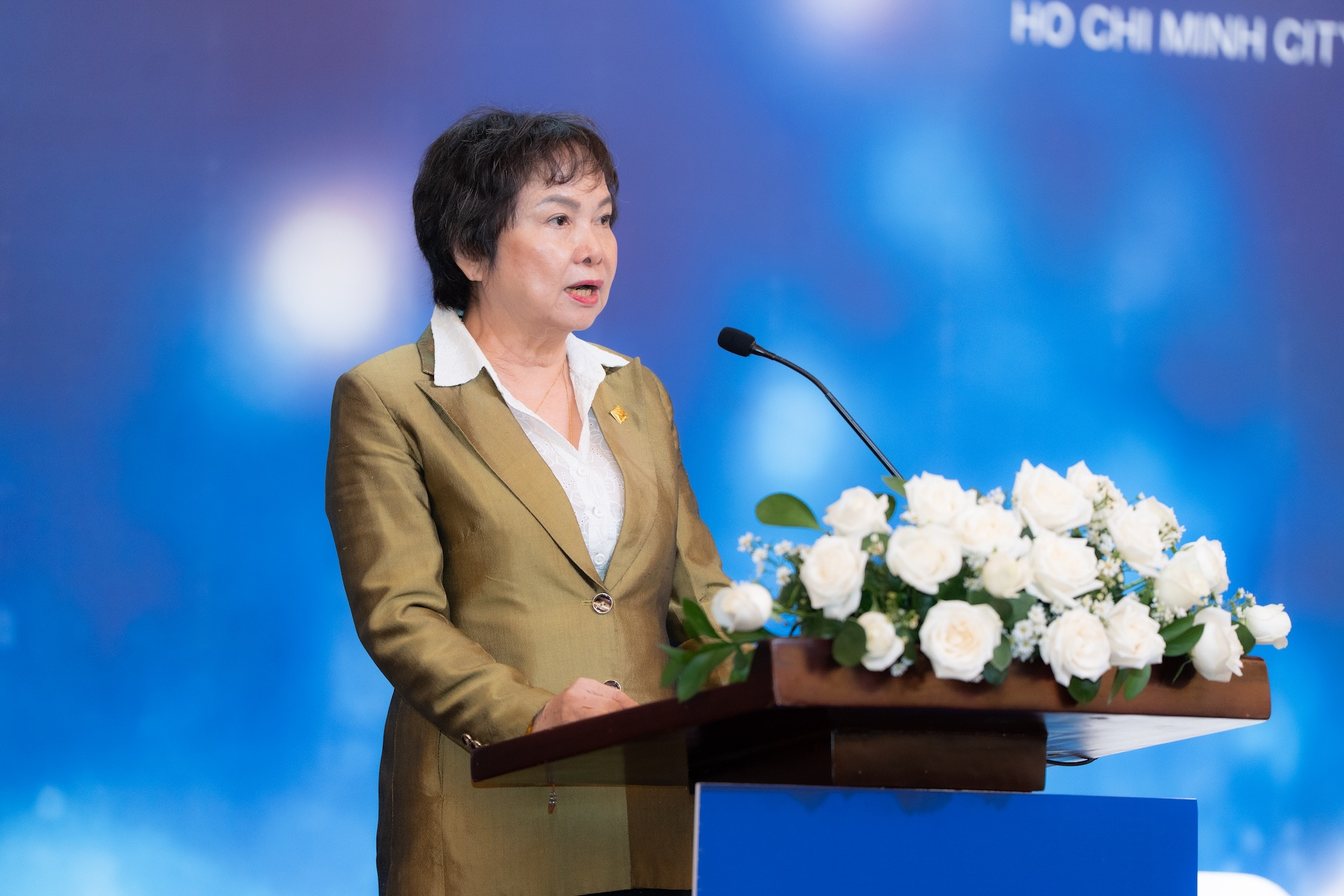
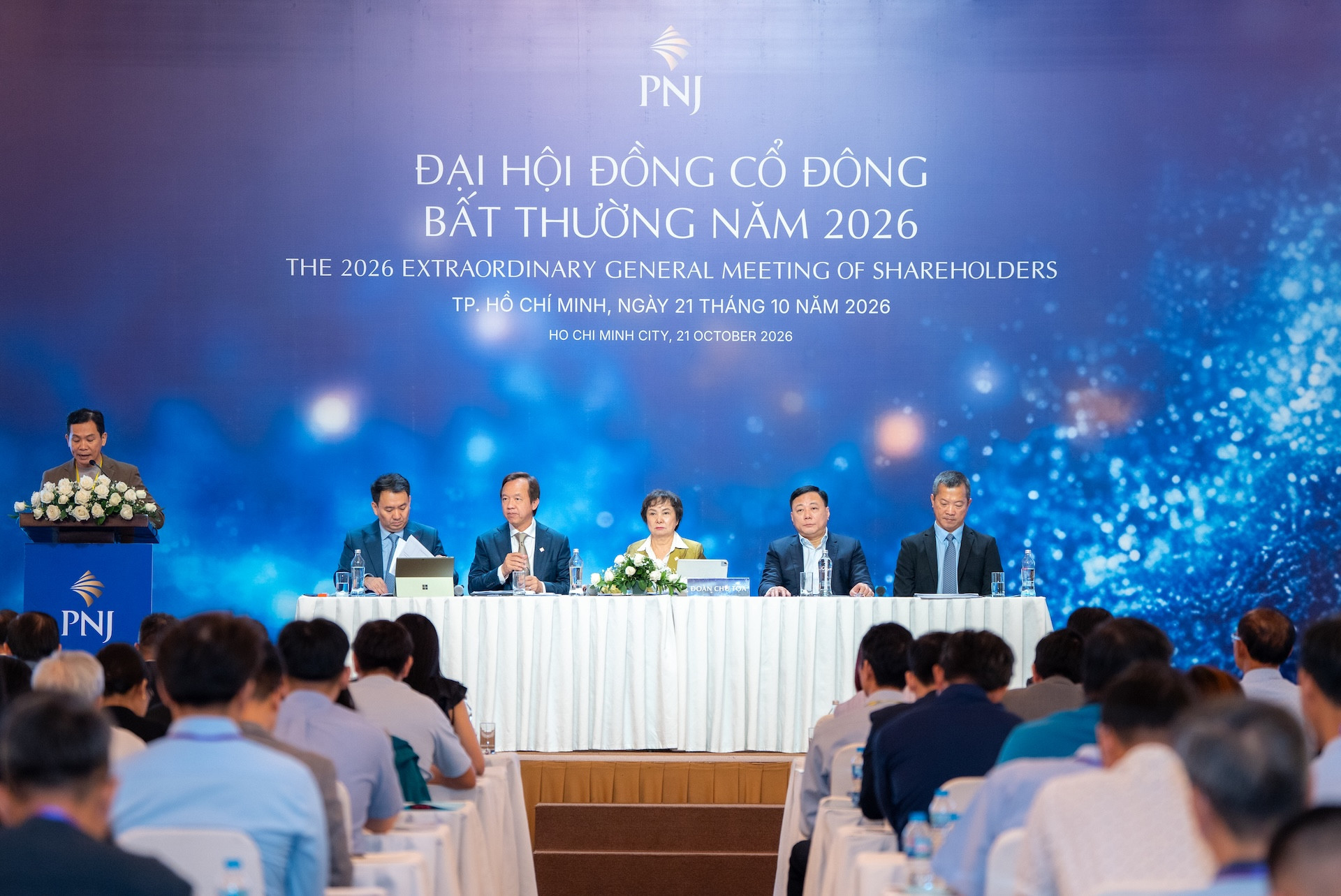
Phu Nhuan Jewelry Joint Stock Company (PNJ) held an extraordinary general meeting of shareholders on the morning of October 21, 2026, during which Chairwoman Cao Thi Ngoc Dung apologized for the financial losses suffered by investors and the erosion of shareholder confidence.
Dung acknowledged that the company was facing the most difficult period in its 40-year history.
Efforts to maintain business operations, adjust product buyback and exchange policies, and balance financial resources in recent months have not been sufficient to prevent severe damage to its financial performance and corporate value.
"I understand your concerns and disappointment as you have witnessed the decline in our share price, the revision of our profit forecast from a profit to a substantial loss, and unprecedented volatility in the jewelry market," Dung said. "On behalf of PNJ's leadership, I sincerely apologize to our shareholders for the losses and serious impact on the value of your investments and your confidence in the company."
According to Dung, PNJ has been forced to reassess its risks and expects to recognize substantial provisions under prudent accounting principles.
The company is also preparing fundamental changes to its policies, governance and business operations.
For the remainder of 2026, PNJ will focus on addressing the immediate consequences of the crisis and strengthening its corporate foundations.
From 2027, the company aims to gradually restore profitability, adopt more prudent financial management, optimize its core operations and rebuild market confidence.
Responding to shareholders' concerns about her decision to reduce her ownership stake in PNJ, Dung said the move was intended to provide financial support to the company and reflected her responsibility as its founder.
"If there had been a better option, I probably would not have sold my shares," she explained. "My daughter's recent share sale was also a decision made by our family."
PNJ needs up to VND150 billion monthly to sustain operations
PNJ is facing severe cash flow pressure following a surge in customers selling back diamond jewelry.
Chief Executive Officer Phan Quoc Cong said the value of products sold back to the company in July increased to approximately 10 times the normal level.
During that month alone, the total value of customer buybacks reached nearly VND6 trillion ($228 million), almost equivalent to the entire amount recorded in 2025.
The transactions were concentrated in diamond jewelry and loose diamonds.
According to Cong, although PNJ previously held substantial cash and bank deposits, continued product buybacks placed considerable pressure on liquidity.
Inventories also rose sharply.
By the end of the third quarter, diamonds and diamond jewelry accounted for approximately 52% of total inventory.
Cong presented preliminary financial figures showing that PNJ's net revenue in the third quarter of 2026 reached VND6.995 trillion ($266 million), down 14% year on year.
Gross profit fell 62% to VND609 billion ($23.1 million).
The company recorded an after-tax loss of VND258 billion ($9.8 million), compared with a profit of VND496 billion ($18.8 million) in the same period last year.
Cong said adjustments to the company's buyback and exchange policies had significantly reduced the value of diamond products being returned by customers.
However, consumer demand has also weakened.
Retail revenue remains below half its normal level before the crisis.
PNJ has consequently reduced selling and administrative expenses by 13% year on year, although the cost of operating its retail network remains high relative to current revenue.
Notably, the third-quarter loss of VND258 billion does not include additional provisions exceeding VND7.071 trillion ($269 million) that the company expects to recognize during 2026.
PNJ currently has approximately VND3 trillion ($114 million) in outstanding bank loans.
It also owes around VND125 billion ($4.8 million) to customers and business partners under a 120-day payment schedule.
Cong said the company needs approximately VND100-150 billion ($3.8-5.7 million) each month to cover operating shortfalls.
Its capital requirements are expected to increase further during the year-end shopping season of 2026 and the first quarter of 2027.
PNJ seeks VND8 trillion in new capital
To meet its product exchange obligations and restore business operations, PNJ's management estimates that the company needs to raise approximately VND8 trillion ($304 million).
At least 60% of the funding would be allocated to a conversion program for existing customers, while 20% would supplement working capital and the remaining 20% would be used to repay loans.
According to the proposal submitted to shareholders, PNJ's Board of Directors is seeking approval for a private placement of up to 550 million shares to professional securities investors.
Cong said the company also wants existing shareholders who meet the eligibility requirements for professional investors to participate in the offering under the same conditions.
He emphasized that the proposed fundraising represents an actual cash requirement, separate from the more than VND7.071 trillion in expected loss provisions for 2026.
Without fresh capital, PNJ could continue facing prolonged liquidity pressure.
The CEO acknowledged that a private placement could dilute the ownership stakes of existing shareholders.
The board had initially considered offering new shares to all existing shareholders.
However, PNJ's projected loss for 2026 means the company does not meet the requirements for a public offering, according to management's assessment.
At the same time, its funding needs have already emerged in the fourth quarter.
Additional bank borrowing was also considered, but high interest expenses could increase financial risks.
Cong therefore described the private placement as a practical solution under the current time constraints, although it was not the board's preferred initial option.
PNJ plans store closures and measures to rebuild confidence
Alongside its financial restructuring, PNJ plans to implement other strategic measures to restore business performance.
The company expects to close 25-30 underperforming retail outlets as part of efforts to streamline its operations.
It also intends to rebuild customer confidence by strengthening independent product quality verification through third-party inspection and certification organizations.
In addition, PNJ will focus on expanding its presence in promising market segments as it works toward stabilizing operations and returning to sustainable growth.
Thu Ha

