 Vietnamnet.vn

 Podcast



Earlier, through intelligence gathering, authorities identified the group as being led by Nguyen Duy Cuong, 35, from Bac Ninh. The group had organized activities across several areas, including Dong Hoi ward, Dong Thuan, Dong Son, and Quang Ninh commune.
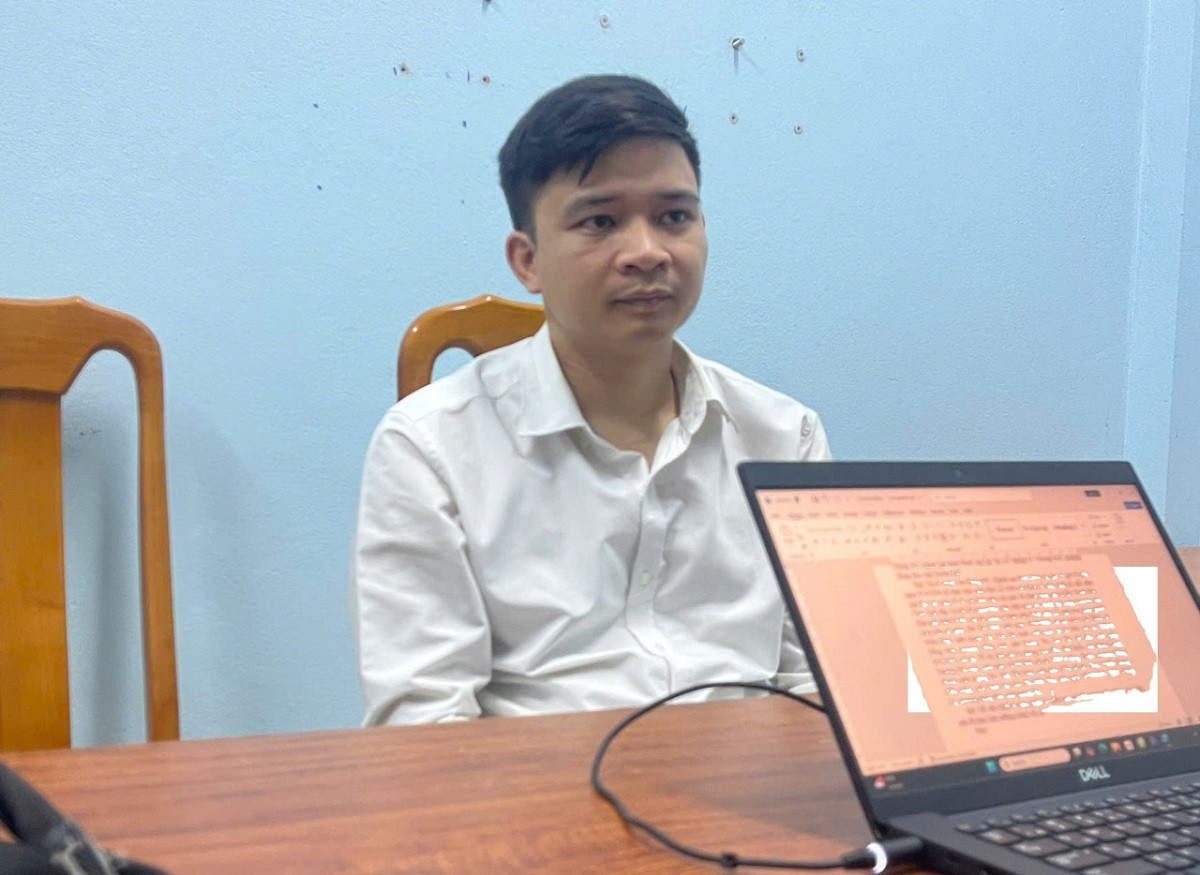
The network operated with a tight structure and clear hierarchy. To evade detection, members frequently changed meeting locations, chose secluded venues, assigned lookouts, and avoided registering temporary residence.
Participants were required to surrender their phones, limit outside contact, and strictly follow internal rules.
On April 1, Cuong reportedly organized a “Passover” ceremony at multiple locations across the province, with each site hosting between five and six participants.
Identifying these as illegal religious activities with potential risks to public order, provincial police launched a coordinated operation to inspect and handle the case.
On the same day, authorities simultaneously inspected eight gathering locations, taking action against the group’s leader, seven core members, and working with 41 related individuals. Seized items included electronic devices, religious books, preaching materials, and money linked to the group’s activities.

Initial statements from those involved acknowledged organizing and participating in unauthorized gatherings. Documents collected also indicated signs of exploiting religious beliefs for profit and promoting superstitious practices.
According to Quang Tri police, the organization known as “God the Mother Church” originated in South Korea. While it uses the Bible as a foundation, its teachings contain interpretations that differ significantly from those recognized by mainstream Protestant organizations.
The group reportedly uses narratives such as “the end of the world” and “salvation of souls,” combined with initial acts of support and assistance to build trust, before gradually influencing participants’ thinking.
In Quang Tri, authorities have previously detected and dismantled similar unauthorized gathering points linked to the group, requiring those involved to commit to not reoffending.
However, such activities have not been fully eradicated and are showing signs of shifting to more discreet forms.
The case remains under investigation to clarify potential violations, including fraud and the practice of superstition for profit.
Hai Sam
.svg)
