 Vietnamnet.vn

 Podcast



On June 23, authorities in Bac Ninh Province announced that they had received the Politburo’s conclusion regarding the proposal to establish a centrally governed Bac Ninh City based on the province’s current administrative boundaries.
The conclusion was signed on June 20 by Politburo member and Permanent Member of the Secretariat Tran Cam Tu on behalf of the Politburo.
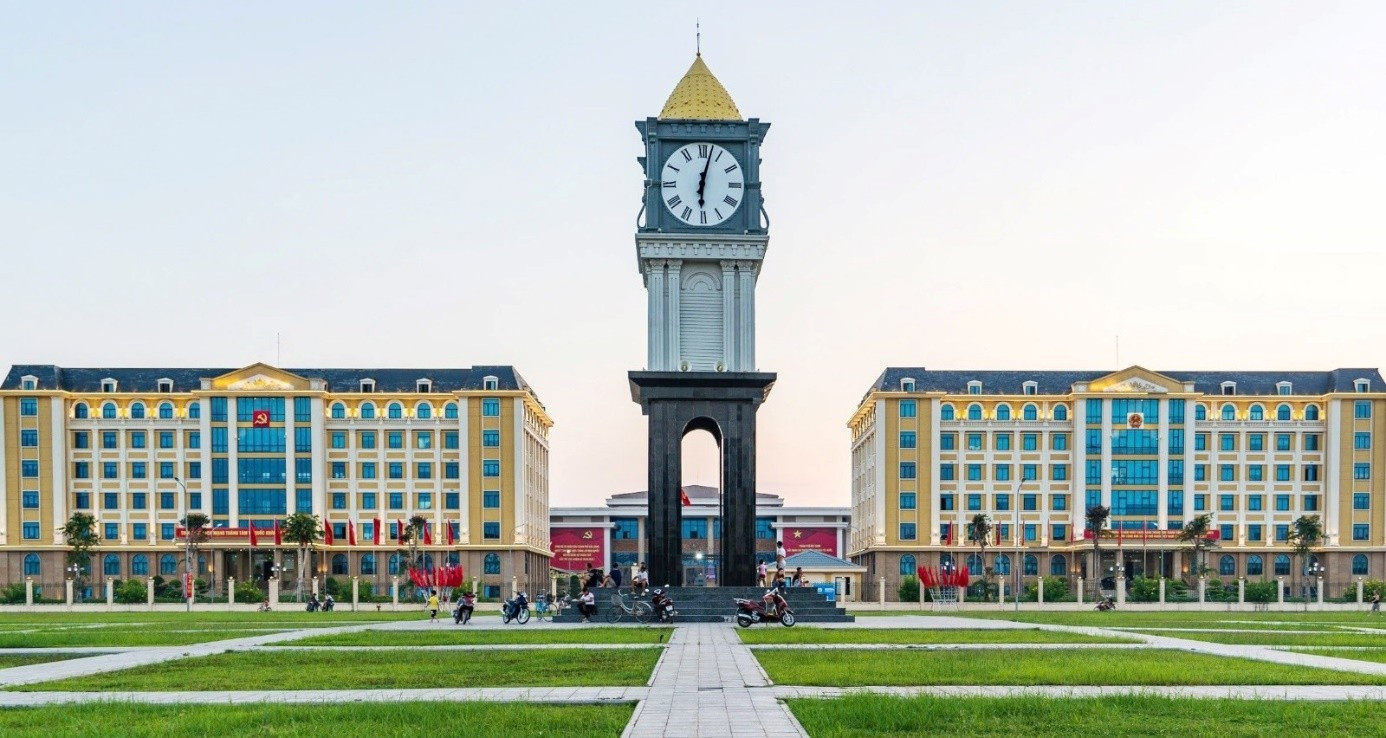
According to Conclusion No. 52-KL/TW, issued after reviewing Submission No. 15-TTr/TU dated May 19, 2026 from the Bac Ninh Provincial Party Committee, the Politburo agreed in principle to establish Bac Ninh City under central administration using the entirety of the province’s existing administrative territory.
The future city is envisioned as a model green, smart, modern and civilised urban area that is prosperous while preserving the distinctive cultural identity of the Kinh Bac region. Development is expected to go hand in hand with environmental protection, while science, technology and innovation are identified as the primary drivers of growth.
A key element of the vision is for Bac Ninh to become a major high-tech industrial centre deeply integrated into global supply chains. The city is expected to develop a leading electronics manufacturing hub focused on semiconductors, chip production and artificial intelligence, placing it among the country’s and region’s most advanced industrial centres.
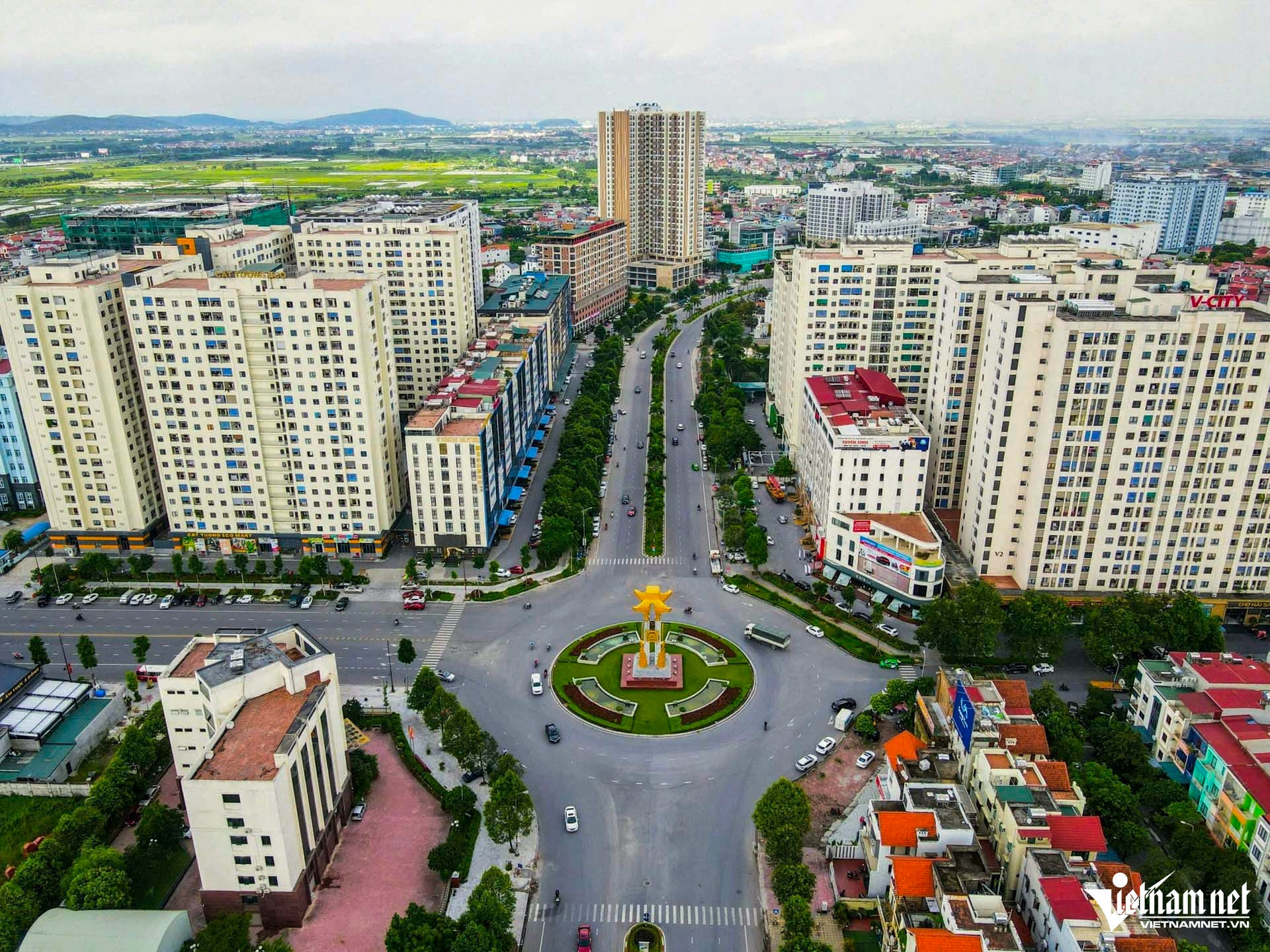
The Politburo assigned the Bac Ninh Provincial Party Committee to work with the Party Committees of the National Assembly and the Government, along with relevant agencies, to incorporate feedback and finalise the proposal before submitting it to the Party Central Committee for consideration.
The province was also instructed to urgently complete outstanding requirements and finalise documentation for recognition as a Class I urban area, ensuring readiness for review at upcoming Central Committee meetings should all conditions be met.
The conclusion further calls for the development of synchronised infrastructure, including road, waterway, railway and aviation networks, alongside smart urban infrastructure. Strengthening links between major urban centres and logistics and multimodal transport systems is also a priority.
Authorities are tasked with ensuring balanced development across all areas of the future city while building a streamlined, modern and efficient urban administration capable of supporting long-term growth.
The Politburo also emphasised the need to maintain national defence, security and social order while promoting comprehensive development in cultural and social sectors. Improving living standards and ensuring residents directly benefit from economic and social progress remain central objectives.
Bao Khanh
.svg)
