 Vietnamnet.vn

 Podcast



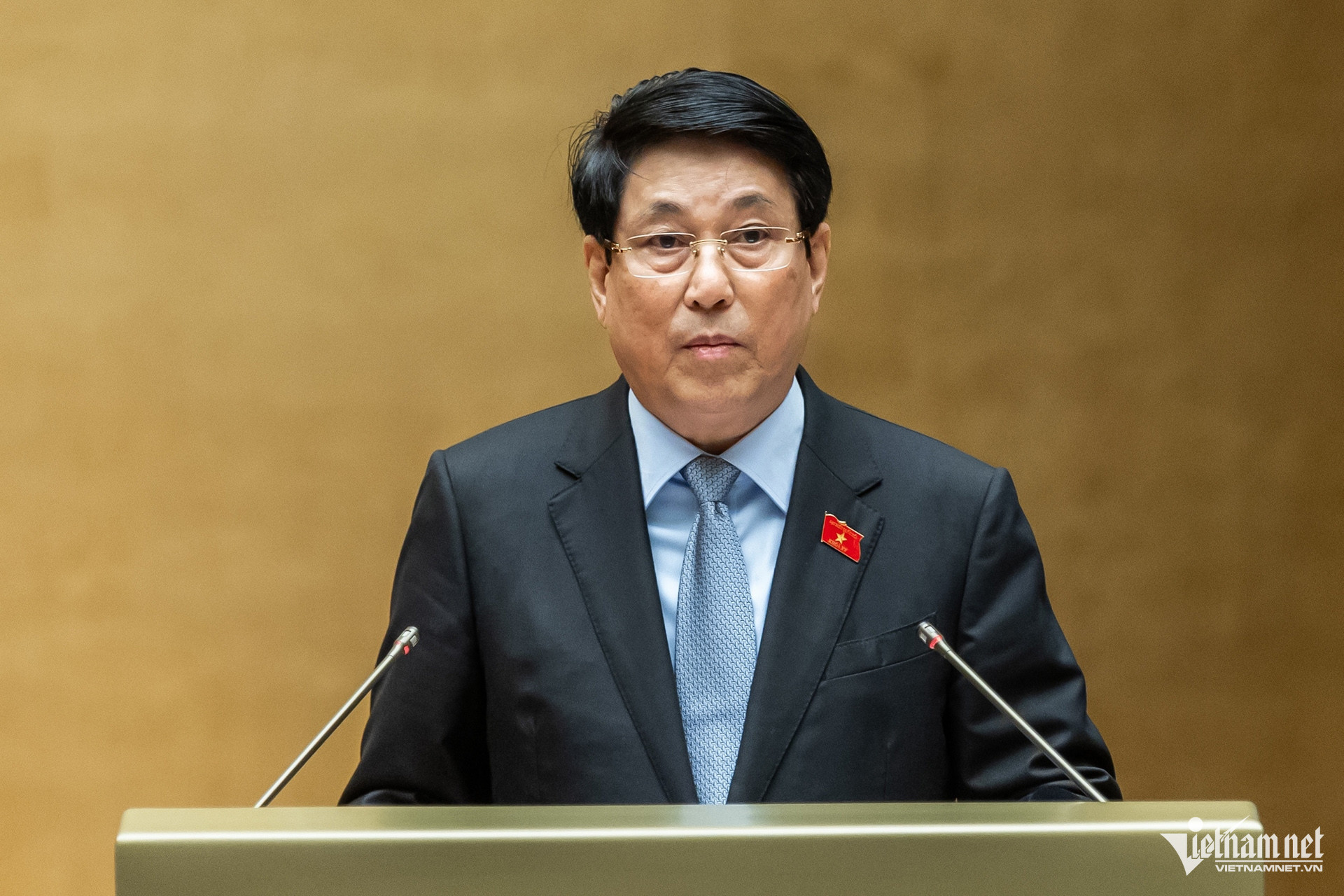
In his role related to executive powers, President Luong Cuong remained deeply involved in the country’s affairs, particularly concerning people’s livelihoods.
He frequently visited localities to assess real conditions, directly guided implementation, and offered solutions for regional development.
He consistently supported the development of a revolutionary, professional, elite, and modern People's Army and People's Public Security.
He reformed the national commendation system, resolving long-standing issues, especially those linked to wartime achievements.
During his term, he awarded more than 466,600 orders and medals, over 6,500 honorary state titles, more than 1,200 titles of Heroic Vietnamese Mother, 129 Hero of the People’s Armed Forces titles, and 13 Hero of Labor titles.
Notably, the President reviewed and approved over 18,000 cases related to renunciation, acquisition, or reinstatement of Vietnamese citizenship, ensuring full legal compliance and protecting citizens’ rights and interests.
Judicial reform and clemency decisions
As Head of the Central Steering Committee for Judicial Reform, President Luong Cuong pushed for reforms aligned with the 13th Party Congress Resolution.
He directed judicial agencies to restructure, enhance their effectiveness, and contribute to building a modern, professional, fair, and ethical judiciary that serves the nation and the people.
Since taking office, he has issued five clemency decisions, granting early release to over 31,300 prisoners in accordance with the law. These decisions upheld democratic, transparent, and fair principles.
In his role as Chair of the National Defense and Security Council and Commander-in-Chief of the armed forces, the President convened six sessions to discuss 16 strategic topics related to defense, security, and foreign affairs.
He conducted inspection visits to key units and strategic locations, evaluated combat readiness, and approved promotions for generals in both the military and police forces.
The President consistently prioritized reinforcing national unity in pursuit of renovation and global integration.
Active diplomacy and international engagement
During the term, the President received over 40,000 petitions, primarily concerning judicial and administrative matters.
In the diplomatic sphere, President Luong Cuong visited 20 countries and participated in 11 international forums and conferences. He welcomed and held talks with 30 visiting heads of state and government leaders.
"Significant milestones were established, ushering in a new era of friendship and cooperation with various nations,” he said.
Vietnam established diplomatic ties with four new countries, bringing the total to 194, and upgraded its relations to comprehensive strategic partnerships with 10 more countries, raising the total to 13.
Multilateral diplomacy reached new heights, evolving from active participation to proactive contribution in regional and global cooperation mechanisms.
Vietnam is increasingly recognized as a trustworthy partner and responsible member of the international community.
Reflections, challenges, and priorities ahead
President Luong Cuong acknowledged achievements as well as shortcomings, citing leadership transitions during the term as a factor that at times disrupted the continuous operation of the Central Steering Committee for Judicial Reform.
He pledged accountability for national challenges during the term and emphasized key future directions.
These include working closely with the Party Central Committee, Politburo, and Secretariat to develop key documents for the 14th National Party Congress and effectively implement its forthcoming resolutions.
He also stressed the importance of removing obstacles, unlocking all resources, and fueling rapid and sustainable national development.
Reforms in the judiciary will continue, aiming to build a modern, fair, and incorruptible system that upholds justice.
Vietnam will also deepen international integration and enhance its global standing.
The President reaffirmed his commitment to strengthening the People’s Army and People’s Public Security into revolutionary, professional, elite, and modern forces.
Tran Thuong
.svg)
