 Vietnamnet.vn

 Podcast



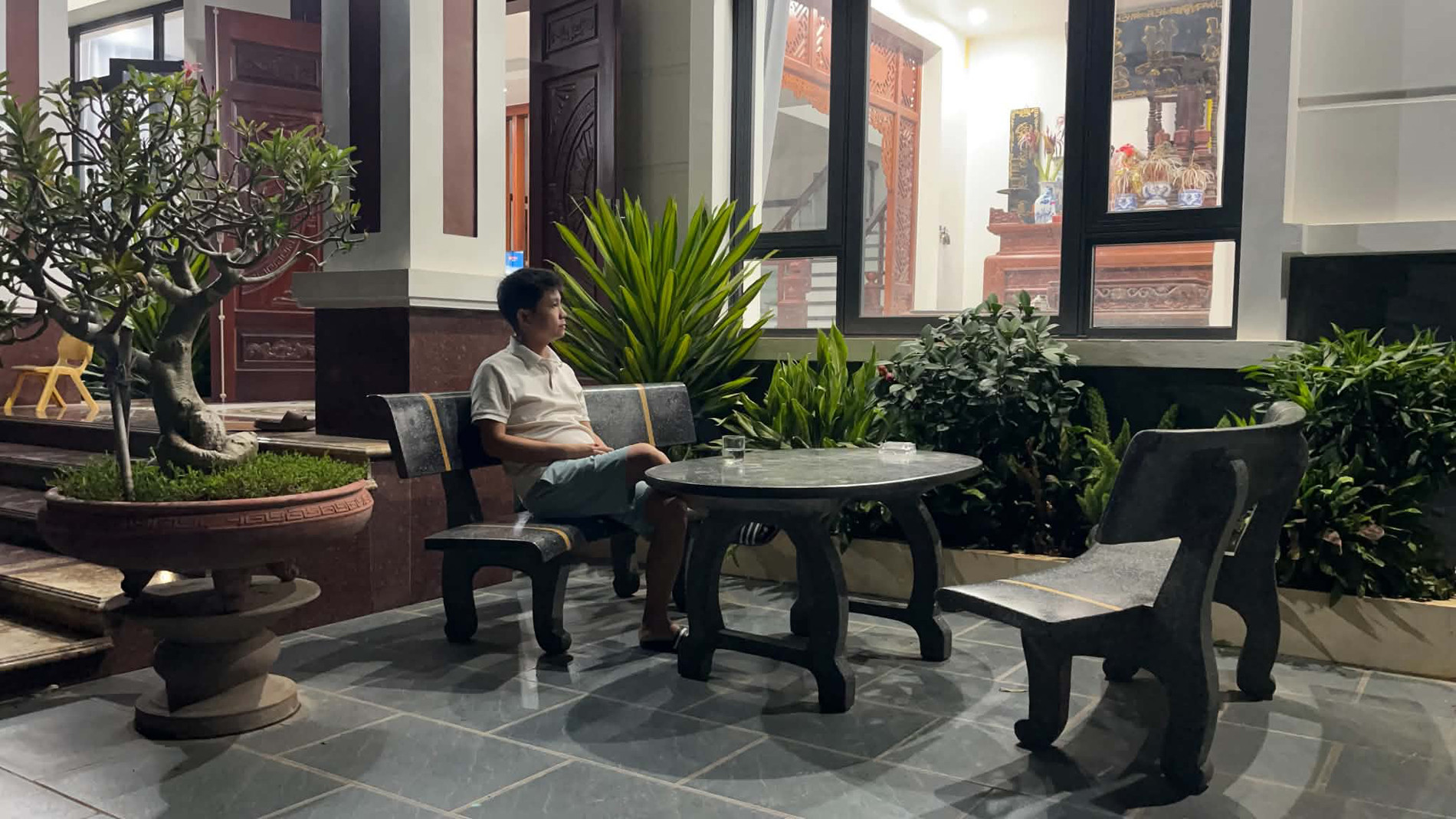
“Working in the city, living in the suburbs”
Eleven years ago, after graduating from university, Minh Duc, from Hung Yen, decided to stay in Hanoi and work for a well-known corporation specializing in the manufacturing, trading and distribution of electronics and home appliances, earning around VND7.7 million a month.
At the time, he spent VND1.5 million on rent and allocated the rest to other expenses such as daily living costs, food and fuel.
One day, while talking with a Japanese colleague, Duc was surprised to learn that his colleague regularly traveled about 300km a day between his home and workplace by high-speed train, with the journey taking only about one hour.
“That was when the idea of returning to my hometown without leaving the city behind began to take shape. At the time, I was also quite concerned about the cramped living conditions and rush-hour traffic in the capital,” he recalled.
In 2016, Duc got married, but the couple continued to live apart. He kept renting a room in Hanoi for the convenience of his job, while his wife lived in Hung Yen.
He thought that if the situation continued, it would be difficult for the family to settle into a stable life. But buying a home in Hanoi was also not easy because of high property prices.
“At the time, a small apartment suitable for a young couple in Hanoi cost around VND2 billion. With my income then, it was difficult for us to afford one.
“Besides, if we waited until we had saved enough money to buy a home, we still would not have been able to keep up with rising property prices,” he said.
He was also concerned about his aging parents back home. There were three siblings in the family. His older brother had established a life and career in HCMC, while his sister was married.
His parents were already in their 70s, so Duc felt that he had a responsibility to take care of them.
After some consideration, he decided to return to his hometown without giving up his city job. Instead of renting a room in Hanoi, he chose to commute between the two places.
“My hometown is about 25-30km from central Hanoi. The distance is not too far and it is entirely possible to commute every day.
“That way, I would not have to give up a job I enjoy or live in a cramped rented room, while also being able to stay close to my parents, wife and children,” he said.
The 50km daily commute
At first, Duc admitted that traveling dozens of kilometers every day was a challenge.
Every morning, he got up at 5:30am, left home at 6:30am and took about 45 minutes to reach the company. If he left late, he was likely to get stuck in traffic.
The hardest days were those with unfavorable weather. On rainy and windy days, he would arrive at the office with both hands numb from the cold. In winter, he had to wear two layers of jackets and two layers of trousers to keep warm.
“During the seven years I rode a motorbike to work, I had two accidents. The first happened while I was crossing Vinh Tuy Bridge, when another vehicle hit me. I injured my leg, had it put in a cast and took 10 days off work.
“The other time, I fell off my motorbike on the Xuan Quan-Bat Trang dike road after braking suddenly when the vehicle in front unexpectedly changed direction. There are no streetlights along this stretch, so traveling early in the morning or late at night can also be somewhat difficult,” he recalled.
Positive changes after moving back home
Duc feels that he has “gained more than he has lost” by returning to his hometown without giving up his city job.
Apart from the long daily commute, he has more time to be with his family, enjoys fresh and peaceful surroundings, and no longer has to spend money on rent and food in the city as he did before.
In 2024, he and his wife were also able to build a spacious house in their hometown at a cost of around VND2.5 billion.
With that amount, they would not have been able to afford a 70sqm apartment in Hanoi, but it was more than enough to build a large house in their hometown while still having some money left over for savings or investment.
Thao Trinh
.svg)
