 Vietnamnet.vn

 Podcast



The remarks were made during a working session on April 25 with the Ministry of Culture, Sports and Tourism to review the implementation of key tasks, including Politburo Resolution 80 and National Assembly resolutions on cultural development, as well as proposals and recommendations from the sector.
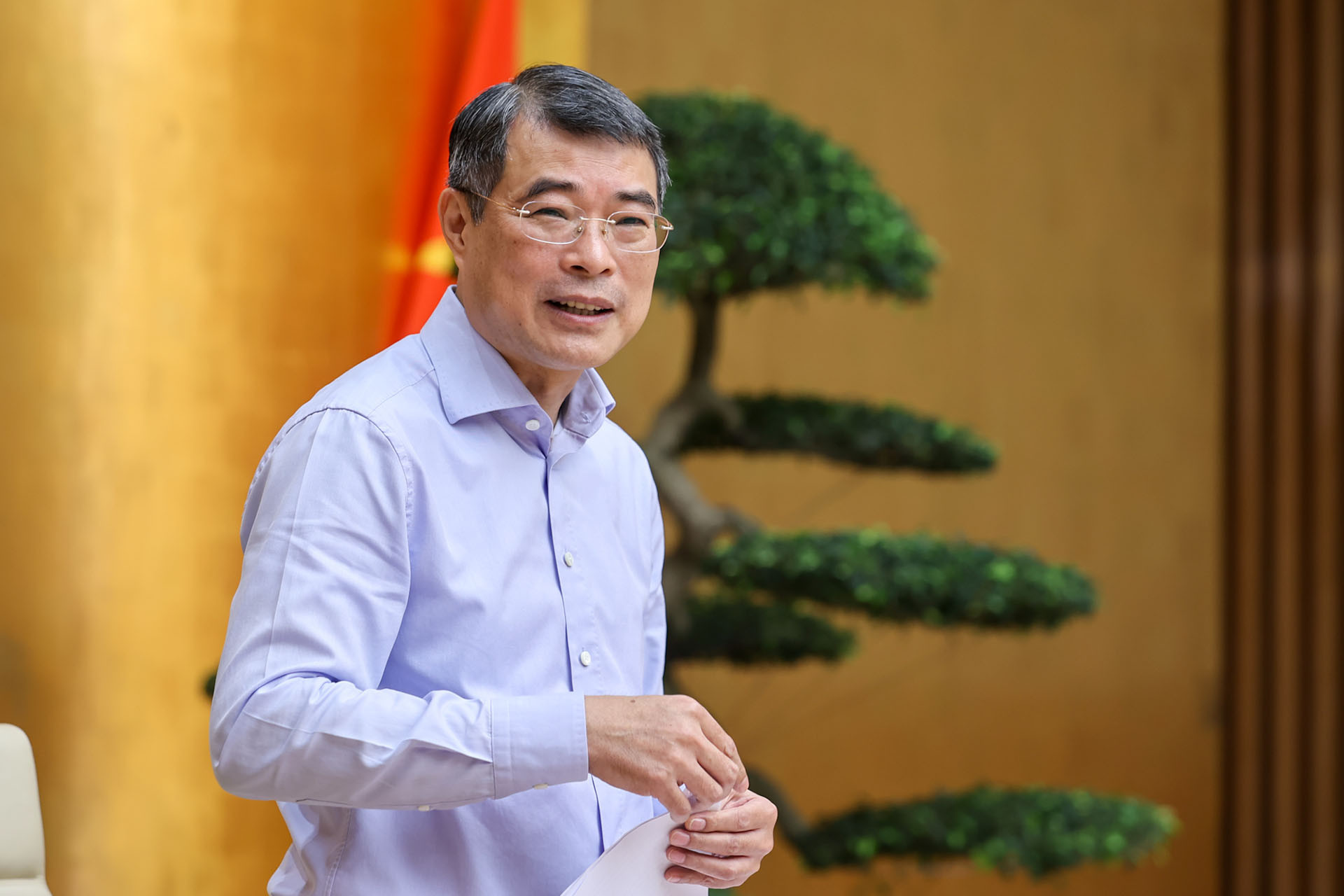
Prime Minister Le Minh Hung calls for a breakthrough in the development of culture, sports and tourism. Photo: Nhat Bac
In his concluding statement, the Prime Minister emphasized that the ministry oversees a broad and socially significant portfolio, with cultural and ethical values remaining a central concern for society.
While acknowledging progress, he pointed out that a considerable number of policy documents, projects and assigned tasks remain unfinished. Several areas still lack adequate legal frameworks, particularly those related to cultural industries.
High-performance sports, he noted, continue to lag behind regional and global standards, requiring a fundamental shift in thinking, early preparation and stronger policy mechanisms.
The Prime Minister also highlighted that the contributions of tourism and cultural industries have yet to match their potential and advantages. Challenges persist in workforce quality, human resources and the risk of losing traditional artisans.
He called for greater accountability among leaders, with mechanisms for monitoring, reporting and evaluating performance indicators, alongside timely replacement of underperforming officials.
Stress on innovation in governance was central to his message. The Prime Minister urged a decisive shift from a management mindset to one focused on service, facilitation and development, creating new spaces for growth. The ministry was asked to proactively propose bold policies to accelerate the implementation of major Party directives.
At the same time, he emphasized the need to effectively implement the national target program on cultural development, ensuring alignment with its objectives, principles and beneficiaries, while promoting breakthroughs in sports development through focused investment.
A key priority is restructuring and enhancing the competitiveness of the tourism sector, with the goal of firmly establishing it as a leading economic driver. Vietnam aims to welcome 25 million international visitors and 150 million domestic tourists in 2026.
The Prime Minister stressed that culture, sports and tourism play an important role in achieving double-digit economic growth. He noted that increasing international arrivals could significantly boost revenue from sectors such as aviation, hospitality and food services without placing excessive pressure on the environment.
In the context of global and regional uncertainties, Vietnam’s reputation as a safe destination presents a major opportunity to attract more international visitors. However, he cautioned that breakthrough solutions are needed, including measures to ensure that a greater share of tourism revenue remains within the domestic economy rather than benefiting foreign operators.
On legislative priorities, the Prime Minister instructed the ministry to complete within April a government resolution aimed at reducing, decentralizing and simplifying administrative procedures and business conditions under its management.
He also assigned the ministry to prepare dossiers for amendments to several laws, including those on sports, tourism, cinema, libraries, cultural heritage and publishing. In addition, it must revise the national cultural development strategy to 2030 and prepare plans for organizing “Vietnam Cultural Day” for the 2026-2030 period.
Other key tasks include accelerating the application of science and technology, innovation and digital transformation across the sector, and ensuring the successful organization of major political and cultural events in 2026. The ministry is also expected to continue streamlining its organizational structure while maintaining stable operations.
The Prime Minister further directed the urgent development of a government resolution on cultural industries and the preparation of a draft Law on Cultural Industries for submission to competent authorities.
He agreed in principle to the inclusion of cultural industry indicators in the national statistical system and called for close coordination among ministries, local authorities and businesses in implementing growth scenarios for tourism and cultural industries in 2026 and the 2026-2030 period.
Tran Thuong
.svg)
