 Vietnamnet.vn

 Podcast



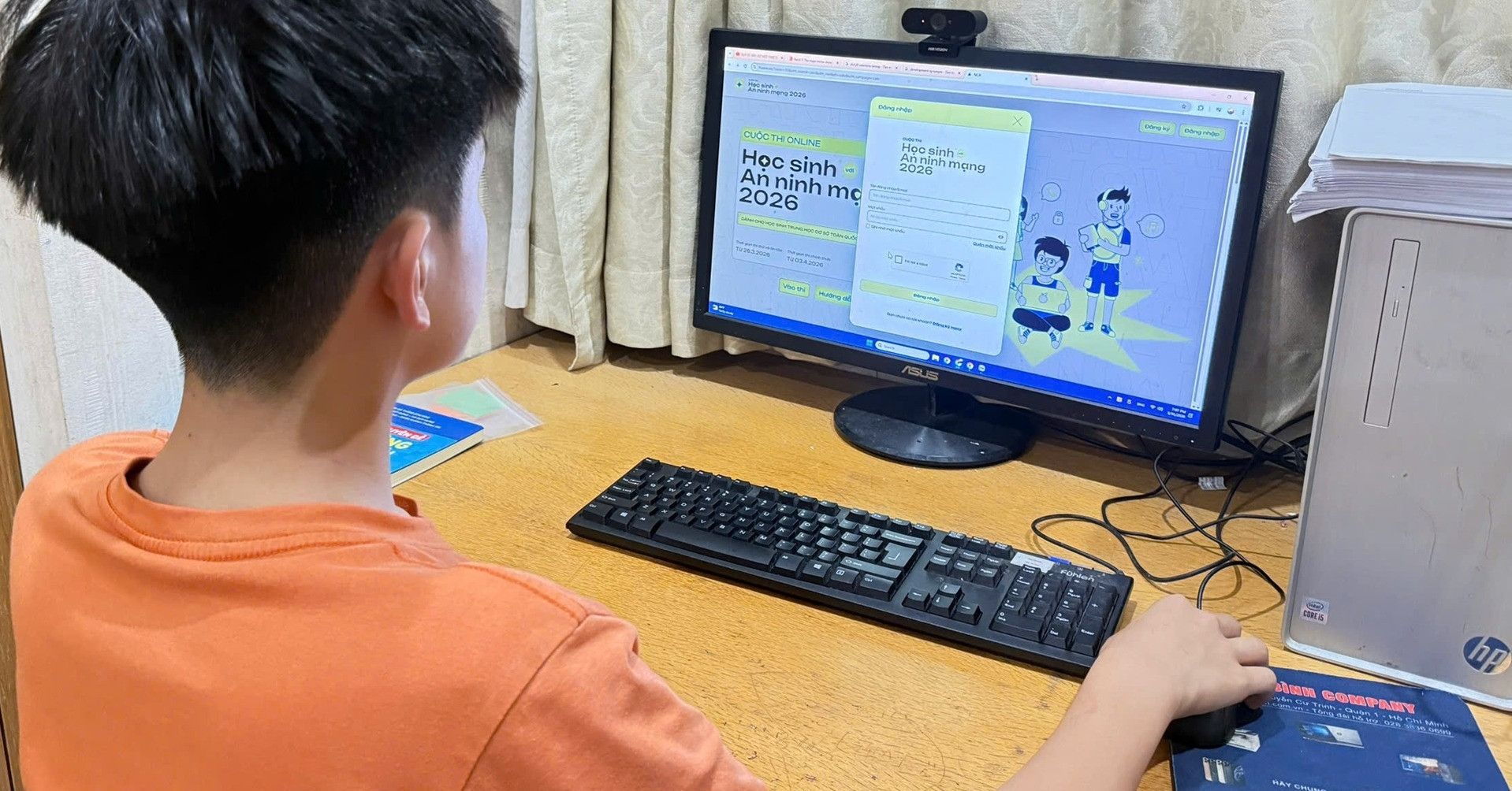
However, some argue that a total ban is not feasible and could cause a backlash.
Following several articles about proposed solutions for banning or restricting children from using several social media platforms, VietNamNet received many opinions from readers on whether social media should be used for learning, especially since platforms like Facebook, Zalo, and YouTube have integrated deeply into the teaching and learning ecosystem.
Quite a few parents expressed support for restricting or even banning children from using social media. A reader named Phong argued that the “addictive” nature of these platforms makes it difficult for children to control themselves, even without the need for addictive algorithms.
“A single comment or post from friends can draw children into endless debates, keeping them awake at night just to see how it ends. We are putting addictive tools into their hands, the tools that even adults struggle to resist,” the reader said.
He suggested that children should stay away from social media as they lack the awareness to distinguish right from wrong and do not know when to stop. Instead, schools should separate social media from learning activities and use official platforms for assigning homework, rather than relying on the official channels mainly for exam score notifications.
An anonymous reader noted that social media content is increasingly complex and potentially harmful, especially dramatized or out-of-context clips that can mislead students into misunderstanding and imitating behaviors without realizing the consequences.
However, the reader admitted that a total ban is not feasible, as students today still need devices and online environments for learning activities such as group work, presentations, or technology-related subjects.
Ban what you cannot manage?
Meanwhile, some opinions suggest that a total ban could backfire. Reader Nguyen Phi Hung observed that even adults find it hard to resist the pull of social media, so asking children “not to use” it is unrealistic.
The reader argued that social media and technology products are not inherently bad. The issue lies in how humans use them to bring about the best value. If properly oriented, these can still be tools that provide positive value.
“We should not keep the mindset of banning what we cannot manage. The important thing is finding a way to use it reasonably,” the reader said, while also noting that the role of the family is crucial in helping children use social media appropriately.
According to a reader named Phi, the key is how to use social media reasonably to bring the best value. “Simply put, after a workday, instead of complaining about being tired and lying around scrolling through the web, parents could sit and play with their children for a few minutes or read books with them. This is a factor that partly reduces dependence on social media,” Phi shared.
Thu Trang, a secondary school teacher in Hanoi, also believed that a total ban on children using social media is not feasible. She noted that social media has now become a part of teaching and learning for both teachers and students, from assigning homework and making announcements to group discussions.
“If banned entirely, teachers would also find it very difficult to manage because there is no convenient replacement platform yet. Not to mention, students will find ways to use it ‘underground,’ which makes it even harder to control,” she said.
According to Trang, the important thing is not to ban but to guide students on how to use it correctly. They need to be taught how to distinguish between good and bad content and how to limit their own time instead of needing a controller.
If guided correctly, social media can be an effective environment for learning, creativity, and connection. Conversely, if only banned without being taught, children will lack self-protection skills when they are forced to encounter it in the future.
The teacher argued that coordination between schools and parents is necessary to set clear usage rules, while gradually building official learning channels to reduce dependence on social media.
Thanh Hung
.svg)
