 Vietnamnet.vn

 Podcast



Thao Trinh
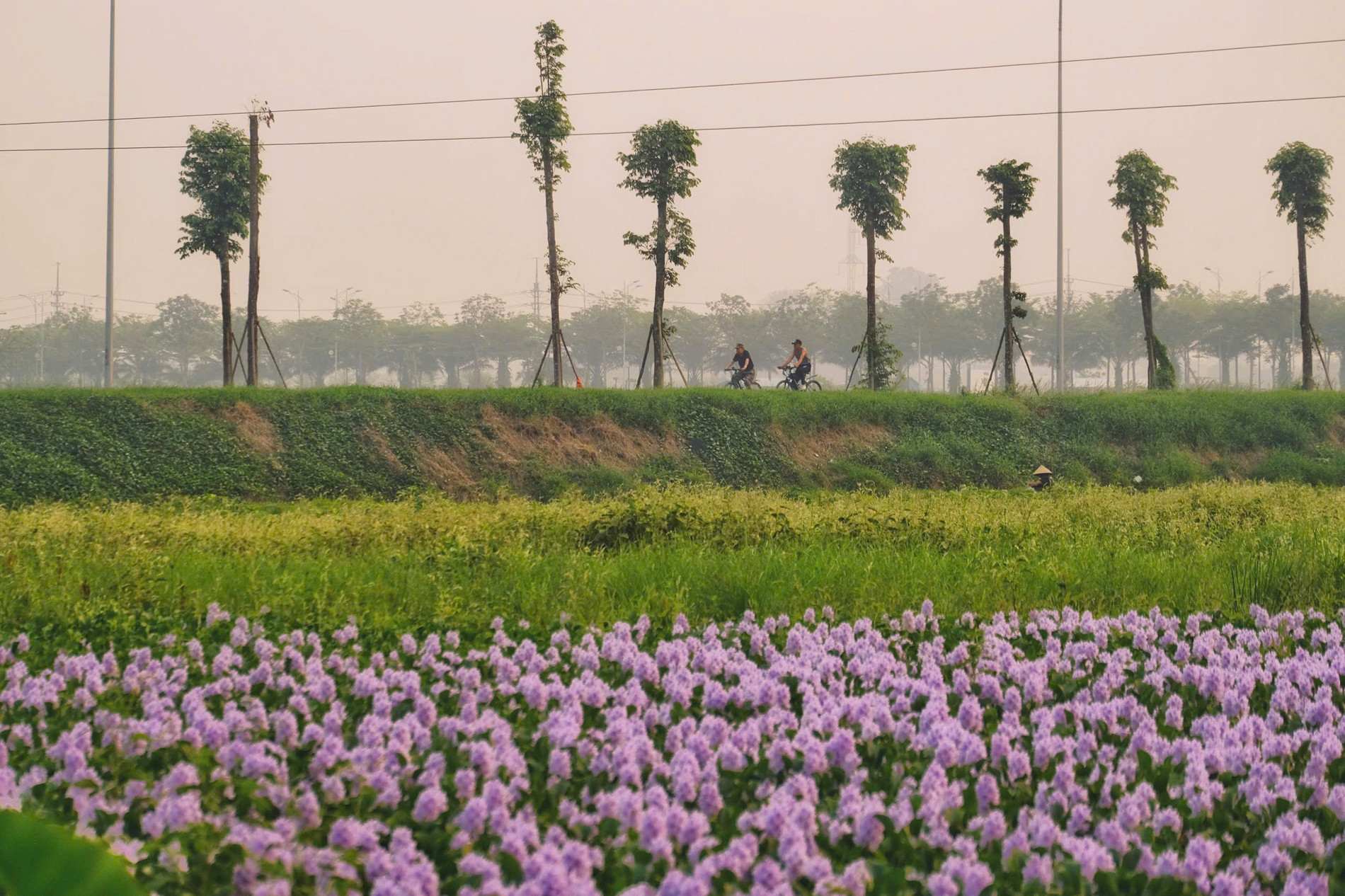
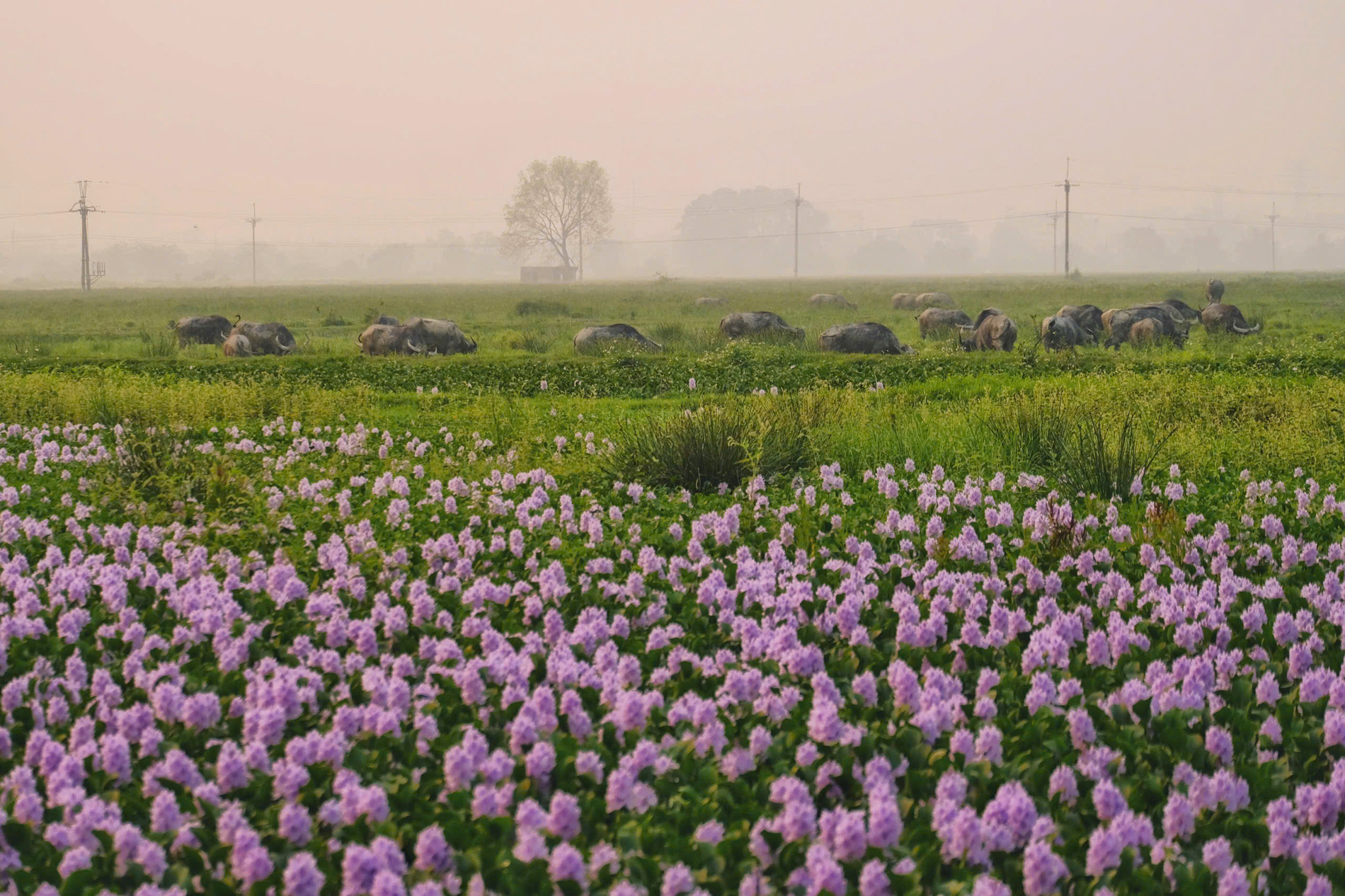
Located in Tam Hung commune, about 15km from the city center, the site has attracted a steady stream of tourists and photographers eager to capture the fleeting beauty of the season.
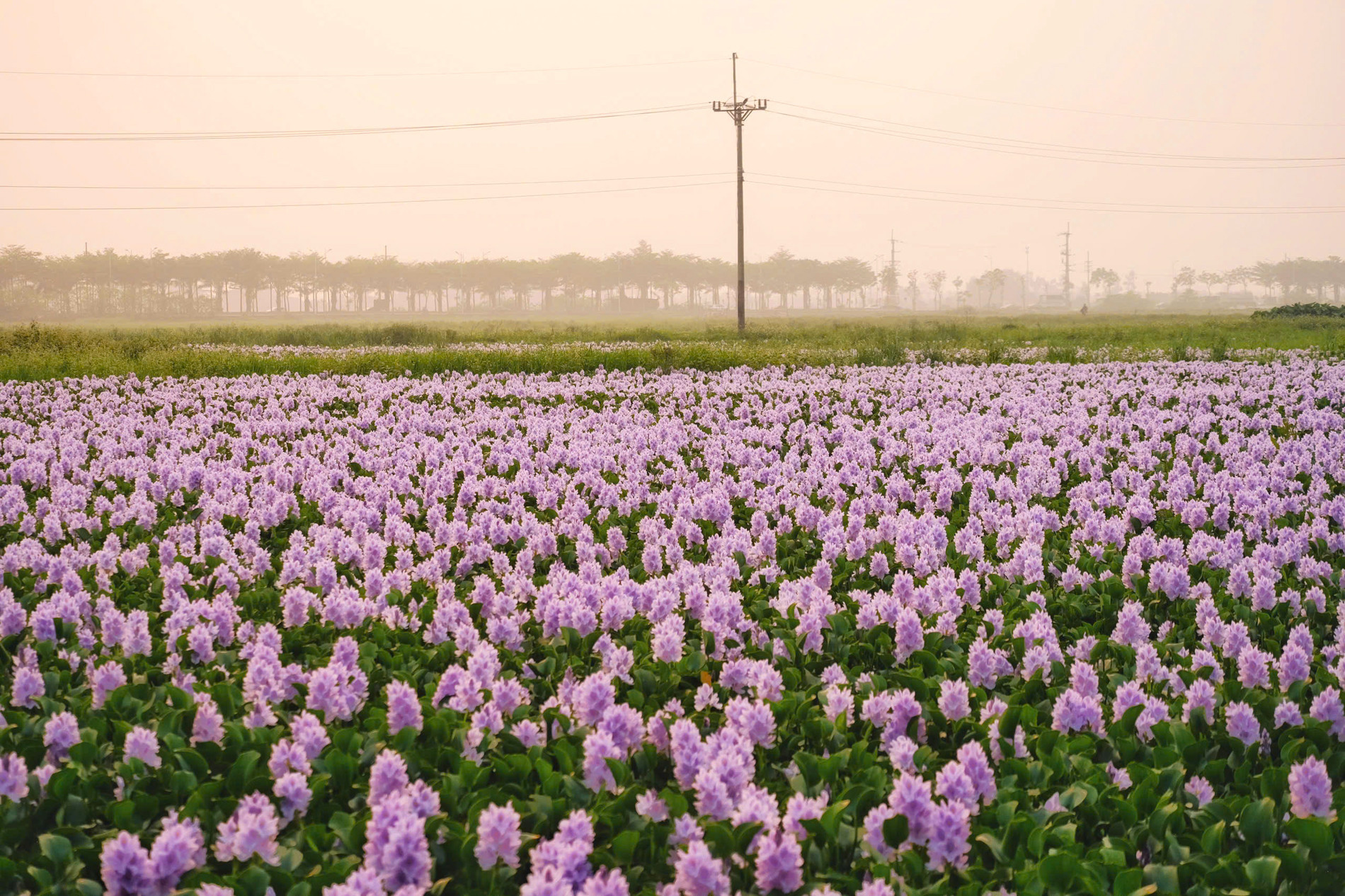
Water hyacinth, also known locally as “beo tay,” is a herbaceous aquatic plant known for its resilience and adaptability in freshwater environments.
The flowering season typically occurs during the transition from late spring to early summer, around March to May, when the weather is dry, sunny, and water conditions are calm.
The blossoms are pale purple, roughly the size of an adult hand, and grow in clusters of six flowers. Their delicate petals are accented by a distinctive yellow marking at the center.
Though scentless, the flowers are visually captivating. Their short lifespan makes the bloom all the more precious, prompting visitors from central districts to travel outward in search of memorable photographs.
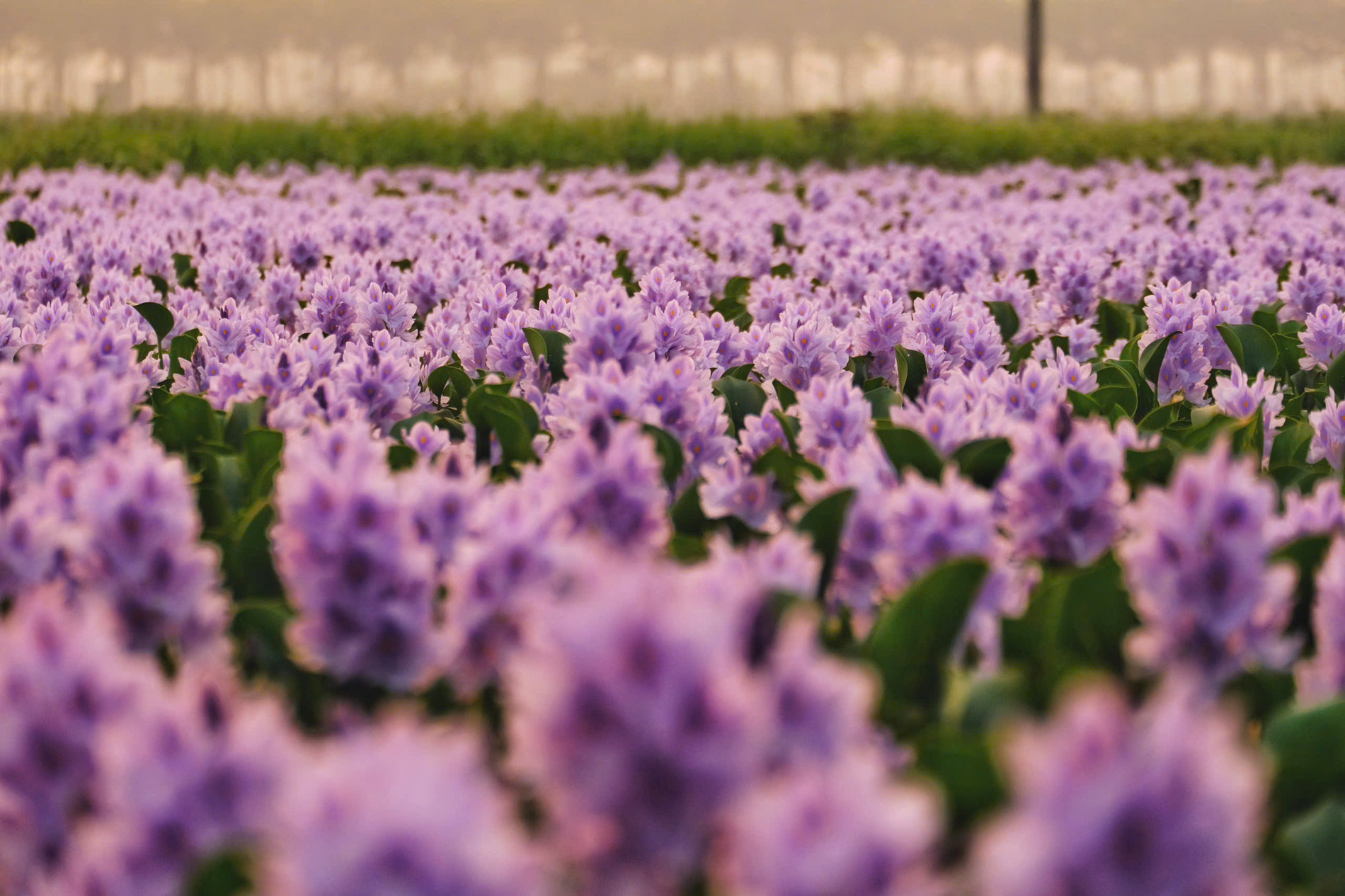
During a recent visit, freelance photographer Pham Quang Tuyen, 31, expressed his amazement at the scenery.
“The color and beauty of water hyacinths have a very distinct character, inspiring both visitors and photography enthusiasts,” he said.
Traveling from the former Hoang Mai district to Tam Hung, he covered a distance of about 16km. The route, he noted, is wide, open, and convenient, with the flower field located right beside a main road, making it easy to find.
“For directions, you can simply search for ‘T16 detention facility’ on the map to reach the area,” he added.
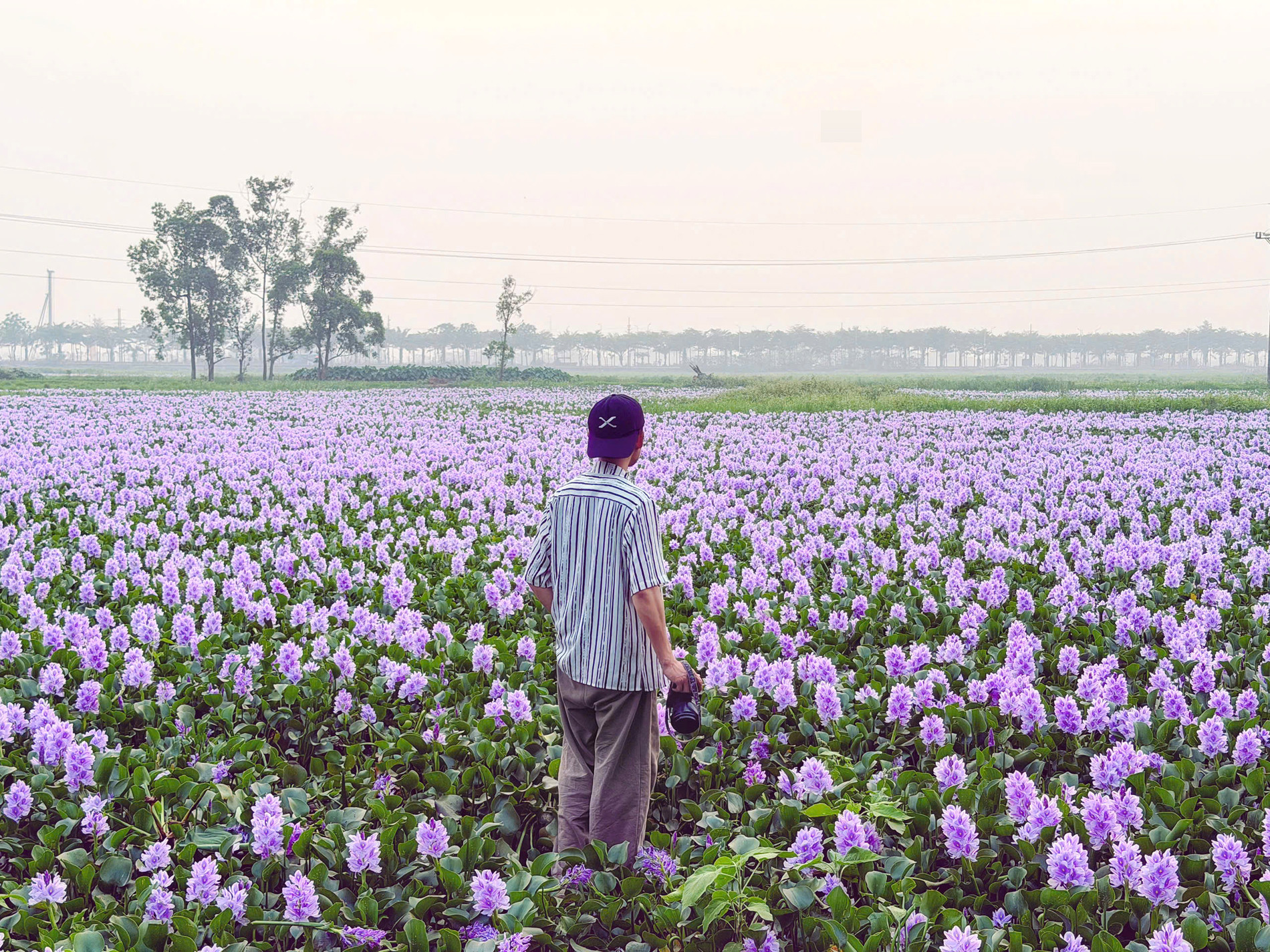
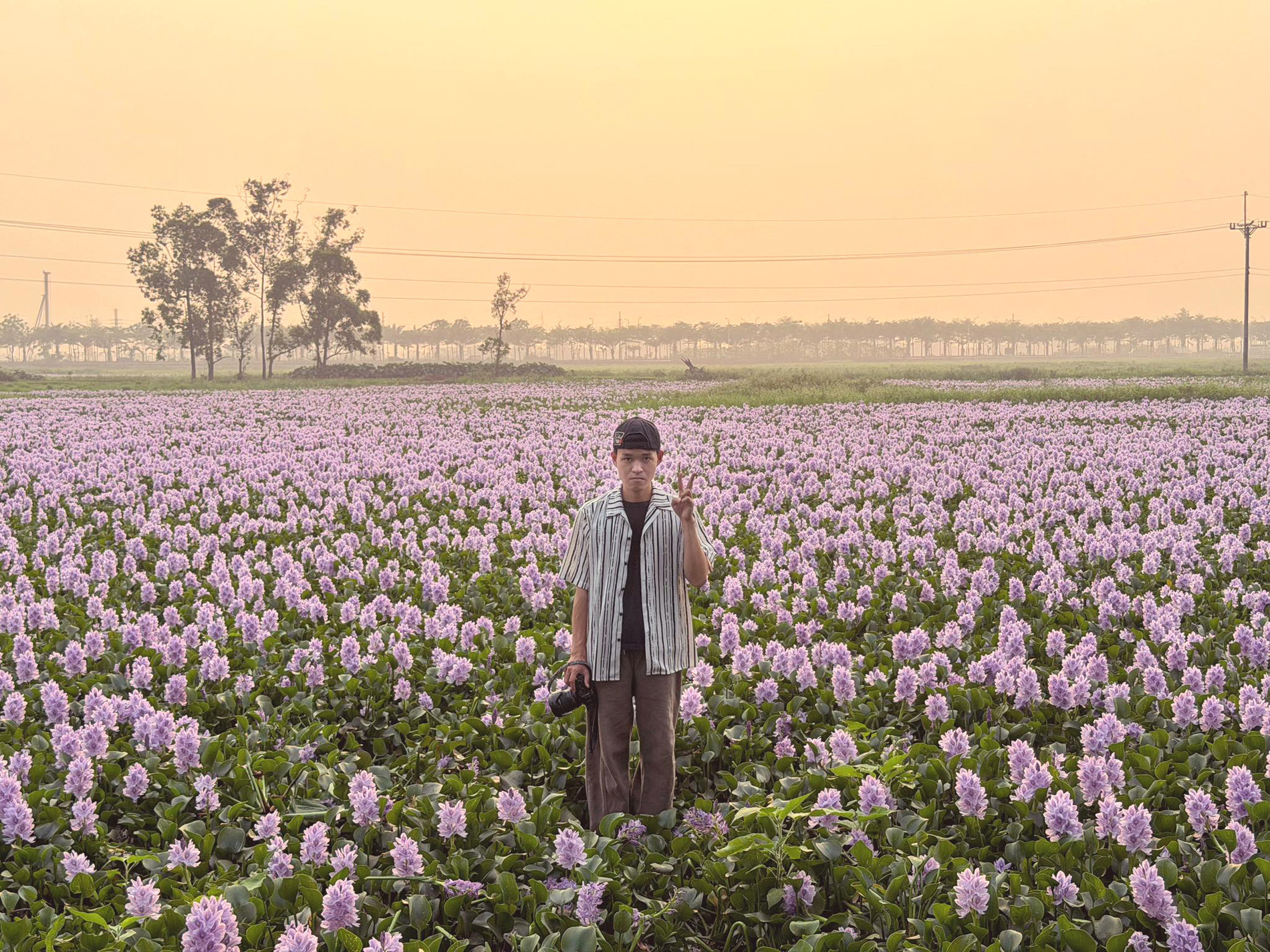
The field spans a considerable area, with wooden planks placed in some sections, allowing visitors to move across and take photos more easily.
However, as the site consists of waterlogged farmland, visitors are advised to tread carefully and choose stable footing to avoid accidents.
According to Tuyen, the ideal time for photography is early morning, from 6am to 9am, or late afternoon, from 4pm to 6pm, when the weather is cooler and sunlight softer.
As the destination sits close to a main road, visitors are also reminded to ensure traffic safety, park in designated areas, and avoid littering.
Beyond its visual appeal, water hyacinth also plays a practical role in daily life. Locally, it is used as livestock feed, for mushroom cultivation, and as organic fertilizer.
After drying, its fibers can be woven into ropes, mats, and various handicrafts.
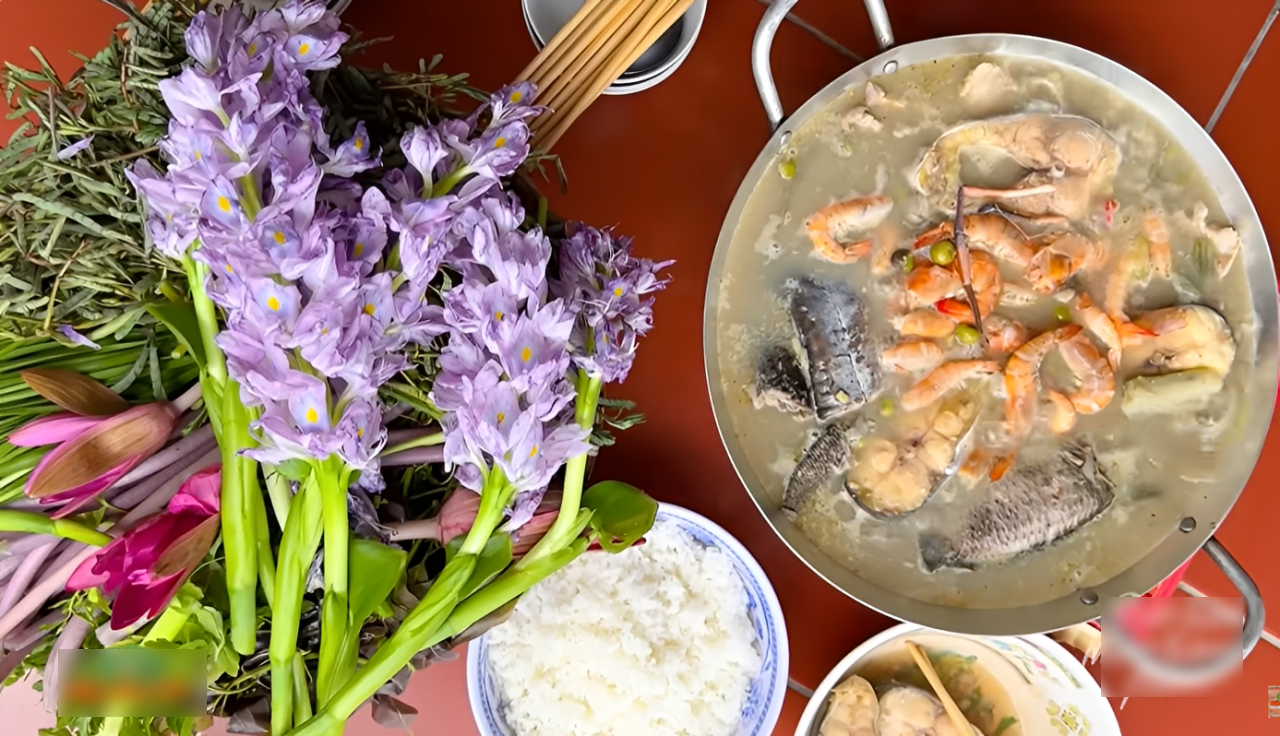
The flower itself, being the youngest part of the plant, is also used in cooking. Locals often prepare it fresh in dishes such as hotpot, salads, or as an accompaniment to braised fish or meat.
For those visiting the area, there is also an opportunity to sample dishes made from water hyacinth at local eateries or combine the trip with visits to nearby sites such as Boi Khe Pagoda and Dai Dinh shrine.
Photos: Tuyen Parafu
.svg)
