 Vietnamnet.vn

 Podcast



Three years after being delisted, Vietnam's ANI has unexpectedly returned to the spotlight as its shares have nearly tripled within weeks of relisting on the UPCoM market, lifting the company's market capitalization above VND1.1 trillion (US$42 million) despite extremely low trading volumes.
Only a few hundred shares change hands each session
Shares of ANI JSC continued to attract investor attention after hitting the daily ceiling of 15% on July 14, closing at VND46,000 per share. The rally marked the stock's sixth limit-up session since it began trading on UPCoM in June, following five consecutive ceiling gains earlier in July.
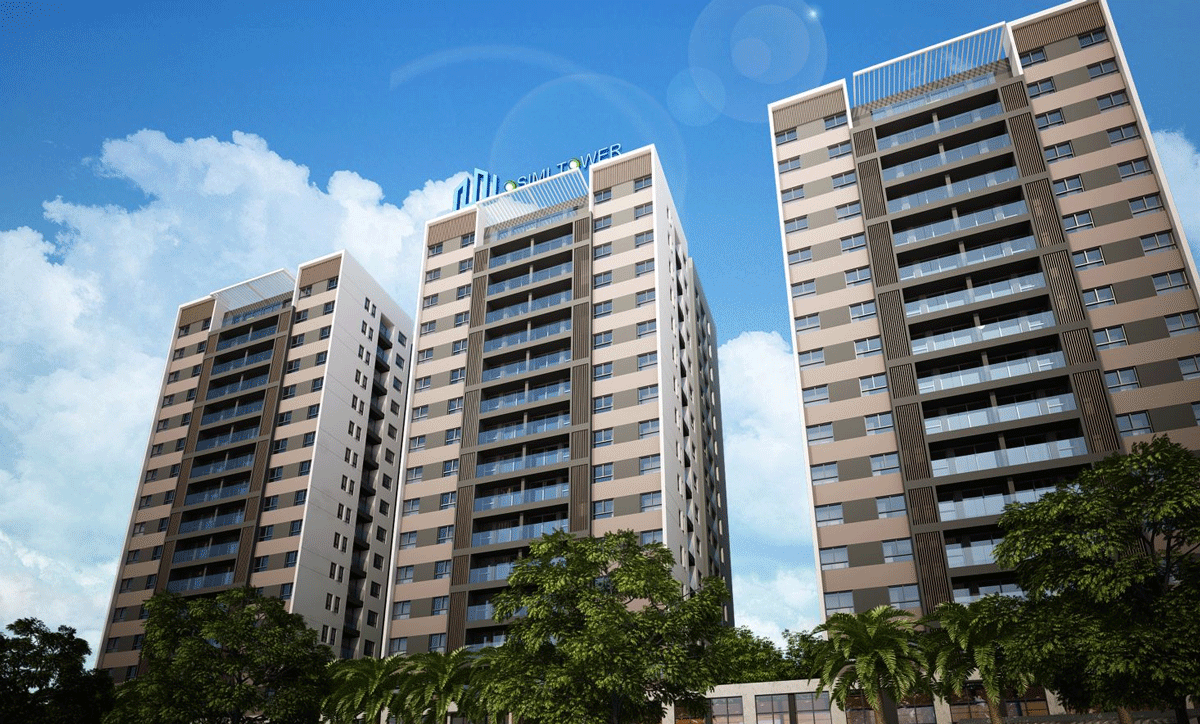
Compared with its reference price of VND16,000 when it debuted on UPCoM, ANI's share price has climbed nearly 2.9 times in a short period, boosting the company's market capitalization to more than VND1.1 trillion (US$42 million) even though daily liquidity remains extremely limited, with only a few hundred shares changing hands each session.
Behind the share-price surge lies a corporate restructuring process that has taken several years.
ANI traces its origins to the Ho Chi Minh City branch of Song Da Corporation, established in 1993. Following its equitization in 2003, the company was listed on the Hanoi Stock Exchange (HNX) in late 2006 under the ticker SIC, focusing primarily on construction, hydropower investment, real estate and infrastructure.
A major turning point came in 2015 when Song Da Corporation divested its entire stake, ending state ownership. Two years later, ANZA JSC became a major shareholder, and the company was subsequently renamed ANI JSC.
By 2021, ANZA had increased its ownership to more than 65%. It currently holds approximately 73.3% of the company's charter capital, making it ANI's parent company with controlling interest.
The concentrated ownership structure meant ANI no longer met the public shareholder requirements applicable to listed public companies. As a result, SIC was delisted from HNX in July 2023.
After once again satisfying the requirements for public company status, ANI received approval from Vietnam's State Securities Commission and resumed trading on UPCoM.
Beyond its new name and stock market return, ANI has evolved into a diversified investment group with energy as its core business.
Assets approach US$180 million, but debt remains significant
Following its restructuring, ANI now directly owns eight subsidiaries and one affiliated company.
Energy has become its largest business segment through subsidiaries including ANI Power and Dong Nai Energy Investment. Together, they operate four hydropower plants: Krong K'mar (12 MW), Pleikeo (10.5 MW), Dam Bri 1 (7.5 MW) and Phu Tan 2 (93 MW). The company is also studying expansion into wind power through the Chu Prong project in Gia Lai Province.
These assets are expected to generate relatively stable cash flows through long-term power purchase agreements. As Vietnam's electricity demand continues to grow and the country's Power Development Plan VIII prioritizes renewable and cleaner energy sources, small and medium-sized hydropower projects are generally viewed as having favorable long-term prospects, provided hydrological conditions remain supportive.
However, hydropower remains vulnerable to rainfall fluctuations, El Niño and La Niña weather patterns, as well as changes in electricity market regulations. As a result, earnings may vary considerably from year to year.
In real estate, ANI owns nearly all of ANI Bien Hoa, a subsidiary with charter capital of VND600 billion ( US$23 million). The company has previously developed projects including Song Da Tower, Song Da IDC Tower and Phu My Apartment, and is preparing to launch the Buu Long residential complex in Dong Nai Province, covering approximately 5.8 hectares with an estimated investment of VND3 trillion (US$115 million).
The outlook for its property business will depend largely on legal approvals, capital mobilization and the pace of recovery in Vietnam's real estate market.
ANI has also diversified into tourism through the Thac Ba Giot Ecotourism Area and financial investment through its affiliated company IDS.
Following restructuring, the company's scale has expanded significantly. In 2025, ANI reported revenue of more than VND663 billion (US$25 million), up nearly 22% year on year. Net profit reached almost VND239 billion (US$9.2 million), the highest level in many years. Total assets rose to more than VND4.66 trillion ( US$179 million), nearly five times the size of shareholders' equity.
Nevertheless, its financial position also highlights several challenges. Total liabilities climbed to nearly VND3.7 trillion (US$142 million), accounting for a substantial share of its capital structure. Financial expenses reached almost VND185 billion (US$7.1 million) in 2025, reflecting a relatively high level of financial leverage.
In the first quarter of 2026, ANI reported a loss of more than VND10 billion (approximately US$385,000), indicating that earnings remain sensitive to the seasonal nature of hydropower generation, the timing of real estate revenue recognition and borrowing costs.
The stock's near-threefold rally within a short period reflects strong investor expectations following ANI's restructuring. However, trading liquidity remains extremely limited. To justify its current valuation, the company will need to demonstrate its ability to sustain earnings growth, reduce financial leverage and successfully execute major projects across its portfolio, particularly in its two core businesses of energy and real estate.
Manh Ha
.svg)
