 Vietnamnet.vn

 Podcast


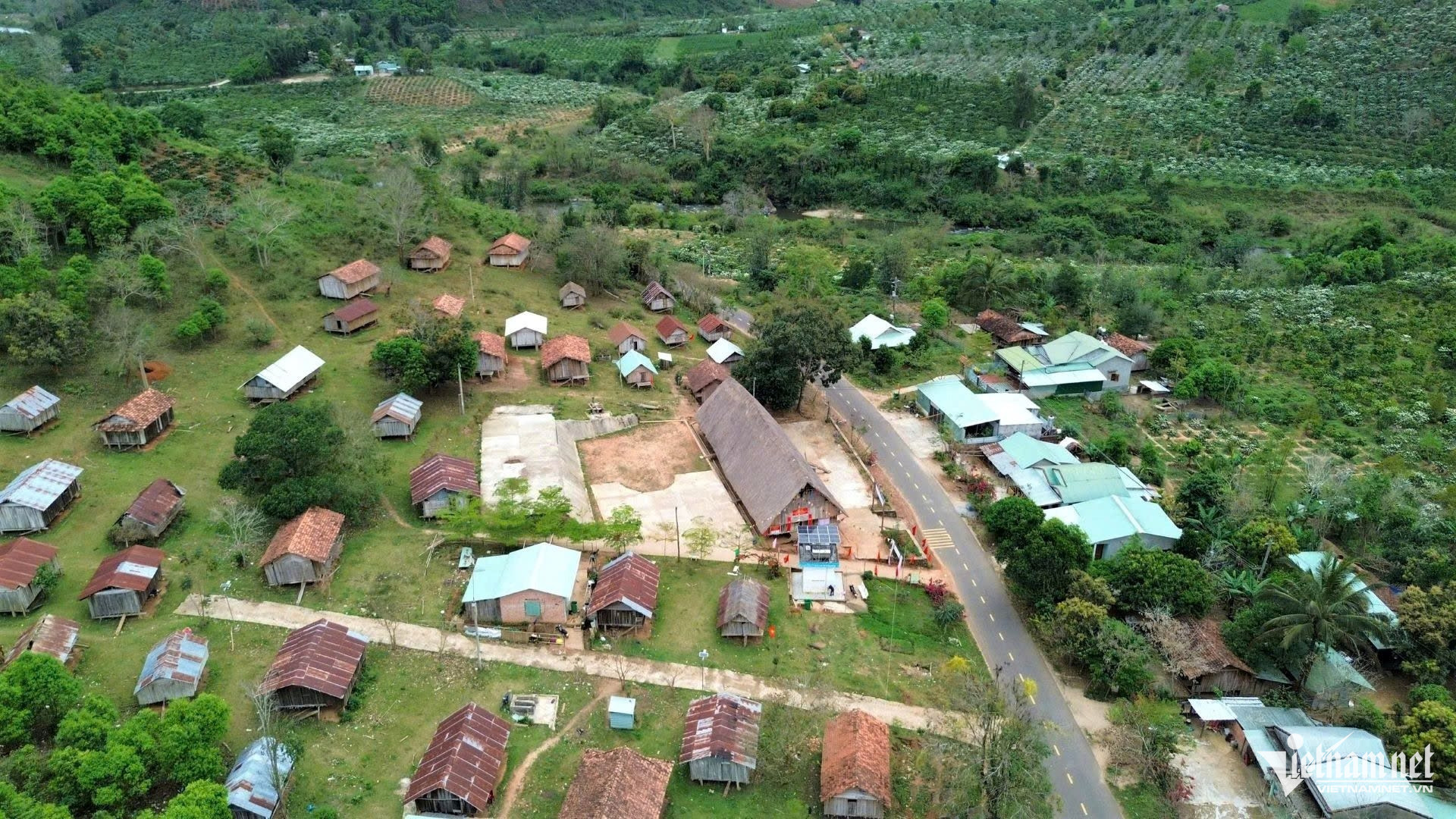
Kon Go village in Dak Rve commune, Quang Ngai province, is home to members of the Ba Na’s Gio Lang subgroup. Photo: Ngoc Chi.
As rice plants begin forming grain heads, the Gio Lang subgroup of Vietnam’s Ba Na people gathers for Et dong, a bamboo rat festival that brings families home and carries prayers for abundant harvests.
In Dak Rve commune, Quang Ngai province, the Et dong ceremony, also known as the bamboo rat festival, marks a sacred moment in the agricultural calendar.
The bamboo rat as a symbol of diligence
For generations, Ba Na communities in the villages of Kon Go, Kon Gop and Kon Tuc in Dak Rve have held the festival in early October, when rice stalks have grown firm and grain heads begin to develop, to honor the deities of nature.
Y Broi, a village elder in Kon Go, said the bamboo rat is regarded in Ba Na culture as a gentle animal that eats only bamboo and grass roots and does not damage villagers’ crops.
“The Ba Na also see the bamboo rat as a symbol of diligence and hard work, bringing good fortune, fertility, prosperity and peace to the village,” he said.
Before the festival, village elders assign young people to gather bamboo from the forest to make ceremonial poles. These are erected in front of the rong, the communal house, and at the village entrance to welcome visitors arriving from afar for the celebrations.
“What makes the ceremonial poles at this festival special is the rice-ear motif. Rice provides the food that keeps our village well fed,” Y Broi explained.
On May 31, 2021, the Ministry of Culture, Sports and Tourism announced the addition of 10 traditions to Vietnam’s national intangible cultural heritage list, including the Et dong festival of the Ba Na’s Gio Lang subgroup.
In preparation, each family tries to find at least one bamboo rat while visiting the forest or tending upland fields. The animal is cleaned and gutted, salted, boiled and hung above the kitchen hearth until the festival. Families also prepare a jar of their best wine. Both are essential offerings to Yang, the deity invoked during the ceremony.
A time for families to reunite
For the Gio Lang community, the bamboo rat festival is also a family reunion. Villagers working far from home and those who have married and settled elsewhere return to gather with their relatives.
The celebrations last two days and two nights, with the entire village taking part.
The first day centers on the family. Relatives gather at their clan houses around the rong to prepare offerings that will later be taken to the communal house.
A Xoan, a village elder in Kon Gop, said all the village’s clans gather at their respective houses on the first day. Alongside preparing offerings, families cook and share meals.
For the main ceremony at the rong, each family brings a jar of ruou can, wine drunk through long straws, a bamboo rat, a roll of thread, a few grains of rice, a bundle of fresh banana leaves and bamboo tubes.
The bamboo rat is tied to a bamboo stick and decorated from head to tail with colorful beads symbolizing the community’s farming and upland cultivation.
A beeswax lamp is fastened to the pointed top of the stick. The bamboo also carries a bow-shaped symbol to ward off misfortune and a little cotton to express hopes for the household’s prosperity.
Dinh Thoi, a resident of Kon Gop, said rice grains are indispensable alongside the bamboo rat and wine.
“My family has 10 people, so I bring 11 grains of rice. Ten represent the members of the family, and one is offered to the deities,” he explained. “The grain offered to the deities expresses our gratitude for helping the family enjoy abundant harvests, enough food and a comfortable life.”
A ritual of community solidarity
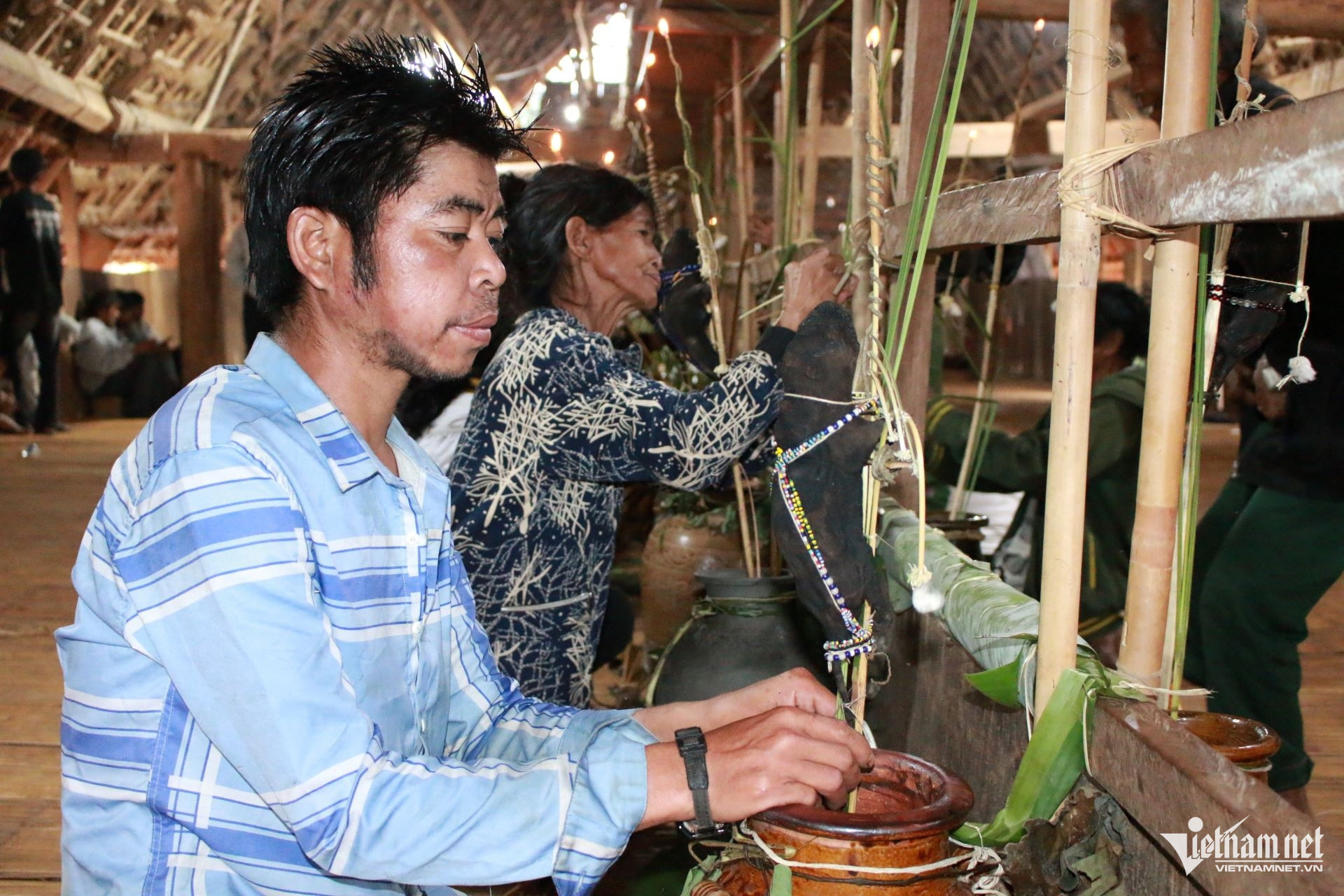
When the ceremony begins, the village elder is the first to bring his offerings to the rong. His wine jar is placed at the center of the communal house and secured to its main pillar.
Following an established order, each household then draws a thread from the pillar holding the elder’s wine jar to the post where its own jar is secured.
Y Broi explained that the practice strengthens the community’s spirit of solidarity.
It also symbolizes guiding the rice from a plentiful harvest into every home, carrying wishes for good fortune and abundance to all.
Once everything is ready, the elder conducts the ceremony on behalf of the village, praying to the deities for favorable weather, plentiful harvests and freedom from illness.
“The bamboo rat festival is the most important celebration for our Ba Na community. Only after it has been held may families undertake major events, such as building a new house, repairing an old one, holding a wedding or buying buffaloes and cattle,” said A Xoan.
Beyond prayers for a good harvest, the festival passes on important lessons. Through it, the Gio Lang community reminds younger generations to respect nature, care for and support one another, and work diligently toward a more prosperous and happy life.
In Ba Na culture, the bamboo rat is regarded as a gentle animal that does not damage villagers’ crops. Photo: Ngoc Chi.
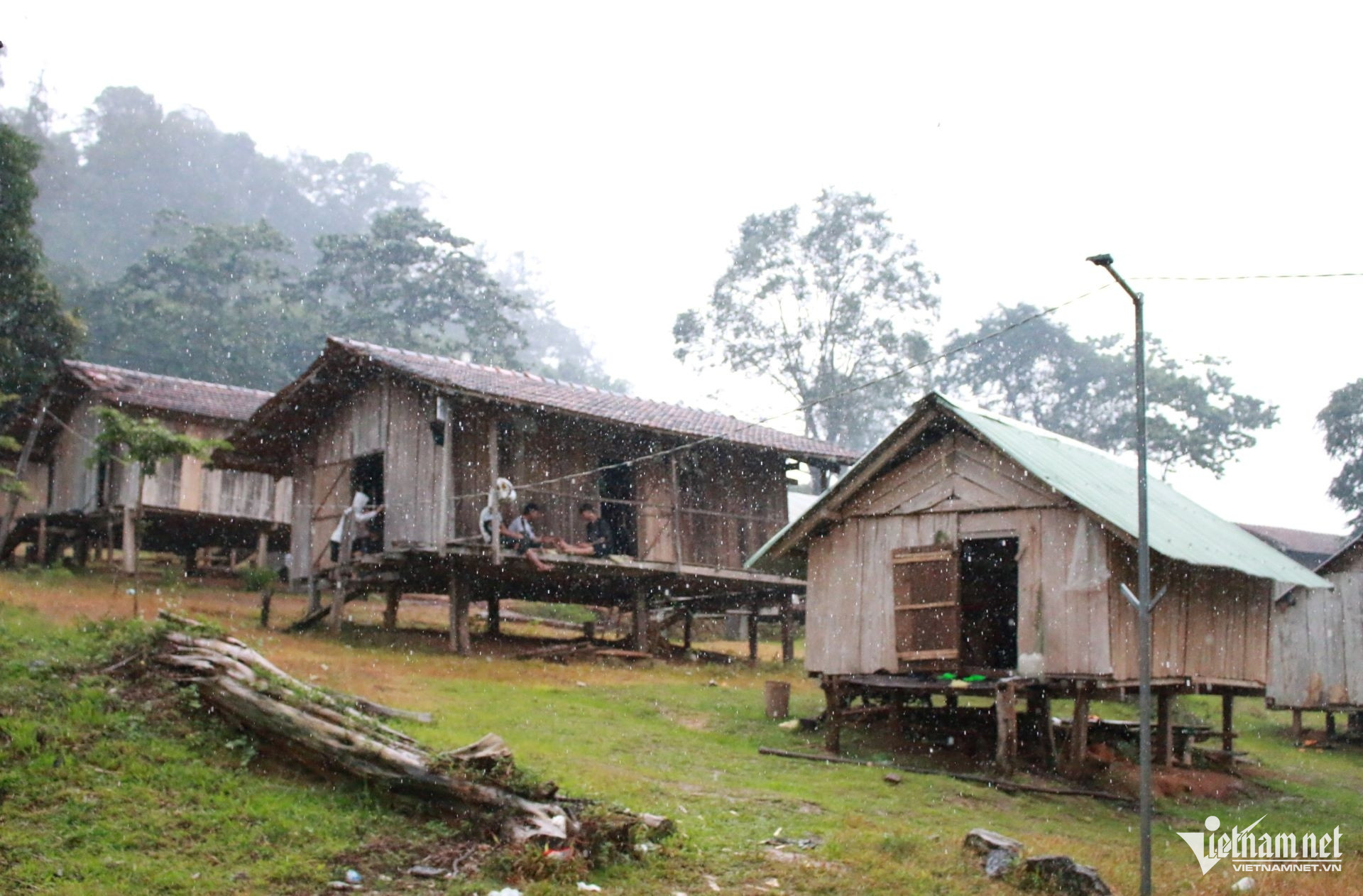
Families gather at clan houses surrounding the rong communal house to prepare offerings for the Et dong ceremony. Photo: Ngoc Chi.
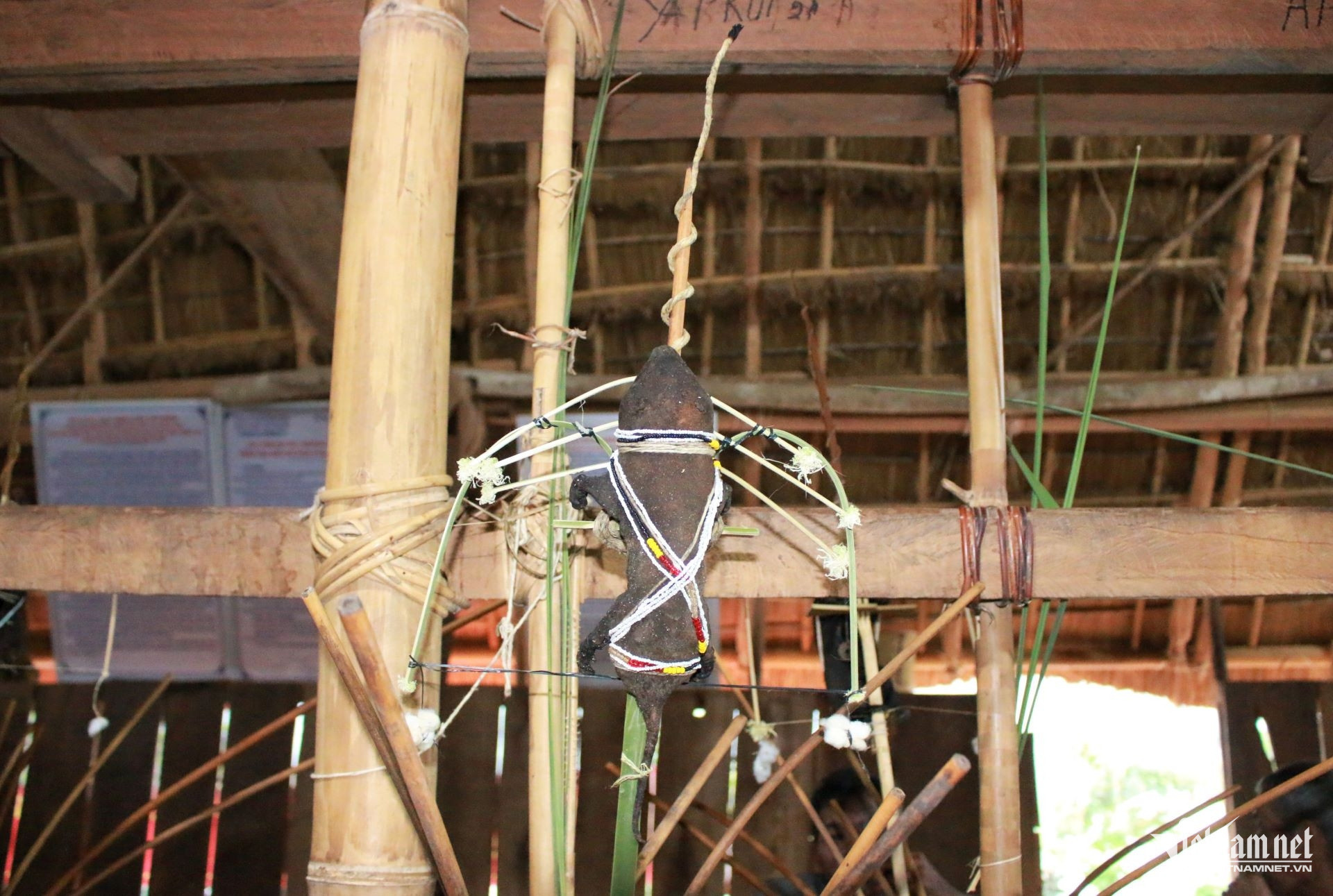
The bamboo rat is decorated with colorful beads symbolizing the Ba Na community’s farming and upland cultivation. Photo: Ngoc Chi.
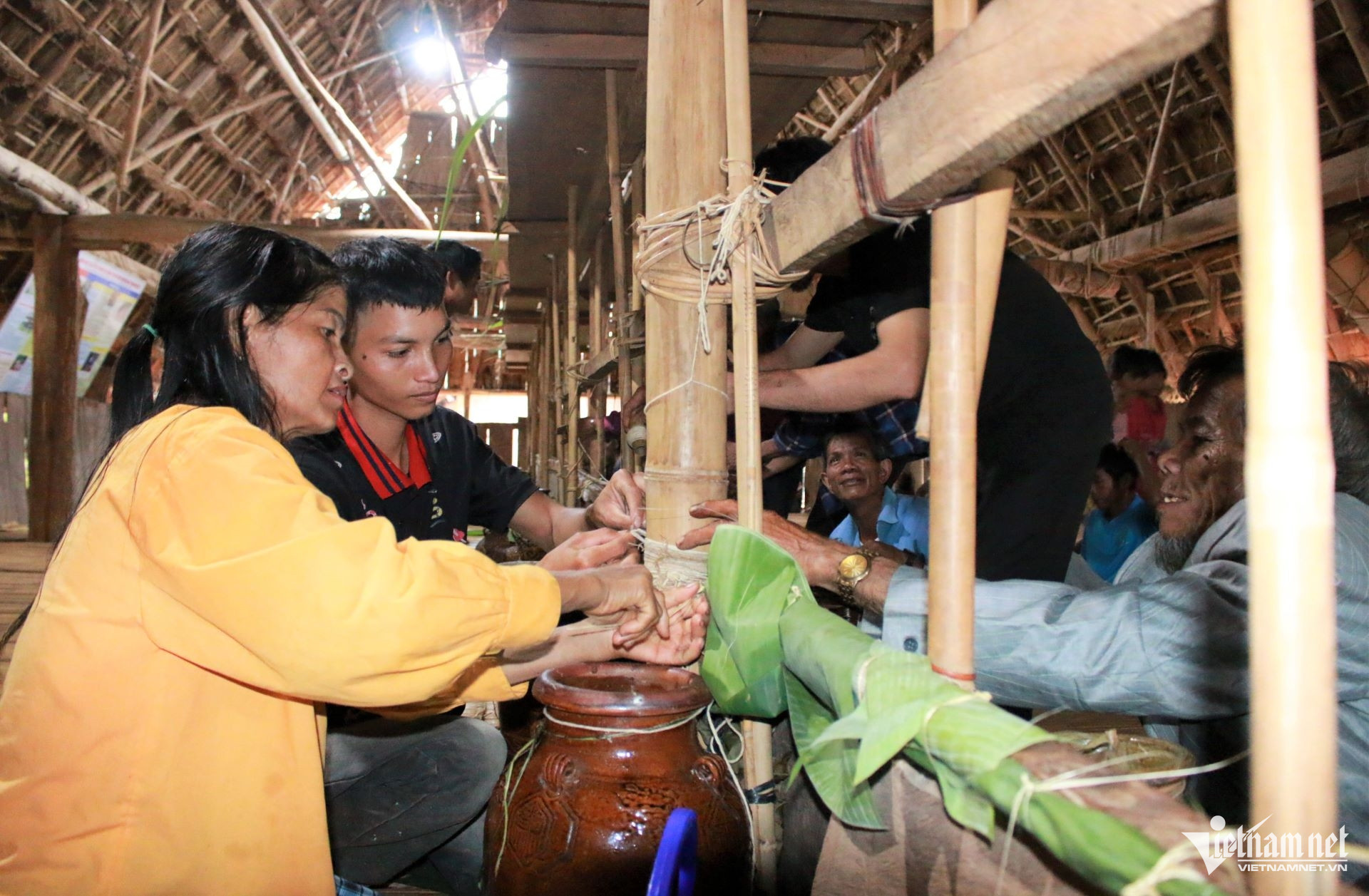
Kon Go village elder Y Broi, wearing yellow, secures his wine jar first. Other households then draw threads from his pillar to the posts holding their own jars. Photo: Ngoc Chi.
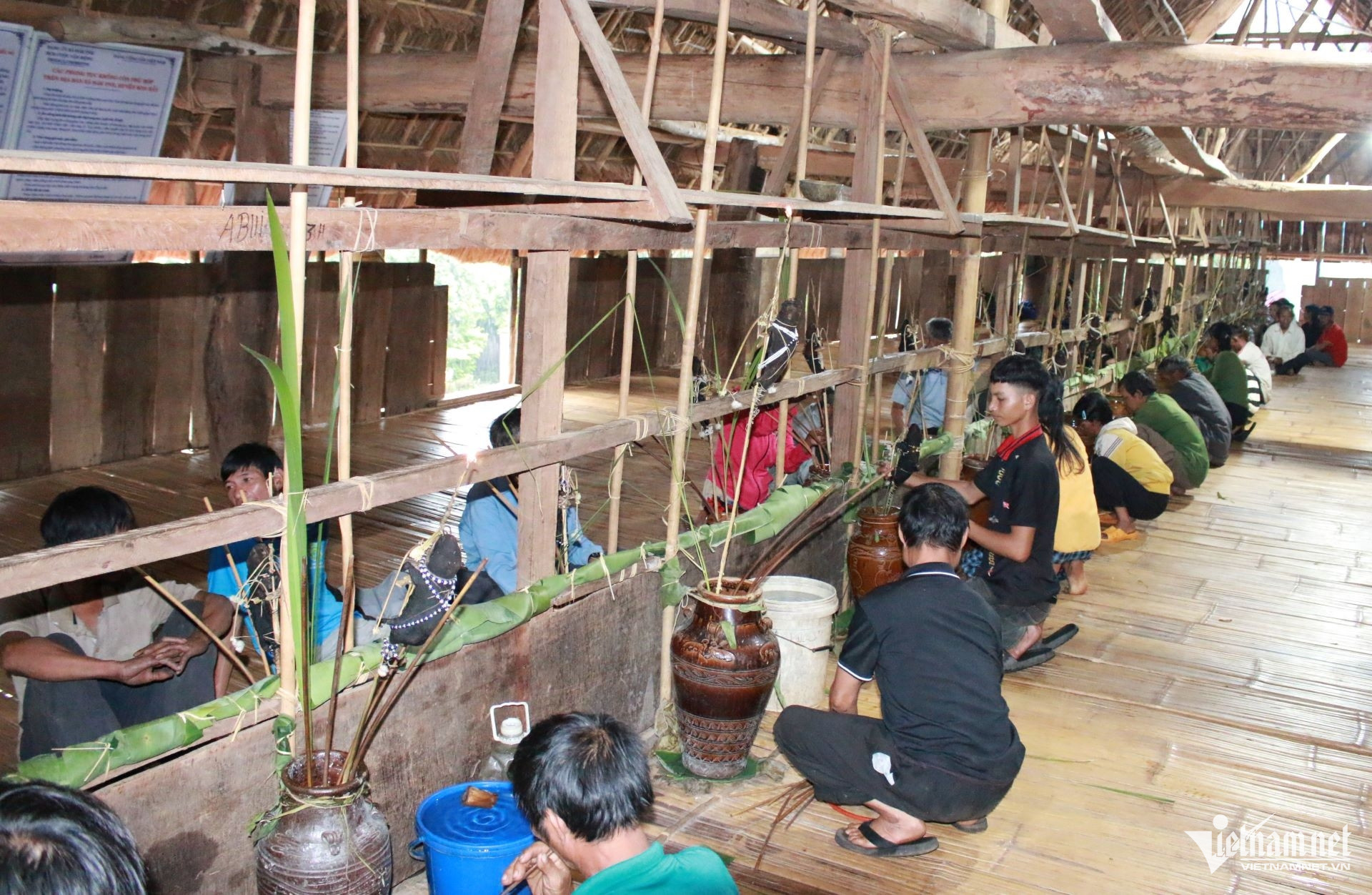
The bamboo rat festival is the most important celebration of the Ba Na’s Gio Lang subgroup. Photo: Ngoc Chi.
Ngoc Chi

