 Vietnamnet.vn

 Podcast



Le Duong
This unique tourism offering - part heritage journey, part rural escape - lets visitors slow down and absorb the timeless rhythm of Vietnamese village life.
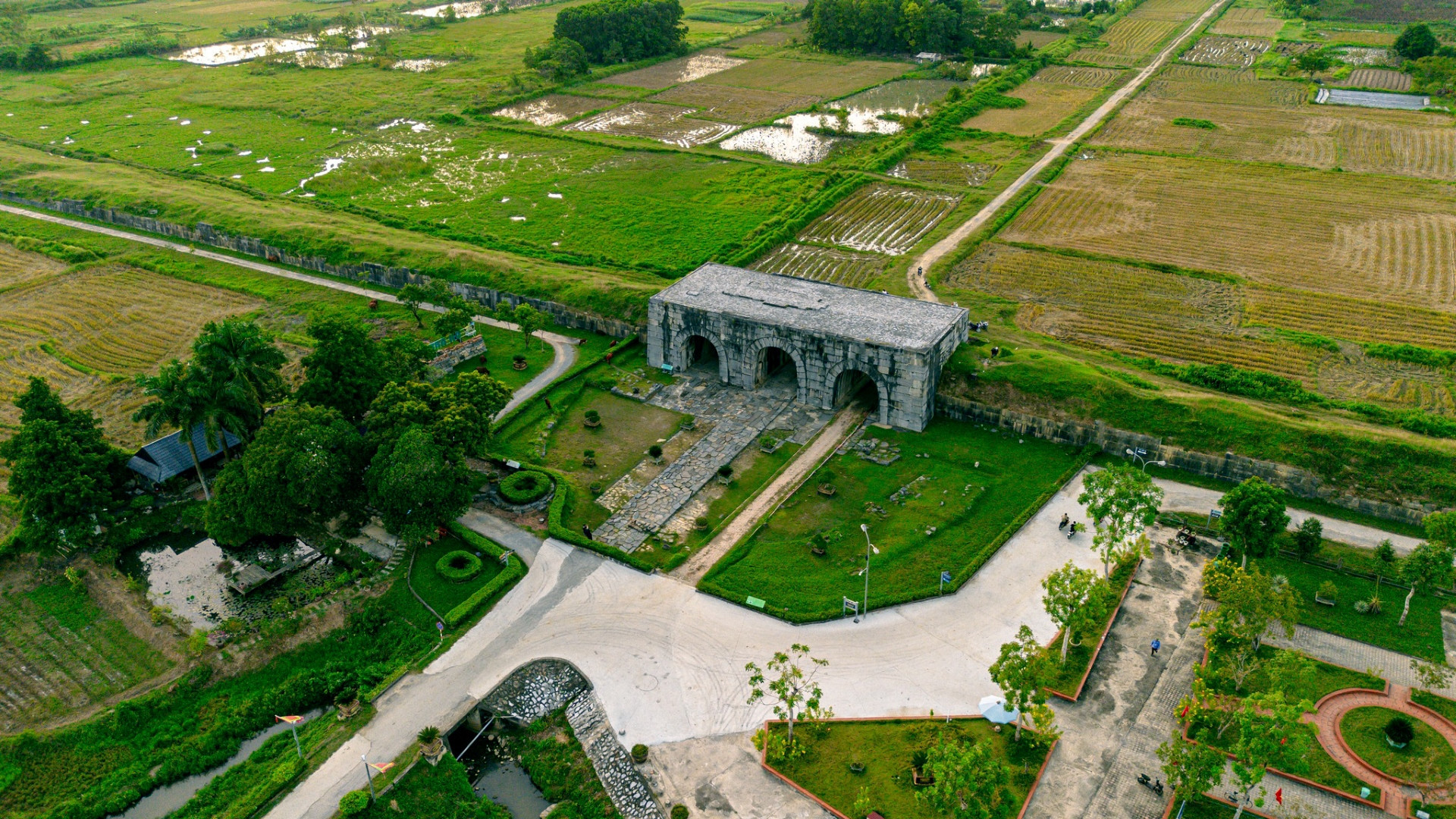
On a crisp early winter afternoon, sunlight streamed gently over the paddies surrounding the citadel, which was designated a UNESCO World Heritage Site in 2011.
Tourists from across Vietnam gathered in Tay Do commune, drawn by the novelty and nostalgia of a simple buffalo cart ride.
Nguyen Huu Duong, a visitor from Hanoi, shared his reflections as he sat atop a cart pulled by a slow-moving buffalo.
Born in rural Thanh Hoa, he left after university for life in the capital.
“Whenever I return home, it’s like being transported back to childhood,” he said.
“Riding a buffalo cart brings back all the sounds I thought I’d forgotten - the creak of wooden wheels, the soft thud of hooves, the breeze through bamboo, the distant laughter of children.”
“It’s an experience you can’t find in the city. It’s something very special,” Duong added.
According to Nguyen Van Long, deputy director of the Ho Citadel Heritage Conservation Center, tourists have a few options for exploring the area - bicycles, electric shuttles, and the now-famous buffalo carts.
But it’s the carts, operated by local farming families, that have captured hearts and headlines.
Each ride lasts between 30 to 45 minutes, winding along the old stone ramparts, cutting through emerald rice fields, and meandering down narrow dirt paths etched by generations of villagers.
A highlight of the journey is when the cart pauses at a picture-perfect spot, allowing guests to admire and photograph the citadel’s imposing gates framed by lush fields.
From that vantage point, the tranquil countryside stretches out like a painting - breathtaking yet serene.
Inside the citadel itself, waves of green rice sway gently, further amplifying the quiet magic of the scene.
This slow-paced, immersive experience not only brings joy to visitors but also supports the community in meaningful ways.
“Beyond the income it provides locals, the buffalo cart service helps introduce Ho Citadel in a more intimate and authentic way,” Long explained.
“In the past, visitors often came for a quick visit to the monument and left. Now they stay longer, explore the surrounding village life, and enjoy regional specialties like banh rang bua (rice flour cake), che lam (peanut ginger candy), and com dot ong nua (bamboo-tube rice).”
This blend of heritage tourism and community-based travel is pointing the way forward for sustainable development in the area.
It preserves the site’s cultural significance while generating local livelihoods and offering travelers deeper, richer experiences.
For many, the sound of a buffalo’s hooves echoing across the fields may seem simple.
But beneath that simplicity is a powerful sense of place, history, and belonging.
And in the shadow of Ho Citadel’s enduring stone walls, that feeling lingers - long after the ride ends.
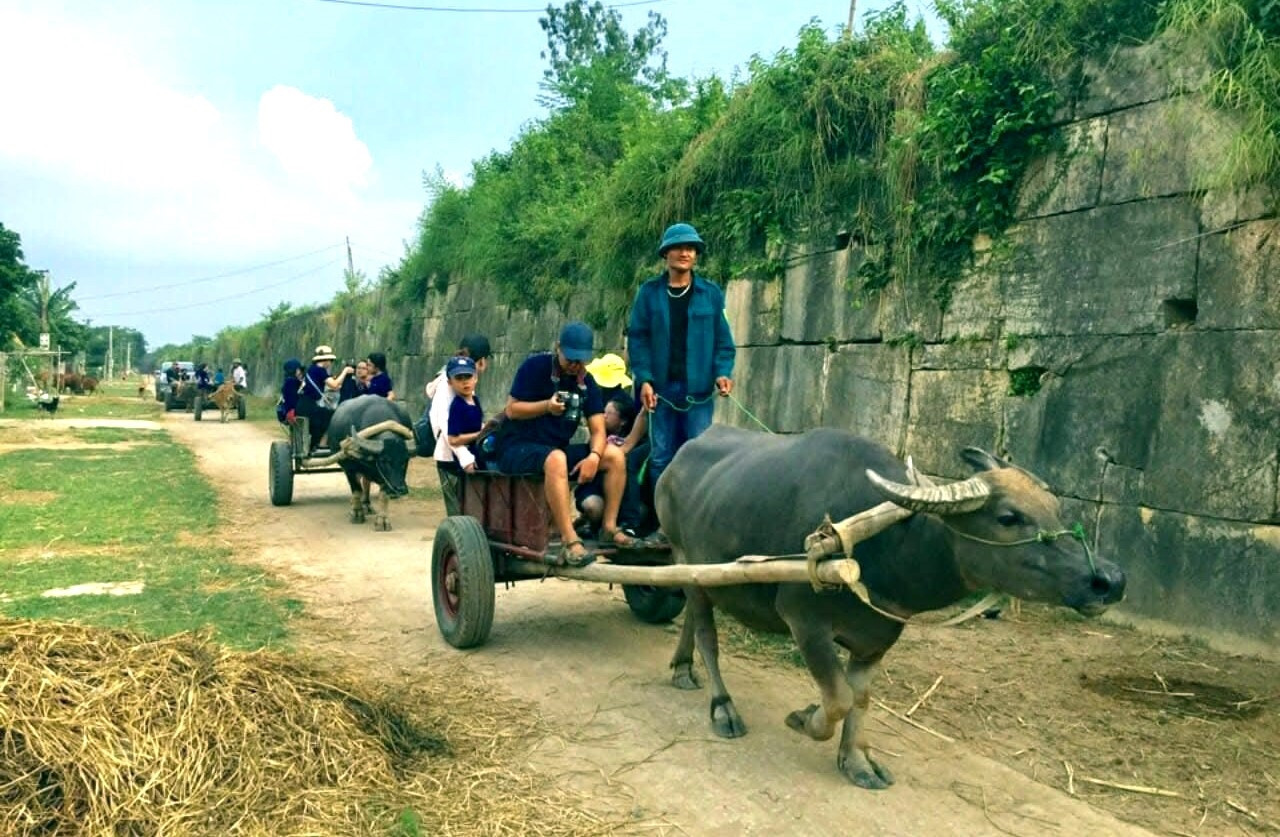
Tourists enjoy a buffalo cart ride through the ancient landscape.

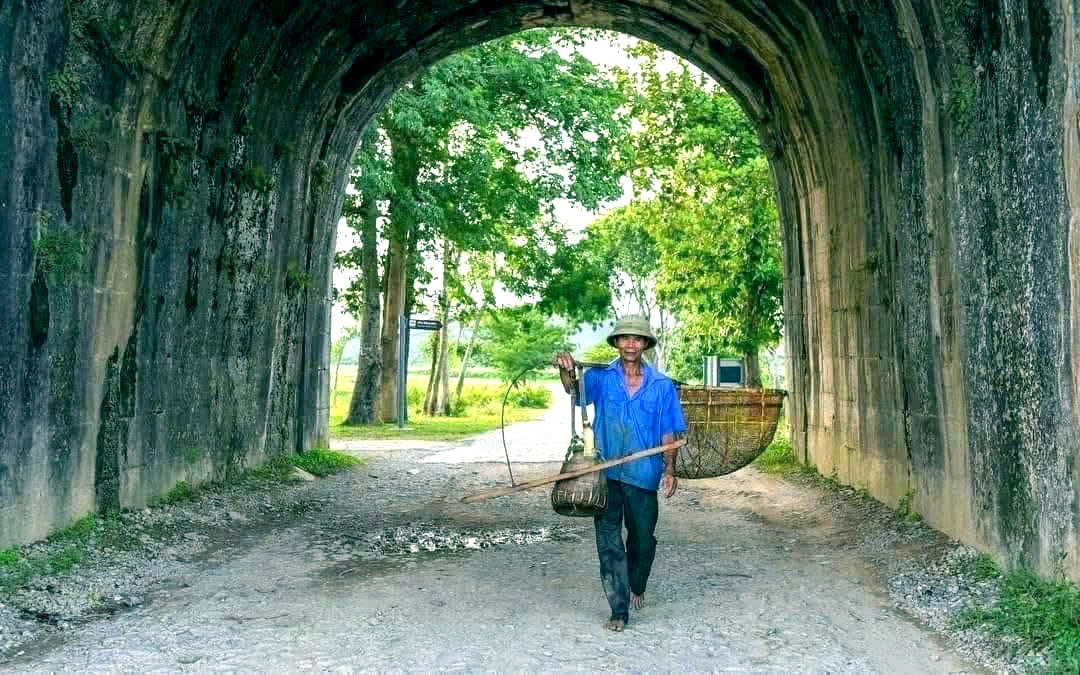
Inside the citadel, lush green rice fields create a peaceful countryside scene.

.svg)
