 Vietnamnet.vn

 Podcast



A long-standing and unique tradition among the M’Nong people of the Central Highlands, the water source offering ritual holds deep spiritual significance.
More than just a religious practice, it serves to educate younger generations on the importance of protecting water sources, forests, and the surrounding ecological environment.
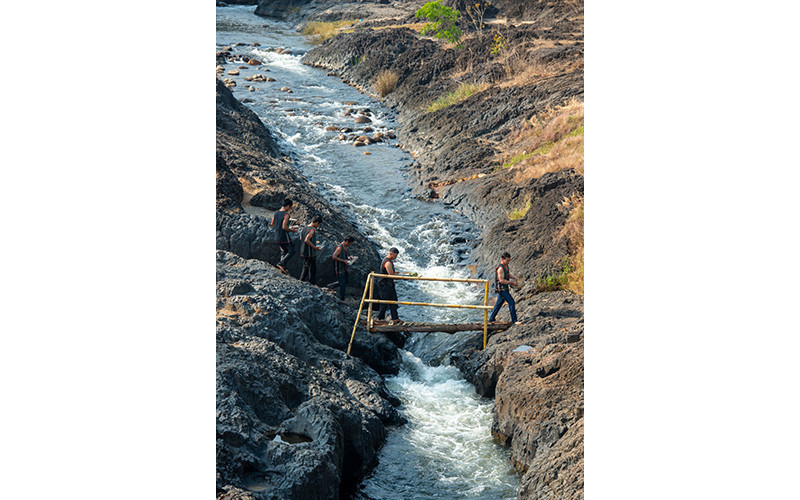
Due to their traditional practice of shifting cultivation and migration, the M’Nong people historically sought new lands to settle.
A key requirement for choosing a new location was the availability of clean water. Once a suitable source was found, they would establish a water intake area and organize a sacred ritual.
Each year, typically after the harvest season, the village elder, the water source guardian, and community members invite a shaman to conduct the ceremony.
Its purpose is to thank the deities (Yang) for blessing them with clean water, favorable weather, good health, and prosperity for the families and the village.
Following tradition, on the day of the ritual, the M’Nong people living by Lak Lake (Lak District, Dak Lak Province) rise at dawn and gather at the shaman’s house (Drah) to prepare offerings.
The shaman, together with villagers, carries the offerings and invites the ceremonial master to Dak Hoa spring in Pai Ar hamlet, Dak Phoi commune, Lak District, to begin the ritual.
The offerings are solemnly arranged opposite the stream, where water flows from the mountain: a pig’s head, a large bowl of pig blood mixed with wine, a bowl of pork and liver, a large serving bowl, three jars of rice wine, fruits, and other items.
Ceremonial master Y Bal Ong, a highly respected figure in the village, recites prayers, flanked by an assistant and the village elder. As the prayers end, a gong ensemble plays the "Ngan" tune to invite the deities to the ceremony.
After the chant and gong performance, the shaman pours part of the pig blood mixed with wine into the spring while praying for divine protection, good health, and a steady supply of clean water for daily life and farming.
Then, the shaman, his assistant, and the elder carry the remaining blood-wine mixture back toward the village. At the first crossroad, they pour out another portion and recite the family lineages residing in the village, informing the deities that these families have made offerings, expressed gratitude for blessings of health and prosperity, and asked for continued protection. Finally, at the village’s welcome gate, they pour the rest of the mixture and offer a final prayer to expel evil spirits and misfortune from the community.
Upon completing the ritual, the shaman is forbidden to return to the water source and must head straight back to the village.
There, the gong team plays celebratory tunes as young men and women dance to the rhythm in the joyful "Xoang" dance. Mats are laid out, and ritual offerings are served to all villagers and guests in a festive atmosphere.
The occasion becomes a meaningful community gathering, bringing people together to reflect on the past year and share about life and agricultural work.
PV
.svg)
