 Vietnamnet.vn

 Podcast



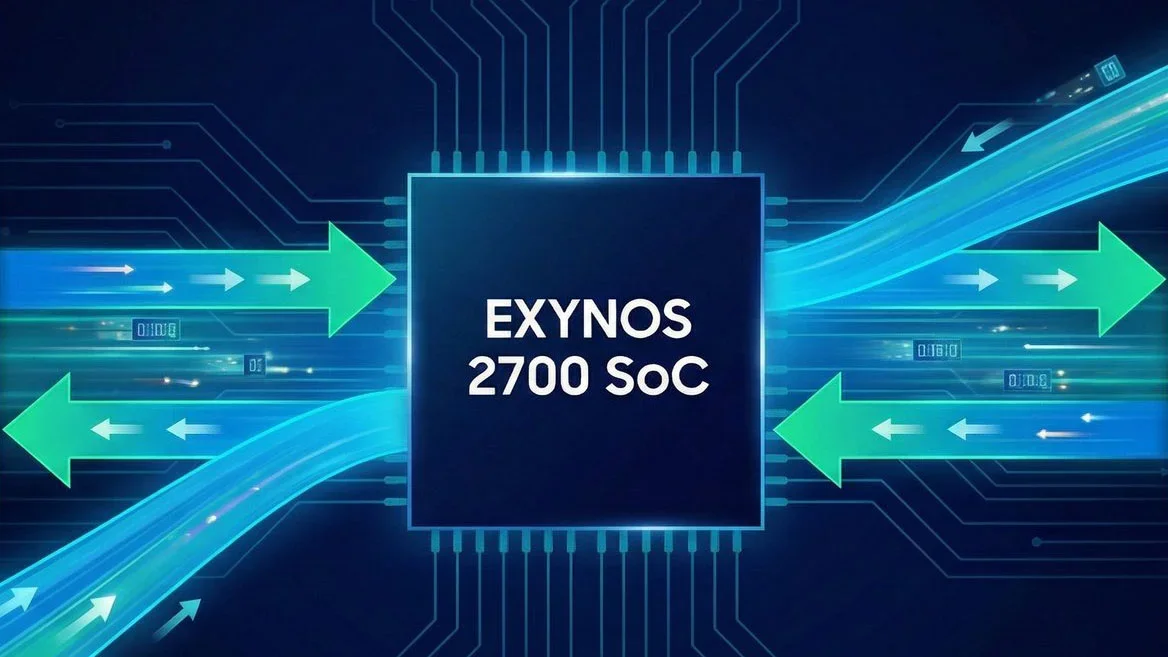
Early benchmark reveals initial performance
The Exynos 2700 recently appeared in benchmark results on Geekbench, marking its first recorded performance test. According to leaks shared by tech insider Abhishek Yadav, the chip features a 10-core CPU configuration, consistent with earlier rumors.
In testing, the processor achieved 2,603 points in single-core and 10,350 points in multi-core performance. While these figures are not yet competitive with current flagship chips, they reflect an early-stage prototype rather than a finalized product.
The test device reportedly ran Android 16 with 12GB of RAM and included a CPU layout with one prime core at 2.78GHz, four performance cores at 2.88GHz, one efficiency core at 2.30GHz and four additional efficiency cores at 2.40GHz.
Graphics processing is handled by the new Xclipse 970 GPU, which is expected to deliver significant improvements over previous generations.
Built on next-gen 2nm technology
Samsung is expected to manufacture the Exynos 2700 using an advanced 2nm process, following the Exynos 2600. This new process could deliver up to 12% performance gains while reducing power consumption by around 25%.
The company is also reportedly working toward greater independence in GPU development. Unlike previous Xclipse chips developed in collaboration with AMD, the Xclipse 970 may be fully designed in-house—giving Samsung more control over performance optimization.
Facing intense competition
Despite promising signs, Samsung faces stiff competition from rivals. Qualcomm is expected to launch its next flagship chip, Snapdragon 8 Elite Gen 6, while Apple is preparing the A20 Pro for the upcoming iPhone 18 Pro.
These competitors have consistently outperformed Exynos chips in recent years, which is why Samsung has relied heavily on Qualcomm processors in many flagship models, including high-end variants of recent Galaxy devices.
A potential turning point
If Exynos 2700 meets expectations, it could mark a turning point for Samsung’s in-house chip strategy. A competitive Exynos processor would not only reduce reliance on external suppliers but also increase competition in the premium smartphone market.
Greater competition could drive innovation and potentially lower costs for consumers, while reinforcing Samsung’s position as a fully integrated technology leader.
With further optimization expected before launch, the Exynos 2700 may yet prove to be the breakthrough Samsung has been working toward for years.
Hai Phong
.svg)
