 Vietnamnet.vn

 Podcast


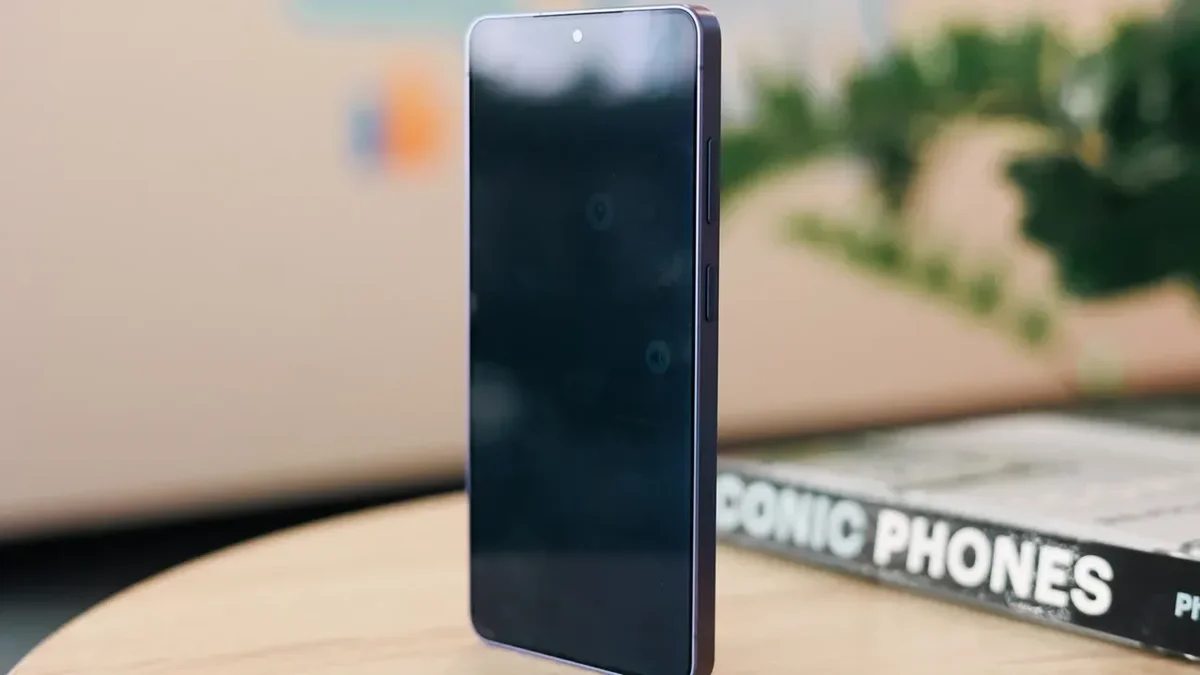
Galaxy S27 Pro could feature Samsung's Privacy Display
According to SamMobile, Samsung is planning to introduce its Privacy Display technology on the Galaxy S27 Pro while developing an upgraded version of the feature for its upcoming Galaxy S27 lineup.
SamMobile did not identify a specific source but claimed to have exclusive information about Samsung's plans to further develop Privacy Display for the next generation of Galaxy smartphones.
If the report proves accurate, the Galaxy S27 Pro would become Samsung's first non-Ultra smartphone to feature the built-in privacy screen technology.
The move would mark a significant expansion of a feature previously positioned as a key selling point of the company's premium Ultra series.
It could also signal a shift in Samsung's product strategy. Rather than reserving its latest innovations exclusively for its most expensive smartphones, the South Korean technology giant appears increasingly willing to introduce selected flagship features on more accessible models to strengthen its competitive position.
Galaxy S27 Pro could offer an Ultra-like experience in a smaller package
The rumored inclusion of Privacy Display on the Galaxy S27 Pro is not entirely surprising.
Earlier reports suggested that Samsung was considering expanding its flagship lineup with a Pro model aimed at consumers who want an experience close to that of the Ultra series without carrying an oversized smartphone.
One of the most noticeable differences between the Galaxy S27 Pro and Galaxy S27 Ultra is expected to be their display sizes.
The Galaxy S27 Ultra is rumored to feature a 6.9-inch AMOLED screen, while the Galaxy S27 Pro could come with a smaller 6.4-inch display.
That would make the Pro model an appealing option for users who value premium smartphone features but prefer a more compact device that is easier to hold and operate with one hand.
Battery capacity could be another distinguishing factor.
The Galaxy S27 Pro is reportedly being considered for a 5,200mAh battery, compared with a rumored 5,700mAh unit in the Galaxy S27 Ultra.
Meanwhile, the Ultra model is expected to retain support for Samsung's S Pen stylus, one of the defining features of the company's top-tier smartphones.
Although full specifications and pricing details have yet to emerge, the Galaxy S27 Pro could occupy an attractive middle ground, combining a more manageable form factor with technologies previously exclusive to Samsung's most expensive flagship devices.
Is Samsung's Privacy Display worth upgrading for?
Despite being one of Samsung's more intriguing display innovations, Privacy Display may not be compelling enough on its own to persuade consumers to buy a new smartphone.
When the technology debuted on the Galaxy S26 Ultra, it attracted considerable attention but also left some users disappointed.
Samsung subsequently introduced software adjustments and improvements to the experience, although real-world performance has reportedly continued to fall short of some expectations.
One of the main limitations concerns viewing angles.
Users cannot assume that enabling Privacy Display will automatically prevent others from seeing sensitive information on their screens.
For example, the technology may make it harder for someone sitting nearby on a train, bus or in another crowded public space to read the display.
However, a person standing behind the user or looking from a favorable angle may still be able to see some of the content.
This means the feature offers an additional layer of visual privacy rather than absolute protection against unwanted viewing.
Consumers using Galaxy smartphones without built-in Privacy Display can also purchase third-party privacy screen protectors for around $15, potentially achieving a similar effect to some extent.
As a result, bringing Privacy Display to the Galaxy S27 Pro and improving the technology on the Galaxy S27 Ultra would represent a noteworthy development, but not necessarily a decisive reason to upgrade.
What matters more is whether Samsung can demonstrate that the next generation of Privacy Display addresses the shortcomings of its initial implementation, particularly in terms of viewing angles, reliability and the protection of personal information in everyday situations.
Until then, the rumored expansion of the technology is best viewed as a promising addition to Samsung's flagship lineup rather than a guaranteed game-changer.
Hai Phong

